How to Make Homemade Blanket Cleaner
You can make a safe, effective blanket cleaner at home using baking soda, white vinegar, and a mild soap like castile soap. Mix these with water in a glass or spray bottle, then add a few drops of essential oil for a fresh scent. Always test on a small area first and use gentle blotting to remove stains. This natural cleaner protects your fabrics and health. To master stain removal and storage tips, keep exploring these simple steps.
Essential Ingredients for Homemade Blanket Cleaner
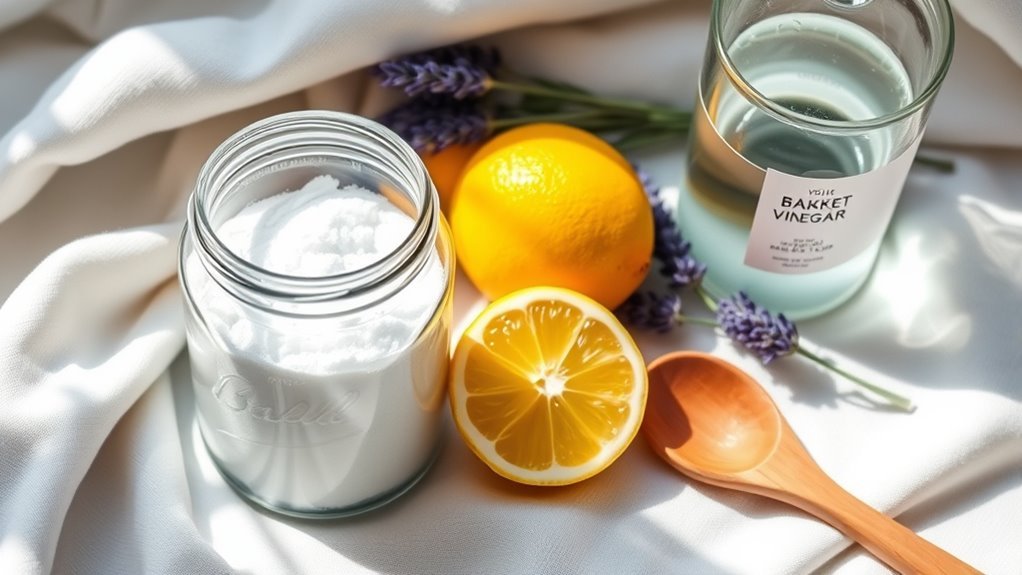
To make an effective homemade blanket cleaner, you’ll need just a few essential ingredients that are gentle yet powerful enough to remove dirt and odors. Start with baking soda, a natural deodorizer that lifts smells without harsh chemicals. White vinegar works wonders as a disinfectant and breaks down grime, offering an eco friendly alternative to synthetic cleaners. Castile soap or mild liquid soap provides a gentle cleansing action, perfect for delicate fabrics. Adding a few drops of essential oils like lavender or eucalyptus not only freshens your blankets but keeps the process natural and non-toxic. These homemade solutions give you freedom from chemical-laden products, letting you clean with confidence while caring for your health and the planet. Simple, safe, and effective—these ingredients make your DIY blanket cleaner a true game changer.
Tools Needed for Making the Cleaner
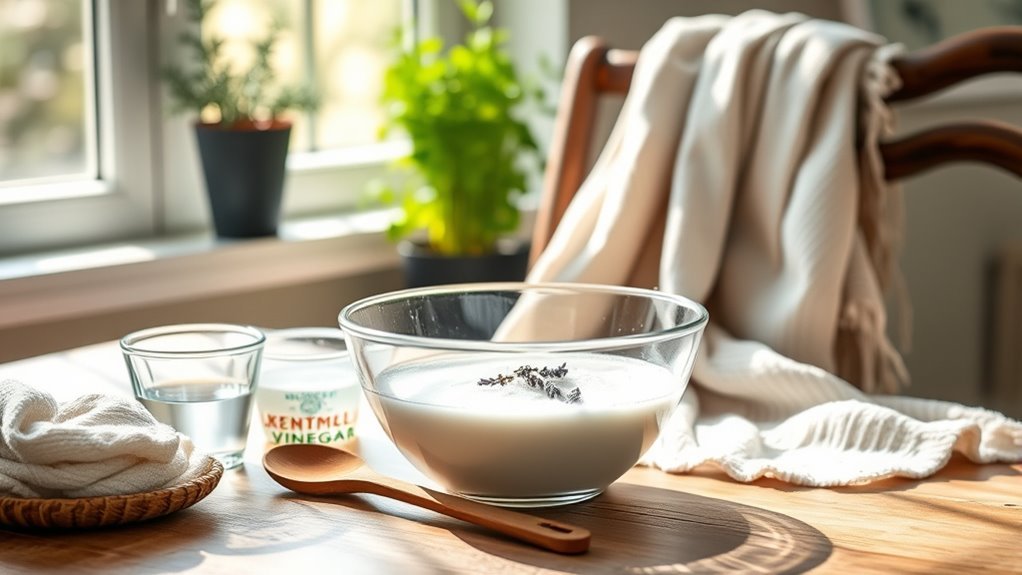
To make your homemade blanket cleaner, you’ll need a few essential ingredients and the right tools. Grab some mixing equipment like a bowl and spoon, plus a suitable container to store your cleaner safely. Having these ready will make the process smooth and efficient.
Essential Cleaning Ingredients
Gathering the right ingredients is key when making your homemade blanket cleaner. You’ll want to keep it simple yet effective. White vinegar is a must-have because of its natural ability to break down dirt and odors without harsh chemicals—one of the best vinegar benefits for freshening fabrics. Next, essential oils aren’t just for scent; they add antibacterial properties and leave your blankets smelling amazing, giving you that freedom to customize your cleaner’s fragrance. You can pick lavender, eucalyptus, or your favorite scent to make the experience uniquely yours. Finally, distilled water lets you control purity, ensuring no minerals interfere with the cleaning power. These ingredients together create a powerful, natural cleaner that respects both your blankets and your desire for chemical-free living.
Necessary Mixing Equipment
You’ll need just a few essential tools to mix your homemade blanket cleaner effectively. Start with sturdy mixing bowls—glass or stainless steel work best—so you can combine ingredients without worry. Having at least one large bowl gives you enough space to stir freely without spills. Next, grab a set of measuring cups to guarantee accurate proportions of your ingredients. Precise measurements are key to balancing cleaning power and fabric care. You might also want a whisk or spoon to blend everything smoothly. These simple tools keep your process straightforward, giving you the freedom to create a cleaner that works perfectly for your blankets. No fancy gadgets—just reliable basics to help you craft your solution with ease and confidence.
Storage Container Options
Although mixing your blanket cleaner is straightforward, choosing the right storage container guarantees it stays fresh and ready for use. You want something that’s easy to use, clean, and won’t leak or degrade over time. Here are some great options to evaluate:
- Glass jars: Sturdy, non-reactive, and eco-friendly, perfect for preserving your cleaner’s integrity.
- Plastic bottles: Lightweight and portable, great if you want to carry your cleaner around.
- Spray bottles: Ideal for easy application—just spritz and go.
- Airtight containers: Keep moisture and air out, extending the cleaner’s shelf life.
Pick a container that matches your lifestyle, whether you crave convenience or sustainability. With the right storage, your homemade blanket cleaner will always be ready when you need it.
Step-by-Step Guide to Mixing Your Cleaner
Now that you have your tools ready, it’s time to gather the essential ingredients for your blanket cleaner. You’ll need simple, effective components that work well together to tackle dirt and odors. Here’s a clear overview of how to mix them step by step for the best results.
Essential Cleaning Ingredients
Before you start mixing your homemade blanket cleaner, gather a few essential ingredients that work effectively together to remove dirt and odors without damaging your fabric. Choosing natural ingredients with powerful cleaning properties guarantees your blankets stay fresh and intact, freeing you from harsh chemicals.
Here’s what you’ll need:
- White vinegar: neutralizes odors and breaks down grime.
- Baking soda: lifts stains and softens fabric naturally.
- Liquid castile soap: gentle yet effective cleanser.
- Essential oils (like lavender or eucalyptus): add a fresh scent and antimicrobial benefits.
These simple, natural components combine to create a blanket cleaner that respects your freedom to care for your belongings safely and sustainably.
Mixing Instructions Overview
With your natural ingredients ready, you’re set to combine them into a powerful yet gentle blanket cleaner. Start by choosing the right mixing techniques—slowly add each ingredient to a clean bowl or spray bottle, stirring or shaking gently to avoid creating too many bubbles. Pay close attention to the cleaner consistency; it should be smooth and liquid enough to spray or apply evenly without being watery or too thick. If it feels too dense, add a bit of water incrementally until you reach the desired texture. Remember, proper mixing techniques guarantee your cleaner stays effective and easy to use, giving your blankets a fresh, clean feel without harsh chemicals. You’re in control, crafting a cleaner that fits your lifestyle perfectly.
Tips for Removing Stains From Blankets
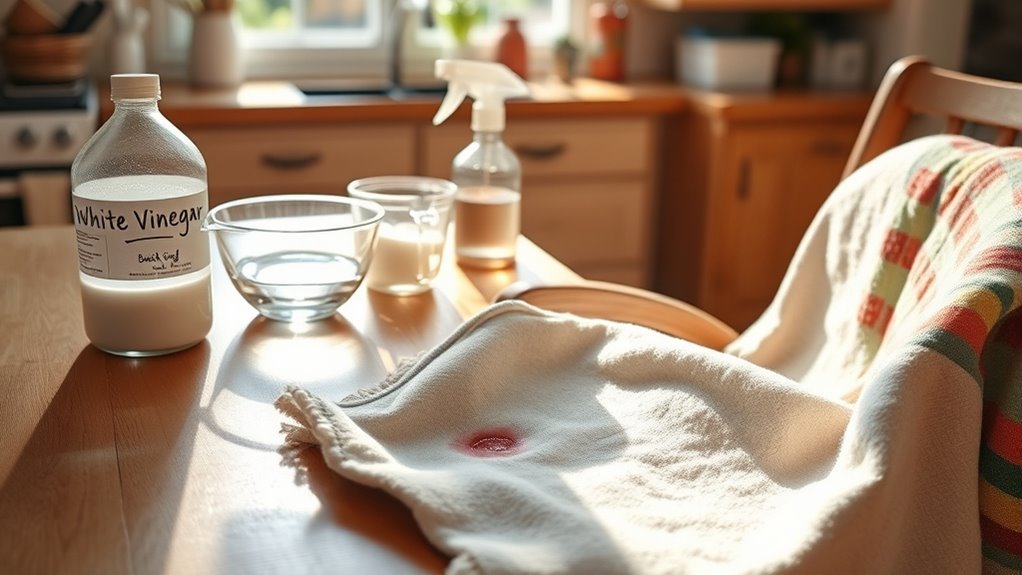
Although stains on blankets can seem stubborn, treating them promptly can make removal much easier. When you tackle spots right away, you’re embracing effective stain removal techniques that save your blanket’s life and look. Here are some fabric care tips to keep in mind:
- Blot stains gently with a clean cloth to avoid spreading.
- Use a homemade cleaner suited for your blanket’s fabric.
- Test any cleaner on a small hidden area before full application.
- Avoid hot water initially; cold water prevents setting stains.
How to Use the Cleaner for Different Blanket Materials
Treating stains effectively means knowing how to apply your homemade cleaner based on the blanket’s material. For cotton or synthetic blends, you can safely use a bit more of your cleaner, gently scrubbing stains before rinsing. Wool and delicate fabrics demand extra caution—dilute your cleaner and avoid harsh scrubbing to prevent damage. Always test a small hidden area to verify colorfastness. When dealing with fleece or microfiber, use a soft cloth to apply the cleaner without soaking the blanket, preserving its texture. These material considerations are key for smart blanket care, letting you refresh your blankets without risk. By tailoring your approach, you’ll extend your blanket’s life while enjoying the freedom of natural, homemade cleaning solutions.
Natural Alternatives for Fragrance and Freshness

If you want your homemade blanket cleaner to leave a pleasant scent without relying on synthetic fragrances, there are plenty of natural options you can try. These alternatives not only freshen your blankets but also give you freedom from harsh chemicals. Consider adding:
- A few drops of lavender oil for a calming, floral aroma that’s gentle and soothing.
- Lemon zest to infuse a bright, clean citrus scent that naturally deodorizes.
- Vanilla extract to add warmth and subtle sweetness, making your blankets inviting.
- Eucalyptus leaves or oil for a revitalizing, invigorating fragrance that also helps repel dust mites.
Storage and Shelf Life of Your Homemade Cleaner
Adding natural scents to your homemade blanket cleaner is a great way to enhance its appeal, but knowing how to store it properly will keep those fragrances fresh and the cleaner effective. To maximize the shelf life, keep your cleaner in a cool, dark place away from direct sunlight or heat sources. Use airtight containers to prevent evaporation and contamination. Glass bottles with tight-fitting lids work best. Avoid storing your cleaner in plastic if it contains essential oils, as they can degrade the material. Label your container with the date you made it to track freshness easily. Following these storage tips guarantees your homemade cleaner stays vibrant and ready to use whenever you want, giving you the freedom to maintain fresh blankets without hassle or waste.
Safety Precautions When Using Homemade Cleaners
Although homemade cleaners are generally safer than commercial ones, you still need to handle them with care to avoid accidents or skin irritation. Following basic safety guidelines guarantees you enjoy freedom in your cleaning routine without unnecessary risks. Always wear protective gear like gloves and goggles to shield your skin and eyes. Work in a well-ventilated area to avoid inhaling fumes. Store your cleaner clearly labeled and out of reach of children or pets. Finally, test your cleaner on a small fabric patch before full use to prevent damage.
Handle homemade cleaners with care—wear protective gear, ensure ventilation, label storage, and patch test fabrics.
- Wear protective gear every time
- Guarantee good ventilation
- Label and store safely
- Patch test before use
These precautions keep your homemade blanket cleaner both effective and safe.
Benefits of Using a Homemade Blanket Cleaner
When you choose a homemade blanket cleaner, you’re not only cutting down on harsh chemicals but also tailoring the solution to suit your specific needs. This approach gives you the freedom to control what touches your blankets, ensuring safety and comfort. Plus, homemade cleaners offer significant eco friendly benefits, reducing your environmental footprint by avoiding toxic ingredients and excessive packaging. You’ll also appreciate how cost effective solution this is — common household items replace pricey commercial products, saving you money without sacrificing quality. Making your own cleaner means you can refresh your blankets whenever you want, on your own terms. It’s a simple, smart way to keep your cozy essentials fresh while embracing sustainability and financial freedom.
Frequently Asked Questions
Can I Use This Cleaner on Pet Blankets Safely?
You can definitely use this cleaner on pet blankets while keeping pet safety in mind. Just make sure the ingredients are non-toxic and gentle, so they don’t irritate your furry friend’s skin. It’s important to take into account fabric care too—some materials need extra love to stay soft and durable. By choosing natural, safe components, you’ll enjoy the freedom to clean effectively without worrying about harming your pet or their favorite blanket.
How Often Should I Clean My Blankets With This Solution?
You’ll want to follow frequency recommendations that suit your lifestyle and environment. Generally, cleaning your blankets every 1-2 weeks keeps them fresh and cozy without overdoing it. If you’re someone who loves freedom and spontaneity, just adjust blanket care based on how often you use them or if they get visibly dirty. This way, you maintain comfort without feeling tied down to a strict cleaning schedule.
Will This Cleaner Work on Dry-Clean-Only Blankets?
You might want to be cautious using homemade blanket cleaners on dry-clean-only fabrics. While some dry clean alternatives can gently freshen up your blanket, they may not replace professional fabric care for delicate materials. If you’re looking for freedom from expensive services, test a small hidden spot first to make sure it won’t damage the fabric. When in doubt, it’s safer to stick with traditional dry cleaning to protect your blanket’s quality.
Can I Make a Larger Batch and Freeze It?
Did you know homemade cleaners can last up to six months when stored properly? You can definitely make a larger batch and freeze it! For effective batch storage, pour the cleaner into airtight containers or ice cube trays before freezing. When you’re ready to use it, just thaw a portion. Freezing tips include labeling the date and avoiding refreezing to keep your cleaner fresh and effective, giving you freedom from constant mixing.
Is This Homemade Cleaner Safe for Children’S Blankets?
You’ll be happy to know this cleaner is generally safe for children’s blankets, prioritizing child safety and gentle fabric care. Since it uses natural ingredients, it avoids harsh chemicals that could irritate sensitive skin. Just make sure to rinse blankets thoroughly and let them dry completely before use. This way, you maintain freedom to keep your child’s items fresh and clean without worrying about harmful residues or fabric damage.