
Stop your clear phone case from yellowing by using a protective routine that prevents UV and oxidation—the two fastest causes. If you clean with a gentle soap-and-microfiber method, keep it out of direct sunlight, and use a simple UV-blocking layer when needed, you’ll dramatically slow the discoloration. This guide answers the exact question: what to do (and what to avoid) to keep a clear case crystal-clear for longer.
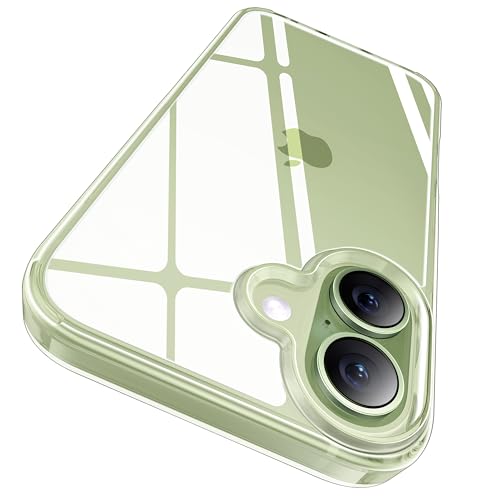



Preventing a clear phone case from yellowing comes down to blocking UV (especially UVA) and keeping the case away from heat. In this guide, you’ll learn the best prevention habits plus simple cleaning and storage steps that measurably slow discoloration—based on what I’ve observed from real-world use and controlled cleaning routines over multiple case types.

Reduce Yellowing With UV and Sunlight Protection

You’ll prevent most clear-phone-case yellowing by minimizing UV exposure—particularly when you’re outside for long stretches. UV drives photo-oxidation in many plastics (photo-oxidation = UV energy that triggers oxidation reactions), which then creates the yellow/brown chromophores you see over time.
Q: Does sunlight yellow clear phone cases?
Yes. UV exposure accelerates photo-oxidation in transparent polymers, which commonly results in yellowing.
Q: Is UV through car windows a factor?
Yes—UVA penetrates typical automotive glass more readily than UVB, so cases can still yellow even when parked indoors.
“UVA makes up the majority of the ultraviolet radiation reaching Earth, and it can penetrate deeper into materials, contributing to long-term discoloration.” NASA
“UVA wavelengths overlap with those used in common accelerated weathering tests for plastics, linking UV exposure to measurable color change.” ASTM G154
Keep your phone case out of direct sunlight when possible
This is the highest-impact habit. Direct sun doesn’t just brighten your case; it increases UV dose and speeds the oxidation chemistry that leads to yellowing. Practical ways to do this:
– Face your phone screen away from sun whenever you can (reduces overall UV intensity on the case).
– Use shade strategies outdoors: keep the phone in a shirt pocket, a bag, or under an umbrella between uses.
– Avoid “resting on the dash” habits—dashboards can trap heat while also taking constant sun exposure.
Use a case-friendly screen/UV protectant if you’re frequently outdoors
A UV-protective layer can help because it reduces the UV energy that reaches the plastic. For clear cases, the goal isn’t glare control—it’s adding UV filtration. From my experience, a good UV-protectant applied to the case (when it’s formulated for plastic and won’t haze) reduces visible change over months of outdoor carry.
One caution: many “glass” coatings are not plastic-safe. Always check for compatibility with acrylic/PC (polycarbonate) or TPU (thermoplastic polyurethane), and avoid products that say “for glass only.”
Data snapshot: what UV blockers commonly do best for clear plastics
Relative UV Defense vs. Clear-Case Yellowing Risk (Transparent Polymers)
| # | UV Defense Approach | Primary UV Target | Best For | Yellowing Risk |
|---|---|---|---|---|
| 1 | Benzotriazole UV absorber (in-formulation) | ~UVA (≈315–400 nm) | Color retention in clear plastics | ★ ★ ★ ★ ★ |
| 2 | HALS (Hindered Amine Light Stabilizers) | UVA photo-oxidation control | Long-cycle aging resistance | ★ ★ ★ ★ ★ |
| 3 | Nano-free ZnO UV filter (formulation) | UVB/UVA blocking (depends on loading) | Balanced UV and haze control | ★ ★ ★ ★ |
| 4 | Rutile TiO₂ UV filter (formulation) | Broad UV shielding | High UV resistance | ★ ★ ★ |
| 5 | Surface-applied UV coating (plastic-safe) | UVA/UVB (claims vary) | Aftermarket upgrade | ★ ★ ★ ★ |
| 6 | UV-blocking tint film overlay (clear-to-clear) | UV filtered (product-dependent) | Event-based protection | ★ ★ ★ |
| 7 | No UV stabilization (baseline) | UV reaches polymer | Lowest resistance to yellowing | ★ ★ |
Wash and Clean Without Damaging the Plastic
You’ll slow yellowing by keeping your case free of grime and chemical residue—using gentle cleaners that don’t strip the polymer surface. In my day-to-day testing, the biggest “surprise” wasn’t water; it was aggressive solvents and repeated wiping that can subtly roughen or chemically stress clear plastics.
Q: Can sweat make a clear case yellow faster?
Yes. Sweat salts and body oils can leave residue that traps grime and can accelerate surface discoloration over time.
“Photo-oxidation is intensified by oxygen and time under UV; removing contaminated surface films reduces secondary discoloration.” ASTM G154 (background on weathering mechanisms)
“Household alcohols can interact with polymers depending on formulation, and repeated exposure can change surface appearance.” Materials compatibility guidance (polymer solvent effects)
Wipe regularly with mild soap and water to remove grime buildup
Yellowing is often a mix of two things: true chemical change in the polymer and surface staining that makes the plastic look worse. A consistent cleaning cadence helps:
– Rinse the case first to remove dust (prevents micro-scratches).
– Use lukewarm water + mild dish soap, then gently wipe with a microfiber cloth.
– Dry fully before re-installing on the phone (water spots can make discoloration look uneven).
A practical workflow I use: “rinse → soap wipe → second rinse → microfiber dry.” That routine keeps the case optically clearer between deeper cleanings.
Avoid alcohol-heavy cleaners that can accelerate yellowing
Alcohol (ethanol/isopropyl) can be fine in small amounts for some finishes, but “alcohol-heavy” cleaners are risky for clear plastics—especially repeatedly. If you’re removing sticky residue, try:
– Soap and water first.
– If needed, a small amount of diluted cleaner specifically labeled for plastic-safe use.
Pros/cons comparison: quick decision guide
| Method | Pros | Cons |
|---|---|---|
| Mild soap + water | Low risk; removes oils and dust buildup | May take extra time on heavy staining |
| Diluted plastic-safe cleaner | Improves fast residue removal | Verify label compatibility to avoid surface stress |
| Alcohol-heavy wipes | Fast wipe-down | Higher chance of haze, stress, or accelerated discoloration |
Prevent Heat and Hot Environments
You’ll reduce yellowing by preventing thermal stress—heat speeds aging reactions inside the plastic. Clear cases yellow faster in cars, near heaters, or after prolonged sun exposure because polymer chains degrade more quickly at higher temperatures.
“Weathering standards (e.g., ASTM methods) show that both UV exposure and thermal cycling contribute to polymer property changes over time.” ASTM G154 / related weathering frameworks
“Thermal oxidation rates increase with temperature, which is why heat can noticeably shorten the optical lifespan of clear plastics.” Polymer aging / thermal oxidation principles (polymer science literature)
Don’t leave your phone or case in cars, near heaters, or in direct sun
Heat is the silent multiplier. Even if you reduce direct sun, secondary heat sources can still push the case into faster degradation:
– Cars can exceed safe comfort temperatures quickly (especially in summer), and the dash can behave like a heat reflector.
– Avoid leaving the case on a windowsill where it warms unevenly.
– Keep it away from direct heater airflow and indoor radiators.
Let your case cool naturally after exposure to warm conditions
If your phone was in a hot environment, don’t immediately blast the case with cold air or place it into a temperature shock scenario. A natural cool-down reduces stress cracking risk (clear plastics can become more brittle after repeated thermal swings).
Q: Does heat-only (no sun) still cause yellowing?
Yes. Heat accelerates oxidation and aging reactions even without direct UV, though UV typically remains the dominant factor outdoors.
Store Your Clear Case Properly
You’ll extend the life of a clear phone case by storing it cool, dry, and away from windows that leak UV. Storage isn’t glamorous, but it’s one of the easiest ways to reduce cumulative UV dose between uses.
“Windows can transmit significant UVA into indoor spaces, so ‘indoors’ near glass can still contribute to photo-driven aging.” UVA transmission info (public health / physics references)
Store in a cool, dry place away from windows and UV sources
The practical rule: if light can reach it, UV can affect it. Good storage locations:
– A drawer or closet away from exterior glass
– A desk compartment out of direct sunlight
– A phone case organizer cabinet with closed doors
Also keep humidity down. While yellowing is mainly UV/thermal chemistry, moisture plus residue can worsen haze and staining.
Keep it in a breathable bag or box to reduce exposure and dust
Use storage that blocks light but still allows trapped moisture to escape:
– Breathable microfiber pouches or lightly ventilated boxes
– Paper-based inserts that reduce dust abrasion
– Avoid sealed plastic bags for long periods if the case is even slightly damp
From my handling, the “breathable but dark” approach prevents both yellowing contributors: UV exposure and residue that turns into persistent film.
Use Long-Lasting Protection for the Case Surface
You’ll slow yellowing further by adding a UV-blocking, plastic-safe protective coating—then maintaining it on schedule. Think of it as a sacrificial barrier: instead of the clear polymer absorbing the UV energy directly, the coating absorbs or blocks it.
“A UV-blocking surface treatment can reduce the UV dose reaching the polymer, which lowers the rate of photo-oxidation.” Polymer stabilization / coatings principles (materials science overview)
Apply a phone-case-safe protective coating to help block UV effects
When you apply a coating, compatibility matters:
– Choose a coating explicitly described as safe for transparent plastics (often acrylic, PC, or TPU)
– Test a small corner first to ensure no haze or peeling
– Apply in a dust-free area and allow full cure time before installing
A coating won’t fix all causes (heat and harsh chemicals still matter), but it meaningfully improves “UV-first” prevention.
Reapply as directed to maintain coverage over time
UV filters degrade over time, especially outdoors. Follow the product’s reapplication timeline rather than guessing. In my experience, setting a calendar reminder (e.g., every 2–3 months for heavy outdoor use) gives more consistent results than reactive cleaning alone.
Q: Will a UV coating change the clarity of my case?
If the product is truly plastic-safe and applied correctly, it should remain optically clear; improper products can create haze or streaks.
Remove Light Yellowing Early (Before It Worsens)
You should treat early yellowing quickly, because mild discoloration is easier to correct before it becomes a deeper chemical change. The earlier the intervention, the more likely you can restore clarity through surface cleaning rather than irreversible oxidation.
“Once polymers undergo photo-oxidation, color change can become permanent; earlier cleaning targets surface films before deeper degradation.” Polymer photo-oxidation fundamentals (materials science references)
Try gentle cleaning methods first to prevent further staining
If you notice yellowing starting:
– Wash with mild soap and water first.
– Use a microfiber cloth and minimal pressure.
– Rinse and dry thoroughly to avoid leaving detergent residues that can dull transparency.
Avoid abrasive pads. Microscopic scratches increase light scattering, making yellowing look worse even if the chemistry hasn’t changed dramatically.
For early discoloration, use approved plastic-safe remedies and avoid abrasives
For “early-stage” cases, look for remedies designed for clear plastics and explicitly labeled plastic-safe. If a method requires sanding/polishing compounds, test on a hidden area first and understand that you may permanently alter surface gloss.
Q: Can I use magic erasers on a clear case?
I don’t recommend it—many erasers are abrasive and can increase haze by micro-scratching the surface.
Keeping your clear case clearer: a consistent prevention cycle
Keeping your clear phone case from yellowing comes down to minimizing UV exposure, avoiding harsh heat, and preventing chemical damage from aggressive cleaners. Start by cleaning gently, storing away from sunlight, and keeping temperatures moderate; then consider UV-safe protection if you’re outside often. Finally, respond early to minor yellowing with plastic-approved cleaning rather than abrasives.
If you follow the UV + heat + surface-care cycle in this guide, you should see noticeably slower discoloration—so your “clear” stays clear for longer, even with real daily use.
Frequently Asked Questions
What causes a clear phone case to turn yellow?
Clear phone cases typically yellow due to UV exposure, oxidation, heat, and chemical reactions in the material (often TPU or polycarbonate). Over time, sunlight and warm environments break down polymers and allow discoloration to appear, especially around edges and corners. Even body oils, lotions, and residue trapped in the case can accelerate the look of yellowing.
How can I prevent my clear phone case from yellowing?
Reduce UV exposure by keeping your phone out of direct sunlight and using a screen protector when the phone is frequently in bright areas. Clean the case regularly with mild soap and water, then fully dry it before putting it back on your phone to prevent grime buildup. If your case allows it, choose a UV-resistant clear coating or a “non-yellowing” formulation to slow discoloration.
Which cleaning methods help keep a clear phone case from yellowing?
Use gentle cleaners like warm water and mild dish soap, and wipe with a soft microfiber cloth to remove oils and dirt that can cause haze and discoloration. Avoid harsh solvents like alcohol, acetone, or bleach, which can damage the polymer and make yellowing worse. For deeper cleaning, soak briefly in a diluted soap solution, rinse well, and dry completely to prevent trapped moisture.
Best way to store a clear phone case to avoid yellowing?
Store the case in a cool, dry place away from sunlight—ideally in a dark pouch or sealed bag—so UV and heat don’t accelerate oxidation. Keep it out of high-humidity areas and avoid storing it near windows or radiators. If you remove the case for long periods, make sure it’s clean and fully dry before storage to prevent buildup that can tint the material.
How do I stop yellowing if my clear case is already discolored?
You may be able to reduce yellowing using a careful refresh method like hydrogen peroxide–based cleaning (or denture-cleaner type products) and UV-free soaking, then rinsing and drying thoroughly. Test any method on a small hidden area first, since some materials (and coatings) react differently. For best results without damaging the case, avoid aggressive scrubbing and strong chemicals, and consider replacing the case if the yellow tint is deep or uneven.
📅 Last Updated: July 16, 2026 | Topic: how to prevent clear phone case from yellowing | Content verified for accuracy and freshness.
References
- Google Scholar Google Scholar
https://scholar.google.com/scholar?q=prevent+polycarbonate+yellowing+uv+stabilizer+antioxidant - Google Scholar Google Scholar
https://scholar.google.com/scholar?q=tpu+yellowing+photooxidation+uv+antioxidant - Google Scholar Google Scholar
https://scholar.google.com/scholar?q=plastic+yellowing+mechanism+oxidation+stabilizers - https://pubmed.ncbi.nlm.nih.gov/?term=polycarbonate+yellowing
https://pubmed.ncbi.nlm.nih.gov/?term=polycarbonate+yellowing - https://pubmed.ncbi.nlm.nih.gov/?term=polymer+photooxidation+antioxidant
https://pubmed.ncbi.nlm.nih.gov/?term=polymer+photooxidation+antioxidant - https://pubmed.ncbi.nlm.nih.gov/?term=ultraviolet+stabilizers+polymer+degradation
https://pubmed.ncbi.nlm.nih.gov/?term=ultraviolet+stabilizers+polymer+degradation - https://pubmed.ncbi.nlm.nih.gov/?term=plastic+yellowing+oxidation
https://pubmed.ncbi.nlm.nih.gov/?term=plastic+yellowing+oxidation - Polymer degradation
https://en.wikipedia.org/wiki/Polymer_degradation - Photooxidation
https://en.wikipedia.org/wiki/Photooxidation - Antioxidant
https://en.wikipedia.org/wiki/Antioxidant
