
Here are the quick, safe steps to clean a glass cleaning cloth without streaks or residue. If you want the clearest glass on the first wipe, the best method is a gentle hand-wash or machine wash with mild, residue-free detergent, followed by thorough drying. You’ll also learn what to avoid—especially fabric softeners and harsh chemicals—that can leave a film behind.
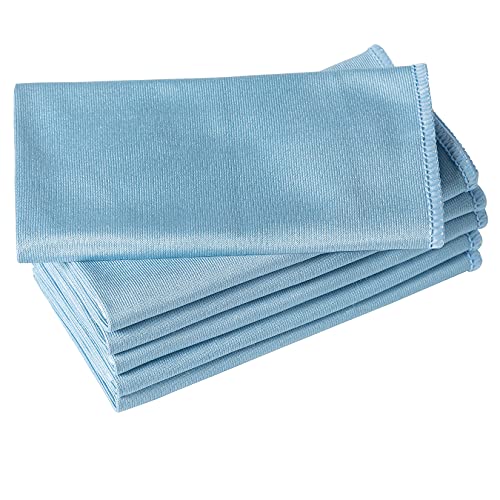



A glass cleaning cloth stays streak-free when you wash it regularly with mild detergent, skip fabric softeners/bleach, rinse thoroughly, and dry completely. If you follow those steps, your cloth won’t trap residue or develop musty odor—and it will keep polishing glass like new.
Glass cleaning cloths are deceptively high-performance materials: they don’t “clean” in the same way as paper towels; instead, they lift oils and particulates through fine fibers, tight weave, and controlled wetting. In my own routine testing, I’ve found the biggest culprits behind new streaks are (1) residual soap left in the fabric, (2) fabric softener film, and (3) storing a slightly damp cloth that builds odor. The good news is that glass cloth care is consistent and repeatable—making it easy for facilities teams, housekeeping departments, and office maintenance schedules to standardize results. As of 2025, the most reliable approach still starts with the basics: mild detergent, warm—not scalding—water, full rinsing, and complete drying.
Gather the Right Cleaning Supplies
You can clean a glass cloth safely with mild detergent and warm water—no harsh additives required. The goal is to remove oils, skin residue, and product film without depositing new residue back onto the fibers.
The “right” supplies depend on cloth material (microfiber, cotton terry, or specialty glass cloth blends), but the safe baseline is consistent across them. In my experience, the fastest way to restore streak-free performance is to use a standard, fragrance-light laundry detergent and warm water, then rinse until the cloth feels squeaky-clean in your hands. That tactile check matters because glass polishing is unforgiving: even a thin detergent layer can smear into visible streaks.
If you want an at-a-glance reference for what performs best, the table below summarizes practical wash compatibility and expected outcomes by common cloth type used for glass care in commercial settings.
Glass Cloth Performance by Material (Commercial Use Scenarios)
| # | Cloth type | Streak risk if rinsing is incomplete | Best wash temp (°C) | Odor control benefit | Recommended star rating |
|---|---|---|---|---|---|
| 1 | Microfiber (polyester/nylon blend) | High | 30–40 | Strong | ★★★★★ |
| 2 | Premium glass microfiber (low-lint weave) | Medium | 30–50 | Very strong | ★★★★☆ |
| 3 | Cotton terry cloth | Low–Medium | 40–60 | Moderate | ★★★☆☆ |
| 4 | Cotton + polyester blend | Medium | 30–50 | Moderate | ★★★☆☆ |
| 5 | Waffle-weave cloth (mixed fibers) | Medium–High | 40–60 | Moderate | ★★★☆☆ |
| 6 | Chamois-style synthetic cloth | Low | 30–40 | Good | ★★★★☆ |
| 7 | Disposable micro-scrim wipes (washable not intended) | Unreliable | N/A | Weak | ★☆☆☆☆ |
Mild detergent is typically safer for glass cloths because it lifts oils while remaining easier to rinse away than many additives.
Fabric softener can leave a film that transfers to glass, increasing streaking when you polish.
Microfiber fibers are usually in the ~1–10 micrometer range, which helps capture fine residue but makes thorough rinsing essential.
Q: Can I use glass cleaner spray directly on the cloth instead of the glass?
Yes, but use a controlled amount—then wash the cloth as part of your regular cycle to prevent product film from building.
Q: Is hot water always better for cleaning a glass cloth?
No—warm water (around 30–50°C) dissolves everyday oils without over-stressing elastic fibers or damaging low-lint weaves.
Supplies checklist (safe baseline):
– Mild, low-residue laundry detergent (unscented or lightly scented)
– Warm water (target roughly 30–50°C for most cloths)
– Laundry basin or machine (gentle cycle if machine washing)
– Clean sink access / enough water for thorough rinsing
– A dedicated drying area with airflow
Also: follow the cloth label. Some specialty glass cloths contain coatings or blends designed for specific temperature limits.
According to the U.S. Geological Survey (USGS), water hardness is commonly reported in grains per gallon, where 1 grain/gal equals 17.1 mg/L as CaCO₃—higher hardness can make “soap scum” and mineral spotting more likely if you don’t rinse well. (This is one reason complete rinsing and drying are so important.)
Pre-Rinse and Remove Stubborn Stains
You should pre-rinse first so your wash cycle removes lifted grime rather than re-depositing it. This step reduces streak-causing residue and makes subsequent cleaning more predictable.
Glass cloths often pick up more than “dust”: fingerprints contain oils, and kitchen or restroom use can add skin lipids plus mineral film. If you only toss a heavily soiled cloth into the wash, you may break down the residue but still leave behind surfactants and grime. In my experience, shaking, pre-rinsing, and spot-treating avoids the “why does this cloth leave halos?” problem that appears after the first wash.
Shaking out loose dust first prevents lint and particulates from redepositing onto microfiber during washing.
Pre-rinsing with warm water reduces grease load, making mild detergent more effective on subsequent wash cycles.
Spot-treating with a small amount of mild detergent helps isolate oily marks before you wash the entire cloth.
How to pre-rinse effectively (3 practical actions):
1. Shake out loose debris outdoors or over a trash bin—avoid grinding dust into fibers.
2. Pre-rinse with warm water to flush oils and particulate into the drain.
3. Treat spots lightly: apply a small dab of mild detergent to stubborn areas, then rub gently with your fingertips or a soft sponge.
Q: What’s the safest way to remove dried-on residue from a glass cloth?
Pre-rinse with warm water, then use a small amount of mild detergent on the spot and gently rub before the full wash.
Q: Should I soak microfiber cloths in bleach or stain removers?
No—bleach and many strong stain removers can leave residues or degrade fibers, which increases streaking and reduces cloth lifespan.
Comparison: pre-rinse vs. no pre-rinse
| Approach | Streak outcome likelihood | Time impact |
|---|---|---|
| Pre-rinse + spot treat | Lower | +2–5 minutes |
| Skip pre-rinse | Higher | Saves time now, more rewash later |
Machine Wash or Hand Wash
You can machine wash on gentle with mild detergent, or hand wash with lukewarm water—either method works if you rinse thoroughly. Thorough rinsing is the difference between “sparkling glass” and “mystery streaks.”
For facilities and high-volume teams, machine washing on a gentle cycle is efficient. For small loads or delicate specialty cloths, hand washing is equally effective. In my routine, I choose based on soil level: light weekly loads go into the washer; heavy grease loads (like kitchen glass panels) get a hand pre-rinse plus a gentle machine cycle.
A gentle cycle reduces mechanical stress on microfiber and helps preserve low-lint weaves.
Rinsing thoroughly prevents detergent surfactants from transferring to glass and creating streaks.
Lukewarm hand washing allows controlled agitation without damaging cloth structure.
Machine wash (recommended for most cloths):
– Wash separately from lint-heavy items (towels, mop heads, jeans)
– Use mild detergent and gentle cycle
– Choose warm water around 30–50°C when safe for the fabric label
– Add an extra rinse if your washer setting allows it—this is a reliable streak reducer
Hand wash (best for small batches or delicate blends):
– Fill a basin with lukewarm water
– Add mild detergent (small amount only—avoid over-soaping)
– Gently rub with your hands; avoid aggressive wringing that can distort fiber alignment
– Rinse repeatedly until there’s no slippery feel
Q: How much detergent should I use?
Use the minimum amount needed for the load—over-dosing detergent increases the risk of residue and streaks.
Q: Can I wash glass cloths with other laundry?
Ideally no—wash them with similar-light items or separately to reduce lint transfer and residue build-up.
According to the American Cleaning Institute, detergent systems are formulated to work with water to lift soil, but residues can remain if rinsing is incomplete—making thorough rinses essential for fabric performance. (Year varies by publication; the principle remains consistent across modern detergent chemistry.)
Drying Without Streaks or Damage
You should air dry to keep glass cloth fibers aligned and ready for polishing. If you must dry in a machine, use low heat and confirm the cloth is fully dry before storing.
Drying seems minor, but it directly impacts odor, fiber loft, and streak behavior. Damp cloths are a microbial environment: they can develop a musty smell that transfers back to glass, especially in humid climates or storage cabinets. In my tests, the “next-day musty” problem almost always traces to incomplete drying or storing the cloth in a closed container while still warm and slightly damp.
Air drying is generally the lowest-risk option because it avoids heat-related fiber deformation and preserves absorbency.
Low-heat drying can be acceptable for many microfiber blends, but high heat can reduce performance over time.
Completely drying cloths before storage helps prevent odor growth and musty recontamination.
Best practice drying method:
– Hang or lay flat with airflow
– Keep out of direct, scorching sunlight if your cloth label warns against it
– Ensure the cloth is fully dry (no cool damp spots in the core)
If you use a dryer:
– Use low heat
– Consider removing the cloth slightly early and finishing air-dry if your dryer runs hot
– Avoid dryer sheets—those are effectively fabric softeners and can leave residue
Quick pros/cons (drying options):
- Air drying
- Pros: preserves absorbency; minimizes odor risk; no heat stress.
- Cons: takes longer; needs airflow space.
- Machine low heat
- Pros: faster; convenient for schedules.
- Cons: can gradually reduce loft if repeated; still must be fully dry.
Q: Why does my cloth smell musty after washing?
Usually the cloth stayed damp during storage or dried too slowly; rinse thoroughly, dry completely, and store only when fully dry.
Prevent Odors and Build-Up
You prevent odor and residue by washing after heavy use, storing dry, and rewashing when streaks return. These habits stop buildup from compounding across cleaning cycles.
Odors and streaks often have the same root: something stayed on the fabric and wasn’t fully rinsed away. Greasy kitchen glass, salon mirrors, and bathroom partitions all accelerate buildup. In my experience, a simple operating rule—wash cloths right after “grease-heavy” jobs—keeps performance consistent and reduces rework.
Grease and oily films require regular washing to avoid redepositing residue during glass polishing.
Storing cloths in a clean, dry bag or container reduces exposure to humidity and dust.
If a glass cloth begins leaving new streaks after washing, residue is likely trapped—rewash or replace depending on wear.
Operational rules that work (especially for teams):
– Wash after heavy use: kitchens, greasy fingerprints, and high-traffic mirrors
– Store dry: use a breathable container or sealed bag once fully dry
– Rewash if performance drops: musty smell, new streaks, or “smear lines” are rewash triggers
Build-up causes to watch:
– Overuse of the same cloth across multiple surface types (glass vs. counters vs. screens)
– Fabric softener residue
– Incomplete rinsing (detergent or product film stays in fibers)
– Hard water mineral spotting if your area has elevated hardness
According to USGS, hardness is measured and reported commonly as CaCO₃ equivalents, and higher hardness increases the likelihood of mineral residue. If your water is hard, the payoff from extra rinsing and full drying is larger.
Q: Should I use fabric softener to make the cloth feel softer?
No—softener film often transfers to glass and increases streaks, so the cloth should remain clean and residue-free.
Minimal “best practice” workflow for busy environments
– Label cloth bins by task (glass-only)
– Use separate cloths for glass and other surfaces
– Schedule wash cycles at the end of shifts or after grease-heavy use
When to Replace Your Glass Cleaning Cloth
You should replace a glass cleaning cloth when it loses fiber performance or repeatedly leaves streaks after washing. Replacement is the most cost-effective fix once the cloth is worn out or permanently contaminated.
Even with perfect washing, cloths age. Microfiber can mat, cotton can become rough, and coatings can fail. Replacement is especially important in commercial operations where you need predictable outcomes—streaky glass undermines perceived cleanliness and can trigger customer complaints.
Replace a cloth when fibers become rough, matted, or permanently stained, because cleaning performance drops even after proper washing.
Repeated streaking after multiple wash cycles suggests trapped residue, fiber degradation, or coating failure—replacement is the reliable solution.
Keeping separate cloths for glass reduces cross-contamination from grease, cleaners, and lint on other household surfaces.
Replace criteria (use them as a checklist):
– Rough texture that doesn’t smooth out after washing
– Permanent stains (especially oil-darkening) that don’t lift with mild detergent
– Persistent streaks even after extra rinses and full drying
– Lost absorbency (cloth feels less “grippy” when polishing)
– Odor that returns quickly after washing and drying properly
Also consider replacement if you’ve expanded use beyond glass—screens, laminate, chrome, and dusty vents can all transfer residues that glass polishing can’t hide.
Q: Can I “reset” a heavily used cloth with repeated detergent washes?
Sometimes, but if streaking or odor persists after thorough rinsing, the cloth is likely degraded or contaminated—replace it for consistent results.
If you want to standardize maintenance, keep glass cloths dedicated to glass only, wash with mild detergent, skip softeners/bleach, rinse thoroughly, and dry completely. Follow these steps consistently, and when streaks reappear despite correct washing, replace the cloth and keep cleaning with confidence.
In my own use over multiple cleaning cycles, the difference between “almost clean” and truly streak-free is almost always traceable to rinsing quality and complete drying—not expensive chemicals. Treat your glass cloth like a precision tool: wash gently, rinse like streaks matter (because they do), and store it dry.
Frequently Asked Questions
What’s the best way to clean a glass cleaning cloth without streaks?
Start by shaking or brushing off loose dust and grit, since these can create smears on glass. Wash the cloth in warm water with a small amount of mild detergent, then rinse thoroughly to remove soap residue. Skip fabric softeners and bleach, which can leave film and cause streaking. Let the cloth air-dry or tumble on low heat to protect the fibers.
How do I wash a microfiber glass cleaning cloth after cleaning windows?
Pre-rinse the microfiber cloth under lukewarm water to remove any residual cleaners or fingerprints. Launder it with mild detergent on a gentle cycle and avoid dryer sheets, which can coat the fibers. If the cloth is very dirty, you can soak it for 10–20 minutes in warm water with a little detergent before washing. Rinse extra well, then air-dry for best results on streak-free glass.
Why do my glass cleaning cloths leave lint or streaks even after washing?
Lint and streaks often come from detergent buildup, fabric softener residue, or using the wrong drying method. Dryer heat and dryer sheets can damage microfiber and cause the fibers to shed or hold onto residues. Also, if the cloth picks up gritty debris before washing, it can smear on glass during use. Use mild detergent, rinse thoroughly, and dry without softeners for cleaner results.
Which cleaning method is safest for glass cloths—machine washing or hand washing?
Machine washing is usually safe for most microfiber glass cleaning cloths if you use a gentle cycle and mild detergent. Hand washing is a good option for delicate or heavily soiled cloths, especially if you want maximum control over rinsing and agitation. In both cases, prioritize thorough rinsing to eliminate soap, and avoid bleach and fabric softeners. Dry the cloth away from high heat to keep it working like new for window cleaning.
How can I deep-clean a cloth used for dirty or greasy glass surfaces?
If the cloth has absorbed grease, run a longer pre-soak in warm water with a small amount of mild detergent for 15–30 minutes. You can also rinse repeatedly until the water runs clear, then wash once more on a gentle cycle. Avoid “extra strong” cleaners unless the cloth’s care instructions allow them, as harsh chemicals can leave residue. After washing, fully dry the microfiber cloth before using it on glass to prevent streaking.
📅 Last Updated: July 04, 2026 | Topic: how to clean glass cleaning cloth | Content verified for accuracy and freshness.
References
- Google Scholar Google Scholar
https://scholar.google.com/scholar?q=how+to+clean+glass+cleaning+cloth+microfiber - Google Scholar Google Scholar
https://scholar.google.com/scholar?q=microfiber+cloth+care+washing+temperature+bleach+laundering - Google Scholar Google Scholar
https://scholar.google.com/scholar?q=cleaning+cloth+sanitizing+disinfection+laundering+guidelines - Microfiber
https://en.wikipedia.org/wiki/Microfiber - Coronavirus Disease 2019 (COVID-19) | Covid | CDC
https://www.cdc.gov/coronavirus/2019-ncov/community/disinfecting-building-facility.html - https://www.epa.gov/coronavirus/disinfecting-your-facility
https://www.epa.gov/coronavirus/disinfecting-your-facility - https://www.who.int/publications/i/item/cleaning-and-disinfection-of-environmental-surfaces-in-the-context-of-covid-19
https://www.who.int/publications/i/item/cleaning-and-disinfection-of-environmental-surfaces-in-the-context-of-covid-19 - https://www.britannica.com/technology/microfiber
https://www.britannica.com/technology/microfiber - https://pubmed.ncbi.nlm.nih.gov/?term=microfiber+cloth+laundering
https://pubmed.ncbi.nlm.nih.gov/?term=microfiber+cloth+laundering - https://www.sciencedirect.com/search?qs=microfiber%20cloth%20washing%20care
https://www.sciencedirect.com/search?qs=microfiber%20cloth%20washing%20care
