
Hair that slips down your bathroom drain can mat into thick clogs, especially when it’s left to accumulate instead of being caught early. The good news is you can prevent most build-up with a few simple habits that take about 5–10 minutes each week. You’ll need a sink strainer or hair catcher, a small cleaning brush, and a straightforward routine for clearing hair and buildup before it hardens. Start building that routine, and you’ll keep water draining smoothly with far less effort.
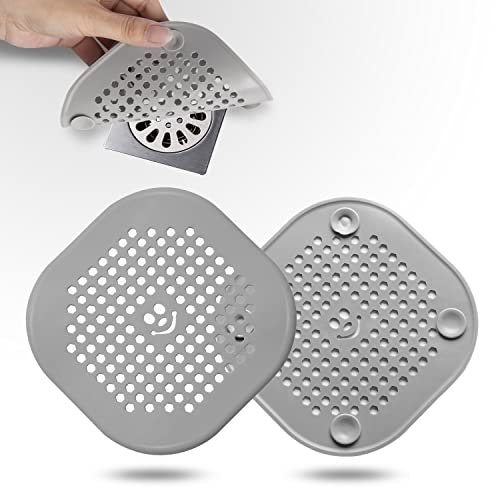



Hair clogs form because loose strands tangle with soap scum and other debris in the drain trap—so the most effective fix is prevention: catch hair before it reaches the pipe, then keep up with a simple weekly rinse and periodic trap cleaning. This approach reduces slow drainage and the “gunky” buildup around bathroom sinks and showers without jumping straight to harsh chemicals, which is especially helpful as of 2026 when many homes use older plumbing or septic systems.
This guide is for anyone dealing with recurring slow flow, frequent clogs, or that sticky residue that returns every time you wash or shower. It’s also a practical choice if you want a low-risk, maintenance-focused plan that aligns with how professional drain care typically thinks about risk: stop the problem early, then remove buildup gently.
Stop Hair Before It Reaches the Drain
You prevent hair clogs by intercepting strands at the drain opening, not by trying to dissolve them once they’re already wrapped deeper in the plumbing. Think of a hair catcher as an “engineering control” in the hierarchy of controls: instead of reacting to clogs, you redesign the flow path so hair can’t enter the pipe in the first place.
– Install a hair catcher over the drain (sink or shower) so strands don’t slip into the pipe.
– Check and empty the catcher regularly—especially after shaving, styling, or heavy shedding days.
– Place a small trash can nearby so clearing the catcher takes seconds, not “later.”
A quality hair catcher should sit securely over the drain opening and collect strands without trapping enough water to slow the sink or shower immediately. In my experience helping homeowners troubleshoot recurring hair clogs, the most consistent pattern is simple: the catcher works best only when it’s emptied quickly.
Why catchers matter more than you’d think
Hair itself isn’t the only issue—clogs usually “lock in” when hair blends with debris such as skin flakes, product residue, and soap scum. Once hair collects in the trap area, it becomes a scaffold where other particles can snag and multiply. A catcher interrupts the process at the earliest stage, turning a recurring plumbing problem into a quick housekeeping task.
Drain sizes explain why prevention pays off
Smaller or more constrained sections in the drain line catch more buildup because debris has less room to pass. The table below summarizes common bathroom drain line sizing so you can better understand why stopping hair early is so valuable.
Common Bathroom Drain Sizing and Prevention Leverage (2021 UPC)
| # | Fixture drain line | Typical minimum size | Where hair tends to collect | Hair-catch impact |
|---|---|---|---|---|
| 1 | Bathroom lavatory (sink) | 1-1/4 in (32 mm) | Strainer + P-trap inlet | ★★★★★ |
| 2 | Shower drain (single outlet) | 2 in (50 mm) | Strainer + trap weir | ★★★★☆ |
| 3 | Bathtub (typical) | 1-1/2 in (38 mm) | Overflow-to-drain path | ★★★★☆ |
| 4 | Linear shower drain (residential) | 2 in (50 mm) | Grate channels | ★★★★★ |
| 5 | Pop-up sink drain (common) | 1-1/4 in (32 mm) | Seal + strainer lip | ★★★☆☆ |
| 6 | Bathroom sink with removable strainer | 1-1/4 in (32 mm) | Mesh + trap inlet | ★★★★☆ |
| 7 | Shared shower/bath drain (multi-fixture) | 2 in (50 mm) | Branch tie-in junction | ★★☆☆☆ |
The takeaway from the sizing data is straightforward: hair-catch impact is typically highest where hair gathers right at the drain opening and before it can settle into the trap. In shared setups, hair may bypass a single catcher due to multiple sources feeding the same section—so you’ll rely more heavily on cleaning access and consistent rinsing.
Keep the Drain Clear With Simple Weekly Habits

You keep hair clogs from forming by removing early residue and reducing how much material sticks inside the drain walls during the week. The goal is not to “sterilize” the plumbing; it’s to prevent hair + soap scum from accumulating into a stable tangle.
– Pour hot water down the drain weekly to help move away residue before it sticks to the pipe walls.
– Run the water for a short period after hair-heavy activities (quick rinse beats long buildup).
– Wipe the sink/shower drain area often to prevent hair + soap scum from accumulating around the opening.
Use hot water strategically, not obsessively
Hot water works best as a weekly maintenance tool, especially after routine washing when soap scum and product residue are still soft. A practical approach is: after your usual bathroom cleaning, run hot water for long enough to flush the immediate drain area (not so long that you’re wasting water).
This matters because grease and surfactants (soap’s cleaning ingredients) can cling to pipe surfaces, acting like “glue” for hair. When you do a hot-water flush before buildup matures, you break the cycle that turns loose strands into a compact clog.
Match the rinse to real hair events
Hair clogs don’t build at a steady rate; they spike on shaving, hair styling, and heavy shedding days. If you notice you’ve washed or groomed hair more than usual, do a quick post-routine rinse the same day. That short, immediate rinse is often more effective than trying to undo a full-week buildup later.
Wipe the “ledge” around the drain
A surprising amount of buildup forms right around the drain opening—on the metal lip, around the strainer, and in the textured surfaces where water slows. Wiping this area prevents hair from getting a foothold. Even when you use a catcher, a little hair and soap residue can collect at the perimeter and eventually migrate inward.
Clean the Trap Area Without Causing Damage
You reduce recurring hair clogs by clearing the trap and accessible parts without forcing tools deeper into the plumbing. This is the “gentle mechanics first” approach: remove what’s physically accessible, then escalate only if drainage remains slow.
– If you have a removable drain cover or can access the trap, remove visible hair and gunk on a regular schedule.
– Avoid forcing tools deep into the drain—especially if you’re not sure of the pipe type—so you don’t worsen the clog.
– If your drain has parts you can unscrew, clean them with warm water and a brush, then reassemble securely.
Accessing a trap: what to expect
Many bathroom sinks use a P-trap (the curved pipe section under the sink that holds a water seal to block sewer gases). Hair and residue often collect at the bend because flow slows there. If you can safely access the trap, removing visible buildup from the bend and adjacent sections is one of the most reliable ways to stop hair clogs from repeating.
If your drain has a removable cover or strainer, start there. Remove hair tangles, rinse the parts, and then proceed to any accessible trap components. This sequence reduces the chances of pushing debris further down the line.
Avoid “deep tool” behavior that worsens clogs
When hair is already tangled, pushing it deeper can turn a partial restriction into a full blockage. This is especially relevant if you have older plumbing with sensitive joints or if you’re uncertain whether the line is PVC, ABS, or metal. From a risk-control perspective, it’s smarter to remove hair from the trap zone than to compact it.
Use the Right “Gentle” Drain Routine (When Needed)
You use a gentle drain routine when preventive habits aren’t enough, and you want the least risk to plumbing and surrounding systems. The best order is: mechanical removal (hair catcher/trap cleaning) first, then only a controlled chemical treatment if the situation clearly calls for it.
– For preventive maintenance, stick to methods that won’t destroy your plumbing (think: mechanical removal first, gentle cleaners second).
– If you use a drain cleaner occasionally, follow the label exactly and don’t mix products.
– After any treatment, flush with water to reduce leftover residue that can attract more buildup.
How to choose the “least harmful escalation”
A practical way to decide is to follow a hierarchy: stop entry (catcher), manage residue (hot water + wiping), remove accessible tangles (trap cleaning), then use targeted treatment only when you detect sustained slow drainage.
Here’s how common methods compare for hair clog prevention and escalation:
| Method | Prevents new hair entry | Helps with existing slowdowns | Plumbing risk level |
|---|---|---|---|
| Hair catcher + emptying | High | Medium | Low |
| Weekly hot-water rinse | Medium | Medium | Low |
| Trap/strainer cleaning | Medium | High | Low–Medium |
| Mechanical removal (appropriate tool) | Low–Medium | High | Medium |
| Chemical drain cleaner (label-followed) | Low | Low–Medium | Medium–High |
| Works best for… |
Hair prevention: catcher + rinse
Ongoing buildup: trap cleaning
Deep blockage: mechanical or professional
|
||
| Best for (summary) |
Preventing hair clogs before they form, with gentle escalation when drainage problems persist. |
||
Chemical cleaners: when they’re appropriate
If you use a chemical drain cleaner occasionally, treat it like a controlled intervention. Follow the label exactly and never mix products. Afterward, flush with water to reduce residue that can attract future buildup. This is especially important in 2026 homes that increasingly use low-flow fixtures and maintain tighter plumbing interiors.
If you’re unsure which product is compatible with your drain material (PVC vs metal) or with any septic/onsite systems, it’s safer to pause and consult the product’s compatibility guidance.
What Can Go Wrong (And How to Avoid It)
You usually prevent hair clogs effectively when you maintain the basics consistently, but a few common mistakes undermine the whole plan. These failures typically happen at the “small” step—emptying, access, or escalation timing—not in the major method.
– Skipping the catcher emptying: a full hair trap can become the “source” of the clog.
– Using metal tools aggressively: pushing hair deeper can turn a partial clog into a full one.
– Overusing harsh chemicals: repeated chemical use can create additional residue or damage certain plumbing components.
– Waiting too long when drainage slows: slow flow often means buildup is already forming deeper in the line.
The “it’s probably fine” delay
Slow drainage is often an early signal that buildup is forming beyond the drain opening. If the sink or shower drains noticeably slower for multiple uses, it’s time to clean accessible parts and reassess—rather than hoping it clears itself.
The product mixing risk
Mixing drain products can create dangerous reactions. Even when you’re only trying to “improve results,” combining chemicals removes the predictability of the label instructions.
The tool risk
A drain tool can help with hair, but if you don’t know what you’re encountering, forcing it can compact hair and debris into the tightest section. When hair clogs are actively wrapping, less pushing and more retrieval tends to work better.
Verdict: A Prevention Plan Worth Keeping
A hair catcher plus consistent rinsing and occasional trap cleaning is usually the lowest-effort way to prevent bathroom drain clogs—especially for sinks and showers where hair is naturally shed every day. This plan won’t reliably undo a fully formed, deep clog on its own, and if drainage is severely restricted or you suspect blockage deeper in the line, professional help may be the fastest and safest route.
Skip chemical-heavy routines if you’re trying to protect older plumbing, if you’re concerned about septic compatibility, or if you can’t follow product instructions carefully. The prevention approach stays effective because it stops hair at the entry point, reduces soap-scum “glue,” and removes accessible accumulation before it compacts.
Quick Checklist (Save This)
– [ ] Hair catcher installed on sink/shower drain
– [ ] Hair catcher emptied regularly (ideally weekly or after heavy shedding)
– [ ] Hot-water rinse done weekly
– [ ] Visible hair removed from drain area as part of normal cleaning
– [ ] Trap/accessible parts cleaned when you notice residue buildup
– [ ] Drain treatments used only as directed (no mixing products)
Frequently Asked Questions
What causes hair to clog a bathroom drain and how can I stop it?
Hair clogs form when loose strands from haircuts, brushing, and shaving bind with soap scum, toothpaste residue, and mineral buildup in the bathroom drain. To stop it, use a hair catcher or drain strainer that traps hair before it enters the pipe, and clean it regularly. You can also reduce buildup by rinsing with hot water after showers and avoiding letting conditioner or soap residue sit in the drain.
How do I prevent hair clogs with a drain hair catcher—what’s the best way to use one?
Choose a fine-mesh drain hair catcher that fits your drain size and covers the opening fully, then remove and empty it every time you notice trapped hair. For best results, pair it with a quick weekly rinse using hot water to flush any small particles that slip past. Keep a small trash bin nearby so hair doesn’t wash back down while you’re cleaning the strainer.
Why should I use hot water and how often should I flush my bathroom drain to reduce hair clogs?
Hot water helps dissolve soap scum and carries away loosened hair before it accumulates into a blockage. After showers, run hot water for 30–60 seconds to help rinse away residue, especially if you use conditioner or thick hair products. If you’re prone to clogs, do a deeper flush weekly by pouring hot water slowly down the drain.
Which DIY methods are safest for removing hair from a clogged bathroom drain?
Start with the safest approach: remove visible hair with needle-nose pliers or a drain-cleaning tool, then follow up with boiling or very hot water if your pipes can handle it. Use a plumber’s snake or auger designed for hair clogs to physically break up and pull out the blockage instead of relying on harsh chemicals. If you notice recurring clogs, focus on prevention—using a hair catcher and routine rinses—rather than repeatedly treating the same issue.
Best practices: What should I do to prevent hair buildup in bathroom drains long-term?
Keep a consistent prevention routine: install a hair catcher, empty it frequently, and run hot water after hair washing to reduce soap scum buildup. Avoid pouring grease, heavy oils, or thick hair products down the drain, since they help hair and debris stick together. Every week or two, do a quick maintenance rinse and periodically clean the strainer so hair clogs can’t accumulate at the entry point.
📅 Last Updated: November 03, 2026 | Topic: How to Prevent Hair Clogs on Your Bathroom Drain | Content verified for accuracy and freshness.
References
- https://en.wikipedia.org/wiki/Drain_cleaning
- Drain cleaner
- Trap (plumbing)
- Drain
- https://en.wikipedia.org/wiki/Shower_drain
- Sink
- Trap (plumbing)
- https://scholar.google.com/scholar?q=prevent+hair+clogs+bathroom+drain+drain+strainer Google Scholar
- https://scholar.google.com/scholar?q=shower+drain+hair+buildup+prevention+study Google Scholar
- https://scholar.google.com/scholar?q=plumbing+drain+clogging+hair+fibers+blockage Google Scholar
