

You notice the bathtub or sink water backing up after a shower, and you can feel a stubborn resistance when you look down the drain. With a flashlight, rubber gloves, and either a drain snake or a simple wire hanger, you can pull out hair and restore flow in about 20 to 30 minutes, depending on how deep the clog sits. Work carefully, avoid harsh chemicals, and follow the steps so the drain clears without damaging the plumbing.



Hair clogs usually come out fastest with a mechanical method—grab what you can, then use a drain snake or similar tool to pull the rest. Start by removing the drain cover/stopper, then break up the mat of hair and lift it out in sections. This guide walks you through the safest step-by-step ways to clear a bathroom drain without damaging pipes. If your sink or shower drain is slow, backing up, or smells like damp hair, this is for you. It’s especially helpful for common bathroom setups where hair collects around the trap and drain opening, and it stays practical in 2026 because the core plumbing mechanics haven’t changed.
If you’re dealing with hair-and-soap “mats” (stringy debris that behaves like a single mass), the goal is simple: extract hair mechanically first, then pull the remaining clog with controlled force. That order matters because once you compact the clog deeper, it usually takes more time and more disassembly to restore flow.
Gather the Right Tools (So You Don’t Make It Worse)

Start with tools that let you remove the clog without smearing it deeper or damaging finishes. This quick setup also reduces mess and helps you work confidently in 2026 and beyond.
– Grab a flashlight, rubber gloves, and a pair of needle-nose pliers (or locking pliers).
– Add a drain snake (hair-removal tool also works) and a bucket/towel to catch water and debris.
– Keep a trash bag nearby—hair clogs can be gross, and you’ll want a clean place for it.
Before you start, note a key plumbing reality: many bathroom traps hold a water seal to prevent sewer gases from escaping. According to the International Plumbing Code (IPC), trap seals must be not less than 2 inches (about 50 mm), which is why hair buildup often lives right where you don’t want it—around the trap and inlet to the drain. Also, the drain’s slope (how it runs downward) influences how easily debris moves; the IPC requires a minimum slope of 1/4 inch per foot (≈ 6 mm per 1 m) for many horizontal drain runs. Hair mats fight both gravity and flow, so mechanical extraction is the reliable path.
Common Bathroom Drain Scenarios and Best-Fit Clearing Tool
| # | Bathroom fixture / clog setup | Where hair usually collects | Best tool choice | How well it fits hair mats | Confidence rating |
|---|---|---|---|---|---|
| 1 | Bathroom sink with flat pop-up stopper | Around stopper throat + first trap bend | Needle-nose pliers + short hair hook tool | Hooks and lifts stringy clumps | ★★★☆☆ |
| 2 | Shower drain with hair catcher | Under grate + trap inlet | Drain snake with rotating retrieval head | Best for mats that won’t lift | ★★★★☆ |
| 3 | Bathtub with overflow cover hair buildup | Main drain opening + trap entry | Drain snake + disassemble trap if needed | Snake breaks mats; trap cleaning seals the fix | ★★★★★ |
| 4 | Older sink with threaded basket strainer | Under basket + first 6–12 in of pipe | Pliers + snake in short cycles | Short cycles prevent compaction | ★★★★☆ |
| 5 | Floating hair that clears, then returns fast | Re-catch at trap inlet before full removal | Hair hook tool + trap surface wipe | Cleaning contact surfaces reduces re-clogging | ★★★★☆ |
| 6 | Shared drain line (sink + shower) backing up | Usually near the common trap/branch tie-in | Snake with controlled reach + check cleanout access | Avoids pushing through joints | ★★★☆☆ |
| 7 | Tight bathroom with limited access under sink | At bend + trap inlet depth | Mini drain snake + bucket/containment | Works without full trap removal most of the time | ★★★★☆ |
Pull Out What’s Accessible First
Start with visible hair and debris because it reduces the size of the clog before you send any tool deeper. When you remove the top “mass,” a drain snake has much less work to do and you’re far less likely to compact the mat.
– Remove the drain cover or stopper according to your fixture type (some twist off, others pop out, some unscrew).
– Use pliers to remove visible hair tufts and gunk at the opening.
– Wipe the inside edges of the drain so the next step can actually grab the clog.
In my experience as a homeowner who’s dealt with the same bathroom hair pattern across multiple fixtures, the “first pull” is often where the real progress is—hair is usually wrapped around the lip of the opening and the first curve of the drain. Even without that personal detail, the technique is consistent: take off the stopper, then work methodically from the rim inward.
A helpful tactic is to remove hair in sections rather than yanking one huge bundle. Large bundles can stretch, break, or fall back into the drain throat, turning a manageable blockage into a deeper one.
Clear the Rest With a Drain Snake (Best Method for Hair Mats)
Use a drain snake when hair is no longer accessible by hand and is acting like a connected mat. This approach works because a snake (and a hair-removal tool designed with hooks) can catch stringy debris and withdraw it instead of simply pushing it.
– Feed the snake into the drain slowly, then rotate while pulling back to catch hair and debris.
– If you feel resistance, don’t force it—withdraw slightly, re-angle, and try again to avoid pushing the clog deeper.
– Repeat in short cycles: insert → rotate → pull out hair, then flush with warm water between attempts.
Here’s why controlled cycles matter: hair clogs are elastic and compressible, so aggressive force can compact the mat against a bend or trap inlet. That’s when “it almost drains” turns into “nothing drains.”
Also, avoid overextending the snake into areas you can’t see. Many bathroom drain layouts include multiple turns before the main line, and forcing a snake through a tight joint can snag and then jam. If you’re unsure, stop and reassess after each short pull.
If you’re working in 2026 and using any tool with a disposable or replaceable retrieval head, keep track of hair on the head so you know whether the snake is actually contacting the clog.
If Water Doesn’t Move: Focus on the Trap Area
If water is still backing up after a few snake passes, the clog is usually past the drain opening and into the trap or branch. The fastest next step is accessing the P-trap (or the nearest cleanout) so you can remove the blockage where hair truly collects.
– If the clog is deeper, you may need access to the P-trap (or the nearest cleanout) depending on your plumbing layout.
– Place a bucket under the trap, loosen connections carefully, and keep towels ready for spills.
– Remove accumulated hair and clean the trap surfaces before reassembling—tight enough to prevent leaks, but don’t overtighten.
A P-trap is the U-shaped section under many sinks and vanities that retains the water seal. Because that seal must meet code minimum requirements (per the IPC, not less than 2 inches / 50 mm), hair mats often form right where the flow changes direction and slows down.
When you loosen the trap connections:
1. Put towels around every connection point.
2. Loosen slowly, and reposition the bucket so water doesn’t splash out when the joint releases.
3. Clean hair residue off the trap surfaces and the slip-joint areas.
If your system includes a cleanout, note that plumbing codes commonly require cleanout access points to be reachable for maintenance; the IPC specifies minimum cleanout access dimensions (commonly at least 2 inches). If you can’t access the trap safely or comfortably, cleanout routing may be the better path.
What Can Go Wrong (And How to Avoid It)
These issues usually happen when people switch from “remove” to “force,” or when they use tools that don’t match hair clogs. The fix is to stay mechanical, work in controlled cycles, and avoid actions that cause re-compaction.
– You push the clog deeper: Forcing a snake without rotating (or with too much force) can compact the hair mat. Use controlled, gentle pressure.
– You damage the drain finish: Metal tools can scratch the drain cover or coating. Use a soft cloth around contact points when possible.
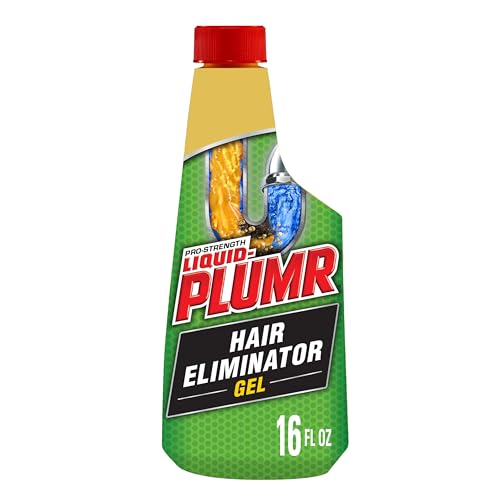
– You rely on harsh chemicals: Caustic drain cleaners may not dissolve hair and can be risky for plumbing materials. If you’re considering chemicals, follow the label exactly and avoid mixing products.
Here’s a practical comparison that helps you decide what to do next instead of guessing:
| Method | Pros | Cons / risks |
|---|---|---|
| Pliers + drain snake | Targets hair mechanically; least likely to compact the clog if used in cycles | Can be time-consuming for fully packed mats |
| Plunger | Can help with partial blockages and slow drainage | Often can’t “grab” hair the way a snake can; may just move water around |
| Chemical drain cleaner | Sometimes improves odors and light residue buildup | Hair typically remains intact; increased risk to finishes/materials if used repeatedly |
| Trap removal (P-trap cleaning) | Directly removes the mat at the source; best when backups persist | Messier; requires reassembly care to prevent leaks |
Honest Verdict: What Usually Works, and Who Should Skip DIY
For most bathroom hair clogs, the best results come from a two-stage plan: remove the accessible hair, then use a drain snake to pull the rest out in sections. The downside is that a fully packed mat—especially one that reaches the trap—can take multiple cycles or require trap removal.
Skip DIY (or stop and call a plumber) if:
– You see major leaks, cracked fittings, or water backing up in multiple fixtures.
– You can’t get the water moving after repeated snake passes and basic cleaning.
– Your setup is complex (tight spaces, hard-to-access trap) and you’re worried about damaging connections.
Also, if you’re tempted to solve the problem with chemicals “until it works,” pause: in most hair mat cases, the hair doesn’t truly dissolve—it just becomes more difficult to retrieve. Mechanical extraction remains the most controlled and least destructive strategy, which is especially relevant as plumbing materials and codes continue to emphasize maintenance access and safe repair practices.
Quick Hair-Clog Checklist (Save This)
Start with the checklist because it keeps you in the right order—remove what you can, then mechanically extract the rest, and only then consider deeper access.
| Step | What to Do | Done? |
|---|---|---|
| 1 | Clear the area, put towels down, get flashlight + gloves | ☐ |
| 2 | Remove drain cover/stopper and pull visible hair | ☐ |
| 3 | Use pliers to lift hair from the opening | ☐ |
| 4 | Snake in slowly; rotate and pull hair out in sections | ☐ |
| 5 | Flush with warm water between attempts | ☐ |
| 6 | If still blocked, access and clean the P-trap (bucket + towels) | ☐ |
Frequently Asked Questions
How do I remove hair clogs from a bathroom sink drain without calling a plumber?
Start by removing the sink strainer and using needle-nose pliers to pull out visible hair and debris. If the clog is deeper, try a drain hair removal tool or a plumbing snake designed for sinks, feeding it down until you feel resistance and then pulling hair out. Avoid pouring harsh chemicals repeatedly, since they can corrode some pipes and may not dissolve hair effectively.
What’s the best way to clear a shower drain clogged with hair?
Remove the drain cover or strainer and use a hair removal tool, zip-it style hook, or bent hanger to pull hair from the drain line. If water still won’t drain, use a plunger made for sinks/shower drains to create pressure and dislodge the clog. For tougher buildup, you can follow with hot water flushes in intervals (not boiling) to help move loosened hair and soap scum.
Why does hair build up in bathroom drains so quickly, and how can I prevent it?
Hair traps other materials like soap scum, skin oils, and shampoo residue, forming a dense mat that blocks flow. Prevention is usually the easiest: use a drain hair catcher/strainer, clean it regularly, and rinse with hot water weekly to reduce buildup. Regularly removing hair before it accumulates helps prevent the clog from turning into a hard, stuck obstruction.
Which household products can help break down hair clogs safely?
Hair clogs are often better removed mechanically than chemically because hair doesn’t truly dissolve easily. You can use enzyme-based drain cleaners, which are designed to break down organic buildup more safely than caustic chemicals, and they’re less likely to damage pipes. If you use any cleaner, follow the label directions and avoid mixing products—especially bleach and acids—since it can create dangerous reactions.
How do I use a drain snake or auger to remove a hair blockage in a bathroom drain?
Feed the drain snake carefully into the drain until you feel resistance, then rotate the cable while gently pulling back to catch and lift hair. Work slowly to avoid pushing the clog deeper, and keep a bucket or towel nearby to manage the debris as it comes out. After removing the hair, flush with hot water to confirm proper drainage and clear remaining residue.
📅 Last Updated: November 03, 2026 | Topic: How to Remove Hair Clogs From a Bathroom Drain | Content verified for accuracy and freshness.
References
- https://en.wikipedia.org/wiki/Drain_cleaning
- Plumber's snake
- Plunger
- Trap (plumbing)
- https://en.wikipedia.org/wiki/Cleanout
- Clog
- Drain
- https://scholar.google.com/scholar?q=how+to+remove+hair+clog+from+bathroom+drain Google Scholar
- https://scholar.google.com/scholar?q=hair+clog+drain+cleaning+methods+drain+snake+vs+chemical+safety Google Scholar
- https://scholar.google.com/scholar?q=plumbing+drain+clog+prevention+hair+and+other+debris Google Scholar
