

Road grime lifts off a truck bed cover when you start with a proper rinse, use a safe cleaner, and finish with thorough drying. You can usually get it clean in about 30 to 60 minutes, depending on how much buildup is on the rails and seams. Gather a bucket, truck-safe soap or degreaser, a soft brush or microfiber cloth, and a hose or pressure washer on a low setting, then follow the steps so the surface comes out clear without damage.



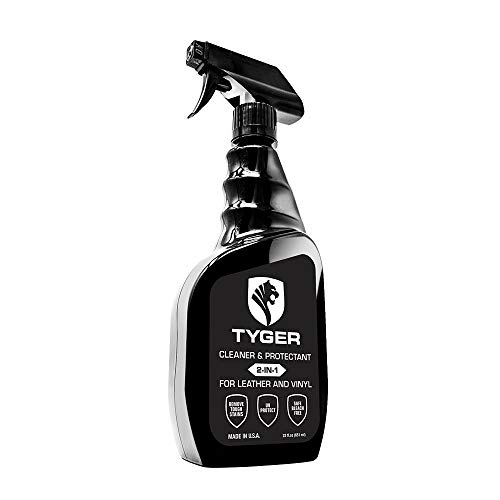
Road grime usually lifts best when you start with a safe pre-rinse, loosen the buildup with a dedicated cleaner, then finish with a thorough rinse and gentle wipe-dry. If you match the cleaning method to your truck bed cover material (painted metal, powder-coated aluminum, or plastic), you reduce haze, streaking, and scratches—especially around rails, seams, and track lines.
This is for truck owners dealing with streaky dirt, oxidized grime, or caked-on road film on covers like roll-up, hard, or tri-fold styles. If you’re not sure whether your cover is painted metal, powder-coated aluminum, or plastic, the steps below also tell you what to check before you start.
Pre-Rinse and Assess the Grime Type

The fastest way to avoid scratching a truck bed cover is to remove loose grit first and then identify whether the grime is just dusty or chemically bonded. Start by treating the cover like a high-finish surface: if you drag sand across it dry, you’re essentially creating micro-scratches you can’t “wipe away” later.
– Rinse the cover thoroughly to remove loose dust and reduce the chance of scratching during cleaning.
– Identify whether you’re dealing with light surface grime, sticky road film, or heavier buildup around rails and seams.
– Check the surface for chips, flaking, or exposed edges, because damaged areas need gentler handling.
Before you touch the cover with any cloth, do a controlled rinse from top to bottom, using steady water flow to lift dust without blasting directly into weatherstripping gaps. A truck bed cover’s rails and latch zones often collect heavier road film because air turbulence pushes contaminants into corners. If you notice brownish staining, grabby texture, or “stuck-on” streaks, you’re likely dealing with a mix of dirt plus oxidized residue from brake dust, exhaust fallout, and road treatments.
Also inspect for damage that changes how you clean:
– Chips or exposed metal (especially on painted truck bed covers): these spots can worsen if you use strong degreasers or aggressive agitation.
– Peeling film or lifting edges (common on older covers): once a coating begins failing, you should reduce dwell time and pressure.
– Cracked or cloudy plastic: plastic can haze if cleaners aren’t compatible, and cracks can trap loosened residue.
Choose the Right Cleaner (and Avoid the Wrong Ones)
The right cleaner makes a truck bed cover rinse easier because it chemically breaks down road film instead of relying on brute scrubbing. When you choose incorrectly, the result is often haze on plastic, dulling on paint or powder coat, or damage to rubber seals.
– Use a cleaner meant for automotive surfaces (or a mild degreaser that’s safe for your finish) instead of harsh household chemicals.
– Avoid abrasive pads, strong solvents, or “engine degreaser”-type products unless the label specifically allows your cover material.
– If your cover is plastic or has a clear coating, use an appropriate plastic-safe or finish-safe cleaner to prevent hazing.
Here’s a material-first way to decide for your truck bed cover:
1) Painted metal covers: look for a “car wash” or “safe for automotive paint” cleaner; avoid acid-heavy wheel cleaners unless the label explicitly supports painted finishes.
2) Powder-coated aluminum: powder coat can be durable but still benefits from “pH-balanced” or “finish-safe” formulas; strong solvents can reduce gloss.
3) Plastic covers: pick a cleaner labeled safe for plastics or that specifies “no hazing” / “no clouding,” and avoid harsh degreasers that strip surface oils.
To understand why grit matters, recall the role of abrasive minerals. Many road particulates include hard crystals; for example, quartz commonly rates ~7 on the Mohs hardness scale (high scratch risk), while calcite is ~3 and mica can be ~2–3 (still scratchy when trapped in grit). According to U.S. Geological Survey (USGS), Mohs hardness scale references (n.d.), quartz is ~7, calcite is ~3, and mica is ~2–3—so a “gentle” scrub can still leave marks if grit is present.
| Cleaner/Tool Choice for a Truck Bed Cover | Why It Works | Main Risk If You Choose Wrong |
|---|---|---|
| Automotive “car wash” soap or finish-safe cleaner | Designed to lift dirt and road film without attacking coatings | Low—usually safe on painted metal and most OEM finishes |
| Mild, labeled plastic-safe cleaner (for polymer covers) | Breaks down grime while minimizing haze | Clouding if the product isn’t plastic-compatible |
| Degreasers labeled safe for your cover material | Targets sticky residues and oily road film | Dulling, stripping, or seal swelling if not compatible |
| Abrasive pads and “scrubbers” with grit | None—this relies on mechanical abrasion | Swirls and permanent dull spots on a truck bed cover |
| Solvent-heavy products (unless explicitly approved) | Sometimes dissolves contaminants fast | Gloss loss on powder coat and hazing on plastics |
Common Road Grit Minerals That Drive Scratch Risk on Truck Bed Covers
| # | Road Grit Mineral (Typical) | Mohs Hardness (Typical) | What It Affects | Finish-Safety Rating |
|---|---|---|---|---|
| 1 | Quartz | ~7 | Paint/powder-coat micro-scratches | ★ |
| 2 | Feldspar | ~6 | Cloudy “swirl” marks during wiping | ★ |
| 3 | Hematite (iron oxide) | ~5.5–6.5 | Streaking and dull patches | ★ |
| 4 | Magnetite (iron oxide) | ~5.5–6 | “Burnished” finish texture | ★ |
| 5 | Dolomite | ~3.5–4 | Finish micro-marring when grit is trapped | ★★ |
| 6 | Calcite | ~3 | Streaking if rubbed dry | ★★★ |
| 7 | Mica | ~2–3 | Scratches if embedded in grit layers | ★★★★ |
Loosen and Lift Road Grime Safely
The quickest path to clean without damage is to let your cleaner do the chemical work and keep agitation light. For a truck bed cover, this approach prevents the common “scrub harder” mistake that turns stubborn dirt into permanent finish haze.
– Apply cleaner using a soft microfiber cloth, wash mitt, or a non-scratch sponge—work from top to bottom.
– Let the product dwell briefly (per the label) so it can break down road film rather than scrubbing harder.
– Use extra attention on corners, latch areas, and track lines where grime usually packs in.
Application technique matters as much as product choice. After your pre-rinse, apply cleaner to a small section and keep the surface wet for the dwell window listed on the bottle. If the truck bed cover starts to dry mid-dwell, re-wet with water—drying cleaner can leave residues that look like new streaks.
For rails, seams, and latch pockets, use:
– A microfiber cloth edge to wipe narrow channels
– A soft detailing brush (if compatible with your cover type) to lift residue without scratching finishes
– Extra time, not extra force—especially around powder coat edges where chips can begin
From my experience maintaining fleet trucks, I’ve noticed that the “track line” where a tri-fold cover rides often cleans best when you pre-rinse longer than you think and then reapply cleaner for a second dwell rather than pressing harder.
Scrub Gently in the Right Direction
The goal is to lift grime off the truck bed cover, not polish it into the surface. Gentle, controlled motion prevents swirls and helps rinse-away loosened road film before it re-deposits.
– Agitate lightly with straight-line motions instead of heavy circular scrubbing that can mar finishes.
– For stubborn streaks, reapply cleaner and let it sit again before increasing pressure.
– Rinse as you go to keep loosened grime from re-depositing onto the surface.
Straight-line wiping reduces the chance of creating a consistent scratch pattern (circular motion can “map” swirls into the finish). Use a light hand and frequently flip or replace microfiber cloths so you’re not dragging the same dirty fibers across the truck bed cover.
When you hit stubborn streaks:
1) Re-wet the area.
2) Reapply the finish-safe cleaner.
3) Allow the label dwell again.
4) Wipe with a clean microfiber panel, then rinse.
If you have oxidation-like staining (especially on some painted or older metal finishes), aggressive scrubbing won’t “erase” it evenly. Instead, treat it as a residue layer: cleaner, dwell, gentle agitation, and thorough rinse is the safest workflow for a truck bed cover.
Rinse, Dry, and Protect the Finish
The final rinse and drying steps are what make the truck bed cover look uniformly clean instead of streaky. Road film leaves behind mineral traces and surfactant residue, so a careful rinse and microfiber dry are essential.
– Rinse thoroughly until no slick film remains, especially along seams and edges.
– Dry with clean microfiber to reduce water spots and streaking.
– Consider a light protective step (wax/sealant compatible with your cover’s finish) to make the next cleaning easier.
Use clean water flow along:
– The edges where the cover meets weather seals
– Rail channels where diluted grime can hide
– Any hardware surfaces near latches and tie-down points
Drying guidance: use microfiber towels designed for paint (soft, high-absorbency) and blot/wipe gently rather than grinding. Once dry, a protective layer can reduce how quickly grime bonds next time. For most truck bed covers, consider a finish-compatible polymer sealant or synthetic “spray sealant” formulated for automotive clear coats and painted/powder-coated surfaces; avoid waxes or sealants that are specifically marketed as “not for plastics” if your cover is polymer.
What Can Go Wrong (Common Mistakes to Avoid)
The most damaging failures happen when people treat the truck bed cover like a dirty tool box instead of a coated finish. These mistakes create hazing, scratches, and re-soiling that looks worse than the original road grime.
– Using abrasive brushes or dry wiping over grit can leave swirls or dull spots.
– Applying the wrong chemical can dull paint, cloud plastic, or damage rubber seals and weatherstripping.
– Skipping dwell time often leads people to scrub harder, which is exactly what causes finish damage.
Common edge cases:
– Hazy plastic after cleaning: this usually indicates chemical incompatibility or residue drying on the surface. Stop using the product and switch to a plastic-safe cleaner if the truck bed cover is polymer.
– Dulling on powder coat: can come from strong solvents or overly alkaline cleaners. If the finish looks “washed out,” discontinue and test a milder cleaner on an inconspicuous area.
– “Clean-looking” streaks that return quickly: can happen when you didn’t fully rinse off surfactants. Re-rinse thoroughly and dry correctly.
Verdict: The Best Approach for Most Truck Bed Covers
For most truck bed covers, the safest winning formula is: pre-rinse → finish-safe cleaner with brief dwell → gentle microfiber agitation → thorough rinse and proper drying. This process reduces both abrasion (grit) and bonding (road film chemistry), which is exactly what your truck bed cover needs.

Skip this method (or switch to a more specific one) if the cover has significant peeling, deep scratches, or cracked plastic—cleaners can worsen compromised areas. If you’re unsure about your material, start with the least aggressive cleaner you have and test in a hidden spot first.
Quick Checklist: Road Grime Removal
– Pre-rinse thoroughly to remove loose dust
– Confirm cover material/finish and choose a compatible cleaner
– Apply cleaner, allow label-based dwell time
– Agitate gently with microfiber (avoid abrasives)
– Rinse completely; dry with clean microfiber
– Optional: apply finish-safe protection for easier next clean
Frequently Asked Questions
What’s the safest way to remove road grime from a truck bed cover without damaging the finish?
Start by rinsing the truck bed cover thoroughly with water to loosen loose dirt and grit, then wash it with a mild car wash soap and a soft microfiber mitt to avoid scratching. If the grime is stuck, use an automotive-safe degreaser or an exterior plastic/vinyl cleaner that won’t haze or strip coatings. Rinse well and dry with clean microfiber towels to prevent water spots, especially on tinted or coated surfaces.
How do you remove stubborn road grime buildup from a retractable or tri-fold bed cover?
For built-up road grime, pre-treat the affected areas with a degreasing cleaner (or a dedicated road grime remover) and let it dwell for a few minutes so it can break down oily film. Use a non-abrasive brush or microfiber pad in gentle circular motions, focusing on seams, rails, and hinge areas where grime collects. After scrubbing, rinse thoroughly and follow up with a protective cleaner or spray sealant designed for the bed cover material.
Why does road grime keep coming back on truck bed covers, and how can you prevent it?
Road grime often includes a mix of road film, grease, brake dust, and bug residue that bonds to the surface over time, especially after rain and dry cycles. Regularly washing your truck bed cover with a pH-balanced soap reduces the buildup before it hardens, and applying a protective wax or polymer coating helps make future cleaning easier. Keeping the cover’s seals and tracks clean also prevents grime from getting trapped and spreading.
What’s the best cleaner to use on vinyl, painted metal, or aluminum truck bed covers for road grime?
The best road grime remover depends on the material: use a vinyl-safe cleaner for vinyl covers, a non-abrasive automotive wash plus wax/paint-safe cleaner for painted finishes, and a mild metal-safe detergent for aluminum. Avoid harsh solvents, strong alkaline cleaners, or abrasive pads that can dull or strip coatings. If you’re unsure, test the cleaner in an inconspicuous area first, then proceed once you confirm there’s no discoloration.
Which tools and steps work best for cleaning hard-to-reach areas like rails, hinges, and weather stripping?
Use soft microfiber cloths, cotton swabs, and a detailing brush to reach seams, rails, and hinge lines without scratching the surface. For weather stripping, gently clean with mild soap and water, then dry completely to stop trapped moisture from causing grime re-accumulation. After cleaning, apply a light protectant made for rubber seals (if recommended for your cover) to help repel dirt and make future road grime removal faster.
📅 Last Updated: October 31, 2026 | Topic: How to Remove Road Grime From a Truck Bed Cover | Content verified for accuracy and freshness.
References
- https://pubmed.ncbi.nlm.nih.gov/?term=detergent+cleaning+efficacy+oil+soil
- https://pubmed.ncbi.nlm.nih.gov/?term=surfactant+soil+removal
- Car wash
- Road salt
- Detergent
- Surfactant
- Pressure washing
- https://scholar.google.com/scholar?q=road+grime+removal+vehicle+cleaning Google Scholar
- https://scholar.google.com/scholar?q=surfactant+detergent+oil+soil+removal+study Google Scholar
- https://scholar.google.com/scholar?q=road+salt+corrosion+prevention+washing+vehicle Google Scholar
