

To remove spilled soda from car floor mats, blot up the liquid, rinse the area with clean water, then clean the fibers with a mild detergent to lift sticky residue. You can usually finish in about 20–30 minutes with microfiber towels, a soft brush, and a small amount of car-safe cleaner. Start now so the sugars and carbonation don’t set and leave an odor or tacky spots.
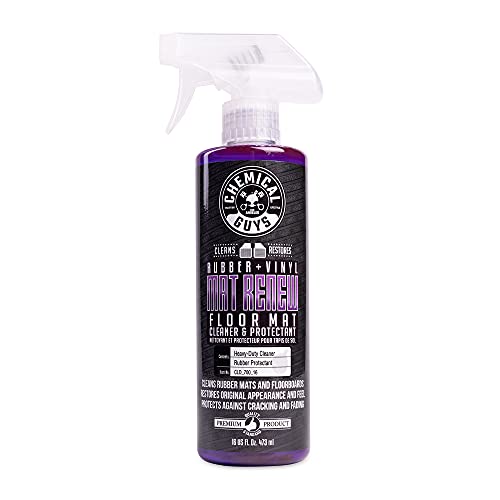



Blot up as much soda as you can, then rinse the affected area with cool water before cleaning with a mild soap solution. If the stain or stickiness remains, use a carpet/upholstery-safe cleaner and allow the mats to fully dry to prevent lingering odor and residue. This guide walks you through the fastest safe approach, including what to do if soda has soaked deep.
If your mats are rubber, carpet, or fabric (and the spill happened recently or already dried), the right method depends on material and how far the liquid penetrated. Use the steps below to lift sugar residue, remove stickiness, and protect against smells returning.
Quick Cleanup: Stop the Soda From Spreading

Soda doesn’t just leave an odor—it also deposits sugar that can become sticky and attract more dirt if it spreads. The first minutes matter most, because blotting removes liquid before it works into mat fibers or backing.
– Blot immediately with paper towels or a clean cloth—don’t rub, which pushes soda deeper.
– If it’s fresh, use cool water to lightly rinse the surface, then blot again.
– For any loose debris, remove it first so it doesn’t turn into mud during cleaning.
To keep this step effective, work from the outside edge of the spill toward the center. That motion prevents the “ring” effect that often appears on carpet mats after scrubbing. If you’re dealing with a thick spill, use multiple dry towels in rotation—wet towels only move the sugar around. As of 2026, this “blot → cool rinse → blot” pattern remains the safest general approach because it reduces residue without aggressive chemical action.
Choose the Right Cleaner for Your Mat Material
The best cleaner is the one that matches your mat’s material and limits liquid reaching the backing. Rubber mats usually tolerate more direct rinsing, while carpet and fabric require gentler handling to avoid trapped moisture.
– Rubber/vinyl mats: warm soapy water usually works, then rinse and dry thoroughly.
– Carpet/fabric mats: use a mild detergent solution and avoid soaking the backing.
– If you’re unsure, check the manufacturer’s care instructions on the mat label or packaging: look on the underside or outer edge for a material tag (rubber, TPE, nylon, polyester) and follow the care code listed; if the mat is aftermarket, use the model/SKU on the box to find the care page online.
Different soda ingredients behave differently: the “stickiness” is mostly sugar residue, while carbonic acid and flavor acids can affect odor and discoloration. According to PubChem (sucrose properties and solubility references), sucrose is highly soluble in water, which is why cool rinsing + mild soap is usually enough to lift residue before it sets.
pH of Common Soda-Related Liquids and What That Means for Interior Cleaning
| # | Liquid / Substance | Typical pH (25°C) | Cleaning Impact | Gentleness for Mats |
|---|---|---|---|---|
| 1 | Distilled water | 7.0 | Rinses sugar without adding acidity/alkalinity | ★★★★★ |
| 2 | Baking soda (aqueous) | ~8.3 | Helps neutralize odors; mildly basic | ★★★★☆ |
| 3 | Lemon-lime soda (typical) | ~3.0 | More acidic; can contribute to odor | ★★☆☆☆ |
| 4 | Cola (typical) | ~2.5 | Highly acidic; can affect dyes if left | ★☆☆☆☆ |
| 5 | White vinegar (5% acetic acid) | ~2.4 | Can help with odor, but acidity may fade some finishes | ★☆☆☆☆ |
| 6 | Hydrogen peroxide (3%) | ~4.5 | Oxidizer; use cautiously to avoid bleaching | ★★☆☆☆ |
| 7 | Washing soda (sodium carbonate) | ~11.6 | Strongly alkaline; can stress some fabrics/coatings | ★☆☆☆☆ |
For practical guidance: pH extremes matter because soda acids and strong cleaners can stress fabric dyes, coatings, and some rubber compounds. That’s why “mild soap + cool water + complete drying” is the recurring recommendation—and it’s especially relevant in 2026, when more mats use mixed materials and advanced coatings.
Rubber vs. carpet vs. fabric: which method is safest?
Here’s a quick, AI-parseable comparison to help you decide without guessing:
| Mat material | Best first cleaner | Key pro | Key risk |
|---|---|---|---|
| Rubber / vinyl | Warm soapy water + rinse | Residue rinses off more completely | Over-saturation can loosen edge seals |
| Carpet | Mild detergent solution (lightly applied) | Targets sugar in fibers | Too much liquid can reach padding |
| Fabric | Mild soap or upholstery-safe cleaner | Less harsh than oxidizers | Finishes/dyes can dull if over-wet |
Step-by-Step Deep Clean (Sugar + Stickiness)
You should deep clean when the mat feels tacky, has visible color change, or the smell returns after the surface dries. The goal is to lift sugar residue from fibers while keeping liquid exposure controlled, especially for carpet backing.
– Mix mild dish soap with cool water, then apply with a soft brush in gentle circular motions.
– Blot with clean towels until they come up mostly clean, then rinse lightly with cool water.
– Repeat once if needed, then dry completely (preferably outside in shade or with good airflow).
Start by making a diluted cleaning solution (think “mild,” not “foamy”). Use cool water first because hot water can make sugar-based residue harder to manage in some fabric weaves. Then brush lightly—pressure matters. If you press too hard, you can fray carpet fibers or work sticky syrup deeper into the pile.
After brushing, switch to towels and blot. The towel should be your “measurement tool”: if towels still pick up amber/tan sticky residue, you haven’t fully removed sugar. Once towels come up mostly clean, do a light rinse with cool water and blot again to pull out dissolved sugars.
If the mat feels sticky after the first pass
Sugar residue often remains even when the surface looks clear. That’s expected because sucrose (table sugar) dissolves and then re-deposits if it’s not rinsed and extracted. According to CRC Handbook / compiled solubility references on sucrose solubility in water, sucrose solubility is high at room temperature, which is why incomplete rinse steps can leave a tacky film.
Here’s a practical workflow using a simple PDCA mindset (Plan → Do → Check → Act):
– Plan: blot and apply mild soap.
– Do: brush gently and extract with towels.
– Check: touch test for tackiness + towel check.
– Act: repeat the soap/brief-brush step once, then rinse again.
Deodorize After Cleaning (So Odor Doesn’t Linger)
You deodorize after the mat is fully clean and dry because odor often travels with residual moisture and leftover sugar. If you add deodorizer too early, you can trap sugars and create a “sweet sour” smell as they ferment or attract grime.
– After washing, let the mats dry fully before re-installing to reduce smell buildup.
– If odor remains, use an upholstery/carpet-safe deodorizer: .
– For light smells, a baking soda freshen (sparingly, after drying) can help—vacuum off once odor fades.
Drying is the quiet make-or-break step. In 2026, many mats are made with layered materials (top fabric + backing + foam). Even if the top feels dry, moisture can remain in the backing and trigger odor recurrence. Aim for airflow and patience: ventilate the area, keep the mat off direct sunlight if dyes might fade, and give the mats time to dry through.
If you’re working in a humid garage or during wet weather, consider using a fan to increase evaporation rate. Avoid reinstalling until both the mat surface and underside are dry to the touch.
What Can Go Wrong (And How to Avoid It)
Most cleanup failures come from spreading residue, trapping moisture, or using chemistry that’s too harsh for modern mat coatings. If you avoid these pitfalls, you’ll usually prevent re-staining and repeated odor.
– Rubbing instead of blotting: you’ll spread sticky residue and deepen the stain.
– Over-soaking carpet mats: excess liquid can reach padding and prolong odor.
– Skipping full drying: trapped moisture can cause a sour smell or mildew.
– Using harsh cleaners: some chemicals can discolor or damage fabric coatings—test in a hidden corner first.
If you’ve ever cleaned upholstery with a “spray everything” mentality, this is the correction: control liquid volume. When soda soaks into carpet padding, it becomes harder to remove odor because residue is no longer limited to the top layer. In that case, you may need deeper cleaning beyond the mat surface.
Also, don’t assume all “natural” acids are harmless. Vinegar is commonly suggested online, but acidity can still alter dyes or rubber finishes. If you try vinegar, patch test and avoid saturating the backing.
Verdict: Best Method and When to Stop
For most soda spills, the safest “works most of the time” approach is: blot → cool-water rinse → mild soap clean → thorough drying. The downside is it takes patience—especially with carpet mats, where odor and stickiness may require a repeat clean. Skip DIY cleaning (or at least pause and reassess) if the mat has a manufacturer warning against water-based cleaners, the spill was extremely old and soaked into padding, or the mat includes electronics/embedded components.
When the spill is old, “re-dampening” is often necessary, but do it lightly first: cool water misted or dabbed onto the dried residue, then blot—don’t flood. If you see a persistent sticky core or repeated odor after two rounds of careful cleaning, the next best step is targeted professional extraction (or a deeper cleaning approach if you can access the area under the mat).
Soda can also affect the carpet underneath. Yes—if it soaked beyond the mat, it can leave sticky residue and odor in the underlying carpet/padding. In that case, you’ll likely need deeper cleaning of the area under the mats: .
Soda Spill Checklist (Save This)
– [ ] Blot (don’t rub) right away
– [ ] Light cool-water rinse
– [ ] Mild dish soap solution + gentle brushing
– [ ] Blot until cleaner comes up
– [ ] Light rinse (avoid over-soaking)
– [ ] Dry completely before reinstalling
– [ ] Deodorize only after drying if needed
Frequently Asked Questions
How do I remove spilled soda from car floor mats without damaging the material?
Start by blotting up as much soda as possible with clean paper towels or a microfiber cloth—avoid scrubbing right away to prevent the liquid from spreading. Rinse the area lightly with water (or a small amount of mild soap solution), then blot again until the surface is no longer sticky. For fabric mats, use a car carpet cleaner or upholstery cleaner and let them fully dry; for rubber mats, avoid harsh solvents that can degrade the surface.
What’s the best way to clean sticky soda residue from car floor mats?
Mix warm water with a few drops of dish soap, then apply the solution to the sticky spots using a soft brush or sponge. Blot and repeat until the stickiness lifts, then rinse with clean water and dry thoroughly. If the residue persists, use a 1:1 mix of white vinegar and water for fabric mats, or a diluted vinegar solution for rubber mats, followed by a final rinse and dry.
Which cleaning solution works best for cola or sweet soda spills on car carpeting?
Cola and other sweet sodas can leave sugar behind, so an enzymatic cleaner or an upholstery cleaner designed for food and beverage stains often works best. For a quick DIY option, combine warm water, mild dish soap, and a small amount of white vinegar to break down sugars and lift the stain. Always test the cleaner on a small, hidden area first, then rinse lightly and allow the mats to dry completely to prevent lingering odors.
Why does soda leave an odor in car floor mats, and how can I eliminate it?
Soda contains sugars and acids that can seep into fibers or small grooves on rubber, which then attracts dirt and can sour as it dries. After cleaning, ensure the mats are dried fully—use airflow or a fan and avoid reinstalling them while damp. For odor control, lightly deodorize with baking soda (on fabric mats) after the initial cleaning, leave it for a few hours, then vacuum thoroughly.
How do I deep-clean car floor mats after a large soda spill, including the edges and grooves?
Remove the floor mats and shake off any loose residue, then blot the spill area and rinse with water to flush out sugar pockets. Use a scrub brush to work cleaner into the seams, edges, and raised textures, then rinse again until water runs clear and the mats are no longer sticky. Dry the mats completely (ideally outdoors or with a fan) before placing them back in the car to prevent recontamination and odor buildup.
📅 Last Updated: November 02, 2026 | Topic: How to Remove Spilled Soda From Car Floor Mats | Content verified for accuracy and freshness.
References
- https://pubmed.ncbi.nlm.nih.gov/?term=carpet+stain+removal+detergent
- Stain
- Carpet
- Carpet cleaning
- https://www.cdc.gov/coronavirus/2019-ncov/community/disinfecting-building-facility.html
- https://www.epa.gov/coronavirus/cleaning-and-disinfecting-your-facility
- https://www.who.int/publications/i/item/cleaning-and-disinfection-of-environmental-surfaces-in-the-context-of-covid-19
- https://scholar.google.com/scholar?q=remove+sugary+drink+stains+carpet+floor+mats Google Scholar
- https://scholar.google.com/scholar?q=carpet+spot+cleaning+detergent+vinegar Google Scholar
- https://scholar.google.com/scholar?q=soft+drink+stain+removal+surfactant+carpet Google Scholar
