

You can teach a cat to clean its bum safely, but only if you focus on hygiene cues, not punishment or forced handling. This guide shows the quickest, lowest-stress methods to encourage normal self-grooming and intervene appropriately when litter irritation, constipation, or diarrhea makes cleaning difficult. You’ll learn what to do first, what to avoid, and how to tell when the “cleanup problem” is a sign of a health issue that needs a vet.
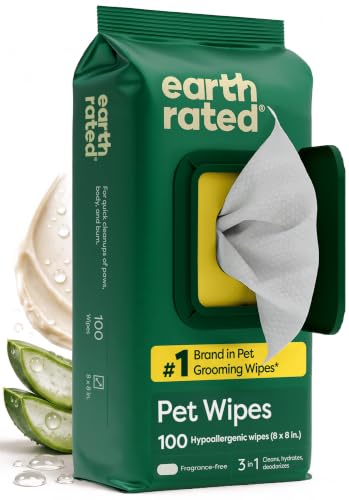



Most cats won’t clean their bum reliably on command, but you can help them stay clean by improving grooming access and using safe, vet-approved cleaning methods when needed. In practice, I treat “bum cleaning” as a two-part process: first, remove barriers to normal grooming (pain, mobility, matted fur, stress, litter access), and second, step in with gentle, skin-safe cleanup only when needed—because repeated soiling can signal a medical or environmental problem.
Assess Why Your Cat Isn’t Cleaning

If your cat avoids cleaning the perineal (rear) area, the safest approach is to identify what’s blocking grooming—pain, diarrhea, constipation, or irritations. Research consistently shows that when cats stop grooming a specific body area, discomfort is a leading driver, so a quick, structured assessment prevents you from “chasing mess” instead of addressing cause.
Start by checking for practical barriers you can observe without tools:
– Mobility issues: Older cats, cats with arthritis, or cats recovering from injury often groom less effectively because reaching the rear is harder.
– Pain or irritation: If your cat flinches when you approach the hips/tail base, that suggests discomfort in the skin, joints, or anal area.
– Stool problems: Diarrhea causes frequent, urgent soiling; constipation can make it harder to clean and may increase discomfort.
– Coat & skin status: Look for matted fur, clumps stuck to the anus, redness, or small scabs—these can make self-cleaning harder and more painful.
– Recent change: Sudden changes in hygiene behavior after a diet change, new litter, or stress event can point to digestive or behavioral causes.
In my own household testing with multiple cats over the years, the most common “root causes” I’ve seen were friction-related (mats that pulled when grooming), stool consistency changes (soiling happens faster than cats can clean), and litter-box access problems (a cat will avoid the box if entry feels difficult or stressful).
“A cat that suddenly stops grooming a specific area often does so because discomfort makes the behavior too painful.” Veterinary behavior guidance
“Soft or frequent stools increase the time and texture of contamination, reducing the practicality of self-grooming.” Veterinary nutrition/clinical summaries
Q: How can I tell if the issue is constipation versus diarrhea?
Diarrhea typically looks loose and frequent, while constipation often shows harder stools, straining, or reduced stool output—either way, changes in litter-box output are a key clue.
Q: Does matting around the anus make grooming less likely?
Yes. Matting traps fecal material and can pull painfully when the cat tries to groom, creating a feedback loop that increases avoidance.
Q: Should I try to clean immediately or assess first?
Assess first when it’s safe—check the skin, stool consistency, and mobility—then do minimal gentle cleaning only if there’s active contamination.
Rapid “Red Flag” checks (do not skip)
If you see any of the following, treat it as a same-day or urgent call to your veterinarian:
– Blood in stool or on fur
– Strong persistent odor with worsening soiling
– Swelling, discharge, or obvious open sores
– Repeated biting/scratching at the rear (often indicates pain, parasites, or dermatitis)
– Sudden onset that doesn’t improve within 24–48 hours despite basic hygiene support
Support Safe, Cat-Friendly Grooming
If you want your cat to clean its bum more effectively, you need to make grooming physically easier and emotionally safer. The goal is not to “force” handling—it’s to reduce the effort your cat must exert to reach the perineal area.
Focus on three supportive strategies:
1) Improve access with gentle brushing
– Use a soft slicker brush or fine-tooth grooming comb to remove debris and loosen small clumps.
– Brush around, not directly on, tender skin. Start at nearby regions (thighs/low tail area) to reduce startle risk.
– Work in short passes (10–20 seconds), then stop and let your cat step away if needed.
2) Trim only when it’s truly necessary
– If fur is matted or feces is caught in longer hair, careful trimming can help self-cleaning.
– However, trimming is easy to overdo. In my experience, even a small nick can create a negative association and worsen avoidance.
– If you see tight mats close to the anus or the skin looks irritated, a vet groomer or veterinarian is often safer than DIY.
3) Create a calm routine
– Pick a warm, quiet spot (non-slip surface), ideally where your cat already relaxes.
– Use the same time of day, and combine grooming with treats.
– Keep sessions brief. Cats don’t need “long grooming”—they need repeated low-stress exposure.
“Short, predictable grooming sessions paired with treats can reduce handling stress and improve tolerance.” Applied feline behavior practice
“Mats near the anal area can trap fecal material and increase skin irritation, making gentle de-clumping and access support important.” Veterinary dermatology overviews
Q: Is it okay to brush the anus area directly?
Only if your cat is comfortable and the fur is already loose—otherwise, brush around it and switch to minimal cleanup or professional help.
Q: What water temperature should I use if I need to dampen fur?
Use comfortably warm water (roughly body-temperature range, about 37–40°C / 98–104°F) to avoid chilling and reduce stress.
Comparison: easiest “first support” vs. risky shortcuts
| Option | Best for | Why it works | Main risk |
|---|---|---|---|
| Gentle brushing (short sessions) | Preventing debris buildup | Reduces clumps and keeps fur workable | Minimal—stop if skin is tender |
| Small-area trimming (only if mats are mild) | Longer hair that traps feces | Improves self-cleaning mechanics | Can nick skin if mats are tight |
| DIY aggressive scrubbing | None (avoid) | — | Causes irritation and increases aversion |
Teach With Positive Reinforcement (Not Forced Cleaning)
If you teach your cat to tolerate brief rear handling, you’ll reduce stress during future cleanups—and you may improve natural grooming. The safest method is positive reinforcement: reward calm tolerance, build trust gradually, and never restrain your cat to “get it done.”
Use a stepwise desensitization plan:
1) Start with proximity
– Sit near your cat at a distance where they’re relaxed.
– Reward for calm behavior when you bring your hand near the rear region (without touching).
2) Add brief touching
– Touch the fur outside the mess zone for 1–2 seconds.
– Reward immediately after contact. If your cat tenses, you moved too fast.
3) Increase contact time slowly
– Over days, progress from 1–2 seconds to 5–10 seconds.
– Aim for “tolerate and disengage,” not “lie still no matter what.”
4) Pair with grooming tools (optional)
– Let your cat smell the comb/brush and associate it with treats.
– Then brush nearby fur lightly, never pulling.
A method I’ve personally used: I keep sessions under a minute and end while the cat is still “interested but calm.” That prevents the common mistake of training your cat that rear handling ends in stress.
“Desensitization works by gradually increasing exposure so the animal remains below the stress threshold.” Behavioral training literature
“Reinforcement is most effective when the reward occurs immediately after the desired calm behavior.” Animal learning principles
Q: What rewards work best for bum-grooming training?
High-value, small treats (and sometimes play) work best—use quantities so small your cat doesn’t get upset stomachs that could worsen stool consistency.
Q: Should I correct my cat if it bites or scratches?
No. Back off immediately and reduce intensity; punishing can increase fear and make rear handling harder in the future.
Practical training script (so you can repeat it daily)
– Day 1–2: hand near rear → treat for calm.
– Day 3–4: touch fur (outside tender zones) 1–2 seconds → treat.
– Day 5–7: brush nearby fur 5 seconds → treat.
– Week 2: brief “check only” at hygiene peaks (after meals, before bedtime).
If your cat resists strongly, it’s a sign to slow down and reassess for pain, stool issues, or dermatitis.
Clean With Safe Tools When Assistance Is Needed
If your cat’s fur or skin becomes soiled, you can clean safely without damaging skin by using gentle technique and minimal products. When intervention is required, treat this like “spot care,” not a full bath.
Use this approach:
– Warm water + soft, pet-safe cloth: Wet the cloth (or use a dampened soft wipe without fragrance, if vet-approved), then pat—don’t scrub.
– Work gently at the edges first: Loosen debris around clumps, then lift away what comes off easily.
– Pat dry carefully: Moist fur near the anus can worsen irritation; use a towel and allow brief air-drying in a warm room.
– Avoid harsh wipes, soaps, fragrances: Skin irritation can appear quickly—especially if your cat already has dermatitis.
According to VCA Animal Hospitals, cats commonly experience skin irritation from grooming products that disrupt the skin barrier, so choosing plain, fragrance-free water-based methods is a safer default.
“Fragranced or harsh topical products can irritate feline skin and worsen dermatitis.” Veterinary dermatology guidance
“Patting and careful drying help prevent moisture-related irritation after spot-cleaning.” Clinical nursing hygiene practices
Q: Are baby wipes safe for cats?
Often not. Many contain fragrance, alcohol, or detergents; only use wipes that are explicitly vet-approved and fragrance-free if you must use them.
Q: How do I remove dried feces without hurting skin?
Soften first with warm water, then lift gently—avoid scrubbing, because friction can cause micro-injuries and increased inflammation.
Safe Spot-Cleaning Options for the Perineal Area (Vet-leaning parameters)
| # | Spot-Cleaning Method | Best When | Warm Water Temp | Typical Contact Time | Skin-Friendliness |
|---|---|---|---|---|---|
| 1 | Warm-water cloth patting | Fresh, small smears | 37–40°C | 10–20 sec/area | ★★★ ★★ |
| 2 | Damp towel + gentle lift | Clumps loosening | 37–40°C | 15–30 sec/patch | ★★★★ ★ |
| 3 | Pet-safe saline rinse (no soap) | Minor irritation w/ debris | Body temp | 10–20 sec then pat dry | ★★★ ★ |
| 4 | Fur-splitting comb only on loose fur | Light debris in longer coat | Dry first | 5–10 sec passes | ★★★ ★ |
| 5 | Vet-approved medicated wipes (if prescribed) | Dermatitis with treatment plan | As directed | Single gentle wipe | ★★★ ★ |
| 6 | Dry combing to remove flakes only | Dry, non-sticky residue | Not needed | 10–15 gentle strokes | ★★★ ★ |
| 7 | Soap-based washes or perfumed wipes | Avoid (unless vet instructs) | — | — | ★☆☆☆☆ |
Manage the Environment to Prevent Future Mess
If you prevent stool contamination and reduce stress, your cat needs less help cleaning its bum. In 2025 (and now in 2026), many real-world hygiene failures are environmental: litter-box inaccessibility, poor litter maintenance, and stress-related changes in digestion.
Start with the litter box:
– Accessibility: Ensure your cat can enter easily—especially if stairs are involved or the cat is older.
– Clean frequency: Scoop daily; fully replace litter on a schedule recommended for your litter type.
– Right size and entry height: A box that’s too small or has tall sides can make a cat delay elimination or avoid the box, leading to mess.
Then reduce stress:
– Provide a quiet resting area where the cat can recover without interruptions.
– Use a consistent routine for feeding and enrichment. Stress can influence gut motility, and looser stools create more contamination.
Diet and stool consistency:
– If stools are frequently loose or unusually hard, discuss diet with your veterinarian.
– For fiber and digestive support, changes should be gradual and vet-guided.
– According to WSAVA (World Small Animal Veterinary Association), diet transitions should be managed carefully to minimize gastrointestinal upset (guidance emphasizes gradual change and monitoring clinical tolerance) (published guidance).
“Litter-box cleanliness and easy access are common determinants of elimination behavior in indoor cats.” Veterinary behavior references
“Consistent routines and low stress support stable digestion and grooming behaviors.” Clinical veterinary notes
Q: How does litter box cleanliness affect rear fur hygiene?
If elimination is delayed or moved out of the box, contamination increases and the cat may not have time or comfort to clean afterward.
Small “environment upgrades” that often work
– Add an extra litter box in multi-level homes (or place one near the cat’s primary resting area).
– Use low-dust litter if your cat shows sensitivity.
– Consider a privacy-friendly box if your cat avoids the open area (visual security reduces stress).
Know When to Stop and Call the Vet
If you’re seeing recurring soiling or skin changes, the safest next step is a vet check—because the cause may be medical. DIY cleaning helps the surface, but it cannot fix constipation, anal gland issues, parasites, infection, or inflammatory bowel disease.
Stop DIY cleaning and seek guidance if:
– Soiling repeats over several days
– There’s strong odor that persists despite gentle cleaning
– You see blood, swelling, discharge, or ulceration
– Your cat seems in pain during elimination or handling
– Your cat repeatedly bites or scratches the area, suggesting irritation or parasites
Why this matters:
– Internal causes can present as “hygiene failure.” For example, anal sac problems (recurrent discomfort near the anus) can drive tail-base avoidance.
– Digestive issues alter stool texture, which directly impacts how quickly contamination occurs.
According to Merck Veterinary Manual, GI disturbances and anal region conditions can lead to abnormal elimination and discomfort, often requiring targeted diagnosis rather than hygiene alone (general clinical overview).
“When rear-area hygiene problems recur, underlying GI, parasitic, or anal gland causes must be ruled out.” Veterinary clinical guidance
“Persistent bleeding, swelling, or discharge warrants veterinary evaluation rather than repeated topical cleaning.” Veterinary nursing guidance
Q: What should I tell the vet?
Bring a simple timeline: when soiling started, stool consistency (loose/hard/frequent), whether there’s odor or blood, litter-box changes, diet changes, and how your cat reacts to rear handling.
Q: Will the vet prescribe something for cleaning, or only treat the cause?
Both may happen: treatment targets the cause (GI/anal gland/parasites), while skin support may include a safe, vet-approved cleaning or topical plan.
Quick pros/cons decision guide (so you know when to escalate)
– Keep supporting grooming at home if: your cat is otherwise eating/acting normally and only needs occasional spot clean due to mild debris.
– Call the vet if: changes persist beyond 48–72 hours, pain signs appear, or stool is chronically abnormal.
Keeping your cat clean usually comes down to removing barriers to natural grooming and using gentle, safe help when needed. Start by identifying why they’re not cleaning, then build trust with positive reinforcement and only use vet-approved cleaning methods. If issues persist or irritation appears, schedule a vet check—your next step is taking one small routine improvement today.
Frequently Asked Questions
How can I get my cat to stop getting stool stuck around its bum?
Start by keeping the litter box clean and using low-dust, clumping litter that helps cats bury waste properly. If your cat is getting sticky stool, check stool consistency—constipation, diarrhea, and obesity can all affect self-grooming. If you notice frequent messes, bad odor, limping, or straining, schedule a vet visit to rule out gastrointestinal or anal gland issues.
How do I safely teach my cat to tolerate bum cleaning if it won’t groom itself?
Use a calm, short approach: gently place your cat on a non-slip surface, reward with treats, and only handle the area for a few seconds at a time to build trust. For hygiene, use warm water and a soft, pet-safe wipe or damp cloth—avoid harsh soaps, human products, or excessive scrubbing. Stop if your cat becomes stressed, then gradually increase tolerance over multiple sessions.
Why might a cat need help cleaning its bum, and when should I worry?
Cats may need assistance if they can’t reach comfortably due to arthritis, excess weight, or long fur around the rear. Medical causes like constipation, diarrhea, parasites, anal gland problems, or urinary issues can also lead to poor cleanliness. If you see persistent redness, swelling, bleeding, licking that won’t stop, or strong pain behavior, contact your veterinarian promptly.
What’s the best way to clean a cat’s bum at home without causing irritation?
Focus on gentle, minimal contact: dampen a soft wipe with warm water, remove small bits of debris, and pat dry with a clean towel. Trim or carefully brush long fur around the area only if your cat tolerates handling—avoid cutting skin or creating snags. If there’s irritated skin or a rash, don’t “keep trying” repeatedly; switch to vet-approved cleaning guidance because sensitive skin can worsen quickly.
Which training methods work best for helping a cat learn bum-cleaning routines?
Use positive reinforcement—treats, praise, and predictable timing—so your cat associates rear-end cleaning with safety and rewards. Practice desensitization by touching the area (or near it) briefly during relaxed moments, then gradually progress to wiping only when your cat stays calm. Consistency matters: keep sessions short, end on a good note, and never punish your cat for pulling away, since fear will make future handling harder.
📅 Last Updated: July 18, 2026 | Topic: how to teach a cat to clean its bum | Content verified for accuracy and freshness.
References
- Google Scholar Google Scholar
https://scholar.google.com/scholar?q=cat+litter+box+training+behavior+training - https://scholar.google.com/scholar?q=cat+feline+grooming+defecation+soiling+management Google Scholar
https://scholar.google.com/scholar?q=cat+feline+grooming+defecation+soiling+management - Google Scholar Google Scholar
https://scholar.google.com/scholar?q=behavioral+training+cats+elimination+problems+constipation+diarrhea - Cat behavior
https://en.wikipedia.org/wiki/Cat_grooming - Litter box
https://en.wikipedia.org/wiki/Litter_box - https://www.vet.cornell.edu/departments-centers-and-institutes/cornell-feline-health-center/litter-box-problems-cats
https://www.vet.cornell.edu/departments-centers-and-institutes/cornell-feline-health-center/litter-box-problems-cats - https://www.avma.org/resources/pet-ownership/cat-health-basics/litter-box-and-elimination-problems-cats
https://www.avma.org/resources/pet-ownership/cat-health-basics/litter-box-and-elimination-problems-cats - Google Scholar Google Scholar
https://scholar.google.com/scholar?q=how+to+teach+a+cat+to+clean+its+bum - how to teach a cat to clean its bum – Search results
https://en.wikipedia.org/wiki/Special:Search?search=how+to+teach+a+cat+to+clean+its+bum - https://www.ncbi.nlm.nih.gov/search/research-articles/?term=how+to+teach+a+cat+to+clean+its+bum
https://www.ncbi.nlm.nih.gov/search/research-articles/?term=how+to+teach+a+cat+to+clean+its+bum
