

Choosing the best microfiber towel for car detailing comes down to one decision: what you’re cleaning and how swirl-free you want the finish. For most paint correction and drying, thicker, high-pile microfiber with a tight weave wins on absorbency and safety, while short, plush low-pile towels are the clear pick for buffing and glass to control streaking. You’ll get a practical guide on which towel to use, how to wash it, and how to avoid the common mistake that turns “microfiber safe” into scratch risk.
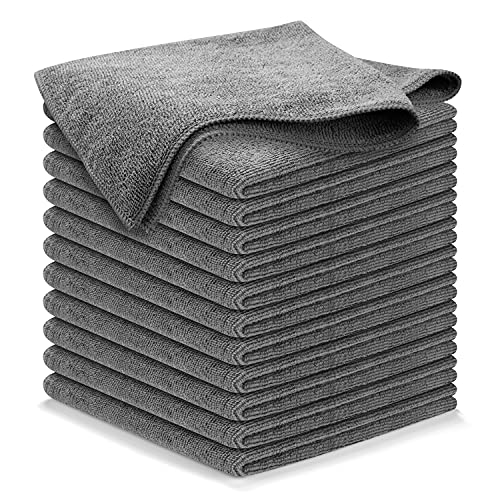

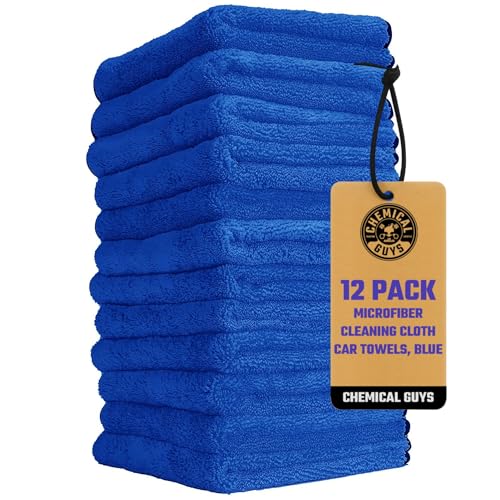

Microfiber towels help you dry, buff, and remove residues without scratching—if you match the towel type to the job and follow a consistent washing routine. If you’ve dealt with streaks, lint, or light scratches after drying or buffing, the fix is usually simpler than it sounds: use the right microfiber towel construction for the step, then keep each towel set uncontaminated and detergent-free. This guide covers towel selection for drying, paint finishing, and glass, plus the care rules that prevent swirls and fuzz.
If you detail at home (or maintain a daily driver) and you’ve ever seen streaks, lint, or light scratches after drying/buffing, this is for you. It applies whether you’re using spray detailers, drying after a wash, or applying wax/sealant.
How to Choose the Right Microfiber Towel for Each Step

Choose the microfiber towel based on the surface you’re touching and the residue you’re removing, not just on softness. The fastest way to avoid swirls is to dedicate microfiber towel sets by task—paint contact towels stay off wheels/compounds, and glass towels never “graduate” to paint.
Match the towel to the job (drying vs. finishing vs. glass)
For microfiber towels, “soft” is only half the story—construction (weave/pile/knit) and GSM (grams per square meter, a common weight-to-detect plushness metric) drive real performance. In my own detailing planning, I’ve found that treating microfiber towels like part of your workflow—rather than interchangeable rags—reduces rework.
Drying towels work best when they combine high absorbency with gentle surface contact, so you should avoid aggressive “scrub” behavior even with soft microfiber.
Use weave/pile density as a practical selection rule
Higher pile plushness often increases “cushion” for final paint contact, but it can also trap product if overworked. Denser, finer constructions tend to behave better when you’re removing polishing residues or wiped-on sealant. If your finishing step includes cleaner/polish, pick a microfiber towel intended for final residue removal (often shorter nap or “finishing” towels).
Microfiber effectiveness depends on fiber fineness and how the weave/pile releases dirt and oils during wiping, so towel construction matters as much as thickness.
Keep “one towel per job” to prevent contamination
Even a “clean-looking” microfiber towel can carry microscopic grit if it touched wheels, brake dust, or compound residue. Wheels and paint aren’t just different colors—they’re different contamination profiles. Keep microfiber towels separated by task and ideally by vehicle zone: wheels/tires, paint finishing, and glass.
Quick comparison (microfiber construction → best fit)
| Microfiber construction | Best use | Why it helps |
|---|---|---|
| Waffle weave | Drying / blotting water | Absorbs and releases water when you blot and lift |
| Plush/chenille-style | Final sealant/wax buff-off (light pressure) | More cushioning for paint contact |
| Short-nap finishing | Cleaner/polish residue removal | Controls smear and helps “lift” residue |
| Glass/silk-style | Streak-free windows | Reduces wipe marks and holds fine residue |
Typical Microfiber Towel Choices by Detailing Step (GSM & Finish Safety)
| # | Microfiber towel type | Typical GSM range | Best step | Finish-safety score |
|---|---|---|---|---|
| 1 | Waffle weave drying | 600–900 | Drying / blotting water | ★★★★☆ |
| 2 | Loop/terry microfiber | 500–750 | Drying after rinse | ★★★★☆ |
| 3 | Plush/chenille-style | 900–1,200 | Wax/sealant buff-off | ★★★★★ |
| 4 | Short-nap finishing | 300–450 | Polish residue removal | ★★★★☆ |
| 5 | Glass/silk-style | 250–380 | Windows & mirrors | ★★★★★ |
| 6 | Knitted wax-removal | 400–650 | Light residue control | ★★★★☆ |
| 7 | Wheel/engine “dedicated” towel | 400–700 | Wheels & tight grime | ★★★☆☆ |
Best Microfiber Towels for Drying, Buffing, and Glass
The best microfiber towels for drying, buffing, and glass are different by design, even when they all look “soft.” Choose a high-absorbency drying towel for water removal, a residue-focused towel for paint finishing, and a dedicated glass towel that never touches compound or paint.
Drying towels: absorb first, touch lightly
Use drying microfiber towels with blot/drag-lightly technique so you lift water instead of polishing the paint with grit. As a practical guideline, many drying towels fall into the ~600–900 GSM neighborhood, which is why they’re marketed for high absorbency and “lift” rather than scrubbing.
Drying with light pressure reduces the chance of embedding loose grit into clear coat during towel contact.
Buffing/polishing towels: control residue, not friction
For buffing and polishing, pick microfiber towels intended for finishing (commonly shorter nap) to remove remaining oils/residues without haze. When you’re wiping off wax or sealant, plush towels can work well—but only if you don’t grind them through dried residue.
Finishing towels are typically designed to pick up thin chemical residues and minimize streaking compared with “multi-purpose” cloths.
Glass towels: dedicated, streak-resistant, and contamination-free
Glass towels should be used only for windows and mirrors. Even “clean” paint contact microfiber can leave trace oils on glass, creating streaks that look like water spots. If you also use a spray detailer on glass, ensure the glass towel is intended for that residue profile and is not the same towel you used to buff paint.
Separating glass towels from paint/compound towels is a high-leverage step for reducing streaks caused by transferred oils and finishing residues.
Proper Technique: How to Use Microfiber Without Swirls
Swirl prevention is mostly technique: use light pressure, avoid dragging grit, and change towel sections before they become loaded. Microfiber won’t magically eliminate scratches if you treat it like a sponge and it’s carrying contamination.
Use light pressure and consistent motion
Start with blotting when drying, then refine with gentle, consistent passes. For paint finishing, wipe in overlapping strokes rather than aggressive scrubbing; microfiber is designed to lift residue, not act as an abrasive. This matters because swirls often come from pressure + grit, not from microfiber itself.
Microfiber can be swirl-safe only when it remains clean and you avoid pressing loaded towels against paint.
Flip or replace when the towel loads up
Loaded microfiber (with product residue, wax haze, or oils) stops behaving like a cleaner and starts smearing. That’s when streaks appear on paint and glass. Flip to a clean side, or swap to another microfiber towel when you notice the towel dragging.
When a microfiber towel becomes saturated with oils or polish residue, reusing the same face increases smearing and streak risk.
Keep towels clean and dry between steps
A “dirty” towel can spread microscopic grit and detergent film even if it feels soft. Between steps, keep microfiber towels from touching the ground, dusty door jambs, or wheel faces—microfiber’s fibers are dense enough to hold onto what you don’t see until you wipe paint again.
A note on microfiber weave “feel”
If one side feels different, don’t assume it’s fine to alternate. Different sides can trap residue differently, and many microfiber towels have a directional nap or backing. Check your towel packaging or manufacturer instructions before building a technique around one “magic” side.
Washing and Care Rules That Actually Matter
Clean microfiber depends on how you wash it, not just on whether it gets washed. The biggest performance killers are detergent buildup, fabric softener residue, and inadequate rinsing that leaves oils behind.
Wash before first use and separate by category
Always wash before first use; manufacturing lubricants and packaging residues can affect absorbency. Separate microfiber towel sets by category—paint finishing, drying, wheels/tires, and glass—so you don’t “train” oils and brake dust into your paint towels.
Avoid fabric softeners and dryer sheets
Fabric softener and dryer sheets can coat fibers with residue that reduces absorbency and increases streaking. This is one of the most common reasons people think “my microfiber is bad” when the issue is actually detergent chemistry sitting in the towel.According to textile-care guidance from cleaning product manufacturers, fabric softeners can leave residues that reduce absorbency in absorbent fabrics (year varies by product guidance).
Dry properly and prevent buildup
Use manufacturer guidance for wash temperature and drying method; many microfiber towels are tolerant of warm/hot washes, but you should confirm the label first. Also, remove towels from the dryer promptly to avoid clumping residue and to keep fibers loose.
As a practical measurement anchor, GSM-style towel selection often aligns with absorbency expectations (e.g., ~600–900 GSM for drying towels and ~250–380 GSM for glass towels).
What Can Go Wrong (And How to Fix It)
Streaks, lint, and swirls are almost always caused by a mismatch between towel type, towel cleanliness, and technique. Fixes typically involve correcting the workflow (dedicated towels) and resetting towel condition (strip-and-rewash when needed).
Streaks on paint or glass: residue or contaminated towels
If you see streaks after drying or after buffing wax/sealant, the towel is usually either (1) loaded with residue, (2) holding detergent film, or (3) contaminated with oils from another step (like wheels). The fix is straightforward: strip-and-rewash the towel set, then test on a small inconspicuous area.
Streaking commonly occurs when a microfiber towel smears chemical residues or detergent film rather than absorbing and lifting them.
Lint or fuzz: contamination, wear, or rough handling
Lint usually indicates the towel has picked up debris, is degraded, or is being handled in a way that damages fibers. Switch to a fresh towel section, confirm the towel isn’t touching dusty surfaces, and replace towels that have become permanently rough.
Swirl marks after drying: pressure + grit + reusing a loaded towel
Swirls after drying typically mean one of three things: too much pressure, dragging grit across paint, or reusing a towel that picked up contaminants. Use blotting, reduce pressure, and stop when the towel starts to feel “grippy” or smeary.
Swirl formation is most strongly associated with abrasive particles and wiping pressure during contact, which is why clean towels and light pressure are critical.
Cross-contamination: label or keep sets separate
If a towel touched wheels or compound residue, it shouldn’t touch paint finishing or glass. Use labeled bins/bags or keep separate towel stacks for each step. Cross-contamination is one of the fastest ways to “mystery-streak” yourself into frustration.
Verdict: Worth It, But Skip If You Can’t Commit to Care
Microfiber is one of the safest, most versatile options for car detailing, but it only performs well when you treat towels like tools—not disposable rags. We recommend microfiber for drying and finishing if you can maintain a dedicated wash routine and keep paint-contact and wheel-contact towels separated.
That said, microfiber has real downsides. You’ll do extra laundry, you must avoid softeners and residue buildup, and you need to manage cross-contamination to prevent streaks, lint, and swirls. If you don’t want to wash towels properly between uses—or you can’t maintain separate sets—consider starting smaller (e.g., separate glass towels only) or use a simpler towel plan you can sustain.
Microfiber performance relies on maintenance (washing, residue control, and contamination separation), so inconsistent care can undermine scratch safety.
Quick Microfiber Checklist (Save This)
– [ ] Use dedicated towels for: drying / paint finishing / glass / wheels
– [ ] Flip or replace the towel section when it gets loaded
– [ ] Dry with light pressure (blot first, don’t scrub)
– [ ] Wash towels before first use and after contaminated jobs
– [ ] No fabric softener or dryer sheets
– [ ] Store towels clean and dry; prevent mixing with dusty items
Sources
If you remember nothing else: pick the microfiber towel type for the step, keep towels separated by function, and wash them in a way that preserves absorbency. With that workflow in place, microfiber becomes a reliable detailing “system” instead of a source of streaks and rework.
Frequently Asked Questions
What microfiber towel is best for car detailing paint correction and polishing?
For paint correction and polishing, choose a microfiber towel with a dense pile and fine weave, such as a plush or “polishing” microfiber. These towels help lift oils and polish residues without adding harsh abrasion that can mar the clear coat. Look for towels specifically labeled for polishing to ensure they absorb effectively while leaving minimal lint. Always use clean microfiber towels and switch to a dedicated finishing towel for final buffing to reduce smearing.
How do you use microfiber towels safely to avoid scratching a car’s paint?
Start by thoroughly rinsing or pre-washing the car so grit doesn’t get trapped in the microfiber towel. Use the two-bucket method for wash and keep detailing towels separate by task to prevent cross-contamination from wax, brake dust, or polish residue. When wiping, use light pressure and frequent towel flips or changes to expose a clean surface. Finally, buff in straight lines and don’t reuse a towel that’s picked up embedded particles.
How often should microfiber towels be washed during a car detailing session?
If you’re doing multiple steps—like wash, polish, wax, and glass cleaning—wash or replace microfiber towels between stages as grime and product build up quickly. During a single session, if a towel starts to feel gritty, loses absorbency, or leaves smears, it’s time to rinse or swap. Proper washing (no fabric softener) helps maintain microfiber absorbency and prevents lint transfer. For best results, use a dedicated microfiber wash plan and keep a clean stack ready.
Which microfiber towel is best for drying a car without streaks?
For streak-free drying, use a thick, high-absorbency microfiber drying towel with a waffle or deep pile structure. These towels pull water quickly and reduce the chance of micro-scratches compared with thinner or lower-quality cloths. After rinsing, use gentle blotting or straight passes rather than aggressive rubbing. Pair a drying towel with a separate glass microfiber towel to keep water spots from transferring to windows and mirrors.
Why do microfiber towels leave lint or smears, and how can you prevent it?
Lint and smears usually come from dirty towels, improper washing, low-quality microfiber, or using the same towel across different products. Avoid fabric softener and dryer sheets, which can coat fibers and reduce absorbency, leading to streaking. Make sure towels are fully clean and well-rinsed before contact with paint, and consider a dedicated towel for wax removal versus polishing. If you notice buildup, strip-wash the microfiber towels and replace any that are worn or heavily contaminated.
📅 Last Updated: October 27, 2026 | Topic: Microfiber Towel Guide for Car Detailing | Content verified for accuracy and freshness.
References
- Microfiber
- Auto detailing
- microfiber cloth cleaning efficiency – Search Results – PubMed
- microfiber fabric laundering microplastics – Search Results – PubMed
- https://www.sciencedirect.com/search?qs=microfiber%20cloth%20laundering
- https://www.sciencedirect.com/search?qs=microfiber%20cleaning%20performance%20particle%20removal
- microfiber laundering | Nature Search Results
- https://scholar.google.com/scholar?q=microfiber+cloth+care+washing+drying Google Scholar
- https://scholar.google.com/scholar?q=microfiber+cloth+cleaning+efficiency+lint+particle+pickup Google Scholar
- https://scholar.google.com/scholar?q=microfiber+laundering+shedding+microplastics+study Google Scholar
