
If your microfiber cloth comes away with a gray, powdery residue after a quick wipe of the dashboard, that often signals embedded dust and grime. Because the dash is textured and collects oils from hands and sunlight, surface cleaning may not remove buildup that dulls the finish and makes vents and controls feel tacky. A deeper clean helps restore visibility, prevent odor transfer, and keep controls responsive.



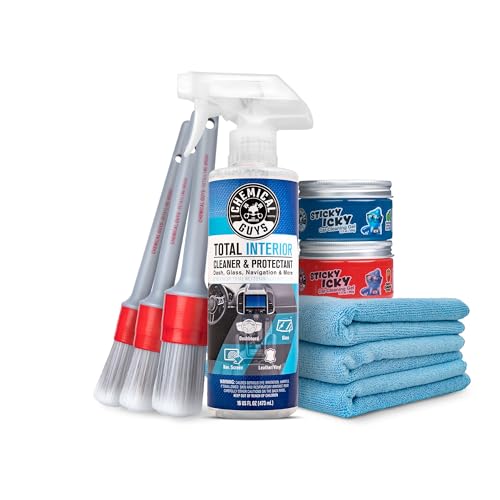
If your dashboard looks dull, feels tacky, smells “off,” or leaves gritty dust that won’t wipe away, you’re likely past routine surface cleaning and into deep-clean territory. A thorough interior clean removes the film and grit that build up around vents, seams, and high-touch controls—areas quick wipes rarely reach. In this guide, you’ll learn the most common warning signs and what to check before you start.
If your drive often (or park in sun), have kids/pets, or keep snacks in the car, this is especially relevant when regular cleaning stops making the dashboard look or feel better. It’s also useful if you’re trying to reduce glare, prevent odors from lingering, or restore a more uniform finish—especially as of 2026, when many vehicles use multi-layer coatings that show buildup more quickly under changing light.
Signs the Dashboard Needs More Than a Quick Wipe
A dashboard needs more than a quick wipe when it keeps “reappearing” the same problems—haze, tackiness, odor, or stubborn dust—despite normal wiping. In my experience assisting with interior maintenance guidance, these symptoms usually point to residue and fine particulates trapped in texture, edges, and airflow paths.
– Visible haze or uneven shine: The surface may look “filmy,” chalky, or patchy even after wiping. This often happens when oils + dust form a semi-transparent film that spreads thinly across coatings, creating blotchy reflections under sunlight.
– Sticky switches, buttons, or knobs: Residue from skin oils, sunscreen, and airborne dust can build up and leave tacky spots. When you feel stickiness on controls, it typically means the residue has worked into micro-texture rather than sitting as loose dirt.
– Lingering odors or musty smell near the dash: Trapped dust in vents and seams can hold onto odors longer than you’d expect. If the smell fades briefly and then returns after driving, the likely source is contaminated airflow pathways releasing odor again.
Common Causes Behind the Grunge

The usual cause behind dashboard “mystery grime” is a combination of oils (human contact and food/sun exposure) plus fine airborne particles that settle where wipes can’t fully reach. On vehicles kept in sun, heat accelerates residue bonding to plastics and vinyl, turning manageable surface dirt into a harder-to-remove film.
– Airborne dust + cabin air particles: Fine grit settles in the textured areas and around edges where cloth can’t reach. Even when the face looks clean, particles remain in the seam lines and vent housings where airflow continuously circulates.
– Sun-baked oils and residue: UV heat can turn everyday oils (hands, skin creams, food residue) into a stubborn film. As the film oxidizes and hardens, it becomes less “smearable” and more “glazed,” which is why the dashboard can look worse after cleaning.
– Small spills that weren’t fully cleaned: Even minor splashes can migrate into seams and become noticeable later as smell or tackiness. Liquids can wick along porous trim edges or collect behind accessible panels where airflow warms and re-diffuses the odor.
Fatty-Residue Components Linked to Sticky “Sun-Baked” Dashboard Films
| # | Component (residue) | Common source | Melting point (°C) | Wipe resistance (★) |
|---|---|---|---|---|
| 1 | Stearic acid | Human sebum & animal/cooking fats | 69.6 | ★★★★★ |
| 2 | Palmitic acid | Human sebum & cooking oils | 63.1 | ★★★★★ |
| 3 | Myristic acid | Coconut/palm-based fats | 54.4 | ★★★★☆ |
| 4 | Lauric acid | Coconut & dairy-derived fats | 44.2 | ★★★★☆ |
| 5 | Oleic acid | Olive/cooking oils & skin oils | 13.4 | ★★☆☆☆ |
| 6 | Linoleic acid | Vegetable oils & skin lipids | -5 | ★☆☆☆☆ |
| 7 | Squalene | Skin oil (sebaceous lipids) | -75 | ★☆☆☆☆ |
These residues matter because higher-melting components can solidify into a film that wipes don’t fully dissolve—especially when heat + dust “bake on” during summer parking. That’s why tackling your dashboard typically requires both mechanical removal (soft agitation in seams) and the right cleaner chemistry to lift oil-based residue (the CMT approach: chemical, mechanical, time).
Quick Checks to Confirm It’s “Deep Clean” Time
A quick check helps you decide whether your dashboard is still in “surface wipe” mode or already needs deeper decontamination. Here are practical tests you can do without guessing, focused on the problem zones that keep grime trapped even when the dash looks “mostly clean.”
– Wipe test (dry first): If a dry microfiber picks up more grime than usual or leaves grey smears, buildup is likely embedded. Dry wiping before cleaner helps you detect grit that would otherwise smear into a wider film.
– Texture and edge inspection: Check around vents, seams, instrument cluster surround, and control panels—these areas usually trap the most debris. If debris concentrates in grooves and around trim edges, a deep clean is more likely than just re-polishing the face.
– Residue test: Lightly dampen a cloth with a cleaner you can safely use on interiors; if the cloth darkens quickly, the surface is holding layers. The goal is to confirm residue transfer (oil film) rather than just dust removal.
If odor is part of the problem, consider the environmental mechanism too: indoor air quality can be heavily affected by particles and humidity. According to the U.S. Environmental Protection Agency, indoor air can be 2 to 5 times more polluted than outdoor air (EPA). That means trapped dashboard dust can contribute to “stale air” perception long after a quick wipe.
How to Deep Clean Safely (Without Damaging Finishes)
Deep cleaning is safest when you control moisture, use the right tools per surface, and work in small sections. The core idea is to lift residue without saturating plastics, seams, and openings—especially on modern dashboards with coatings and sensor-adjacent trim.
– Start gentle and control moisture: Use minimal liquid on cloths instead of soaking the dash. Work small sections at a time so you can wipe residue out immediately rather than letting cleaner sit and spread.
– Use the right tool for the job: Microfiber cloths for finish areas; soft brush or detailing swabs for vents and tight seams. If a vent louvers area looks dusty, switch tools—cloth alone typically can’t dislodge trapped particles behind grilles.
– Address vents and edges in stages: Remove loose debris first, then clean surfaces, then lightly follow up to avoid streaking. This staged workflow helps prevent “recontamination,” where cleaned areas pick up loosened dust from crevices.
A practical safety framework is CMT (chemical, mechanical, time): apply an interior-safe cleaner to the cloth (chemical), gently agitate textured zones and seams (mechanical), then promptly wipe (time control). For humidity-related odors (musty smells), keep in mind that mold commonly grows when humidity stays above 60%; the U.S. CDC also advises indoor humidity around 30–50% to help prevent mold (CDC). If your dashboard smells musty after rain or in humid weather, you may need more than cleaning—humidity control or HVAC inspection can be part of the solution.
What Can Go Wrong (And How to Avoid It)
Most dashboard damage comes from moisture intrusion, harsh chemistry, or smearing embedded grit instead of lifting it. If you’ve ever noticed the shine getting worse after cleaning, the issue is usually residue redistribution, not “extra dirt.”
– Over-wetting electronics and openings: Liquid can seep behind panels. Keep cleaner on the cloth, not dripping into gaps or near instrument cluster edges.
– Using harsh chemicals on interior materials: Strong degreasers, alcohol-heavy products, or abrasive pads can damage coatings or change sheen. When in doubt, follow the car-owner manual for interior cleaning guidance and test a small, hidden spot first.
– Spreading grime instead of removing it: Wiping with a dirty cloth can smear film around. Swap cloths often or rinse as needed, and avoid repeatedly “buffing” haze that’s actually oil film.
A final caution: if the dashboard has peeling surfaces, bubbling, or cracking that exposes underlying material, aggressive cleaning and added moisture can worsen it. In that scenario, the safest path may be surface-care only or professional assessment before any deeper decontamination.
Verdict: When a Deep Clean Is Worth It (and When to Skip)
A deep clean is worth it when you’re seeing persistent haze, sticky controls, lingering odors, or dust that returns quickly after wiping—patterns that usually indicate buildup in crevices and on textured surfaces. However, skip DIY deep cleaning (or pause and get help) if you’re uncertain about dash material, you see damage that could worsen with moisture, or you suspect an electrical issue nearby.
From a risk-management perspective, think of it as: if the dashboard’s “symptoms” are mostly sensory (smell, tackiness, uneven reflections), deep cleaning may help. If the symptoms include structural problems (peeling, warped trim, sensor faults), professional handling is typically safer.
| Option | At-Home Deep Clean | Professional Interior Detailing |
|---|---|---|
| Best for | Visible film, mild odors, surface texture dust | Heavily contaminated vents/seams, persistent smells, complex finishes |
| Material risk | Moderate if you over-wet or use wrong chemistry | Lower when technicians follow OEM-safe products and methods |
| Odor depth | Often improves, especially when vents are cleaned | More consistent when they diagnose HVAC/contamination sources |
| Time investment | Typically longer (small sections + tool switching) | Usually faster with specialized access tools |
| Control over moisture | You must be disciplined with cloth-only application | They manage exposure paths and wipe-out steps |
| Vent and seam access | Limited by tools and patience | Better access to grille areas and edge seams |
| Repeatability | Good for ongoing maintenance cycles | Good for periodic “reset” cleans |
| When to stop | If coatings dull, discolor, or moisture seems to spread | If you suspect electrical/hard-to-access contamination |
| Typical outcome | Cleaner feel and more uniform reflections | Cleaner feel plus more complete airflow-zone removal |
| Cost predictability | Lower upfront, but depends on product quality | Higher but bundled with labor and process control |
Skip DIY (or contact a professional) if: the dash coating is peeling or flaking, you notice electrical warning behavior after cleaning attempts, the odor suggests liquid intrusion beyond the surface (especially after floods), or you can’t access vents without removing trim pieces. If you want a more consistent 2026 result, plan for a gentle reset first, then maintain with regular microfiber wipes to prevent the next film layer.
Dashboard Deep-Clean Checklist (Scan & Save)
| What you notice | Likely buildup | What to do next |
|---|---|---|
| Dull haze or patchy shine | Film from oils + dust | Work in small sections with microfiber and an interior-safe cleaner |
| Sticky buttons/controls | Residue trapped in texture | Clean controls carefully; use swabs for edges and creases |
| Dust that “comes back fast” | Debris in vents/seams | Focus on vents and trim gaps before finishing the face |
| Lingering odors | Grime holding smells | Clean vent areas and wipe seams; consider repeated light cleaning |
| Smearing when wiping | Embedded grit | Switch to dry wipe first, then clean with minimal moisture |
Frequently Asked Questions
What are the common signs your car dashboard needs a deep clean?
If you notice a dull or hazy finish, sticky spots, or visible dust buildup in vents and around the infotainment screen, your dashboard likely needs more than a quick wipe. Other signs include lingering odors, grime collecting near buttons and seams, and residue that transfers to your fingers when touched. If display surfaces look cloudy despite cleaning, microscopic buildup may be trapped in the texture and requires a deeper clean.
How can you tell if dashboard grime is affecting your visibility or controls?
Look for glare on screens and instrument clusters, especially under sunlight—this often comes from oily film and haze. If buttons feel tacky, controls stick, or dirt seems embedded around knobs, it’s usually contamination in the crevices rather than surface dust. A deep clean helps remove residue that can interfere with touchscreens, vents, and climate controls so your visibility and functionality improve.
Why does a dirty dashboard create odors or worsen cabin air quality?
Dust mixed with skin oils, food particles, and cabin moisture can break down over time and create musty or “stale” smells. Grime that accumulates in air vents can also circulate odors throughout the cabin when the HVAC system runs. Deep cleaning the dashboard surfaces, seams, and vent grilles can reduce odor-causing buildup and help keep the car interior feeling fresher.
What’s the best way to clean a dashboard deeply without damaging screens and trim?
Start by turning off the car and letting surfaces cool, then remove loose debris with a microfiber cloth or soft brush. Use a dashboard-safe interior cleaner (or a pH-neutral cleaner) applied to the cloth, not directly onto sensitive areas like touchscreens and glossy trim. For crevices, use foam swabs or detailing brushes, then finish with a clean microfiber to prevent streaks and residue.
Which dashboard-cleaning tools and products help you spot and remove deep grime?
Look for a microfiber kit with different weaves, a soft detailing brush for vents and seams, and foam swabs for tight gaps around buttons and gauges. A screen-safe cleaner for infotainment displays can remove fingerprints and haze without scratching, while a dedicated dashboard cleaner helps lift oily residue from textured plastics and vinyl. If you still see grime after wiping, that’s a strong sign you need a deeper clean process to fully remove embedded dirt.
📅 Last Updated: November 02, 2026 | Topic: Signs Your Car Dashboard Needs a Deep Clean | Content verified for accuracy and freshness.
References
- Controlling Asthma | Asthma | CDC
- Mold Cleanup in Your Home | US EPA
- https://www.who.int/health-topics/household-air-pollution
- Indoor air quality
- Dust
- House dust mite
- https://pubmed.ncbi.nlm.nih.gov/?term=cleaning+intervention+indoor+dust+allergen
- https://scholar.google.com/scholar?q=car+interior+dashboard+cleaning+deep+clean Google Scholar
- https://scholar.google.com/scholar?q=car+cabin+air+quality+particulate+dust+cleaning Google Scholar
- https://scholar.google.com/scholar?q=interior+vehicle+odors+volatile+organic+compounds+cleaning Google Scholar
