
To effectively disinfect high-touch areas and reduce allergens, utilize EPA-approved disinfectants and establish a regular cleaning routine. This not only minimizes the presence of harmful allergens but also promotes a healthier environment for everyone. High-touch surfaces, often overlooked, serve as breeding grounds for allergens and pathogens. By implementing proactive measures and utilizing effective cleaning tools, you can significantly improve indoor air quality and the overall well-being of those in your space.

Understanding High-Touch Areas
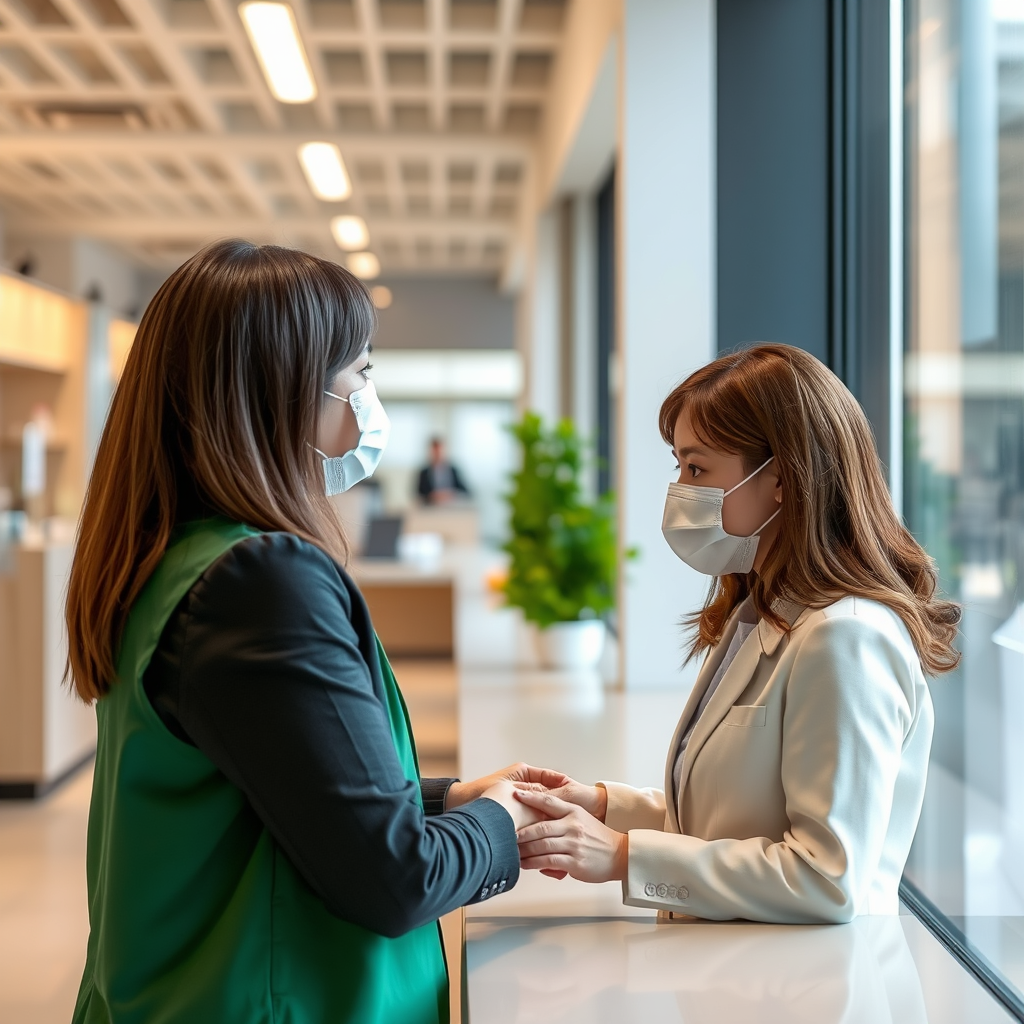
High-touch areas are defined as surfaces that are frequently contacted by individuals, leading to an accumulation of germs, allergens, and dirt. Common examples include doorknobs, light switches, remote controls, countertops, and elevator buttons. These surfaces can easily transfer allergens such as dust, pollen, and pet dander, which can exacerbate allergy symptoms, particularly in sensitive individuals. For instance, a study conducted by the American Academy of Allergy, Asthma & Immunology highlights that regular disinfection of high-touch surfaces can significantly reduce allergen levels in the home, resulting in fewer allergy flare-ups and improved respiratory health.
Understanding the nature of high-touch areas is crucial for effective disinfection. It is essential to recognize that these surfaces are not only hotspots for germs but also can accumulate various allergens over time. This awareness can lead to more focused cleaning efforts and a more profound impact on the quality of the indoor environment.
Essential Disinfecting Tools
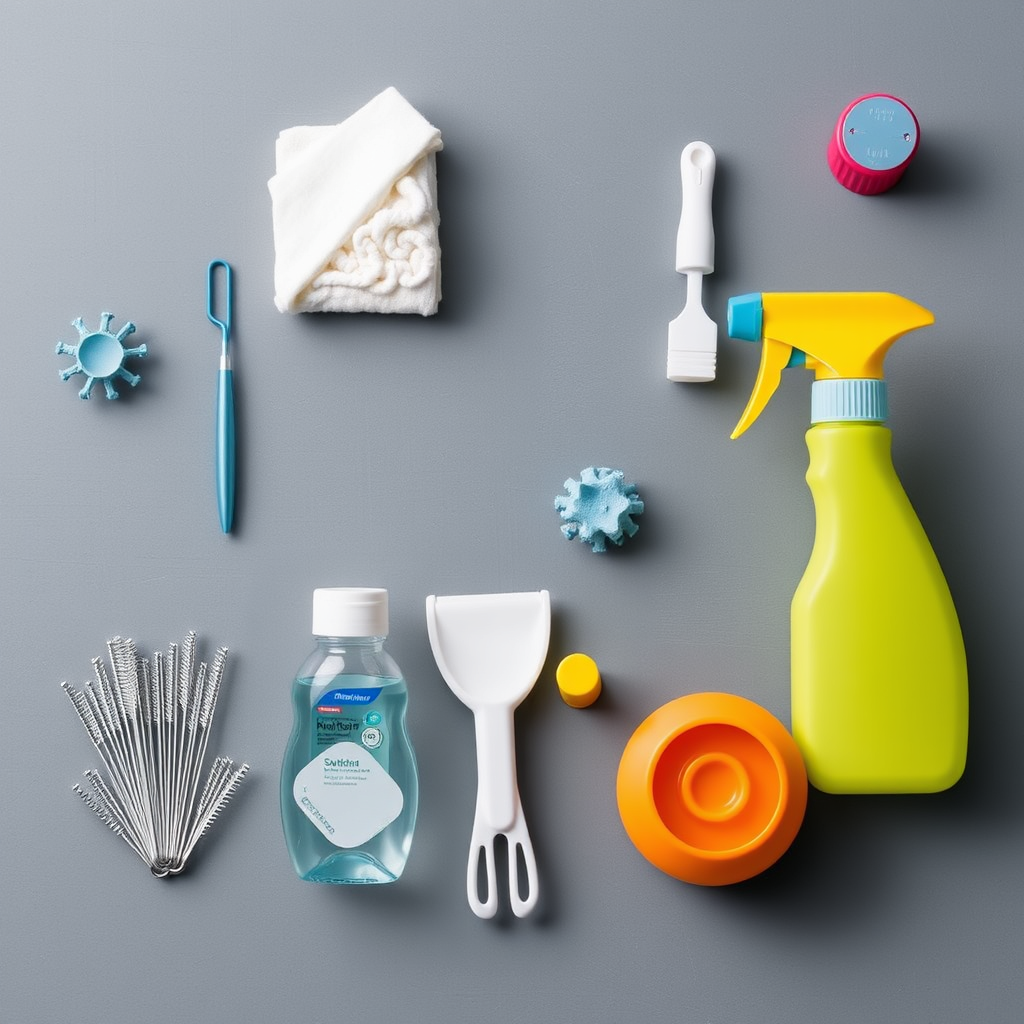
To combat allergens effectively, it is vital to equip yourself with the right disinfecting tools. The first and foremost tool is EPA-approved disinfectants. These products have undergone rigorous testing to determine their effectiveness against various pathogens and allergens. When selecting a disinfectant, look for labels that specify its efficacy against allergens, viruses, and bacteria. Popular options include hydrogen peroxide, quaternary ammonium compounds, and sodium hypochlorite. Always follow the manufacturer’s instructions for use to maximize their effectiveness.
Another essential tool is the microfiber cloth. Unlike traditional cleaning materials, microfiber cloths are designed to trap dirt, dust, and allergens rather than just move them around. Their unique fibers can penetrate small crevices and effectively capture particles, making them ideal for cleaning high-touch areas. Additionally, microfiber cloths are reusable and can be washed, making them an environmentally friendly choice.
Proven Disinfection Techniques
Implementing proven disinfection techniques can enhance the effectiveness of your cleaning routine. One effective method is the two-step process: first, clean surfaces to remove any visible grime, dust, or debris; then, apply the disinfectant. Cleaning before disinfection is crucial because dirt and organic matter can reduce the efficacy of disinfectants. For example, if you were to disinfect a surface that is still dirty, the disinfectant might not reach the pathogens effectively, rendering the cleaning effort less effective.
Moreover, pay attention to the contact time required for disinfectants. Each product has a specific dwell time—the amount of time the surface should remain wet with the disinfectant to achieve maximum effectiveness. This can vary from a few seconds to several minutes, depending on the product. Ensure that you keep the surface moist for the recommended time to guarantee thorough disinfection and allergen elimination.
Best Practices for Reducing Allergens
To maintain a low-allergen environment, it is essential to establish a regular cleaning schedule. This should include daily disinfection of high-touch areas, especially in shared spaces such as kitchens, bathrooms, and offices. Consider implementing a checklist that outlines specific areas and frequencies for cleaning tasks, ensuring that no high-touch surface is overlooked.
In addition to regular cleaning, air quality control can greatly enhance your efforts to reduce allergens. Utilizing air purifiers equipped with HEPA filters can significantly decrease airborne allergens, such as dust mites, pollen, and mold spores. By improving air quality, you complement your cleaning routine, leading to a healthier indoor environment. Regularly changing HVAC filters and keeping windows open for ventilation when possible can also help in maintaining optimal air quality.
Must-Know Tips for Home and Office
Educating all occupants about the importance of cleaning high-touch areas is crucial. Whether in a home or an office, sharing cleaning schedules and allergen information can foster a collective responsibility toward maintaining cleanliness. Consider placing reminders in common areas about the importance of hand hygiene and prompt reporting of spills or messes.
Another significant consideration is the use of fragrance-free cleaning products. While scented cleaners may provide a temporary feeling of freshness, they can contain irritants that may trigger allergies or asthma in sensitive individuals. Opting for unscented or natural cleaning products can help reduce the risk of allergic reactions, ensuring a healthier environment for everyone.
Top Mistakes to Avoid
While disinfecting high-touch areas, it is essential to avoid common mistakes that can undermine your efforts. One critical error is neglecting overlooked areas—these include light switches, faucet handles, and the backs of door knobs. Many individuals focus solely on visibly dirty surfaces, but these often-missed areas can harbor significant amounts of allergens and germs.
Another significant mistake is inconsistent cleaning. Skipping cleaning sessions or failing to adhere to a regular schedule can lead to allergen build-up over time, worsening allergy symptoms. To avoid this, consider creating a cleaning calendar or utilizing reminders to ensure that disinfection becomes an ingrained habit.
In conclusion, effectively disinfecting high-touch areas is crucial for minimizing allergens and fostering a healthier living or working space. By committing to a consistent cleaning routine using the right tools and techniques, you can significantly improve indoor air quality and promote overall well-being. The knowledge of high-touch areas and their potential to harbor allergens empowers you to take action. Start your cleaning regimen today to protect yourself and those around you, ensuring a safer and healthier environment for all.
