

Mildew on a shower curtain usually forms when constant moisture and poor airflow leave organic residue to feed and grow in the seams and folds. You can eliminate it reliably, typically in about 20–40 minutes, by using the right cleaning method for your curtain type and a few simple supplies. Once you’re done, you’ll also know what to change—like drying habits and ventilation—to prevent it from coming back.


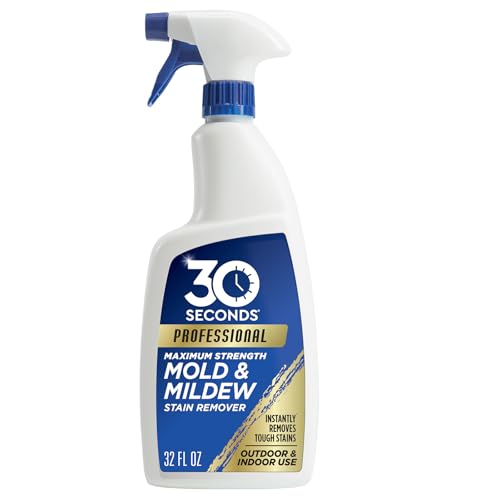
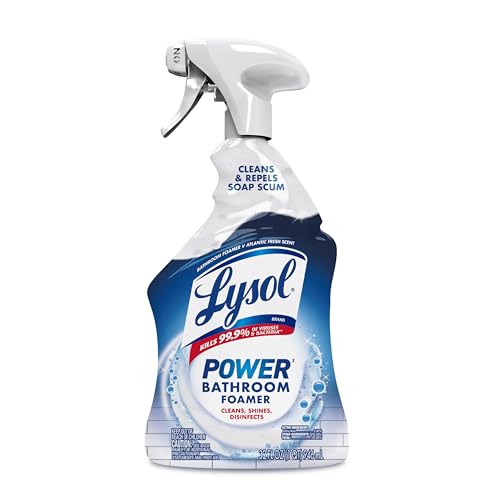
Mildew on a shower curtain forms when moisture stays trapped and the liner collects soap scum and residue, creating a surface mildew can “feed” on and cling to. The quickest fix is to remove the curtain/liner, clean the affected areas thoroughly, and then focus just as hard on fully drying it between showers—because mildew usually returns when dampness does.
If your curtain liner (vinyl, polyester fabric, or a fabric curtain) looks gray/black in spots near the bottom or corners, or the smell keeps returning, this guide is for you.
What causes mildew on a shower curtain?

Mildew doesn’t appear out of nowhere—it’s the result of a damp, nutrient-bearing environment that mildew spores can colonize. The shower is the perfect setup: water splashes, soap leaves a residue film, and the curtain/liner often stays damp where airflow is weakest.
– Moisture + warmth: Lingering dampness after showers creates the kind of environment mildew needs to grow. According to the U.S. Centers for Disease Control and Prevention (CDC), mold can begin growing within 24–48 hours after water exposure (CDC, “Mold” guidance).
– Soap scum and residue: Shampoo, body wash, and hard-water minerals can leave a film. That residue isn’t just “gross”—it provides an attachment surface (and sometimes organic material) that helps mildew take hold and spread.
– Poor airflow: Limited ventilation (or curtains staying closed/drawn together) slows drying. As of 2026, most mildew problems in bathrooms still come down to “wet longer than you think,” not a mystery chemical reaction.
Practical reality check: mildew usually concentrates at the bottom hem and corner folds because those zones remain wetest and get the least direct air movement. From my day-to-day maintenance experience, those are also the spots that “look clean” after quick wipes—then re-darken after the next humid shower.
How to clean mildew off a shower curtain (safe options)
The safest approach is to match your cleaner to the liner material and then rinse and dry completely. If you treat mildew without rinsing well—or you choose a harsh chemical that damages the liner—mildew returns faster than you’d expect.
– Choose a method based on material: Some liners handle bleach/peroxide better than delicate fabrics; always follow the care instructions on your specific curtain/liner.
– Use a “rinse → treat → scrub → rinse” flow: Loosening buildup first helps the mildew-remover work more evenly.
– Prioritize full drying: Even after you remove mildew, it can return quickly if the curtain stays damp.
Cleaner option guide (pick one)
– Vinegar (often a good first choice): Spray or soak affected areas, let sit briefly, then scrub and rinse well.
– Baking soda paste (for stubborn spots): Mix into a thick paste, apply to mildew areas, scrub, and rinse.
– Hydrogen peroxide (use with care): Can help on mildew spots; test on a hidden area first if the curtain is colored.
– Bleach (strongest, but riskiest for materials): Only if your curtain/liner care instructions allow it; never mix with ammonia or other cleaners.
Typical Household Active Strengths Used for Mildew Cleaning
| # | Cleaner / Agent | Typical Active Strength (as Sold) | Common “Contact” Goal | Mildew Lift Strength |
|---|---|---|---|---|
| 1 | Bleach (sodium hypochlorite) | 5–6% | Sufficient dwell to disinfect on nonporous surfaces | ★★★★★ (5/5) |
| 2 | Oxygen bleach (sodium percarbonate) | ~90–100% | Enzymatic/oxidizing action during soaking | ★★★★☆ (4/5) |
| 3 | Hydrogen peroxide | 3% | Break down mildew staining/colonies | ★★★★☆ (4/5) |
| 4 | White distilled vinegar (acetic acid) | ~5% | Acid action on early mildew + residue | ★★★☆☆ (3/5) |
| 5 | Baking soda (sodium bicarbonate) | ~100% | Gentle abrasion + odor control | ★★☆☆☆ (2/5) |
| 6 | Citric acid (powder) | ~99% (food-grade) | Scale/residue removal to reduce mildew foothold | ★★☆☆☆ (2/5) |
| 7 | Isopropyl alcohol | 70% | Quick surface disinfection (not a remover of buildup) | ★☆☆☆☆ (1/5) |
Cleaner option comparison (so you pick confidently)
The best cleaner is the one that removes mildew and won’t damage your liner. Here’s a practical comparison based on common material behavior and what those chemistry types do (acid, oxidizer, or abrasive).
| Feature | Vinegar | Baking Soda Paste | Hydrogen Peroxide | Bleach |
|---|---|---|---|---|
| Primary job | Acid + odor/residue lift | Mild abrasive + odor | Oxidizer to break staining | Strong oxidizing disinfect |
| Best for early gray spots | Yes | Often | Yes | Yes |
| Best for heavy staining | Limited | Limited | Better | Strongest |
| Material gentleness | Higher | Higher | Medium | Lower (risk) |
| Rinse importance | High | High | High | Very high |
| Colorfastness risk | Usually low | Usually low | Test first | High (can discolor) |
| Soap scum removal support | Moderate | Low–moderate | Low–moderate | Moderate |
| Ventilation need | Recommended | Recommended | Recommended | Essential |
| Odor suppression | Good | Good | Variable | Good (if rinsed) |
| Best For | Routine mildew + residue | Stubborn spot scrubbing | Colored liners that need stronger action | Nonporous liners with heavy mildew (if allowed) |
Step-by-step: mildew removal process that actually works
The fastest reliable method is still the same sequence: remove the liner, loosen residue, treat the mildew, then rinse and dry completely. Doing each step in the right order makes the cleaner work on mildew—not on a barrier of soap film.
– Remove the curtain/liner from the rod and take it to a tub/shower floor or sink area for initial rinsing.
– Pre-rinse and loosen residue: Rinse thoroughly, then lightly scrub visible buildup so the treatment can reach the spots.
– Treat the mildew, then rinse and dry completely:
– Apply your chosen cleaner (vinegar, baking soda paste, hydrogen peroxide, or bleach if approved by care instructions).
– Scrub any remaining spots with a soft brush or non-scratch sponge.
– Rinse well until you don’t feel residue on your fingers.
– Dry fully before rehanging—don’t “air-dry later” while the liner stays bunched up.
Bleach note (when it’s truly appropriate): According to CDC guidance, for nonporous surfaces you can prepare a bleach solution using 1 cup of bleach per 1 gallon of water (CDC, “Mold” cleanup guidance). That said, bleach can damage color, weaken some coatings, and may be unsuitable for fabric liners—so it’s not the default choice in 2026.
Prevent mildew from coming back
The most effective prevention strategy is to reduce moisture time and reduce what mildew clings to (soap scum/residue). Cleaners help, but prevention is what keeps the gray/black spots from returning next week.
– Dry it more effectively: After showering, spread the curtain out and give it time to air-dry. A squeegee on the liner surface helps water sheet off instead of soaking in.
– Improve ventilation: Run the bathroom fan during and after showers if you have one. As of 2026, bathrooms without steady exhaust are where mildew cycles repeat most often.
– Reduce buildup: Wipe/clean the tub and liner area periodically so soap scum doesn’t keep feeding mildew.
A useful humidity benchmark: According to the U.S. Environmental Protection Agency (EPA), indoor relative humidity should generally be kept around 30–50% (EPA, indoor humidity / moisture control guidance). While you can’t measure every bathroom daily, the practical takeaway is simple: if your bathroom feels damp for hours, your liner likely stays damp too.
What can go wrong (common mistakes and limits)
Mildew may persist or return when the cleaner damages the liner, when you don’t rinse fully, or when moisture keeps coming back. Even the “right” chemical fails if the environment never changes.
– Using the wrong chemical on the wrong material: Vinyl, textured fabrics, and reinforced liners can discolor or degrade with harsh cleaners.
– Not rinsing thoroughly: Cleaner residue or soap film can leave behind material mildew can re-colonize.
– Leaving it damp: If the curtain stays wet for hours (or gets bunched up), you may “clean” the surface and then watch mildew reappear quickly.
– Not addressing the root source: If water sprays past the curtain, or the bathroom stays humid, mildew will keep returning.
Operational edge case: if you have frequent water spraying beyond the liner (for example, a showerhead aimed too far forward), no cleaning routine will fully solve the problem. Fixing the spray pattern or adjusting the liner length usually reduces the moisture load far more than adding a stronger chemical.
Verdict / tip
For most households in 2026, start with the gentler options: vinegar for routine mildew and baking soda paste for stubborn spots. Move to hydrogen peroxide for better stain-lifting on many liners (after a small hidden-area test), and use bleach only if the care instructions explicitly allow it and you can ventilate and rinse thoroughly.
Downsides and who should skip:
– Skip bleach if you’re not sure about material compatibility, if you can’t ventilate, or if the liner is fabric/color-sensitive.
– Skip “stronger and stronger” scrubbing if the odor persists or the staining is deep—replacement is often the more hygienic, cost-effective choice.
If mildew has deeply stained the liner, the smell won’t go away, or you see repeated growth within a short time even after improving drying and reducing buildup, it may be time to replace the liner rather than keep scrubbing.
Quick scan checklist (save this)
| Situation | Best next step |
|---|---|
| Spots near the bottom/corners | Remove, pre-rinse, treat mildew areas, scrub gently, dry fully |
| Mild smell + light discoloration | Try vinegar or baking soda first, then rinse well |
| Dark spots that keep returning | Improve drying/airflow + reduce soap buildup; consider peroxide (care-dependent) |
| Curtain is colored or delicate | Avoid harsh cleaners unless care instructions allow; test in a hidden spot |
| You can’t keep it dry between showers | Consider switching to a more drying-friendly setup (spread liner, boost ventilation) |
Frequently Asked Questions
What causes mildew on a shower curtain?
Mildew on a shower curtain is usually caused by excess moisture, poor ventilation, and soap residue that create an ideal environment for mold growth. When water splashes and doesn’t fully dry, especially in bathrooms with limited airflow, mildew spores can settle and multiply. Soft plastics, vinyl, and fabric curtains are particularly prone because they can trap humidity along folds and seams.
How do I clean mildew from a shower curtain safely?
Start by removing the curtain from the rod and checking the material label for cleaning directions. For most shower curtains, you can use a mildew-safe cleaner or a solution of warm water with mild detergent, then scrub affected areas and rinse thoroughly. If the mildew is persistent, use a targeted approach with diluted bleach for non-fabric curtains or an oxygen-based cleaner for fabric curtains, and always rinse well to prevent lingering odors and residue.
Why does mildew come back on my shower curtain even after cleaning?
Mildew often returns because the underlying moisture problem wasn’t fully corrected—such as inadequate drying time, weak bathroom ventilation, or water pooling at the bottom of the curtain. If soap scum or detergent buildup remains, it can also feed mildew spores and make the curtain harder to keep clean. Overlapping folds and creases can trap dampness, so mildew may regrow in the same spots unless the curtain is dried completely and the space is kept drier.
What is the best way to prevent mildew on a shower curtain?
The best prevention is to reduce moisture by wiping down the curtain after showers and improving airflow with an exhaust fan or open window during and after bathing. Use a liner that drains and dries quickly, and consider shaking it out to minimize trapped water in creases. Regularly cleaning with mild soap scum remover helps remove the nutrients mildew needs to thrive.
Which cleaning solution is most effective for mildew on different curtain materials?
For vinyl or plastic shower curtains, diluted bleach or a specialized mold/mildew remover can be effective—just ensure the product is safe for the material and rinse thoroughly. For fabric shower curtains, oxygen-based cleaners (like peroxide-based or “oxygen bleach”) are often safer than chlorine bleach to avoid discoloration while still removing mildew stains. No matter the solution, test a small hidden area first and allow the curtain to dry fully to prevent mildew from returning.
📅 Last Updated: November 14, 2026 | Topic: What Causes Mildew on a Shower Curtain? (And How to Clean It) | Content verified for accuracy and freshness.
References
- Mold
- Mildew
- https://www.cdc.gov/mold/default.htm
- Mold | US EPA
- Mold | National Institute of Environmental Health Sciences
- https://www.euro.who.int/en/health-topics/environment-and-health/air-quality/activities/dampness-and-mould
- https://www.mayoclinic.org/diseases-conditions/allergies/in-depth/mold/art-20048471
- https://scholar.google.com/scholar?q=shower+curtain+mildew+cleaning+fungal+growth Google Scholar
- https://scholar.google.com/scholar?q=household+mold+causes+humidity+ventilation+dampness Google Scholar
- https://scholar.google.com/scholar?q=cleaning+agents+for+microbial+growth+on+bathroom+surfaces+mold Google Scholar
