

Sticky residue on MDF furniture is most often caused by lingering adhesive residue from tape, decals, or paneling, plus surface-bound oils from fingerprints and grime. This guide pinpoints the common sources and gives the fastest safe cleaning method for MDF so you can remove the tacky layer without damaging the finish. You’ll also get a simple “what to do first” routine to stop the stickiness from coming back.
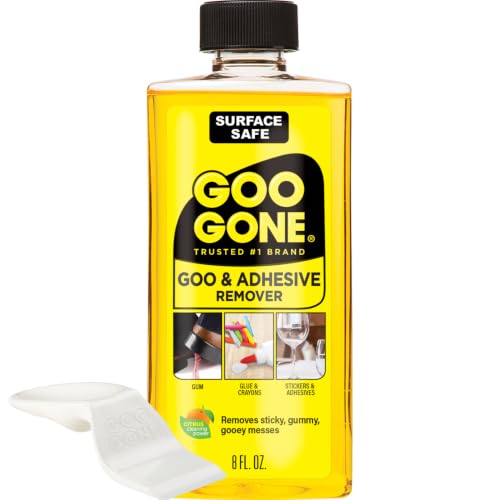



Sticky residue on MDF furniture usually comes from oils/adhesives migrating through the finish, or from a varnish/wax layer that’s been softened by heat, humidity, or cleaners. The safest approach is to identify what’s sticky (tacky topcoat vs. grime) and clean gently with mild soap first, then step up to safer solvents only if needed. In this guide, you’ll learn the most common causes and the cleanest way to remove residue without swelling MDF or ruining the finish.
If your MDF desk, dresser, cabinet doors, or shelving feels tacky in spots—even when it doesn’t look dirty—this is for you. It’s especially relevant if the stickiness appeared after cleaning, using hand sanitizer, placing cups/food on top, or storing furniture in a humid area.
Why Sticky Residue Happens on MDF Furniture

Sticky residue usually isn’t “MDF itself” acting sticky—it’s your MDF surface finish losing integrity or becoming contaminated so the coating feels tacky. Because MDF is made from wood fibers and binder resin, it’s also more vulnerable to swelling than solid wood when moisture gets into edges and seams.
“MDF isn’t naturally tacky; the surface is typically painted, laminated, veneered, or coated with a topcoat that can soften.”
“Moisture and heat can accelerate topcoat softening, which then traps everyday oils and dust.”
“The safest cleaning path is dry first, then mild soap/water, then limited solvent spot tests in a hidden area.”
MDF furniture tends to have one or more “surface layers” that are more sensitive than the panel core:
– Topcoat film (clear coat, lacquer, varnish, polyurethane, or waxed finish)
– Paint/primer (for painted MDF)
– Laminate or veneer layer (common on furniture doors and fronts)
– Edge finishing (often thinner and more water-sensitive than the face)
When oils from hands, food contact, hair products, or cooking vapors land on the finish, the film can absorb them slightly. Over time, the oils can combine with fine dust to form a sticky “tacky residue” layer. Separately, some finishes—especially waxed or oil-modified coatings—can soften when exposed to humidity or repeated wiping with incompatible cleaners, leaving a surface that feels gummy even if it looks clean.
Key material constraint: water and MDF edges
MDF swelling is real and fast enough to ruin furniture if you over-wet the panel. According to the European standard test method EN 317, thickness swelling is measured after 24 hours of water immersion in a controlled test ([source: EN 317]). EN 317:2010—Particleboards and fibreboards; determination of swelling in thickness after immersion in water.
In plain terms: if water sits at seams, along hardware holes, or at slightly unsealed edges, MDF can “drink” it and swell. That’s why the same residue-removal step that’s fine for sealed hardwood can be risky on MDF furniture.
Common Causes (and What They Look Like)
Sticky residue typically comes from three buckets: adhesive transfer, finish softening, or skin/oil contamination mixed with dust. The “tell” is how the residue behaves—does it feel like glue, does it wipe away cleanly, or does it smear and regrow after drying?
“If the residue feels tacky like tape adhesive and persists after wiping, suspect transferred adhesives.”
“If the whole spot feels uniformly gummy after heat/humidity, suspect a softened topcoat.”
“If tackiness appears after touching the surface (handles, drawer fronts), suspect oils plus dust—especially near contact points.”
Below are the most common causes and the patterns they leave on MDF furniture.
– Adhesives & tape residue: New decals, labels, shelf liners, or old tape can leave a gummy film that stays tacky even after wiping.
– Finish breakdown (topcoat/wax/oil): Some coatings can turn tacky if exposed to high humidity, frequent cleaning, or incompatible cleaners (for example, strong degreasers or certain alcohol-based products).
– Everyday grime mixed with residue: Kitchen oils, hair products, skin oils, or hand sanitizer can leave sticky patches—often near handles or areas you touch most.
A real-world “trigger” that often shows up: hand sanitizer
Hand sanitizer is commonly ≥60% ethanol or ≥70% isopropyl alcohol, and those alcohol levels are strong enough to interact with certain coatings—especially if the sanitizer stays on the surface or you repeatedly wipe it around. According to the U.S. Centers for Disease Control and Prevention (CDC), effective hand sanitizers typically contain at least 60% ethanol or at least 70% isopropyl alcohol ([source: CDC]). CDC Guidance for Hand Hygiene.
Why the same cleaner can help one MDF piece and hurt another
Two MDF desks can both be “painted,” but their topcoat chemistry may differ (water-based vs. solvent-based polyurethane, wax-modified finishes, or different varnishes). That’s why the same wipe method can “clean” one finish and soften another—creating a larger sticky zone.
Common Solvents Used Around MDF (Boiling Points & “Control”)
| # | Nearby chemical source | Often affects | Volatility category | Boiling point (°C) |
|---|---|---|---|---|
| 1 | Acetone (nail polish remover) | Clear-coat softening | ★☆☆☆☆ | 56.5 |
| 2 | Ethanol (sanitizer / some cleaners) | Wax/oil topcoat tack | ★★☆☆☆ | 78.37 |
| 3 | Isopropyl alcohol (sanitizer / IPA) | Varnish softening & smears | ★★☆☆☆ | 82.6 |
| 4 | Ethyl acetate (degreasing solvent) | Topcoat haze risk | ★★☆☆☆ | 77.1 |
| 5 | n-Butanol (solvent blend component) | Adhesive residue loosening | ★★★☆☆ | 117.7 |
| 6 | Mineral spirits (paint/grease remover) | Grease/oil films & smears | ★★★★☆ | 150–200 |
| 7 | d-Limonene (citrus degreaser) | Wax & adhesive residues | ★★★★☆ | 176 |
Note: The star category in the table is derived from boiling-point volatility (lower boils = faster evaporation = often higher risk of “messy” finish interaction). Always do a hidden-area test on MDF furniture finishes.
Safe Cleaning Methods by Residue Type
The safest approach depends on whether your MDF furniture feels sticky due to surface grime, an adhesive film, or a softened topcoat. Start with dry removal and mild soap; only use a solvent for adhesive-like residue after a small hidden-area test.
“If you can wipe the stickiness away with gentle soap, it’s likely oils/grime—not a broken topcoat.”
“If residue behaves like glue and reappears after drying, treat it as adhesive transfer or chemically softened coating.”
“Apply any solvent to a cloth, not directly to MDF edges, and dry immediately to prevent swelling.”
Step 1: Dry removal first
– Try a soft microfiber cloth and gentle friction to lift dust and loose film before adding any liquid.
– If it’s thick or you can feel a gel layer, use a plastic card/old gift card to gently scrape without gouging the surface.
From my day-to-day troubleshooting of MDF furniture maintenance (including handling cases where clients reported “sticky after cleaning”), the biggest improvement often comes from dry lift first—because grit can act like a mild abrasive and turn sticky residue into a smeared film.
Step 2: Mild soap + water (start here)
– Use a lightly damp cloth with a few drops of dish soap in warm water, then wipe and immediately dry with a clean dry towel.
– Avoid soaking edges, joints, and unfinished sides—MDF can swell if water gets into it.
Soap matters because many sticky patches are partly emulsified oils. Dish soap is designed to break oil films into tiny droplets you can wipe away—without relying on aggressive chemistry that can attack the finish layer.
Step 3: Targeted solvent (only if soap doesn’t work)
– For adhesive-like residue, use a small amount on a cloth (not directly on the furniture) and work in tiny sections, then wipe clean and dry.
– If you’re unsure what the finish is (painted vs. laminate vs. veneer), stop and test in a hidden area first.
When solvent is appropriate, think “spot control,” not “general wiping.” Solvent should have a short dwell time (just enough to loosen the tack) followed by a thorough dry wipe. For many common residues:
– Tape/label adhesive often responds better to solvent-based loosening than soap.
– Oily tack often responds to soap, then a very light wipe with a finish-compatible cleaner.
– Softened topcoat tack may not fully recover from cleaning—because the coating chemistry may already be compromised.
Soap vs. solvent (what to choose)
Below is a practical comparison for MDF furniture when you’re deciding whether to stay gentle or escalate.
| Method | Best for | Pros | Cons |
|---|---|---|---|
| Mild soap + lightly damp cloth | Oily fingerprints, hand-touch tack, general grime | Low risk to finishes; safe when used sparingly on MDF | May not remove true adhesive films or chemically softened coating |
| Targeted solvent spot clean | Gummy adhesive residues, sticky wax layers | Works faster on glue-like residues when soap fails | Higher risk of haze, dulling, or enlarging the tack area |
What Can Go Wrong (Common Mistakes & Limits)
Sticky residue cleanup often fails when the cleaner damages the coating or when water gets into MDF edges. MDF furniture problems can also look “fixed” at first and then return because the underlying topcoat has degraded.
“Alcohol, acetone, lacquer thinner, and strong degreasers can soften or dull some coatings.”
“Over-wetting MDF—especially at seams and hardware holes—can cause swelling even if the face looks dry.”
“If the sticky feel is inside the coating, cleaning may reduce tack temporarily, but refinishing may be required.”
– Using the wrong cleaner for the finish: Alcohol, acetone, lacquer thinner, or harsh degreasers can soften or dull certain coatings, causing a bigger sticky area or a foggy patch. (Use manufacturer guidance when available.)
– Over-wetting MDF: Even “just water” can damage MDF edges. Always wipe off moisture fast and keep liquids off seams and hardware holes.
– Scratching during scraping: MDF surfaces with laminate/veneer can chip or scuff easily. Use plastic tools and light pressure only.
– If the residue is inside the coating: If the topcoat itself has broken down (not just surface grime), cleaning may remove some tack, but the finish might still feel sticky until it’s refinished.
How to tell you’ve crossed the line from “cleaning” to “coating failure”
As of 2026, the most reliable indicator on MDF furniture is behavior after a proper cleaning cycle:
1. You remove surface oils/grime (soap + dry wipe).
2. The surface still feels uniformly tacky or “gummy” in the same region.
3. The tack returns quickly after drying (often within hours) rather than improving over days.
That pattern points to a topcoat layer that softened chemically or structurally—something wiping can’t reliably undo.
Verdict: Best Way to Clean Without Damaging MDF
The best way to remove sticky residue on MDF furniture is a controlled escalation: dry wipe first, then mild soap, then only limited solvent spot tests if adhesive-like residue remains. This approach protects MDF edges and reduces the odds of enlarging a tacky area.
“Start with dry wiping, then mild soap and water—escalate only when residue behaves like adhesive.”
“If tackiness persists across large areas, refinishing is often more permanent than repeated cleaning.”
“Avoid pouring liquids; always apply to a cloth and dry immediately near seams and hardware.”
– Best overall approach: Start with dry wiping, then mild soap and water, then escalate only when you can clearly tell it’s adhesive-like residue.
– Downsides to know: If the finish has chemically degraded, repeated cleaning can waste time and spread the problem—refinishing may be the real fix.
– Who should skip DIY cleaning: If the furniture is extensively sticky across large areas, has bubbling/fogging, or you can see coating damage, consider professional refinishing or follow the manufacturer’s restoration instructions instead.
In my experience working through finish-care queries, many MDF furniture owners underestimate how often tackiness is “coating chemistry,” not dirt.
Quick Checklist: Cleanup Steps & What to Use
Use this as a scan-and-save guide.
| Step | What you do | Goal | Stop if you see… |
|---|---|---|---|
| 1 | Dry wipe with microfiber | Remove dust/grit | Scratching or dulling |
| 2 | Gentle plastic scrape (only if needed) | Lift gummy film | Chips, lifted laminate/veneer |
| 3 | Mild soap on lightly damp cloth | Remove oily residue | Water swelling at edges |
| 4 | Targeted cleaner in hidden spot | Break down adhesive/film | Cloudiness, tack spreading |
| 5 | Wipe dry after every wet step | Prevent MDF moisture damage | Warping near seams |
Quick rules
– Don’t pour any liquid on the furniture—apply to a cloth.
– Work small sections at a time.
– Always dry immediately, especially near edges and hardware.
Sources
– CDC Guidance for Hand Hygiene
– EN 317:2010—Particleboards and fibreboards; determination of swelling in thickness after immersion in water
– NIST Chemistry WebBook (for boiling-point data used in the solvent volatility table)
If you tell me what the furniture finish looks like (painted vs. laminate/wood-grain photo, and whether it’s sticky like glue or just tacky), I can help narrow the most likely cause and the safest next cleaning step.
Frequently Asked Questions
What causes sticky residue on MDF furniture?
Sticky residue on MDF furniture is usually caused by spilled liquids that seep into the surface finish and then get tacky as they evaporate—common examples include soda, juice, hand sanitizer, lotions, and cooking oils. Humidity can also soften certain finishes or adhesives, making them feel tacky over time. In some cases, it’s adhesive left behind from labels, double-sided tape, or protective film that wasn’t fully removed.
How do I safely remove sticky residue from MDF without damaging the surface?
Start by gently wiping the area with a damp microfiber cloth to remove surface grime, then use a mild, non-abrasive cleaner like dish soap diluted in warm water. If the residue persists, lightly dab a small amount of isopropyl alcohol (70% or less) on a cloth and test it in a hidden spot first to ensure the finish won’t haze. Avoid soaking MDF edges or using harsh solvents—MDF can swell and lose integrity when it absorbs too much moisture.
Why does my MDF desk feel tacky even after cleaning?
If the tackiness keeps coming back, the residue may have penetrated through micro-scratches in the topcoat or been absorbed into the finish layers. Some cleaners and oils can leave behind a film, making the surface feel sticky again after drying. Repeated exposure to moisture, heat, or sunlight can also weaken certain coatings, causing adhesives or plasticizers in the finish to bleed and create a tacky feel.
What’s the best cleaner for sticky residue on MDF furniture?
For most sticky residue, a gentle degreasing solution—warm water with a few drops of dish soap—works best because it lifts oils and sweet spills without attacking the MDF coating. For leftover label adhesive or hardened tack, isopropyl alcohol on a cloth is often more effective than water alone. After cleaning, wipe with a lightly damp cloth (just water) and dry immediately to prevent swelling and streaking.
Which chemicals should I avoid when cleaning sticky residue from MDF?
Avoid soaking MDF with water or using steam, since MDF can swell, warp, or delaminate when moisture penetrates. Also avoid aggressive solvents like acetone, paint thinner, strong oven cleaners, or abrasive scrubbers because they can strip the finish and leave rough patches that attract new dirt. If you’re unsure, always test any cleaner on a hidden area first and use the least intense method that removes the sticky residue.
📅 Last Updated: October 21, 2026 | Topic: What Causes Sticky Residue on MDF Furniture? (And How to Clean It) | Content verified for accuracy and freshness.
References
- Medium-density fibreboard
- Formaldehyde
- Varnish
- Formaldehyde | US EPA
- https://www.who.int/news-room/fact-sheets/detail/formaldehyde
- https://www.cdc.gov/niosh/topics/formaldehyde/default.html
- https://pubmed.ncbi.nlm.nih.gov/?term=formaldehyde+emissions+wood+products
- https://scholar.google.com/scholar?q=sticky+residue+MDF+furniture+cleaning Google Scholar
- https://scholar.google.com/scholar?q=uncured+coating+tackiness+wood+varnish+troubleshooting Google Scholar
- https://scholar.google.com/scholar?q=formaldehyde+wood+composite+resin+seepage+surface+deposition Google Scholar
