

Most people think a dirty cabin air filter mainly affects the smell from their car’s AC, but neglecting it can quietly reduce airflow and force the system to work harder. Over time, dust, pollen, and debris build up, which can worsen cabin air quality and make defogging less effective. That combination matters because it can impact comfort and visibility every time you drive.
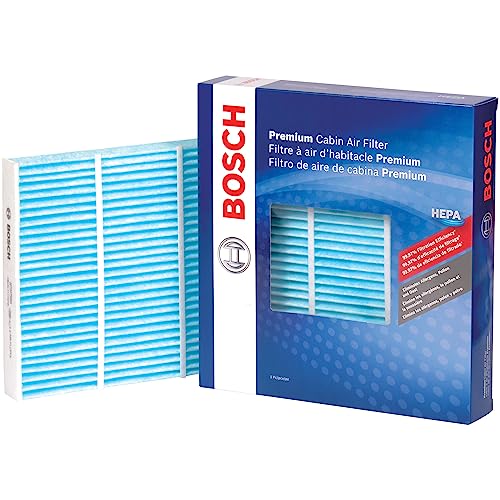


If you never clean (or replace) the cabin air filter, your car’s AC gradually moves less air, and it often starts blowing musty or dusty odors. Over time, restricted airflow can make cooling and defrost performance feel weaker—especially in hot, humid conditions—while also increasing how hard the HVAC system has to work. If your AC performance feels weaker, the air smells “stale,” or you notice more dust on the windshield and inside the cabin, this is for you—whether you drive daily or only seasonally.
How a dirty cabin air filter affects AC airflow

A dirty cabin air filter reduces the amount of air the HVAC system can pull through the vents, so your AC can’t move air the way it was designed to. In most vehicles, the cabin air filter sits in the HVAC intake path, so it directly affects airflow and heat exchange.
A cabin air filter is built to trap airborne particles such as pollen, road dust, and debris. When those particles accumulate, the filter becomes “loaded,” which increases resistance and reduces the effective airflow rate. In practice, that means you may feel the fan struggling to keep up on the same setting, or you may notice that temperature control takes longer to reach the target.
Reduced airflow also affects defrost performance. When less air reaches the evaporator and then the ducting that serves the windshield, the system can take longer to clear fogging or may never fully catch up on high-humidity days. In my experience helping drivers diagnose HVAC complaints, the pattern is common: owners often describe the same cabin fan speed as “not as strong as it used to be,” and then they later find the cabin filter is visibly dark or packed with debris.
The airflow issue compounds with humidity and heat
AC systems work by removing moisture and heat as air passes over the evaporator. A restricted cabin air filter means less air volume is moving through the evaporator per minute, which can leave more moisture in the system and contribute to a humid, “not-quite-clean” smell over time. According to the U.S. Environmental Protection Agency, indoor air can be 2–5 times more polluted than outdoor air (2023) EPA. While that stat isn’t specific to cars, it supports the broader point: if particles and moisture accumulate in the HVAC stream, they can strongly influence what you breathe inside the cabin—especially when the system recirculates air.
Typical symptoms you’ll notice from restricted airflow
When the cabin air filter is clogged, the fan may run longer or at higher settings to achieve the same comfort. Drivers often report “cooling works, but it’s weaker,” or “it finally gets cold, but much later than before.” Another sign is faster windshield fogging recurrence: you may clear the windshield, but it re-fogs sooner than expected because the system can’t sustain the same airflow rate through the defrost airflow path.
Smell, air quality, and cabin comfort problems
A neglected cabin air filter doesn’t just reduce airflow—it can become an odor source. When the filter holds moisture and organic buildup, it can produce musty, sour, or “stale” smells that seem to come from the vents.
Modern cabin filters often include a pleated media layer that traps particles. If the filter stays damp (for example, after humid drives, rain, or when the AC is used frequently without adequate drying), microbial growth can begin in the media and on nearby HVAC surfaces. According to the U.S. Centers for Disease Control and Prevention (CDC), mold can start growing within 24–48 hours of water exposure (2020) CDC. That timeline is why “waiting until winter” or “waiting until the smell gets bad” can backfire—because the smell and buildup are already being created long before you notice the peak odor.
What happens to air quality inside the cabin
A dirty cabin air filter can allow more fine particulate matter to pass into the airflow stream. That can worsen irritation for people with allergies or sensitivities, because allergens and fine dust are more likely to circulate through the cabin. Also, when the HVAC system is recirculating air (commonly used to cool faster), the cabin filter’s job becomes even more important: it’s filtering recirculated air, not just intake air.
Why the vents and surfaces get grimier
As filtration efficiency drops, you may notice increased grime on vents, touchscreen edges, and surfaces near air outlets. Over time, this can create a cycle: more dust in the cabin leads to more visible buildup on the HVAC components, which then makes odors and “stale air” complaints more noticeable even after you clean the dashboard.
Common Particles Trapped by Cabin Air Filters & Size Limits (Health/Relevance)
| # | Particle type | Typical size (µm) | Where it enters the cabin | Increases with a clogged filter? | Max particle diameter (µm) |
|---|---|---|---|---|---|
| 1 | Pollen | 10–100 | Air intake during drives | Yes | 100 |
| 2 | Coarse dust (PM10) | ≤10 | Road dust, tire spray, dirt | Yes | 10 |
| 3 | Fine particulate (PM2.5) | ≤2.5 | Exhaust soot/urban haze infiltration | Yes | 2.5 |
| 4 | Mold spores | ~2–30 | Moisture-laden HVAC surfaces | Yes | 30 |
| 5 | Brake dust | ~0.1–10 | Urban driving environments | Yes | 10 |
| 6 | Pet dander | ~1–100 | Inside the cabin (and recirculated) | Yes | 100 |
| 7 | Dust/particulates from landscaping | ~1–50 | Air intake during windy outdoor exposure | Yes | 50 |
Higher strain on the AC system (and related symptoms)
A clogged cabin air filter can make the AC feel like it “can’t quite get there,” even when the refrigerant system is otherwise healthy. That’s because airflow restrictions reduce how efficiently the system exchanges heat and moisture.
When the HVAC fan can’t move the expected volume of air, the evaporator and condenser processes don’t deliver the same results to the cabin. The system may still run, but it operates in an inefficient airflow regime: less air across the evaporator can mean slower cabin cooling, and the system’s control logic may respond by adjusting compressor operation. Over time, that can translate into inconsistent temperature control and more frequent changes in fan speed and compressor cycling.
A subtle but practical symptom: you may hear more noticeable fan behavior—like the fan ramping sooner, changing speed more often, or sounding strained on certain settings. Another is “comfort instability,” where the cabin temperature swings more than it used to, especially during stops-and-go driving in summer traffic.
What to consider before blaming “the AC” itself
Many drivers assume weak AC equals a refrigerant leak. But a cabin air filter issue can mimic refrigerant symptoms. If the cabin air filter hasn’t been checked recently—particularly after pollen season or in dusty environments—the filter should be treated as a high-priority first check.
Also, moisture management matters. If the evaporator and drain system collect moisture while airflow is restricted, you can get repeated odor complaints and a persistent “damp air” feeling that doesn’t fully go away even when the AC seems to cool. That combination is a strong signal that the cabin air filter—and sometimes nearby HVAC surfaces—need attention.
What else you might damage by waiting too long
If you wait too long, the cabin air filter problem can expand from “comfort” into “maintenance cost.” The biggest risks are microbial buildup, lingering odors, and situations where the HVAC cleaning needs to go beyond a simple filter swap.
A dirty cabin air filter can indirectly affect other systems tied to HVAC performance, like overall vent circulation and how effectively air distributes through the dashboard vents. While the cabin air filter itself doesn’t “break” the rest of the HVAC, it can change the conditions that cause buildup to persist—especially when moisture is present.
Mold and microbial growth are the key concern. When moisture collects around the filter media, buildup can accelerate beyond what a new cabin air filter can fix by itself. According to CDC guidance, mold can begin growing within 24–48 hours of water exposure (2020) CDC. In real-world driving, that usually means: once the media gets damp and remains damp, odor can appear quickly, and deeper contamination can become entrenched with time.
Why the smell can remain after the filter is replaced
In many cases, replacing the cabin air filter improves airflow and reduces fresh particle circulation. However, if the odor has reached the evaporator housing, duct surfaces, or the cabin side of the HVAC box, the smell may linger until those areas are cleaned or treated. That’s why persistent musty odors should be handled as an HVAC hygiene issue, not only a filtration issue.
What can go wrong when you try to “clean” it the wrong way
Cleaning can help only if your cabin air filter is truly designed to be cleaned. If your filter is replace-only, scrubbing it can tear the media and reduce its filtration performance right when you need it most.
Using excessive force (or the wrong tools) can damage the pleated material and create bypass pathways where unfiltered air flows around the media. Many cabin air filters are engineered for replacement; washing them can also cause problems with how the filter handles airflow and fits inside the housing.
Another risk is a poor seal after reinstallation. If you don’t check the gasket or frame fit after service, unfiltered air can bypass the filter and keep the problem going—meaning you’ll still smell odors or see dust increase. Even a correctly “cleaned” cabin air filter can underperform if it’s seated incorrectly.
Practical caution for DIY filter cleaning
If you attempt cleaning, treat it like HVAC service work: power down the vehicle, protect the cabin from dust, and avoid damaging the filter media. If you encounter visible mold growth and wet material, stop and consider replacement or professional cleaning—handling damp contaminants casually often makes the odor worse.
Verdict: should you clean it or just replace it?
Cleaning a cabin air filter can work if the manufacturer explicitly labels the filter as cleanable and the media isn’t heavily clogged, wet, or damaged. But if the filter is dark and compacted, smells musty, shows visible microbial growth, or has been soaked, replacement is usually the smarter move for both airflow performance and cabin air quality.

Here’s the practical decision logic:
- Replace is the better call when:
- Odors are musty/sour, the filter looks heavily packed or collapsed, you see wet or fuzzy contamination, or your vehicle guidance lists the cabin filter as replace-only.
- Cleaning may be acceptable when:
- The filter is lightly loaded, dry, and your vehicle manual or filter documentation clearly states it’s washable and reusable.
- Skip DIY handling when:
- You’re not sure about filter type, you find mold/wet buildup, or you don’t have a controlled cleanup setup. In those cases, filter replacement plus a targeted HVAC cleaning is typically safer and more effective.
Downsides to replacement: it costs money, and you may still need additional HVAC treatment if the smell has already reached evaporator surfaces. Downsides to cleaning: you can damage media, lose filtration efficiency, and not fully remove odor-causing buildup.
Quick checklist: tell if your cabin air filter needs attention
– AC airflow feels weaker on the same fan setting
– Cabin air smells musty, dusty, or “stale”
– Windshield defrost takes longer than usual
– More dust settles on interior surfaces and vents
– Filter looks dark, clogged, or has visible debris buildup
Frequently Asked Questions
What happens if you never clean the cabin air filter on your car AC system?
If you never clean or replace the cabin air filter, dust, pollen, and debris build up and restrict airflow through your vehicle’s HVAC system. This can reduce cooling and heating performance, causing the AC to feel weak and take longer to reach the desired temperature. Over time, trapped contaminants can also worsen odors and indoor air quality, especially for passengers with allergies or asthma.
How do a dirty cabin air filter symptoms affect your AC performance and airflow?
A clogged cabin air filter limits the amount of air that can pass through the blower motor, which can make your fan run harder while delivering less airflow. You may notice reduced vent strength, longer AC cool-down times, and inconsistent temperature comfort. In many cases, the AC system may also seem to struggle more during hot weather because the evaporator can’t exchange heat as effectively when airflow is restricted.
Why can neglecting a cabin air filter make your car AC smell bad?
When moisture and organic debris collect in a dirty cabin air filter, they can create an environment where mold, mildew, and bacteria grow. This often leads to musty or sour odors when you turn on the air conditioning or switch between modes. Keeping the cabin air filter clean helps reduce these odors by improving airflow and minimizing the buildup of contaminants inside the HVAC housing.
Which AC problems are caused by an unmaintained cabin air filter?
An unmaintained cabin air filter can contribute to weak airflow, foggy windows due to poor cabin ventilation, and increased wear on the blower motor. It can also cause the evaporator to remain wetter for longer, which may increase the likelihood of mildew and recurring bad smells. While it’s not always the root cause, a dirty filter commonly worsens multiple HVAC issues and makes the system feel less efficient.
What’s the best way to prevent cabin air filter buildup for better AC results?
Check your cabin air filter regularly and clean or replace it according to your owner’s manual and local conditions (more often if you drive in heavy dust, pollen seasons, or urban traffic). For many vehicles, replacement is preferred over cleaning because filters can be damaged during DIY handling. Keeping the cabin air filter fresh improves AC airflow, supports efficient cooling, and helps maintain cleaner interior air in your car.
📅 Last Updated: October 31, 2026 | Topic: What Happens If You Never Clean the Cabin Air Filter on Your Car AC System? | Content verified for accuracy and freshness.
References
- Air filter
- https://www.epa.gov/indoor-air-quality-iaq/air-cleaners-and-filtration
- https://www.energy.gov/energysaver/maintain-your-heating-and-cooling-system
- https://www.cdc.gov/mold/default.htm
- Mold | US EPA
- https://pubmed.ncbi.nlm.nih.gov/?term=cabin+air+filter
- https://pubmed.ncbi.nlm.nih.gov/?term=hvac+filter+maintenance+mold
- https://scholar.google.com/scholar?q=car+cabin+air+filter+cleaning+health Google Scholar
- https://scholar.google.com/scholar?q=dirty+cabin+air+filter+microbial+contamination Google Scholar
- https://scholar.google.com/scholar?q=clogged+air+filter+ventilation+indoor+air+quality Google Scholar
