How to Clean a Dab Rig Without Isopropyl Alcohol
Cleaning a dab rig without isopropyl alcohol can be effectively achieved using alternative household items. In this guide, you’ll learn practical methods using vinegar, baking soda, and salt to keep your rig in top condition without harsh chemicals. These methods not only ensure cleanliness but also preserve the integrity of your equipment.
Understanding the Need for Cleaning
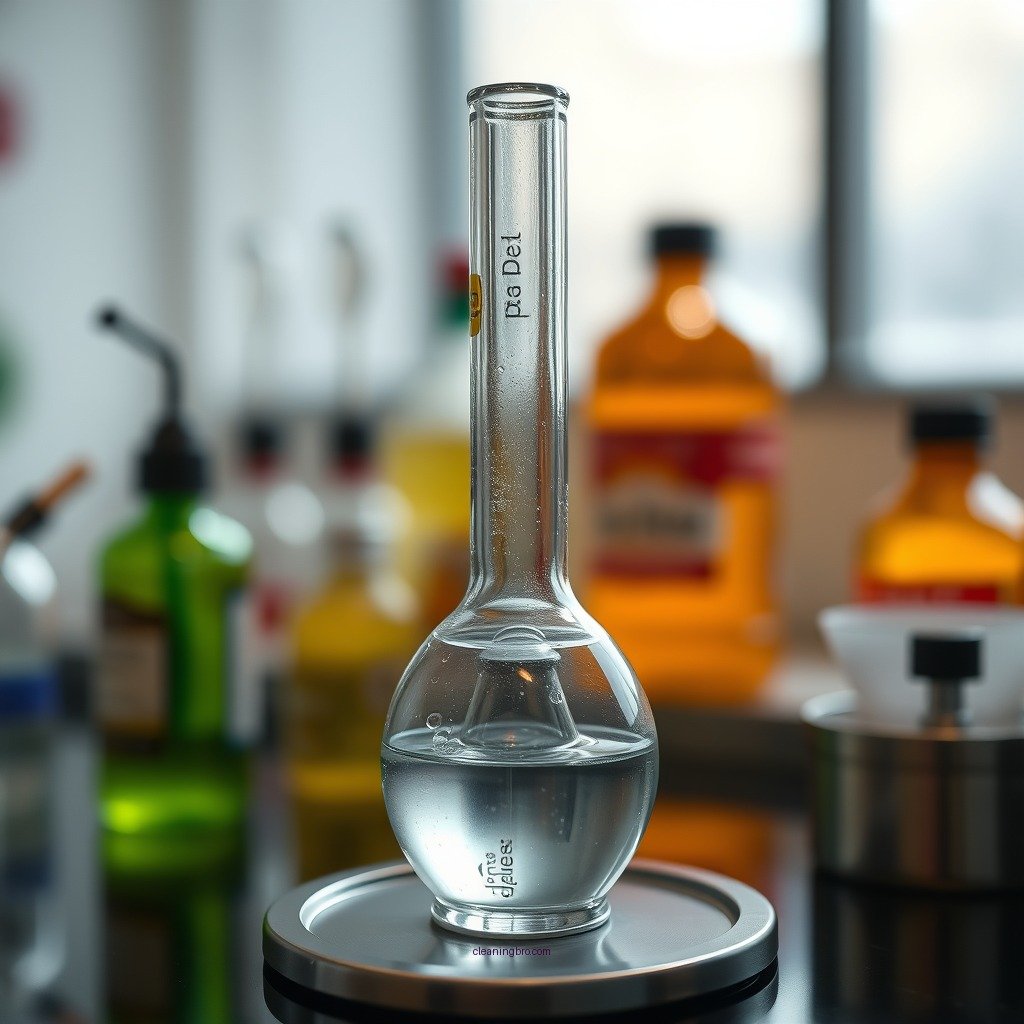
Regular cleaning of your dab rig is essential to prevent the buildup of residue and harmful contaminants. Over time, the accumulation of oils, waxes, and other materials can compromise the flavor of your concentrates and diminish your overall dabbing experience. A clean rig provides a more enjoyable and flavorful hit, allowing you to appreciate the full spectrum of your chosen concentrate. Moreover, neglecting to clean your rig can lead to health risks, as bacteria and mold can develop in the residual buildup. Therefore, maintaining a clean dab rig is not only about enhancing taste but also about ensuring safe usage.
Using Vinegar for Cleaning


Utilizing Baking Soda

Baking soda is another versatile household item that serves as a gentle abrasive, making it perfect for scrubbing tough spots on your dab rig. To utilize baking soda, create a paste by mixing it with a small amount of water until it reaches a thick consistency. Apply this paste to any stubborn areas that may not have come clean with vinegar alone. Allow the paste to sit for a few minutes to penetrate the grime before scrubbing with a brush or cloth. This method effectively removes the most stubborn residues without scratching or damaging the glass of your rig, ensuring that your equipment remains in pristine condition.
Salt as an Abrasive Agent
Coarse salt can be combined with vinegar or water to act as a powerful abrasive agent, ideal for removing grime from your dab rig. After disassembling your rig, add a couple of tablespoons of coarse salt to the water or vinegar solution in a sealable bag or container. Shake the bag gently to allow the salt to dislodge any particles stuck inside the rig. This agitation helps to scrub the surfaces without the need for harsh chemicals. After shaking, rinse the rig thoroughly with warm water to wash away the salt and any loosened debris. This method is particularly useful for cleaning the percolators and other intricate parts of your rig.
The Role of Hot Water
Using hot water is one of the simplest yet most effective ways to clean your dab rig. Hot water helps to loosen resin and other build-ups, making the cleaning process much easier. To utilize hot water, first disassemble your rig and pour hot (not boiling) water into the components. Let the hot water sit for a few minutes to allow the heat to work its magic. Afterward, carefully pour out the water and use a brush to scrub away any remaining residue. It’s essential to ensure that the glass is not too hot before introducing cold water, as this can lead to cracking due to thermal shock.
Alternative Cleaning Solutions
In addition to vinegar and baking soda, there are several other natural substances that can be effective for cleaning your dab rig. Lemon juice, for instance, has natural antibacterial properties and a pleasant scent, making it a great alternative for tackling grime. Hydrogen peroxide can also be used as a disinfectant, but it should be rinsed thoroughly to avoid any lingering chemical taste. Additionally, there are eco-friendly commercial cleaners available that are specifically designed for cleaning dab rigs without alcohol. When selecting a cleaning solution, always opt for products that are free from harsh chemicals to ensure the longevity of your equipment.
Maintenance Tips for Your Dab Rig
To prolong the life of your dab rig and maintain its performance, it is crucial to establish a regular cleaning routine. After each use, rinse your rig with warm water to prevent the buildup of residues. This simple step can significantly reduce the need for deep cleaning sessions. Additionally, consider setting a cleaning schedule based on your usage frequency—cleaning your rig weekly or bi-weekly can keep it in optimal condition. Always store your rig in a safe, dry place to prevent accidental damage, and consider using silicone caps for the joint areas to minimize exposure to dust and contaminants.
Top 7 Natural Cleaning Agents for Dab Rigs
| # | Cleaning Agent | Effectiveness | Eco-Friendly | Ease of Use |
|---|---|---|---|---|
| 1 | White Vinegar | ★★★★★ | Yes | Easy |
| 2 | Baking Soda | ★★★★☆ | Yes | Easy |
| 3 | Coarse Salt | ★★★★☆ | Yes | Moderate |
| 4 | Lemon Juice | ★★★☆☆ | Yes | Easy |
| 5 | Hydrogen Peroxide | ★★★☆☆ | Yes | Moderate |
| 6 | Baking Soda & Vinegar | ★★★★★ | Yes | Moderate |
| 7 | Commercial Cleaners | ★★★★☆ | Depends | Easy |
Effectiveness of Cleaning Methods for Dab Rigs
Best Methods for Cleaning Dab Rigs
| Feature | ⭐ Vinegar | Baking Soda | Salt |
|---|---|---|---|
| Effectiveness | ★★★★★ | ★★★★☆ | ★★★★☆ |
| Eco-Friendly | Yes | Yes | Yes |
| Ease of Use | Easy | Moderate | Moderate |
| Cost | Low | Low | Low |
| Residual Smell | None | None | Possible |
| Staining | No | No | Yes |
| Versatility | High | Moderate | Low |
| Health Risks | None | None | Possible |
| 🏆 Best For | All-around cleaning | Tough stains | Quick scrubbing |
Cleaning your dab rig without isopropyl alcohol can be simple and effective using common household items. By utilizing vinegar, baking soda, salt, and hot water, you can ensure your rig is clean and ready for use. Don’t forget to incorporate these cleaning habits into your routine to enjoy a better dabbing experience! With regular maintenance and the right cleaning methods, you can enhance the flavor of your concentrates while ensuring a safe and enjoyable experience every time.
Frequently Asked Questions
How can I clean my dab rig without isopropyl alcohol?
You can clean your dab rig using household items like vinegar and baking soda. Start by pouring a mixture of equal parts vinegar and warm water into the rig, followed by a tablespoon of baking soda. Let it sit for about 30 minutes, then shake gently and rinse thoroughly with warm water for a sparkling finish.
What are the best natural alternatives to isopropyl alcohol for cleaning a dab rig?
Some of the best natural alternatives include white vinegar, lemon juice, and baking soda. These ingredients not only help to break down residue and grime but also leave your dab rig smelling fresh without the harsh chemicals found in isopropyl alcohol.
Why is it important to clean a dab rig regularly without using harsh chemicals?
Regular cleaning of your dab rig is vital to maintain flavor quality and ensure a smooth smoking experience. Using harsh chemicals like isopropyl alcohol can leave residues that affect taste and may be harmful when inhaled. Opting for natural cleaning methods keeps your rig safe and preserves the purity of your concentrates.
Which cleaning method is most effective for stubborn residue on a dab rig?
For stubborn residue, a combination of coarse salt and vinegar can be highly effective. The salt acts as an abrasive, while the vinegar dissolves sticky residues. Fill your rig with the mixture, shake it well, and let it sit before rinsing for optimal results.
How often should I clean my dab rig if I don’t use isopropyl alcohol?
It’s recommended to clean your dab rig after every few uses or at least once a week if you use it regularly. Regular maintenance prevents the buildup of residue and ensures a better flavor and experience with your concentrates, even when using natural cleaning methods.
References
- How to Clean a Dab Rig: 3 Quick & Easy Methods
https://www.wikihow.com/Clean-a-Dab-Rig - https://www.ncbi.nlm.nih.gov/pmc/articles/PMC4973684/
https://www.ncbi.nlm.nih.gov/pmc/articles/PMC4973684/ - https://www.ncbi.nlm.nih.gov/pmc/articles/PMC6102485/
https://www.ncbi.nlm.nih.gov/pmc/articles/PMC6102485/ - https://www.sciencedirect.com/science/article/pii/S2352847818300223
https://www.sciencedirect.com/science/article/pii/S2352847818300223 - https://www.bbc.com/future/article/20200114-how-to-clean-your-smoking-pipe
https://www.bbc.com/future/article/20200114-how-to-clean-your-smoking-pipe - https://www.theguardian.com/lifeandstyle/2020/jul/17/how-to-clean-your-bong
https://www.theguardian.com/lifeandstyle/2020/jul/17/how-to-clean-your-bong - https://www.healthline.com/health/how-to-clean-a-bong
https://www.healthline.com/health/how-to-clean-a-bong - Google Scholar Google Scholar
https://scholar.google.com/scholar?q=how+to+clean+a+dab+rig+without+isopropyl+alcohol - Google Scholar Google Scholar
https://scholar.google.com/scholar?q=cleaning+dab+rig+alternative+methods - Google Scholar Google Scholar
https://scholar.google.com/scholar?q=non-alcohol+cleaning+methods+for+dab+rigs