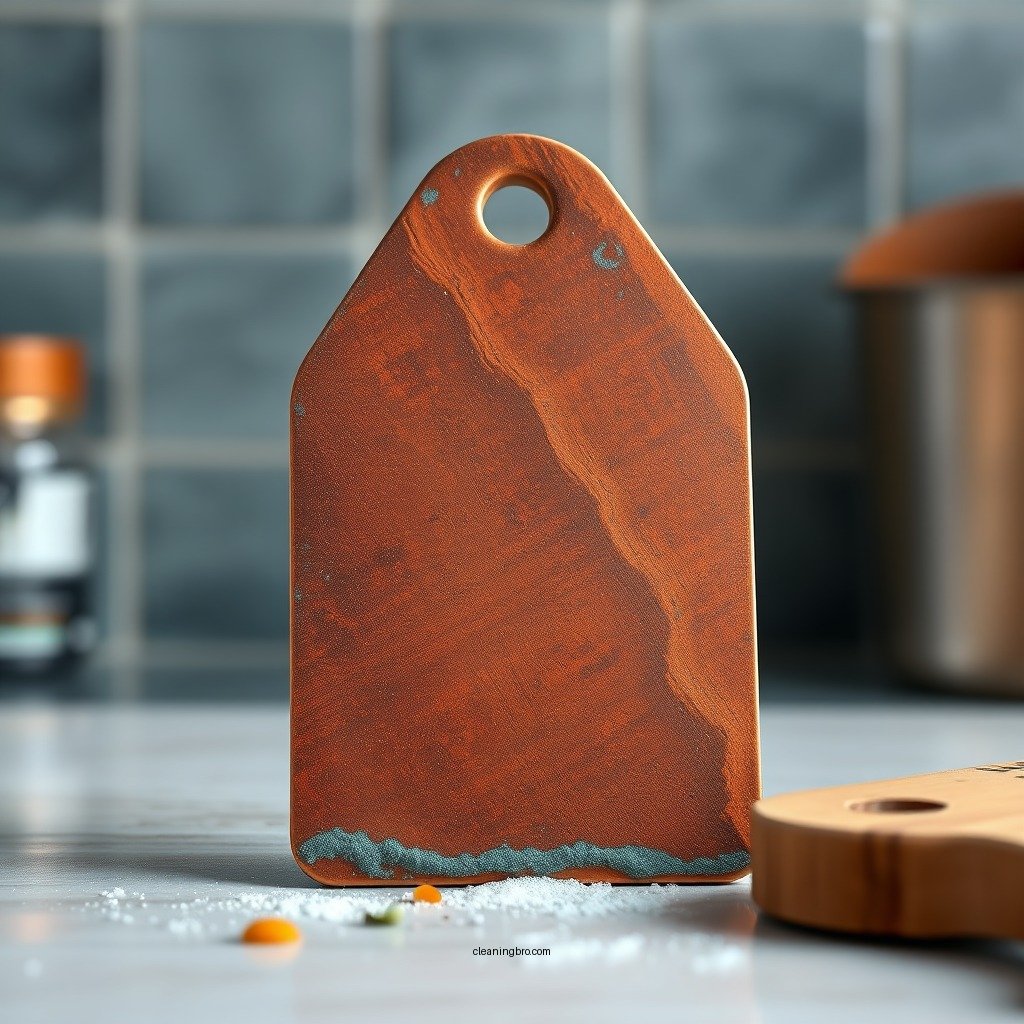
How to Clean a Tarnished Copper Tongue Scraper
To clean a tarnished copper tongue scraper, you can use simple household items like lemon juice and baking soda for effective results. This method not only removes tarnish but also helps maintain the scraper’s shine and hygiene. In this article, you’ll learn various techniques and tips to restore your copper tongue scraper to its original luster.
Copper tongue scrapers are becoming increasingly popular for oral hygiene due to their effectiveness in removing bacteria and food particles from the tongue. However, copper is a reactive metal that can tarnish over time, resulting in a dull and unattractive appearance. Regular cleaning is essential not only for aesthetic reasons but also to ensure that the scraper remains hygienic and effective. This guide will provide you with easy-to-follow methods and tips to restore your copper tongue scraper’s shine while ensuring its longevity.
Understanding Copper Tarnish
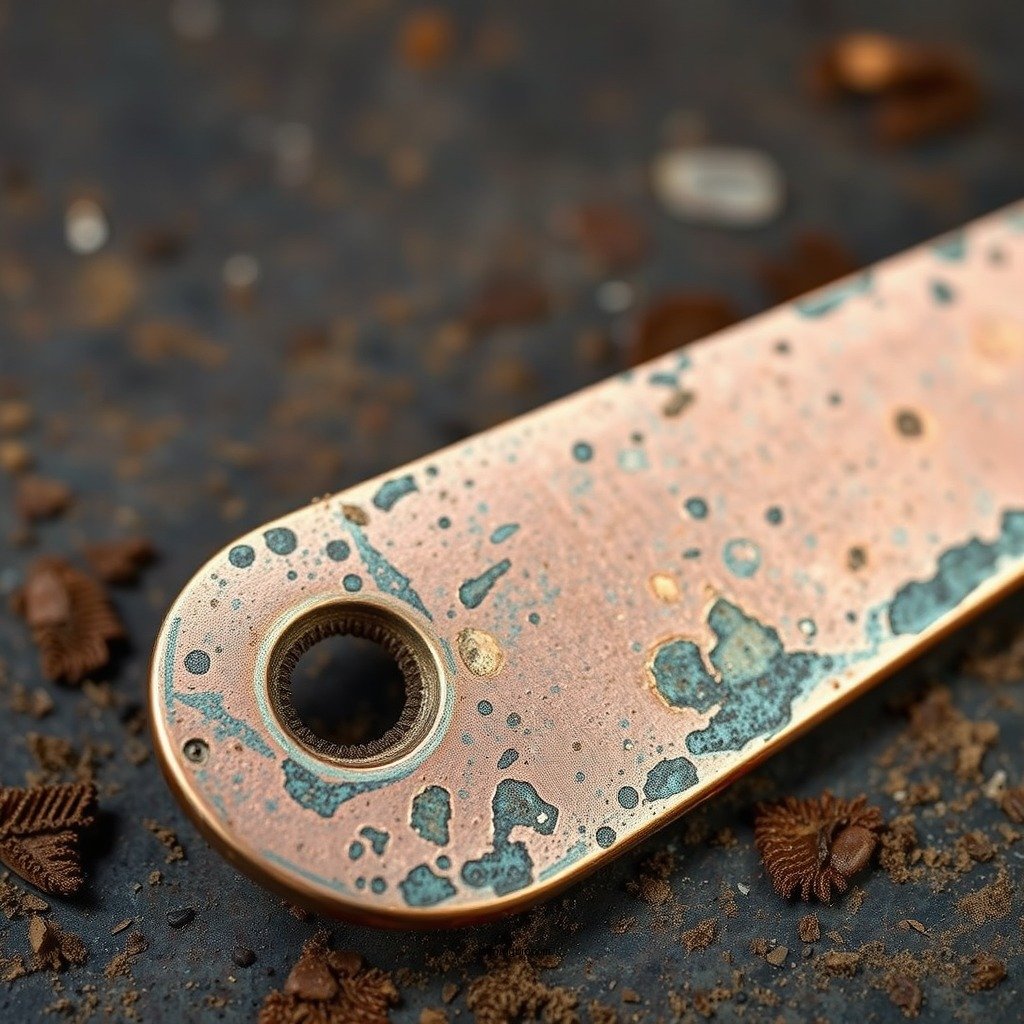
Copper tarnish is primarily caused by oxidation when the metal reacts with air and moisture, leading to the formation of a greenish or brownish layer on the surface. This tarnish is not harmful but can be unsightly. The rate of tarnishing can vary depending on environmental factors such as humidity and exposure to certain substances. For instance, acidic foods or substances can accelerate the tarnishing process.
Regular maintenance can prevent excessive tarnish buildup and prolong the life of your tongue scraper. By establishing a routine cleaning schedule, you can keep your scraper looking new and ensure it functions effectively. Neglecting to clean your copper tongue scraper can lead to the accumulation of bacteria and other harmful pathogens, which can negatively impact your oral health.
Simple Cleaning Methods

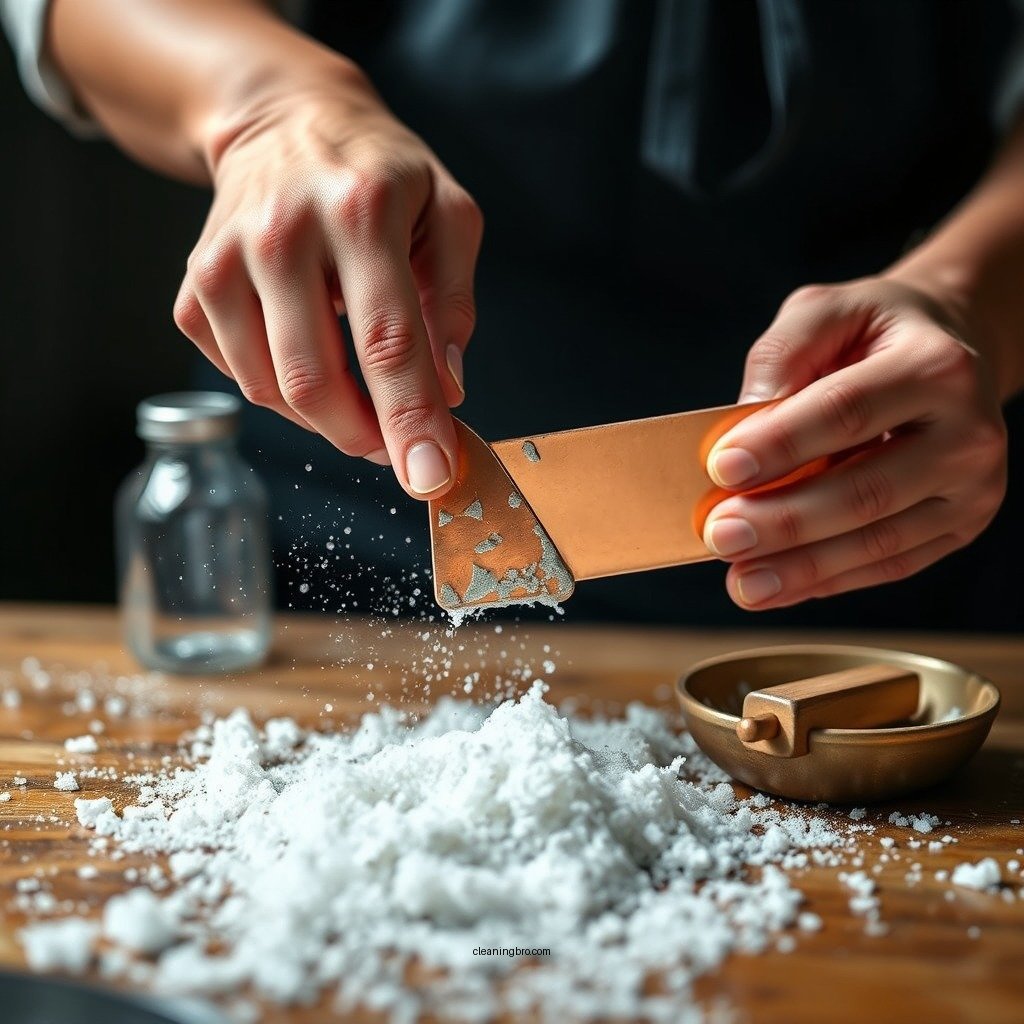
There are several effective methods to clean a tarnished copper tongue scraper. Here are two of the most popular and easily accessible techniques:
– Lemon Juice and Baking Soda: This method utilizes the natural acidity of lemon juice combined with the abrasive quality of baking soda. To create a cleaning paste, mix equal parts of lemon juice and baking soda in a small bowl. Apply the paste to the tarnished areas of the scraper, using a soft cloth or sponge to gently scrub the surface. Rinse thoroughly with warm water and dry with a clean cloth. This method not only removes tarnish but also leaves a shiny finish.
– Vinegar and Salt: This alternative method is also effective in removing tarnish. Create a solution by mixing equal parts of vinegar and salt in a bowl. Soak your copper tongue scraper in the solution for about 10 minutes. After soaking, use a soft cloth to scrub away the tarnish, then rinse well with warm water. This solution effectively lifts tarnish while being gentle on the copper surface.
Cleaning Tools You’ll Need
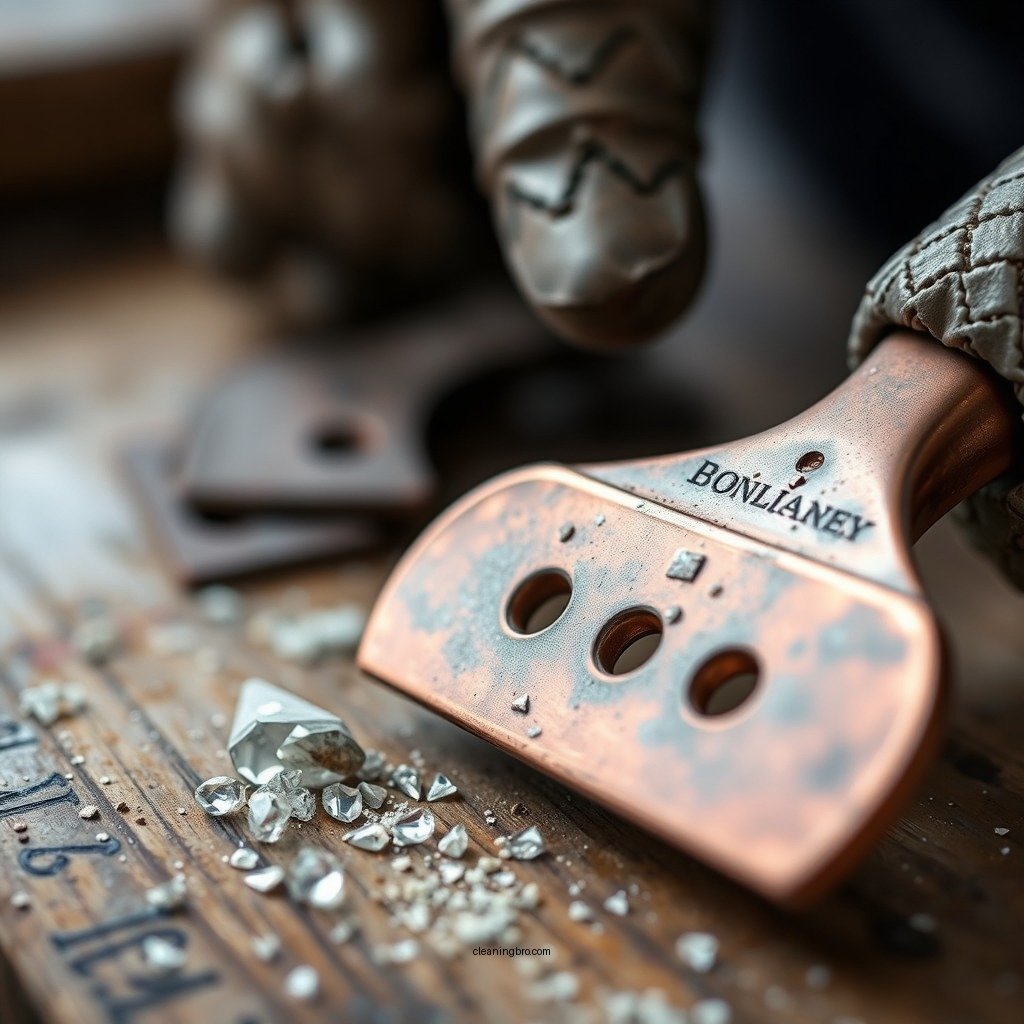
To effectively clean your copper tongue scraper, having the right tools is crucial. Below are the recommended cleaning tools:
– Soft Cloth or Sponge: Select a non-abrasive cleaning cloth or sponge to avoid scratching the surface of your copper scraper. Microfiber cloths are an excellent choice as they are soft and effective in lifting dirt and tarnish.
– Toothbrush: An old toothbrush can help reach crevices and detailed areas of the tongue scraper where tarnish may accumulate. The bristles should be soft to avoid scratching the copper.
Steps for Deep Cleaning
For a more thorough cleaning, follow these steps:
1. Soak the Scraper: Fill a bowl with hot, soapy water and soak the copper tongue scraper for a few minutes. This will help loosen any grime or residue that may have built up.
2. Apply Cleaning Solution: After soaking, take your chosen cleaning solution (either lemon juice and baking soda or vinegar and salt) and apply it with a soft cloth or sponge. Gently scrub the scraper, focusing on tarnished areas.
3. Rinse and Dry: Once you have scrubbed the scraper, rinse it thoroughly under warm running water to remove any cleaning solution. Dry the scraper completely with a clean cloth to prevent moisture from causing further tarnish.
Preventing Future Tarnish
To keep your copper tongue scraper looking pristine, consider implementing the following preventive measures:
– Store Your Scraper Properly: Store your copper tongue scraper in a dry place to minimize exposure to moisture. Avoid leaving it in damp areas, such as the bathroom, where humidity levels can be high.
– Regular Cleaning: Make it a habit to clean your scraper after each use. A quick rinse and wipe can significantly reduce tarnish buildup, ensuring that your scraper remains in good condition.
Additional Care Tips
In addition to cleaning and preventive measures, consider these care tips for maintaining your copper tongue scraper:
– Avoid Abrasive Cleaners: Steer clear of harsh chemicals or abrasive cleaners that can scratch the copper surface. Stick to natural cleaning methods for the best results.
– Protective Coating: Some users opt to apply a protective coating designed for copper to maintain its shine longer. These coatings can provide a protective barrier against tarnishing agents.
Top 7 Copper Cleaning Methods and Their Effectiveness (2023)
| # | Method | Tarnish Removal Effectiveness | Ease of Use | Cost |
|---|---|---|---|---|
| 1 | Lemon Juice and Baking Soda | High | Very Easy | Low |
| 2 | Vinegar and Salt | High | Easy | Low |
| 3 | Commercial Copper Cleaner | Medium | Moderate | Medium |
| 4 | Ketchup | Medium | Easy | Low |
| 5 | Cream of Tartar | Medium | Moderate | Low |
| 6 | Baking Soda Paste | High | Very Easy | Low |
| 7 | Toothpaste | Medium | Easy | Low |
Cleaning Methods: Natural vs Commercial Copper Cleaners
| Feature | ⭐ Natural Method | Commercial Cleaner | Store-Bought Wipes |
|---|---|---|---|
| Effectiveness | High | Medium | Low |
| Cost | Low | Medium | Medium |
| Ease of Use | Very Easy | Moderate | Easy |
| Environmental Impact | ✅ Eco-Friendly | ❌ Chemicals | ❌ Chemicals |
| Availability | Readily available | Commonly found | Widely available |
| Time Required | Short | Varies | Quick |
| Safety | ✅ Safe | ❌ Caution needed | ❌ Caution needed |
| Long-term Effects | Effective over time | Limited | Limited |
| Allergen-Free | ✅ Yes | ❌ No | ❌ No |
| 🏆 Best For | Eco-conscious individuals | Home users | Quick cleaning |
Maintaining the shine and effectiveness of your copper tongue scraper is essential to your oral hygiene routine. By following the cleaning methods and preventive measures outlined in this article, you can ensure that your scraper remains in top condition. The use of natural cleaning agents not only helps in effectively removing tarnish but also promotes a more sustainable approach to cleaning.
In conclusion, regular cleaning and proper care are key to preserving your copper tongue scraper’s aesthetic appeal and functionality. Implementing simple cleaning techniques with household items, coupled with preventive measures, will enhance not only the lifespan of your scraper but also contribute to better oral health.
Frequently Asked Questions
How do I remove tarnish from my copper tongue scraper?
To remove tarnish from your copper tongue scraper, create a paste using equal parts baking soda and vinegar. Apply the paste to the tarnished areas and gently rub with a soft cloth or sponge. Rinse thoroughly with warm water and dry immediately to prevent further tarnishing.
What household items can I use to clean a tarnished copper tongue scraper?
Common household items like lemon juice, baking soda, and white vinegar are effective for cleaning a tarnished copper tongue scraper. You can mix baking soda with lemon juice to form a paste or soak the scraper in a vinegar solution for about 10 minutes before scrubbing it clean.
Why does my copper tongue scraper tarnish over time?
Copper tarnishes due to a chemical reaction with oxygen and moisture in the air, forming copper oxide. The natural oils and bacteria from your mouth can also contribute to tarnishing, making regular cleaning essential to maintain its shine and hygiene.
What is the best method to maintain a copper tongue scraper after cleaning?
The best method to maintain a copper tongue scraper involves regular cleaning after each use with warm water and mild soap, followed by thorough drying. To prevent tarnishing, store it in a dry place and consider applying a thin layer of mineral oil occasionally to protect the surface.
Which cleaning products should I avoid when cleaning a copper tongue scraper?
Avoid using abrasive cleaners, bleach, or any harsh chemicals when cleaning your copper tongue scraper, as they can scratch the surface or cause further tarnishing. Stick to gentle, natural cleaning solutions like vinegar or baking soda to ensure the longevity and effectiveness of your scraper.
References
- Copper
https://en.wikipedia.org/wiki/Copper#Uses - https://www.ncbi.nlm.nih.gov/pmc/articles/PMC6104702/
https://www.ncbi.nlm.nih.gov/pmc/articles/PMC6104702/ - https://www.ncbi.nlm.nih.gov/pmc/articles/PMC4091966/
https://www.ncbi.nlm.nih.gov/pmc/articles/PMC4091966/ - https://www.mayoclinic.org/healthy-lifestyle/adult-health/in-depth/oral-hygiene/art-20045936
https://www.mayoclinic.org/healthy-lifestyle/adult-health/in-depth/oral-hygiene/art-20045936 - https://www.sciencedirect.com/topics/earth-and-planetary-sciences/copper
https://www.sciencedirect.com/topics/earth-and-planetary-sciences/copper - Copper | Uses, Properties, & Facts | Britannica
https://www.britannica.com/science/copper - https://www.cdc.gov/oralhealth/publications/ohh/cleaning-tongue-scrapers.html
https://www.cdc.gov/oralhealth/publications/ohh/cleaning-tongue-scrapers.html - Google Scholar Google Scholar
https://scholar.google.com/scholar?q=cleaning+tarnished+copper+tongue+scraper - Google Scholar Google Scholar
https://scholar.google.com/scholar?q=oral+hygiene+copper+tongue+scraper - Google Scholar Google Scholar
https://scholar.google.com/scholar?q=cleaning+methods+copper+scraper