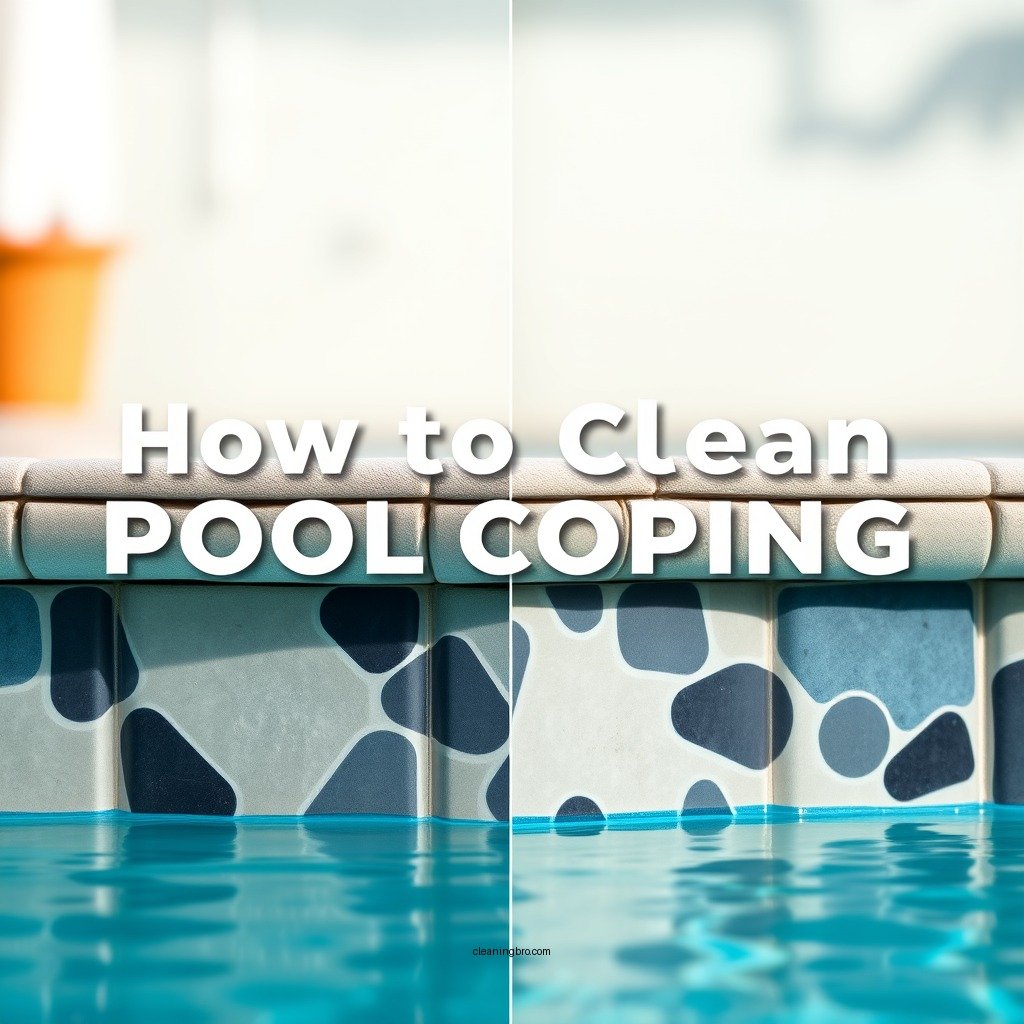
How to Clean Pool Coping: A Step-by-Step Guide
Cleaning pool coping is essential for maintaining your pool’s appearance and longevity. To effectively clean pool coping, you’ll want to use the right tools and techniques tailored to the material of your coping. In this guide, you’ll learn the best methods for cleaning various types of pool coping, ensuring your pool area looks pristine.
Understanding Pool Coping Materials
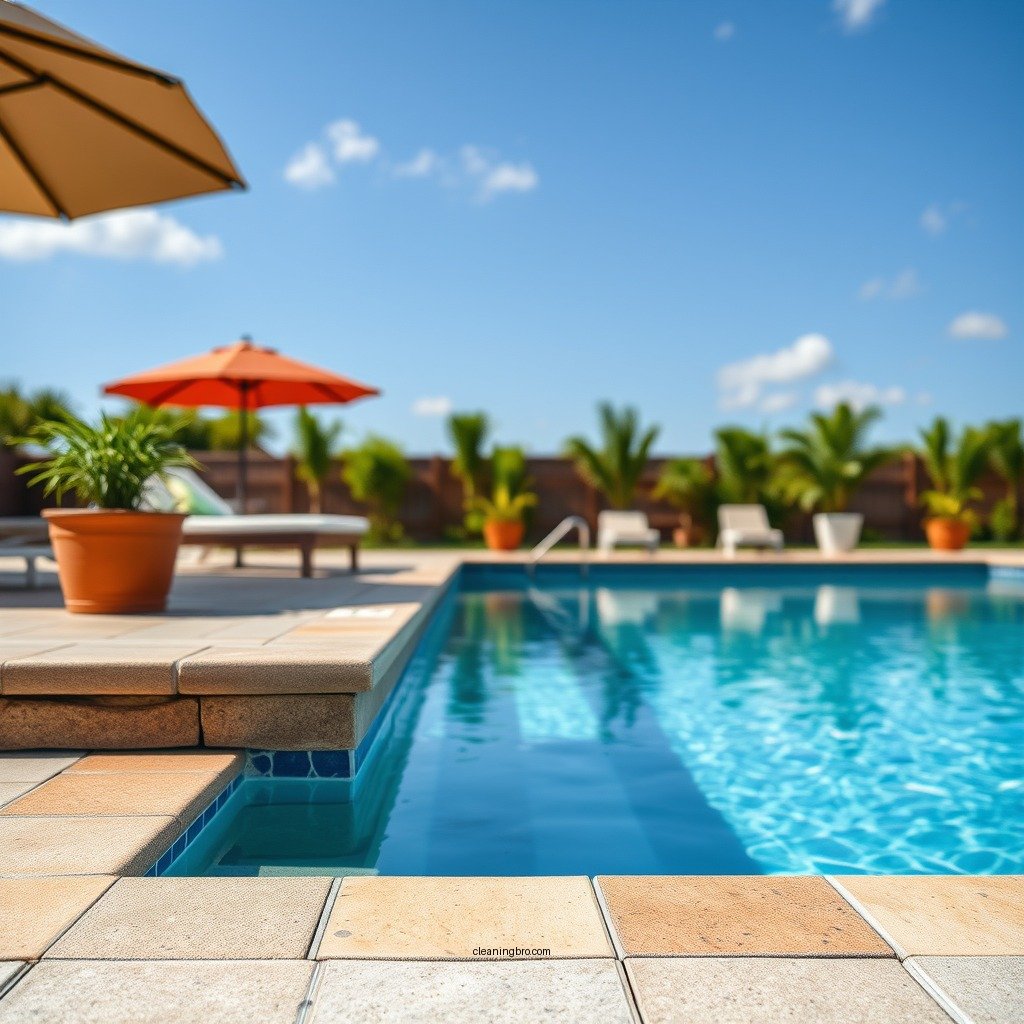
Pool coping serves as the edge between the pool and the surrounding deck, and it’s available in several materials that can significantly influence the cleaning approach. The most common types include:
– Concrete: Durable and easy to mold, concrete coping can be stained over time, requiring specific cleaners that do not compromise its integrity.
– Stone: Natural stone coping, such as granite or slate, adds elegance but can harbor moss and algae. It requires gentle cleaning methods to avoid scratching.
– Tile: Ceramic or porcelain tiles are popular due to their aesthetic appeal. They can be easily cleaned but may need special attention to grout lines.
– Brick: Classic brick coping is porous and can absorb stains. Regular cleaning is necessary to prevent deterioration.
Understanding these materials helps in selecting the right cleaning products and techniques, ensuring effective and safe maintenance.
Essential Tools and Supplies
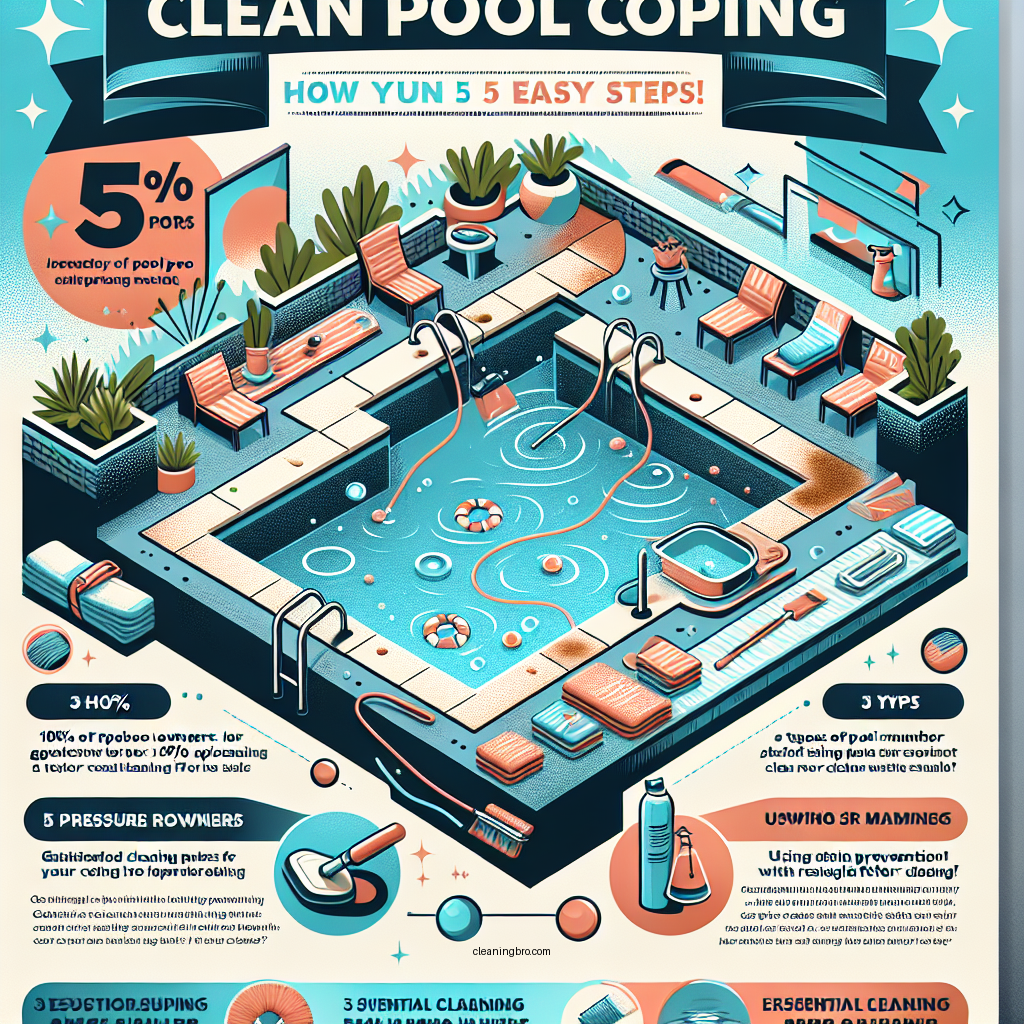
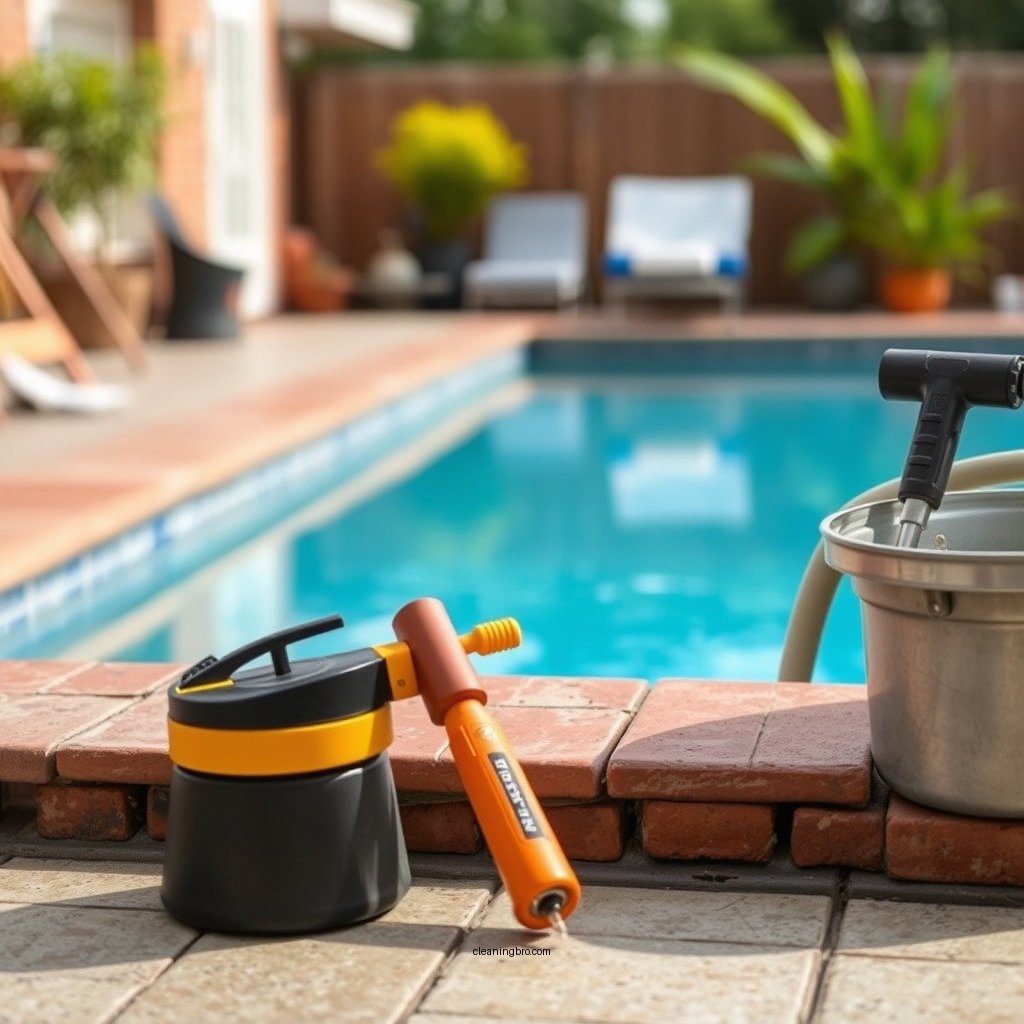
To clean pool coping effectively, you’ll need a variety of tools and supplies that cater to the specific material of your coping. Here’s a list of essential items:
– Cleaning Brushes: Soft-bristled brushes for stone and tile, and stiff brushes for concrete.
– Sponges: Non-abrasive sponges for gentle scrubbing without damaging surfaces.
– Pressure Washer: Ideal for concrete and brick, but use with caution on softer materials like stone.
– Cleaning Solutions:
– Mild Detergents: Safe for all surfaces; effective for general cleaning.
– Vinegar: A natural solution for removing mineral deposits and algae.
– Specialized Pool Cleaners: Formulated to tackle specific stains without damaging the coping material.
Having the right tools and supplies will streamline your cleaning process and promote a better outcome.
Step-by-Step Cleaning Process
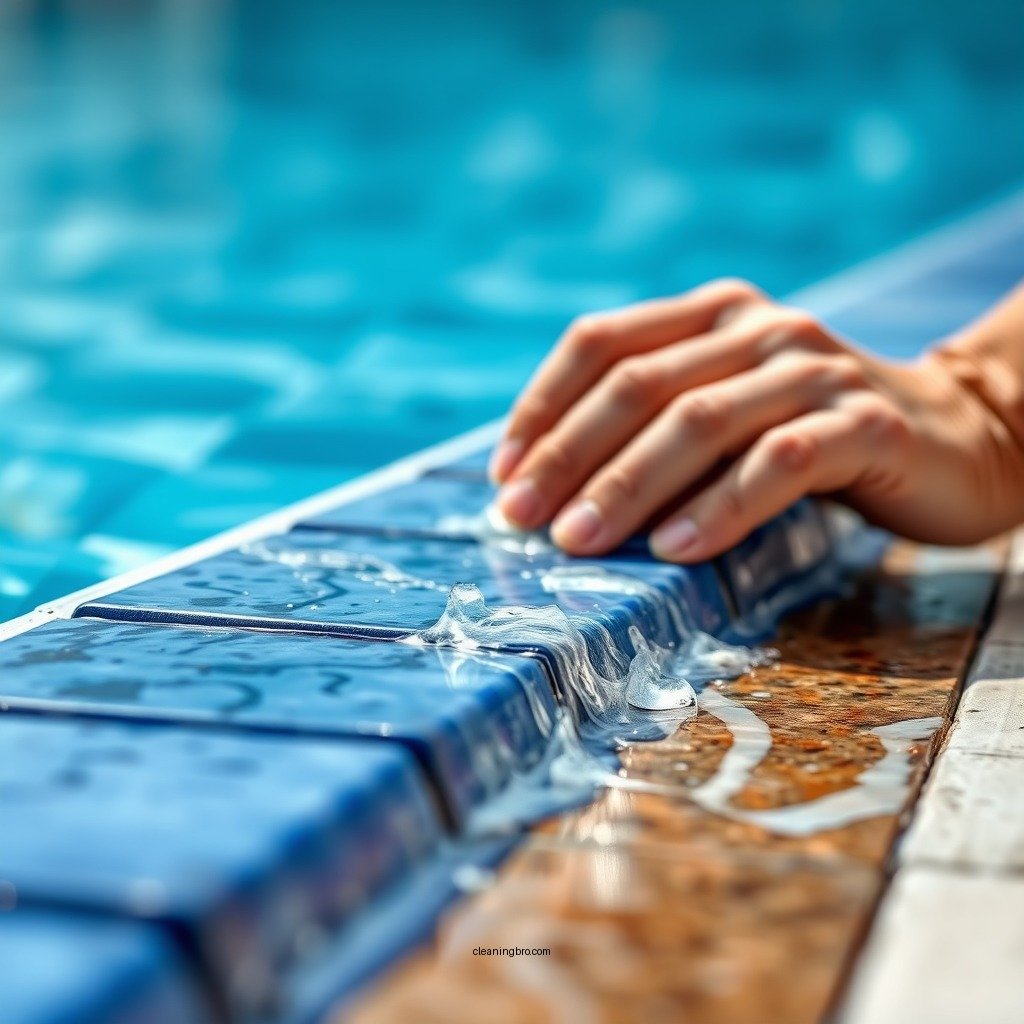
Cleaning pool coping involves several preparation and execution steps:
1. Preparation:
– Drain the Pool: If necessary, to provide easy access to the coping.
– Remove Debris: Clear leaves, dirt, and other debris from the coping area using a broom or leaf blower.
2. Cleaning Techniques:
– Concrete: Use a pressure washer or a stiff brush with a mild detergent solution. Rinse thoroughly to remove any cleaner residue.
– Stone: Apply a vinegar solution (1:1 ratio with water) and scrub gently with a soft brush. Rinse with water.
– Tile: Use a sponge and a mild detergent to clean tiles and grout. For stubborn stains, a specialized tile cleaner may be needed.
– Brick: Scrub with a stiff brush and a mild detergent. Consider using a pressure washer for deep cleaning, ensuring to maintain a safe distance.
Following these tailored techniques will ensure that your pool coping is cleaned thoroughly and effectively.
Cleaning Solutions Effectiveness for Pool Coping Materials
| # | Material | Recommended Cleaner | Effectiveness |
|---|---|---|---|
| 1 | Concrete | Pressure Washer | High |
| 2 | Stone | Vinegar Solution | Medium |
| 3 | Tile | Mild Detergent | High |
| 4 | Brick | Stiff Brush & Detergent | Medium |
| 5 | Natural Stone | Gentle Cleaner | High |
| 6 | Porcelain Tile | Specialty Tile Cleaner | High |
| 7 | Granite | pH-Balanced Cleaner | High |
Dealing with Stains and Grime
Stains on pool coping can arise from various sources, including algae growth, mineral deposits, and organic debris. Here are common types of stains and effective methods to tackle them:
– Algae: Common in moist environments, algae can create slippery surfaces. Use a solution of vinegar and water or a specialized pool algaecide, scrubbing with a soft brush.
– Mineral Deposits: Hard water can leave unsightly calcium deposits on coping. A mixture of vinegar and water or a commercial descaler can effectively dissolve these deposits.
– Organic Stains: Leaves and other organic materials can stain coping. A mixture of mild detergent and water should suffice for routine cleaning.
Scrubbing techniques vary based on the material, but generally, using a soft brush for delicate surfaces and a stiffer brush for more robust materials like concrete is recommended.
Preventative Maintenance Tips
Preventative maintenance is crucial for ensuring the longevity and appearance of your pool coping. Here are some tips:
– Regular Cleaning Schedule: Implement a routine cleaning schedule, ideally bi-weekly, to prevent the buildup of dirt, algae, and stains.
– Protective Coatings: Consider applying a sealant or protective coating suitable for your coping material. This not only enhances appearance but also provides a barrier against stains and weathering.
– Proper Drainage: Ensure that water drains away from the coping to prevent standing water, which can lead to algae growth and deterioration.
By adhering to these maintenance practices, you can extend the life of your pool coping and keep it looking pristine.
Safety Considerations
Safety is paramount when cleaning pool coping. Here are some important considerations:
– Safety Gear: Always wear gloves and goggles when handling cleaning solutions or when using a pressure washer to protect against chemicals and debris.
– Chemical Safety: Read labels carefully and use cleaning agents as directed. Mixing chemicals can be dangerous, so avoid combining products unless specified by the manufacturer.
– Equipment Handling: If using a pressure washer, ensure you are familiar with the equipment to avoid accidents. Maintain a safe distance from surfaces to prevent damage.
Taking these safety precautions will help ensure a safe and effective cleaning process.
When to Seek Professional Help
While many homeowners can tackle basic cleaning tasks, there are situations when hiring a professional is advisable:
– Severe Staining: If stains are deeply embedded or persistent, professionals have access to advanced cleaning techniques and strong solutions that can restore your coping without damage.
– Material Damage: If you suspect your coping has suffered from wear or structural damage, it’s best to consult a professional who can assess the situation and recommend repairs or replacements.
– Time Constraints: If your schedule doesn’t allow for adequate cleaning, hiring a service can ensure your pool remains in excellent condition without taking time away from your other responsibilities.
Professionals can provide deeper cleaning and restoration services that might not be possible with DIY methods.
Summarizing the key points discussed, cleaning your pool coping involves understanding the material, using the right tools and cleaning solutions, and maintaining a regular cleaning schedule. By following these steps, you can keep your pool area looking great and extend the life of your coping. For best results, consider your options for professional cleaning if needed. Now, grab your supplies and get started on making your pool coping shine!
Frequently Asked Questions
What is the best way to clean pool coping without damaging it?
The best way to clean pool coping is to use a gentle cleaning solution made from water and a mild detergent or a specialized pool coping cleaner. Always avoid abrasive scrubbers that can scratch the surface. For natural stone coping, consider using a pH-balanced cleaner to preserve its finish.
How often should I clean my pool coping to maintain its appearance?
You should clean your pool coping at least once a month to prevent buildup of dirt, algae, and calcium deposits. Frequent cleaning helps maintain both the aesthetic appeal and structural integrity of the coping. During peak swimming season, you may need to clean it more often.
Why is it important to clean pool coping regularly?
Regular cleaning of pool coping is crucial to prevent the growth of algae and mold, which can make the area slippery and unsafe. Additionally, neglecting to clean can lead to staining and deterioration, ultimately requiring costly repairs or replacement. Keeping it clean enhances the overall look of your pool area.
Which tools and products are recommended for cleaning pool coping effectively?
Recommended tools for cleaning pool coping include a soft-bristle brush, a pool vacuum, and a pressure washer for tougher stains. For cleaning products, look for non-acidic, biodegradable cleaners or a mixture of vinegar and water. Always test a small area first to ensure compatibility with your specific coping material.
How do I remove tough stains from pool coping?
To remove tough stains from pool coping, start by applying a paste made from baking soda and water directly to the stain and let it sit for 15-20 minutes. Scrub gently with a soft brush and rinse thoroughly. For persistent stains, consider using a specialized stain remover designed for your coping material, following the manufacturer’s instructions carefully.
References
- Swimming pool
https://en.wikipedia.org/wiki/Swimming_pool - Swimming and Your Health | Healthy Swimming | CDC
https://www.cdc.gov/healthywater/swimming/index.html - https://www.nature.com/articles/s41598-019-57593-4
https://www.nature.com/articles/s41598-019-57593-4 - https://www.sciencedirect.com/science/article/pii/S2351978918300216
https://www.sciencedirect.com/science/article/pii/S2351978918300216 - https://pubmed.ncbi.nlm.nih.gov/31022821/
https://pubmed.ncbi.nlm.nih.gov/31022821/ - https://www.britannica.com/technology/pool
https://www.britannica.com/technology/pool - Google Scholar Google Scholar
https://scholar.google.com/scholar?q=how+to+clean+pool+coping - Google Scholar Google Scholar
https://scholar.google.com/scholar?q=pool+maintenance+cleaning - Google Scholar Google Scholar
https://scholar.google.com/scholar?q=cleaning+swimming+pool+coping - https://www.reuters.com/article/us-health-pool-cleaning-insight-idUSKBN1X92AN
https://www.reuters.com/article/us-health-pool-cleaning-insight-idUSKBN1X92AN