How to Clear a Squib Load: Step-by-Step Guide
Clearing a squib load requires immediate action to ensure safety and prevent damage to your firearm. A squib load is a potentially dangerous situation where a bullet becomes lodged in the barrel due to insufficient powder charge or other loading errors. This guide will walk you through the steps necessary to safely remove a squib load from your gun, emphasizing the importance of proper handling and preventive measures to avoid such occurrences in the future.
Understanding Squib Loads
A squib load refers to a situation where a cartridge fails to generate enough pressure to propel the bullet out of the barrel. This can occur due to various reasons, such as insufficient powder charge, a blocked barrel, or a faulty primer. The consequences of a squib load can be severe, including damage to the firearm and potential injury to the shooter or bystanders.
Common signs that indicate a squib load include a noticeably quieter sound upon firing, a failure to cycle the action on semi-automatic firearms, or an unusual recoil that feels less than expected. If you experience any of these symptoms, it is imperative to act quickly and safely to address the situation.
Safety First
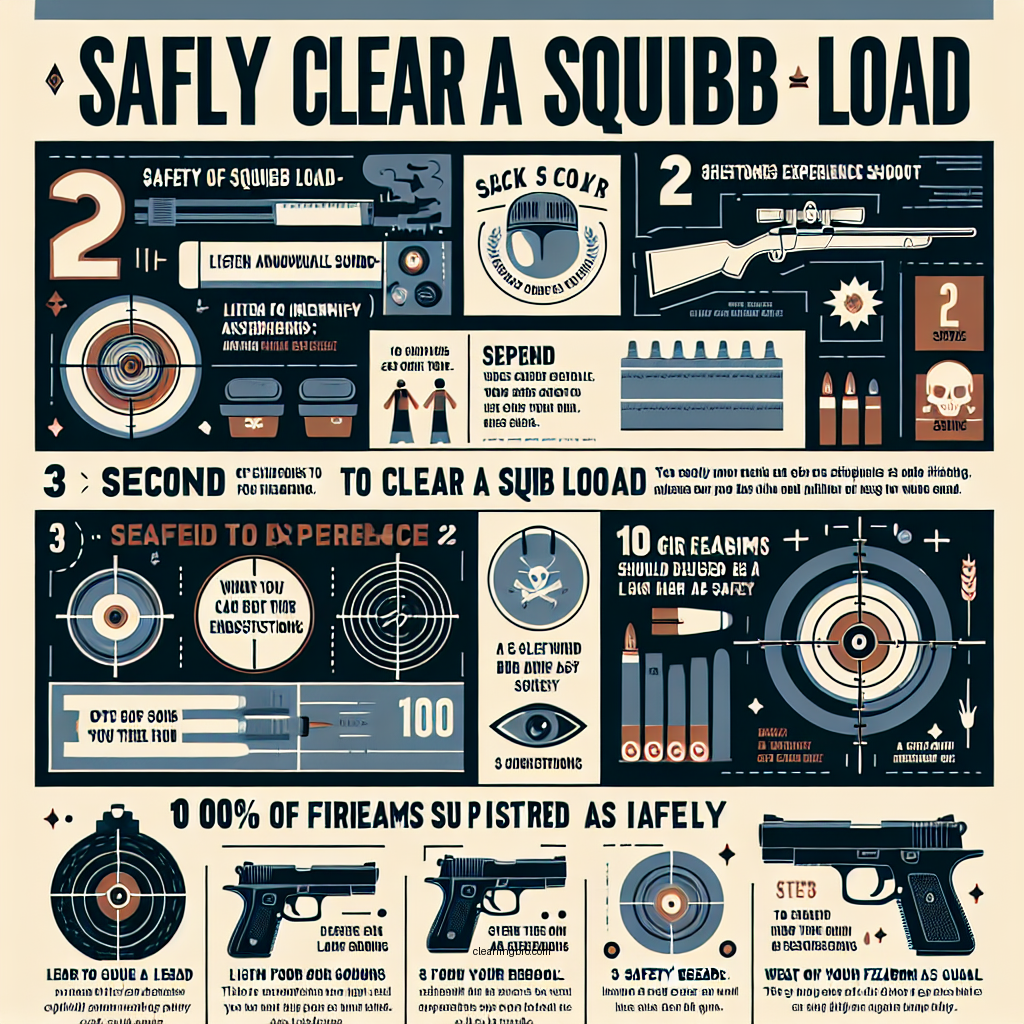
Safety should always be the foremost consideration when handling firearms, especially in cases of potential squib loads. Treat every firearm as if it is loaded, even if you believe it to be unloaded. This mindset helps foster a culture of safety and accountability.
When dealing with a squib load, wearing appropriate safety gear is essential. Recommended safety gear includes:
– Eye Protection: Safety glasses or goggles to protect your eyes from any debris or accidental discharge.
– Gloves: While not always necessary, gloves can provide an additional layer of protection against lead exposure or sharp edges.
Steps to Identify a Squib Load
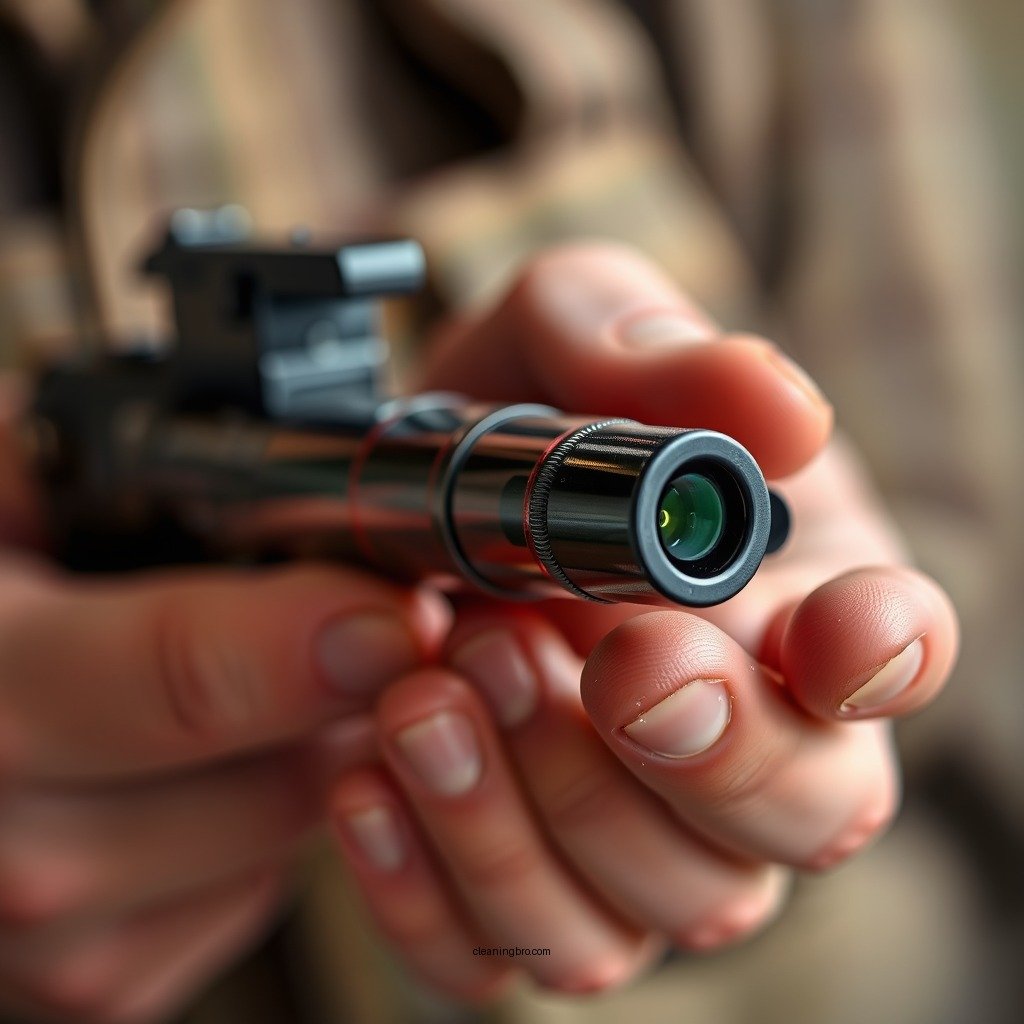
Recognizing the signs of a squib load early can save you from serious complications. Here’s how to identify a squib load effectively:
1. Listen for Unusual Sounds: A normal gunshot should produce a loud bang. If you hear a soft pop or no sound at all, it may indicate a squib load.
2. Feel the Recoil: If the recoil feels significantly lighter than usual, or if the action does not cycle on a semi-automatic firearm, you may have a squib load.
3. Inspect the Barrel: After identifying a potential squib load, it is crucial to inspect the barrel for any obstruction. Look down the barrel using a flashlight to see if there is a bullet lodged inside.
Clearing the Squib Load
Once you have confirmed the presence of a squib load, follow these steps to safely clear it:
1. Ensure the Firearm is Unloaded: Remove the magazine and visually inspect the chamber to ensure no live rounds are present.
2. Prepare the Necessary Tools: You will need a cleaning rod or ramrod—these tools allow you to push the lodged bullet out of the barrel. A mallet may also be useful for providing extra force.
3. Insert the Rod: Carefully insert the cleaning rod or ramrod into the muzzle of the barrel until it makes contact with the lodged bullet.
4. Apply Steady Pressure: Gently tap the rod with a mallet to dislodge the bullet. Ensure you maintain control and avoid excessive force to prevent damaging the barrel.
5. Inspect the Barrel Again: After clearing the bullet, inspect the barrel once more to ensure it is free of obstructions.
6. Reassemble and Test Fire: Only after confirming the firearm is clear should you reassemble it and conduct a test fire with a new round.
Tools You May Need
– Cleaning Rod or Ramrod: For pushing out the lodged bullet.
– Mallet: A small mallet can provide the necessary force to dislodge the bullet.
– Flashlight: To inspect the barrel for obstructions.
Inspecting Your Firearm
After successfully clearing the squib load, it is essential to conduct a thorough inspection of your firearm. Check for any signs of damage to the barrel, chamber, or other components. Look for:
– Cracks or Deformations: Inspect the barrel for any visible cracks or bulges, which could indicate internal damage.
– Check the Action: Ensure that all moving parts are functioning properly and that the firearm cycles smoothly.
– Lubrication and Maintenance: Consider performing standard cleaning and lubrication to ensure the firearm operates efficiently.
Preventing Squib Loads
Preventive measures can significantly reduce the risk of experiencing a squib load. Here are some tips to consider:
– Proper Ammunition Selection: Use reputable brands and ensure that the ammunition matches the specifications of your firearm. Avoid reloaded ammunition unless it comes from a trusted source.
– Storage Conditions: Store ammunition in a cool, dry place to prevent moisture damage and degradation of the powder.
– Careful Loading Practices: When loading ammunition, double-check each round to ensure proper powder charge and seating depth. Utilize a reloading scale for accuracy if you reload your own ammunition.
When to Seek Professional Help
If you encounter significant issues while attempting to clear a squib load or if you suspect damage to your firearm, it is crucial to consult a professional gunsmith. Signs that indicate you should seek professional help include:
– Persistent Issues: If the firearm continues to malfunction or exhibit unusual behavior after clearing the squib load.
– Visible Damage: Any visible cracks or deformities in the barrel or action components.
– Lack of Experience: If you are unsure about the repair process or lack confidence in your abilities, it’s always better to err on the side of caution.
Summarizing the steps to clear a squib load highlights the importance of safety and proper technique. Always handle firearms with care, and if you’re unsure, don’t hesitate to seek professional guidance. For more tips on firearm maintenance and safety, check out our other articles or subscribe for updates.
Common Causes of Squib Loads (2023)
| # | Cause | Frequency (%) | Severity |
|---|---|---|---|
| 1 | Insufficient Powder Charge | 65% | High |
| 2 | Blocked Barrel | 20% | Medium |
| 3 | Faulty Primer | 10% | Medium |
| 4 | Poor Quality Ammunition | 5% | Low |
| 5 | Inadequate Maintenance | 5% | Medium |
| 6 | User Error During Reloading | 3% | High |
| 7 | Environmental Factors (e.g., Humidity) | 2% | Low |
Firearm Maintenance Tools: Essential Comparison
| Feature | ⭐ Cleaning Rod | Mallet | Safety Glasses |
|---|---|---|---|
| Price | $10 | $5 | $15 |
| Versatility | ✅ Multi-caliber | ❌ Limited | ✅ Universal |
| Durability | ✅ High | ✅ Medium | ❌ Low |
| Ease of Use | ✅ Simple | ✅ Easy | ✅ Simple |
| Compact Size | ✅ Yes | ✅ Yes | ❌ No |
| Weight | Light | Light | Heavy |
| Availability | Widely Available | Widely Available | Commonly Available |
| User Reviews | ★★★★☆ | ★★★★☆ | ★★★☆☆ |
| Warranty | 1 Year | 6 Months | 1 Year |
| 🏆 Best For | General Maintenance | Occasional Use | Safety & Protection |
Frequently Asked Questions
What is a squib load and how does it occur?
A squib load is a type of ammunition malfunction where a bullet does not have enough force to exit the barrel, often due to insufficient primer charge or a blockage. This can occur due to defective ammunition, improper reloading, or excessive fouling in the barrel. Recognizing squib loads is crucial for safe shooting practices.
How can I safely clear a squib load from my firearm?
To safely clear a squib load, first ensure the firearm is pointed in a safe direction. Then, unload the weapon and visually inspect the barrel to confirm the bullet is stuck. Use a cleaning rod or a wooden dowel to gently push the bullet out of the barrel, being careful not to damage the firearm.
Why is it important to address a squib load immediately?
Addressing a squib load immediately is vital because failing to do so can lead to a dangerous situation, such as a subsequent round being fired into a blocked barrel. This can cause severe damage to the firearm and pose a serious risk of injury to the shooter and bystanders. Timely intervention helps maintain safety and prevent further complications.
What are the signs that I have a squib load in my firearm?
Signs of a squib load include an unusual sound when firing, such as a “pop” instead of a “bang,” or a noticeably reduced recoil. Additionally, if you see smoke but do not see a bullet impact downrange, it’s likely that a squib load has occurred. Always inspect your firearm after any unusual firing behavior.
Which tools do I need to clear a squib load effectively?
To clear a squib load effectively, you will need a cleaning rod or a wooden dowel that fits your firearm’s barrel diameter, and possibly a mallet to help dislodge the bullet. Additionally, having safety glasses and gloves can protect you while handling the situation. Always prioritize safety when dealing with ammunition malfunctions.
References
- Squib load
https://en.wikipedia.org/wiki/Squib_load - Substance Use Disorder (Archived) – StatPearls – NCBI Bookshelf
https://www.ncbi.nlm.nih.gov/books/NBK570642/ - https://pubmed.ncbi.nlm.nih.gov/24699929/
https://pubmed.ncbi.nlm.nih.gov/24699929/ - https://www.thetruthaboutguns.com/how-to-clear-a-squib-load/
https://www.thetruthaboutguns.com/how-to-clear-a-squib-load/ - Google Scholar Google Scholar
https://scholar.google.com/scholar?q=squib+load+clearing - Google Scholar Google Scholar
https://scholar.google.com/scholar?q=squib+load+firearms - NRA-ILA | Home
https://www.nraila.org/articles/20120302/safety-squib-loads - https://www.sciencedirect.com/topics/engineering/squib-load
https://www.sciencedirect.com/topics/engineering/squib-load - https://www.bbc.com/news/world-us-canada-46050461
https://www.bbc.com/news/world-us-canada-46050461 - https://www.ncbi.nlm.nih.gov/pmc/articles/PMC8010748/
https://www.ncbi.nlm.nih.gov/pmc/articles/PMC8010748/