How to Clean a Self-Healing Cutting Mat Effectively
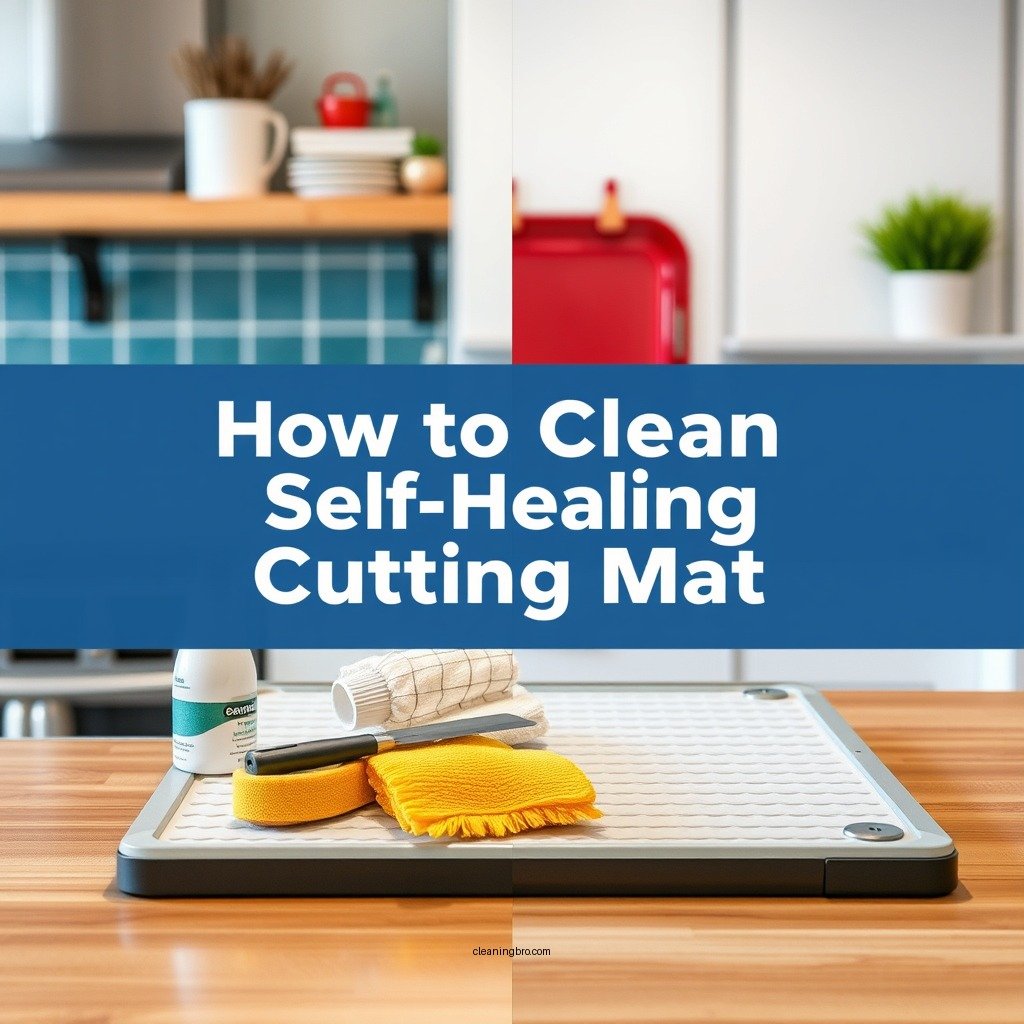
Cleaning a self-healing cutting mat is essential for maintaining its longevity and performance. To clean your mat effectively, start by using a gentle soap solution and a soft cloth to remove debris and stains. This guide will walk you through the best practices for keeping your cutting mat in pristine condition.
Understanding Self-Healing Cutting Mats
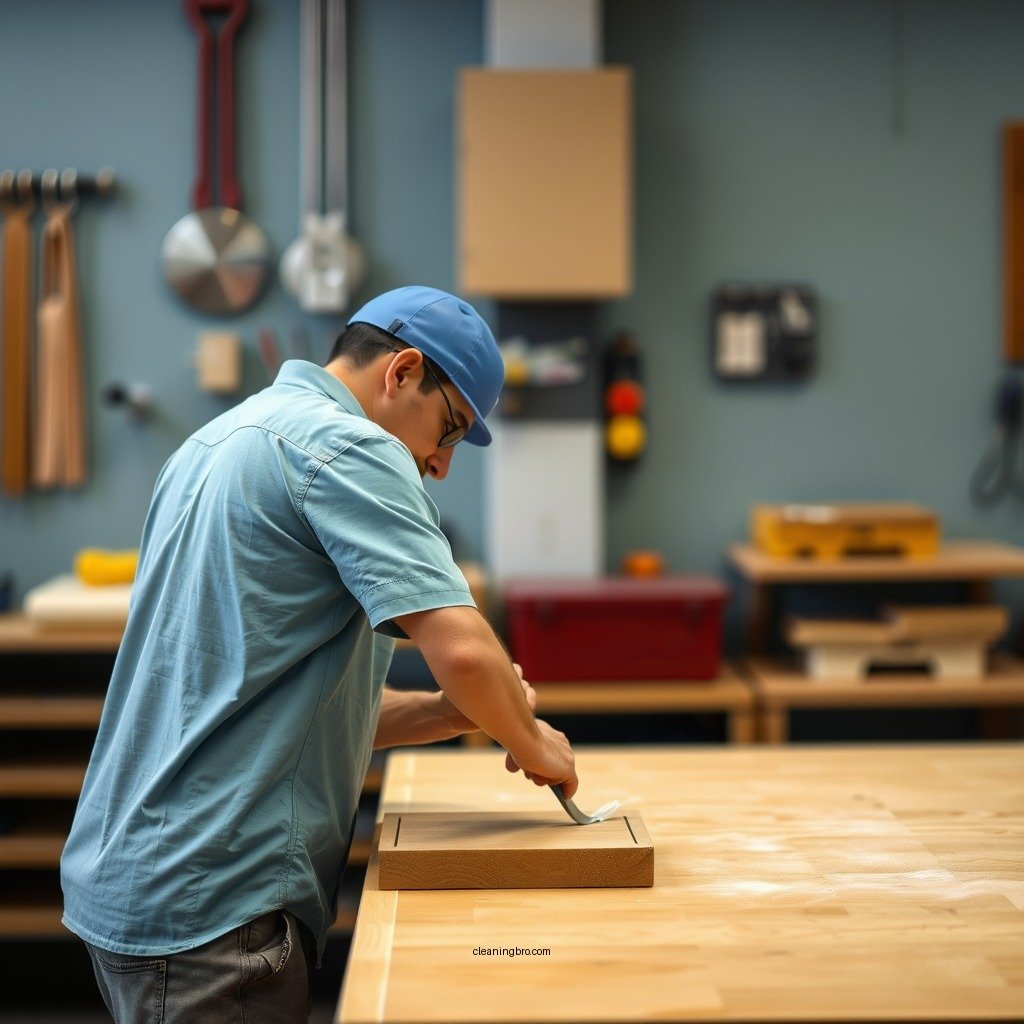
Self-healing cutting mats are specialized tools that cater to the needs of crafters, designers, and hobbyists. Made from a unique composite material, these mats contain a self-healing property that allows them to close up after being cut, thus maintaining a smooth and flat surface for future use. This feature not only protects your blades from dulling too quickly but also safeguards your work surfaces from damage, making them indispensable for any cutting project.
These mats are typically marked with grid lines to assist in precise measurements and cuts. The grid helps users align their materials accurately, enhancing the overall quality of the work produced. The durability and versatility of self-healing mats make them suitable for a variety of applications, including quilting, sewing, scrapbooking, and general crafting. Understanding these properties is crucial in appreciating the importance of proper maintenance, ensuring that the mat retains its functional and aesthetic qualities over time.
Essential Cleaning Supplies
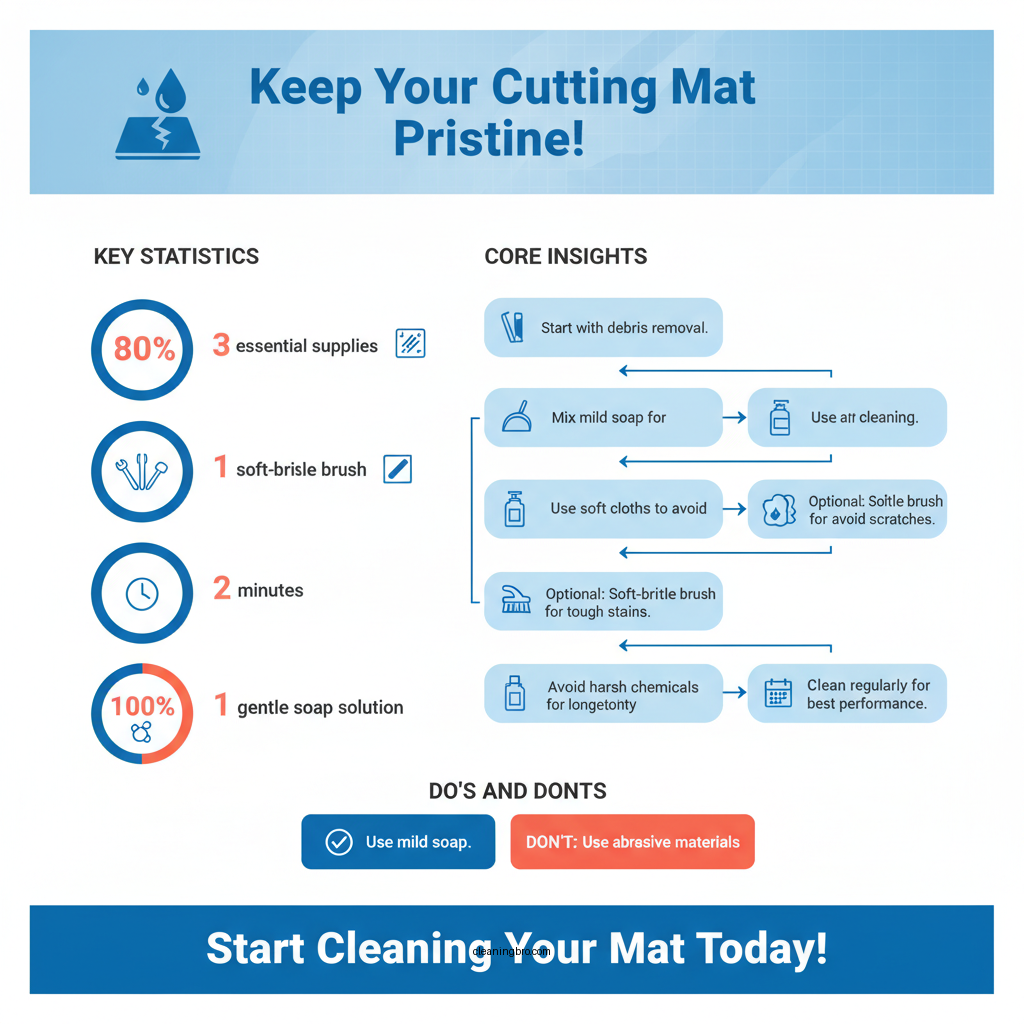
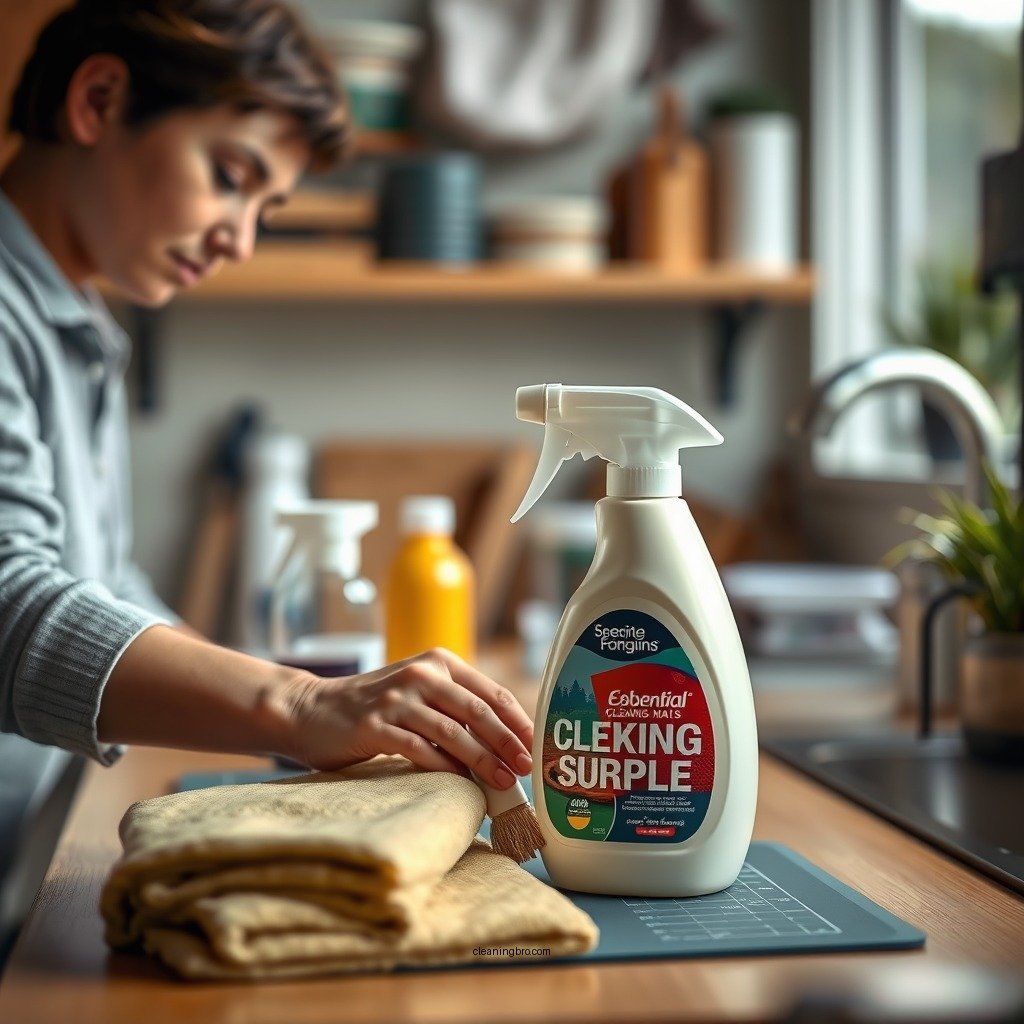
To effectively clean your self-healing cutting mat, you’ll need a few essential supplies:
– Mild Soap or Dish Detergent: This is crucial for breaking down grime and residue without damaging the mat’s surface.
– Soft Cloth or Sponge: Opt for a non-abrasive cloth or sponge to prevent scratching the mat. This ensures that the self-healing properties remain intact.
– Soft-Bristle Brush (Optional): For textured areas or stubborn stains, a soft-bristle brush can be beneficial. It allows for a gentle scrubbing action without risking damage.
Having these supplies on hand will make the cleaning process smooth and efficient. It’s important to avoid harsh chemicals or abrasive materials, as they can compromise the integrity of the mat.
Step-by-Step Cleaning Process
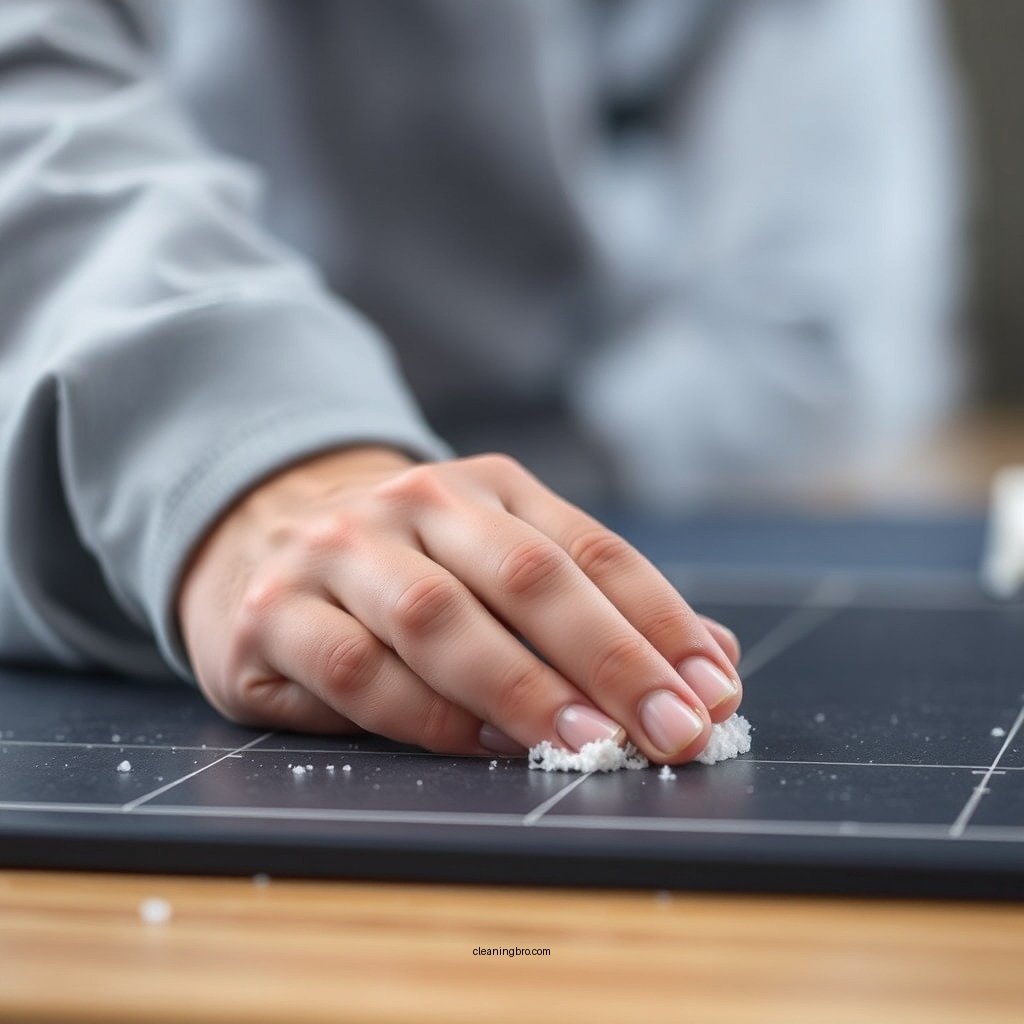
The cleaning process for your self-healing cutting mat can be broken down into a few simple steps:
1. Remove Loose Debris: Begin by clearing any fabric scraps, dust, or debris from the surface of the mat. A soft brush or your hands can help in this process. This step is crucial to prevent scratching during the cleaning process.
2. Prepare the Cleaning Solution: Mix a few drops of mild soap with warm water in a bowl. Ensure the soap is well-diluted to avoid leaving any residues that could interfere with the mat’s performance.
3. Wipe the Surface: Dampen your soft cloth or sponge with the soapy water solution. Gently wipe the surface of the mat using circular motions. Be careful not to apply excessive pressure, as this could affect the self-healing properties.
4. Handle Stubborn Stains: For any persistent stains, use a soft-bristle brush. Dip the brush into the soapy solution and scrub gently on the stained area. Rinse the brush periodically to avoid transferring dirt back onto the mat.
5. Final Rinse (Optional): If desired, you can go over the mat with a clean, damp cloth to remove any soap residue.
Following these steps will ensure your cutting mat is cleaned effectively and remains in good condition for all your crafting needs.
Top 7 Self-Healing Cutting Mats for Crafters (2024)
| # | Brand | Size (Inches) | Material | Price |
|---|---|---|---|---|
| 1 | Olfa | 24 x 36 | PVC | $39.99 |
| 2 | Fiskars | 18 x 24 | PVC | $29.99 |
| 3 | Cricut | 12 x 12 | Polypropylene | $19.99 |
| 4 | Martelli | 36 x 60 | Rubber | $79.99 |
| 5 | Alvin | 24 x 18 | PVC | $34.99 |
| 6 | Westcott | 18 x 24 | PVC | $25.99 |
| 7 | Sullivans | 12 x 18 | Polypropylene | $22.99 |
Drying and Maintaining Your Mat
Once you have cleaned your self-healing cutting mat, it is crucial to dry it properly to maintain its quality. Here’s how to ensure effective drying and maintenance:
– Use a Dry Cloth: After cleaning, take a dry cloth and gently wipe down the surface to absorb any excess moisture. This helps prevent any water spots from forming, which can affect the mat’s appearance and functionality.
– Air Dry Completely: After wiping, allow the mat to air dry completely before storing it. Place it in a well-ventilated area away from direct sunlight or heat sources. This prevents warping, which can occur if the mat is stored when damp.
– Proper Storage: Store your cutting mat either flat or rolled up, depending on its size and your workspace. Avoid folding the mat as this can lead to creases that may affect its self-healing properties.
Consistent drying and proper storage will not only prolong the lifespan of your cutting mat but also enhance your crafting experience by ensuring a reliable and smooth cutting surface every time you use it.
Preventative Care Tips
Preventative care is key to ensuring your self-healing cutting mat remains in excellent condition. Here are some effective tips:
– Regular Cleaning: Establish a routine for cleaning your mat after every few uses. This helps prevent the buildup of dirt and grime, which can lead to permanent stains and damage.
– Protective Cover: When not in use, consider covering your mat with a protective sheet or storing it in a drawer. This will help shield it from dust and direct sunlight, both of which can cause fading and deterioration.
– Avoid Sharp Tools: When using cutting tools, make sure they are sharp, and avoid pressing them into the mat when not actually cutting. This reduces unnecessary wear and tear on the surface.
By implementing these preventative care tips, you can significantly extend the life of your self-healing cutting mat, maintaining its functionality and appearance for years to come.
Common Mistakes to Avoid
When it comes to cleaning and maintaining a self-healing cutting mat, it is essential to avoid certain common mistakes that can lead to damage or reduced functionality:
– Using Harsh Chemicals: Avoid cleaners containing bleach, ammonia, or other harsh chemicals. These can break down the mat material, leading to cracks or loss of the self-healing property.
– Soaking the Mat: Never soak your cutting mat in water or submerge it. This can lead to deformation and compromise its self-healing characteristics.
– Infrequent Cleaning: Neglecting to clean your mat regularly can lead to a buildup of debris that not only affects its appearance but can also impact the quality of cuts and the longevity of blades.
By steering clear of these mistakes, you can ensure that your cutting mat remains in optimal condition, ready for any crafting project you undertake.
In summary, maintaining a self-healing cutting mat involves regular cleaning with gentle products, proper drying and storage techniques, and avoiding common pitfalls. By following these guidelines, you can ensure your mat remains a reliable tool in your crafting arsenal.
Self-Healing Cutting Mats: Olfa vs Fiskars vs Cricut
| Feature | ⭐ Olfa | Fiskars | Cricut |
|---|---|---|---|
| Material | PVC | PVC | Polypropylene |
| Size Options | Multiple sizes | Various sizes | Limited sizes |
| Grid Visibility | ✅ High | ✅ High | ✅ Moderate |
| Thickness | 0.5 inches | 0.5 inches | 0.25 inches |
| Price | $39.99 | $29.99 | $19.99 |
| Durability | ✅ Very durable | ✅ Durable | ❌ Less durable |
| Self-Healing | ✅ Excellent | ✅ Good | ❌ Fair |
| Warranty | 1 year | Lifetime | 1 year |
| Best For | Professional crafters | Budget users | Beginners |
In conclusion, cleaning a self-healing cutting mat is not just a matter of aesthetics; it is a crucial part of maintaining its functionality and prolonging its life. By adhering to proper cleaning practices, utilizing the right tools, and avoiding common pitfalls, your cutting mat can remain an effective resource for all your crafting endeavors. Regular maintenance, combined with preventative care, will ensure that your cutting mat stays in excellent working condition, ready to assist you in your creative projects. We encourage you to implement these best practices and share your own cleaning tips or experiences in the comments below!
Frequently Asked Questions
How do I properly clean a self healing cutting mat?
To clean a self healing cutting mat, start by removing any debris with a soft brush or cloth. Then, mix mild dish soap with warm water and use a soft sponge to gently scrub the surface. Rinse with clean water and allow it to air dry completely before using it again to maintain its self-healing properties.
What products should I avoid when cleaning my cutting mat?
Avoid using harsh chemicals, abrasive cleaners, or scrubbing pads when cleaning your self healing cutting mat, as these can damage the surface and compromise its self-healing capabilities. Stick to mild soap and warm water for the best results while preserving the mat’s integrity.
Why is it important to clean my self healing cutting mat regularly?
Regular cleaning of your self healing cutting mat is important because it removes residue, dust, and debris that can interfere with cutting accuracy and damage your blades. Keeping the mat clean not only extends its lifespan but also ensures a safe and efficient workspace for your crafting projects.
What is the best way to remove stubborn marks from my cutting mat?
The best way to remove stubborn marks from your self healing cutting mat is to use a mixture of baking soda and water to create a paste. Apply the paste to the stained area, let it sit for a few minutes, and then gently scrub it with a soft sponge. Rinse thoroughly with water afterward to ensure no residue remains.
Which cleaning method is recommended for different types of cutting mats?
For PVC cutting mats, a simple wash with mild soap and water works well, while for more delicate mats like those made from TPE, a gentle wipe with a damp cloth is best. Always refer to the manufacturer’s guidelines for specific cleaning instructions to avoid damaging your self healing cutting mat.
References
- Cutting mat
https://en.wikipedia.org/wiki/Cutting_mat - https://www.ncbi.nlm.nih.gov/pmc/articles/PMC7402378/
https://www.ncbi.nlm.nih.gov/pmc/articles/PMC7402378/ - https://www.sciencedirect.com/topics/engineering/cutting-mat
https://www.sciencedirect.com/topics/engineering/cutting-mat - https://www.britannica.com/topic/mat
https://www.britannica.com/topic/mat - https://www.cdc.gov/niosh/topics/cutting.html
https://www.cdc.gov/niosh/topics/cutting.html - https://www.nature.com/articles/s41598-020-74356-1
https://www.nature.com/articles/s41598-020-74356-1 - Google Scholar Google Scholar
https://scholar.google.com/scholar?q=cleaning+self+healing+cutting+mat - Google Scholar Google Scholar
https://scholar.google.com/scholar?q=self+healing+cutting+mat+maintenance - Google Scholar Google Scholar
https://scholar.google.com/scholar?q=care+for+self+healing+cutting+mat - https://www.reuters.com/article/us-crafts-cleaning-idUSKBN2A30L1
https://www.reuters.com/article/us-crafts-cleaning-idUSKBN2A30L1