How to Clean Life Jackets with Mold Effectively
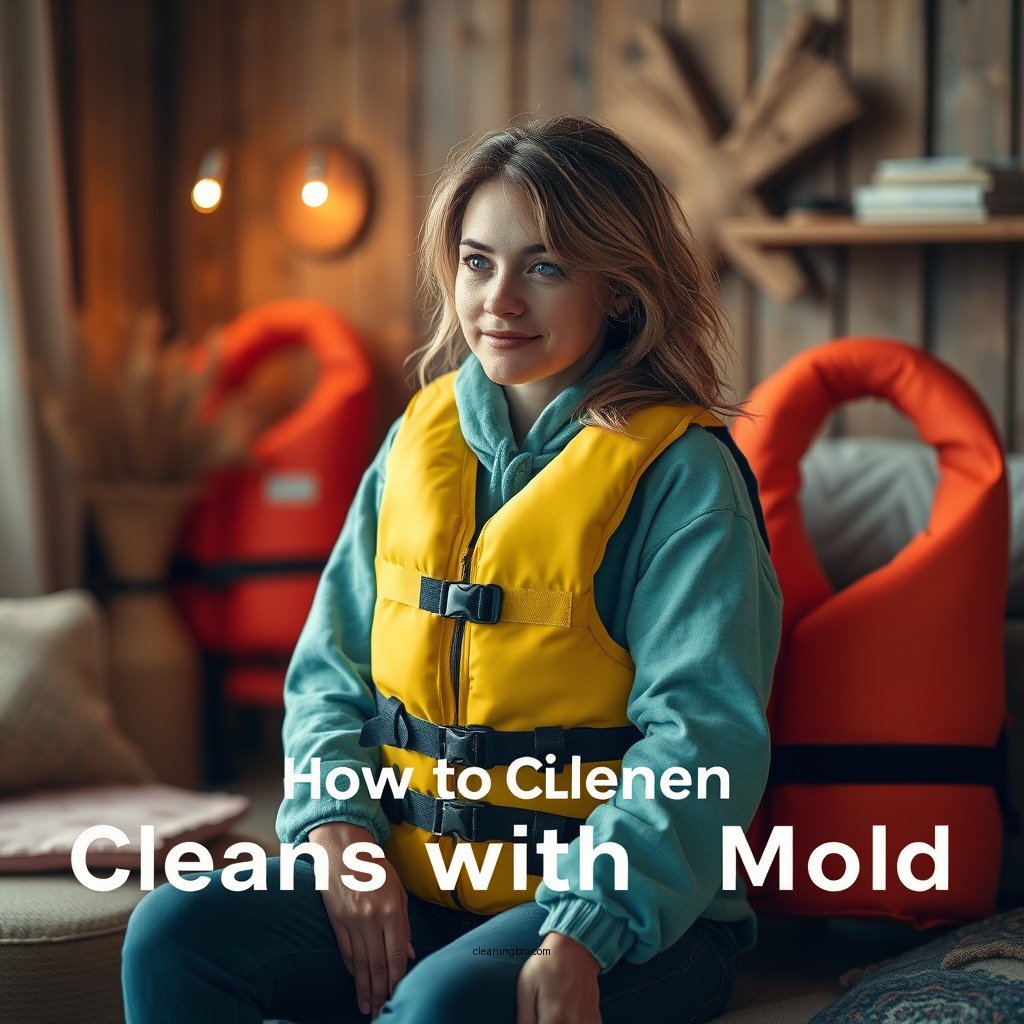
Cleaning life jackets with mold requires a careful approach to ensure they’re safe for use again. By properly identifying the mold type and gathering the right cleaning supplies, you can effectively remove mold and maintain your life jackets in top condition. In this article, you’ll learn techniques for safely removing mold and maintaining your life jackets, ensuring they remain functional and hygienic for your aquatic adventures.
Understanding Mold on Life Jackets

Mold can develop on life jackets when they are stored in damp environments or remain wet after use. This issue is particularly common in regions with high humidity or during prolonged periods of inactivity, where moisture becomes trapped in the fabric. Recognizing the early signs of mold, such as discoloration or a musty smell, is crucial. If left unchecked, mold can not only damage the life jacket but also pose serious health risks to users, including respiratory problems and allergic reactions. Therefore, it’s essential to inspect your life jackets regularly, especially after they’ve been exposed to water.
Essential Cleaning Supplies
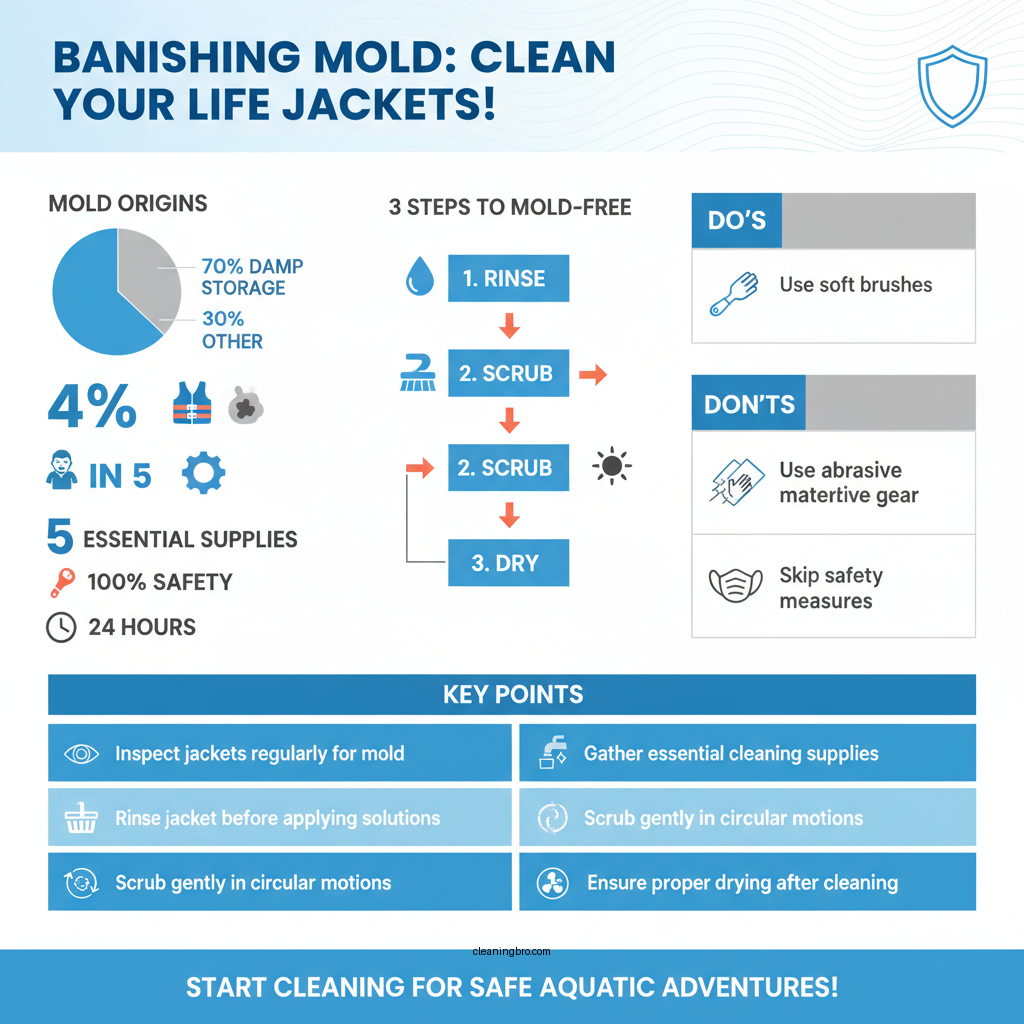
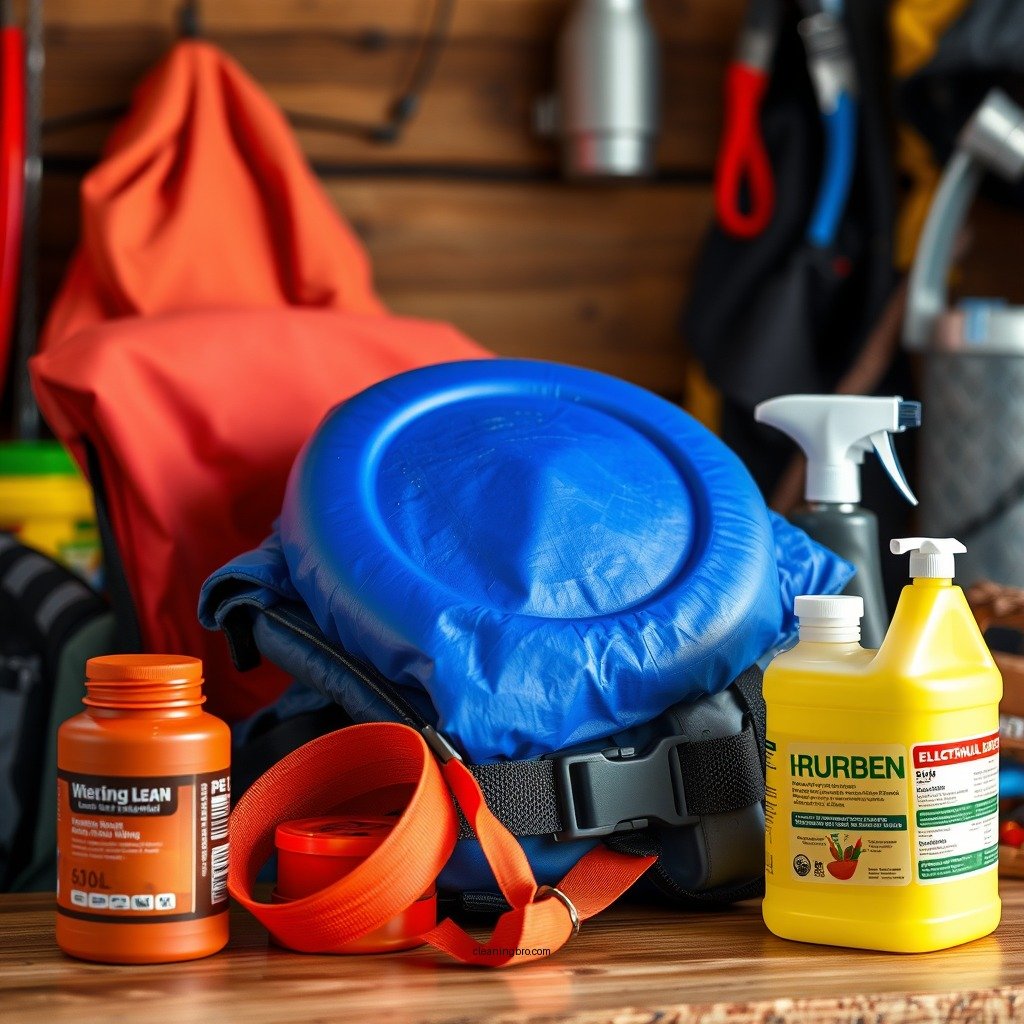
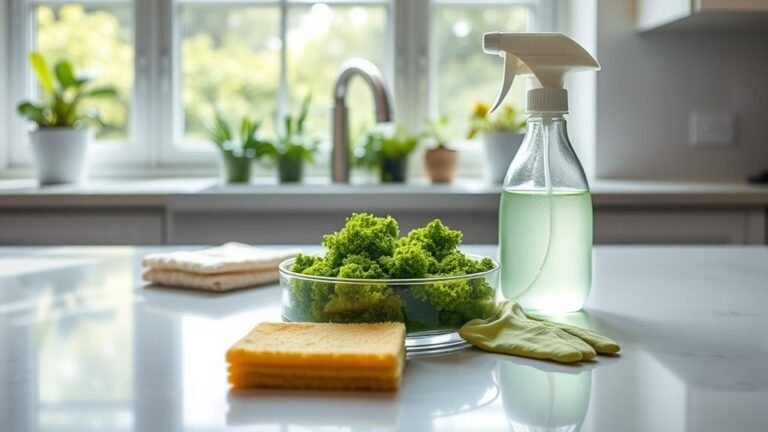
To effectively clean life jackets with mold, you’ll need specific cleaning supplies that are safe for the materials used in the jackets. Here’s a list of essential items:
– Mild Detergent or Marine Cleaner: Choose a gentle detergent or a specialized marine cleaner that doesn’t harm the fabric.
– Soft Brush: A brush with soft bristles will help scrub away mold without damaging the jacket.
– Sponge: Use a sponge to apply cleaning solutions and rinse the jacket.
– Protective Gear: Gloves and a mask are essential to protect your skin and respiratory system from mold spores and cleaning chemicals.
Having these supplies ready will streamline the cleaning process and ensure your safety while tackling mold.
Step-by-Step Cleaning Process

Now that you have your supplies, follow these steps to clean your life jackets effectively:
1. Rinse the Life Jacket: Begin by rinsing the life jacket with clean water to remove surface dirt and loosen any mold. This step is crucial as it prepares the fabric for deeper cleaning.
2. Apply the Cleaning Solution: Mix your mild detergent or marine cleaner according to the manufacturer’s instructions, then apply it generously to the affected areas. Avoid saturating the jacket excessively, as this can prolong drying time.
3. Scrub Gently: Using the soft brush, gently scrub the moldy areas in a circular motion. Be careful not to apply too much pressure, as this can damage the fabric. For stubborn mold, let the cleaning solution sit for a few minutes before scrubbing again.
4. Use a Sponge: After scrubbing, use the sponge to wipe away any remaining dirt and cleaning solution.
Rinsing and Drying Techniques
Once you’ve completed the scrubbing process, it’s time to rinse and dry your life jacket properly:
1. Thoroughly Rinse the Jacket: Rinse the life jacket under running water, ensuring that all traces of the cleaning solution are removed. Residual cleaner can lead to fabric degradation over time.
2. Air Dry: Place the life jacket in a well-ventilated area to air dry. Avoid direct sunlight, as UV rays can weaken the fabric and cause fading. Hanging the jacket on a clothesline or a hanger in a shaded area is ideal.
Preventive Measures for Future Mold Growth
To prevent mold from returning, consider the following preventive measures:
– Proper Storage: Always store life jackets in a dry, well-ventilated space. Avoid damp areas like basements or garages where moisture can accumulate.
– Regular Maintenance: Regularly check your life jackets for signs of mold, especially after they’ve been used in water. Clean them promptly if they feel damp or show signs of mold growth.
– Dry Thoroughly: After each use, ensure that the jackets are completely dry before putting them away. This habit is crucial in preventing mold growth.
Additional Tips for Maintenance
Maintaining your life jackets goes beyond cleaning. Here are some additional tips to ensure longevity:
– Mold Inhibitor Spray: Consider using a mold inhibitor spray designed for marine fabrics. This can provide an extra layer of protection against mold growth.
– Follow Manufacturer’s Care Instructions: Always adhere to care guidelines provided by the jacket’s manufacturer. Different materials may have specific cleaning and maintenance needs.
When to Seek Professional Help
If mold persists despite your cleaning efforts, it may be time to seek professional cleaning services. Mold can sometimes penetrate deeper into the fabric than can be removed through standard cleaning. Additionally, assess the life jacket for any signs of structural damage, such as tears or compromised buoyancy. If the jacket is too damaged to restore safely, replacing it is the best course of action to ensure safety while on the water.
Top 7 Life Jacket Brands and Their Cleaning Recommendations
| # | Brand | Material | Cleaning Method | Drying Method |
|---|---|---|---|---|
| 1 | Stearns | Nylon | Mild detergent | Air dry |
| 2 | O’Neill | Polyester | Marine cleaner | Air dry |
| 3 | Mustang Survival | Neoprene | Mild soap | Air dry |
| 4 | Cabela’s | Polyester | Marine cleaner | Air dry |
| 5 | Body Glove | Nylon | Mild detergent | Air dry |
| 6 | Hyperlite | Nylon | Marine cleaner | Air dry |
| 7 | Xcel | Neoprene | Mild soap | Air dry |
Life Jacket Cleaning Methods: Comparison of Top Brands
| Feature | ⭐ Stearns | O’Neill | Mustang Survival |
|---|---|---|---|
| Material Type | Nylon | Polyester | Neoprene |
| Cleaning Solution | Mild detergent | Marine cleaner | Mild soap |
| Air Dry | ✅ | ✅ | ✅ |
| Mold Resistance | ✅ | ✅ | ✅ |
| UV Protection | ❌ | ✅ | ✅ |
| Floatation Capability | High | Medium | High |
| Comfort Level | Medium | High | High |
| Size Options | S-XXL | S-L | XS-XXL |
| Warranty | 1 year | 2 years | Lifetime |
| 🏆 Best For | Budget-conscious users | Performance seekers | Longevity enthusiasts |
Maintaining clean life jackets is essential for both safety and longevity. By following these cleaning and preventive steps, you can ensure your jackets remain mold-free and ready for your next adventure. Make cleaning a regular part of your gear maintenance routine to avoid mold issues in the future. Prioritizing the upkeep of your life jackets not only enhances your safety but also prolongs the lifespan of this critical piece of equipment.
Frequently Asked Questions
How can I effectively remove mold from my life jacket?
To effectively remove mold from your life jacket, start by mixing a solution of equal parts water and white vinegar or a mild detergent. Use a soft brush to gently scrub the affected areas, then rinse thoroughly with clean water and hang the jacket to dry in a well-ventilated area, away from direct sunlight.
What are the best cleaning products for mold on life jackets?
The best cleaning products for mold on life jackets include a mixture of white vinegar, baking soda, or a mild soap specifically designed for synthetic fabrics. Avoid using bleach, as it can damage the material and reduce the life jacket’s effectiveness.
Why is it important to clean mold off life jackets?
Cleaning mold off life jackets is crucial for both safety and hygiene; mold can weaken the material and compromise the buoyancy of the jacket. Additionally, mold can pose health risks, especially for individuals with allergies or respiratory issues, making prompt cleaning essential.
Which materials should I avoid when cleaning mold from life jackets?
When cleaning mold from life jackets, avoid harsh chemicals like bleach or ammonia, as they can damage the synthetic materials and stitching. Additionally, do not use abrasive brushes or scrubbers that could scratch the surface or affect the integrity of the life jacket.
How often should I clean my life jacket to prevent mold growth?
To prevent mold growth on your life jacket, it’s recommended to clean it after every use, especially if it has been exposed to saltwater or stored in a humid environment. Regular cleaning and proper drying can help maintain the jacket’s condition and prolong its lifespan.
References
- https://www.cdc.gov/healthywater/emergency/cleaning/mold.html
https://www.cdc.gov/healthywater/emergency/cleaning/mold.html - Mold Cleanup in Your Home | US EPA
https://www.epa.gov/mold/mold-cleanup-your-home - https://www.nichd.nih.gov/health/topics/mold/conditioninfo/treatment
https://www.nichd.nih.gov/health/topics/mold/conditioninfo/treatment - https://www.ncbi.nlm.nih.gov/pmc/articles/PMC4046004/
https://www.ncbi.nlm.nih.gov/pmc/articles/PMC4046004/ - https://www.health.ny.gov/environmental/indoors/mold/
https://www.health.ny.gov/environmental/indoors/mold/ - https://www.who.int/news-room/fact-sheets/detail/mold
https://www.who.int/news-room/fact-sheets/detail/mold - https://www.britannica.com/science/mold
https://www.britannica.com/science/mold - Google Scholar Google Scholar
https://scholar.google.com/scholar?q=cleaning+life+jackets+with+mold - Google Scholar Google Scholar
https://scholar.google.com/scholar?q=removing+mold+from+fabric - Google Scholar Google Scholar
https://scholar.google.com/scholar?q=mold+cleaning+methods+for+textiles