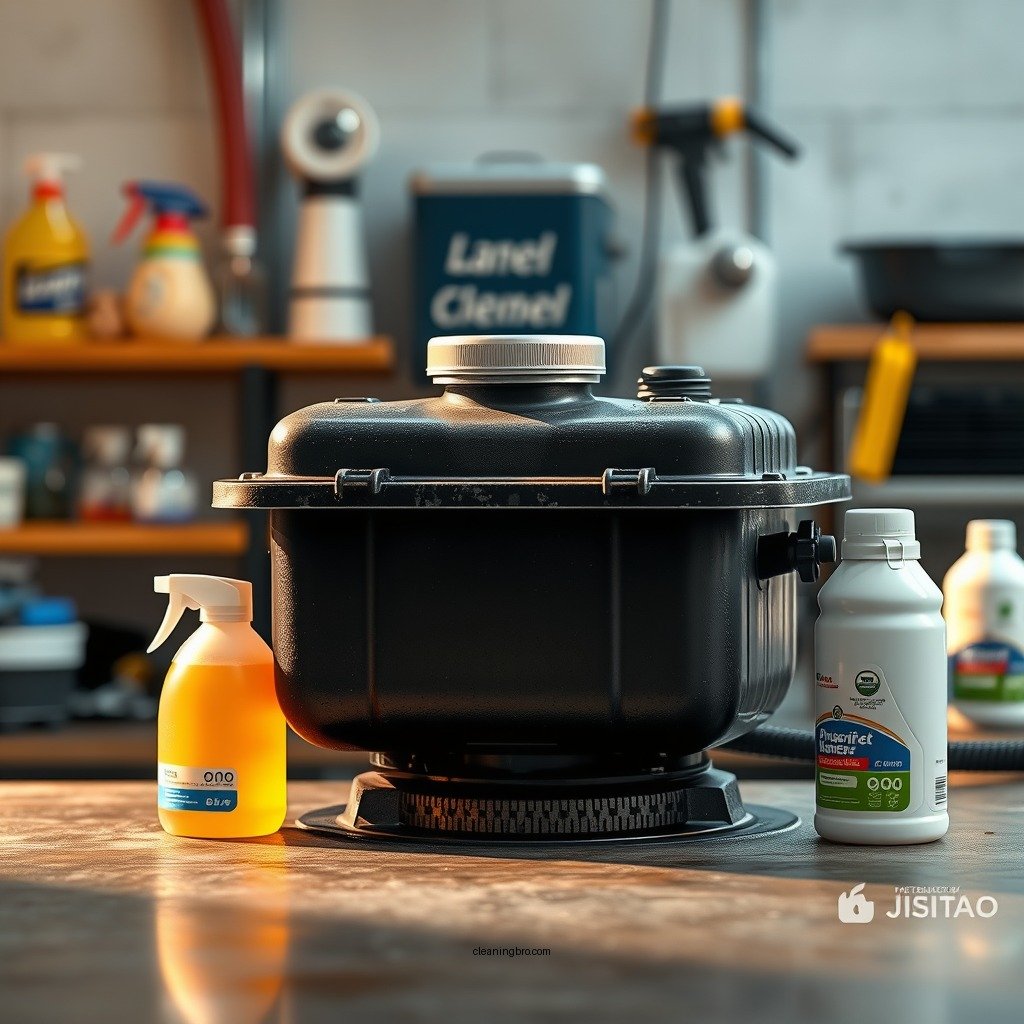
How to Clean Out a Fuel Tank: Step-by-Step Guide
Cleaning out a fuel tank is a crucial process for maintaining the efficiency and longevity of your vehicle. Regular cleaning not only enhances engine performance but also prevents potential issues like clogs and corrosion. In this article, you’ll learn the step-by-step process to safely and efficiently clean your fuel tank, ensuring your vehicle remains in optimal condition.
Understanding the Importance of Cleaning a Fuel Tank
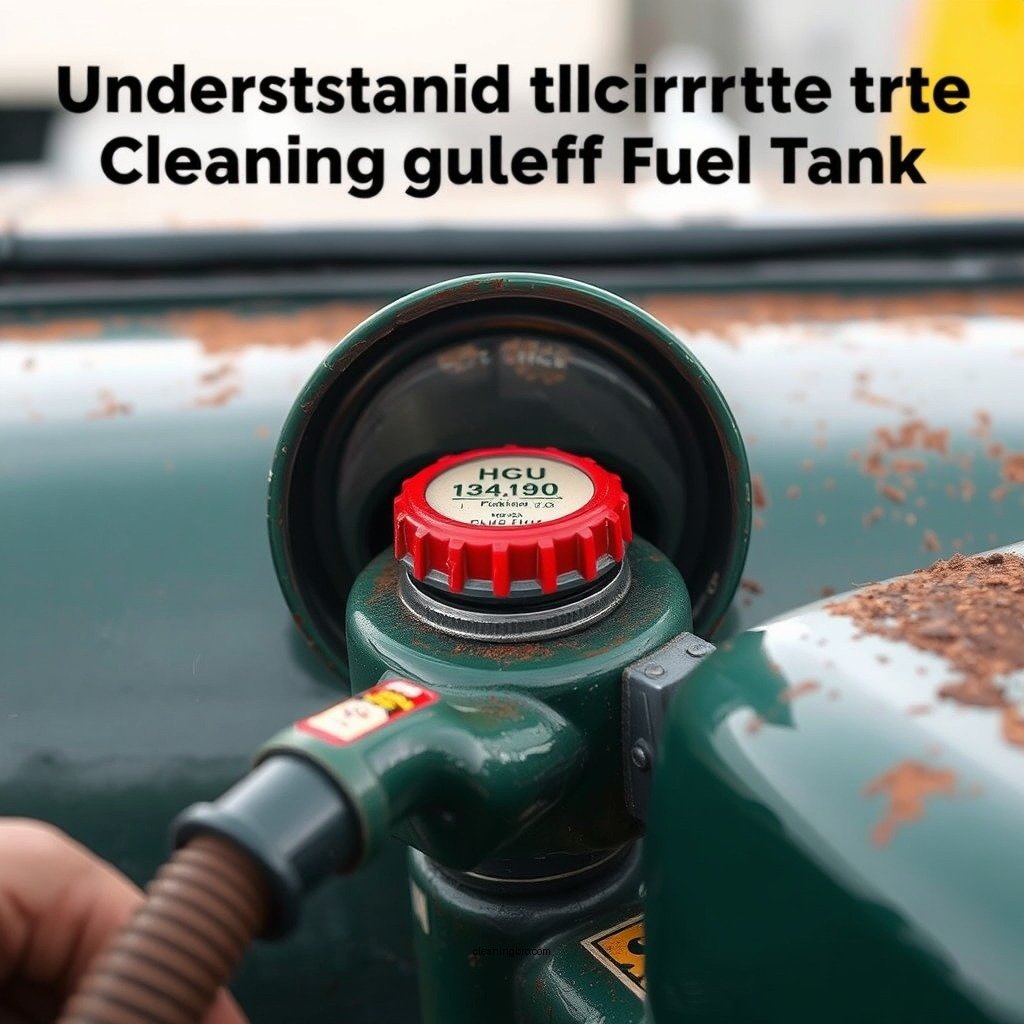
Regular cleaning of a fuel tank is vital for several reasons. First and foremost, it prevents clogs and fuel line issues that can disrupt the flow of fuel to the engine. Over time, sediment, rust, and other contaminants can accumulate in the tank, leading to performance problems such as reduced fuel efficiency and engine misfires. Additionally, by keeping the fuel tank clean, you ensure that the engine receives the highest quality fuel, which is essential for optimal performance and longevity. A clean fuel system can also reduce wear and tear on engine components, ultimately saving you money on repairs and replacements in the long run.
Safety Precautions Before Starting
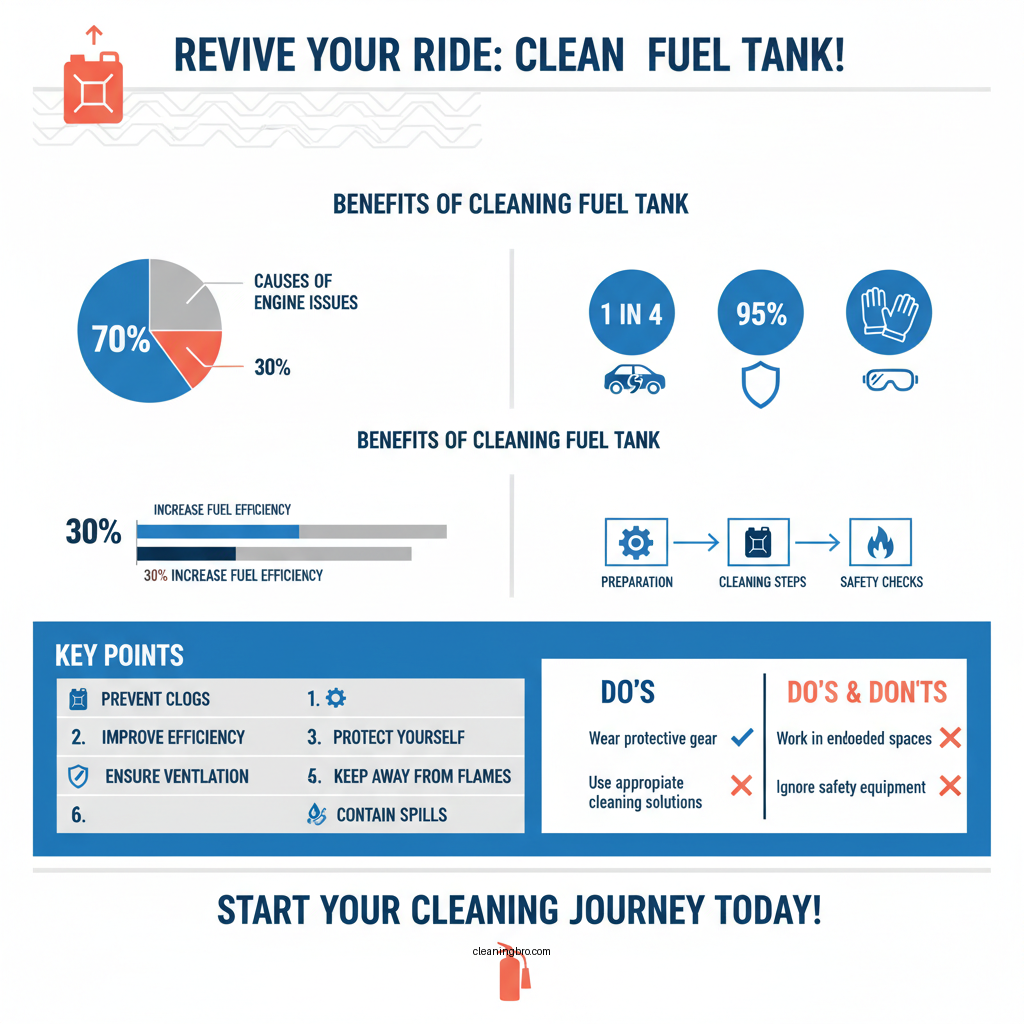

Before embarking on the cleaning process, it is crucial to prioritize safety. Here are some essential precautions to take:
– Wear Protective Gear: Equip yourself with gloves, goggles, and a mask to protect against harmful fumes and chemicals.
– Work in a Well-Ventilated Area: Ensure you are in a space that allows for adequate airflow to prevent the buildup of fumes.
– Avoid Flames and Sparks: Fuel vapors are highly flammable, so ensure that there are no open flames, sparks, or sources of ignition nearby.
– Have a Fire Extinguisher on Hand: In case of an emergency, having a fire extinguisher readily accessible can be a lifesaver.
Tools and Materials Needed
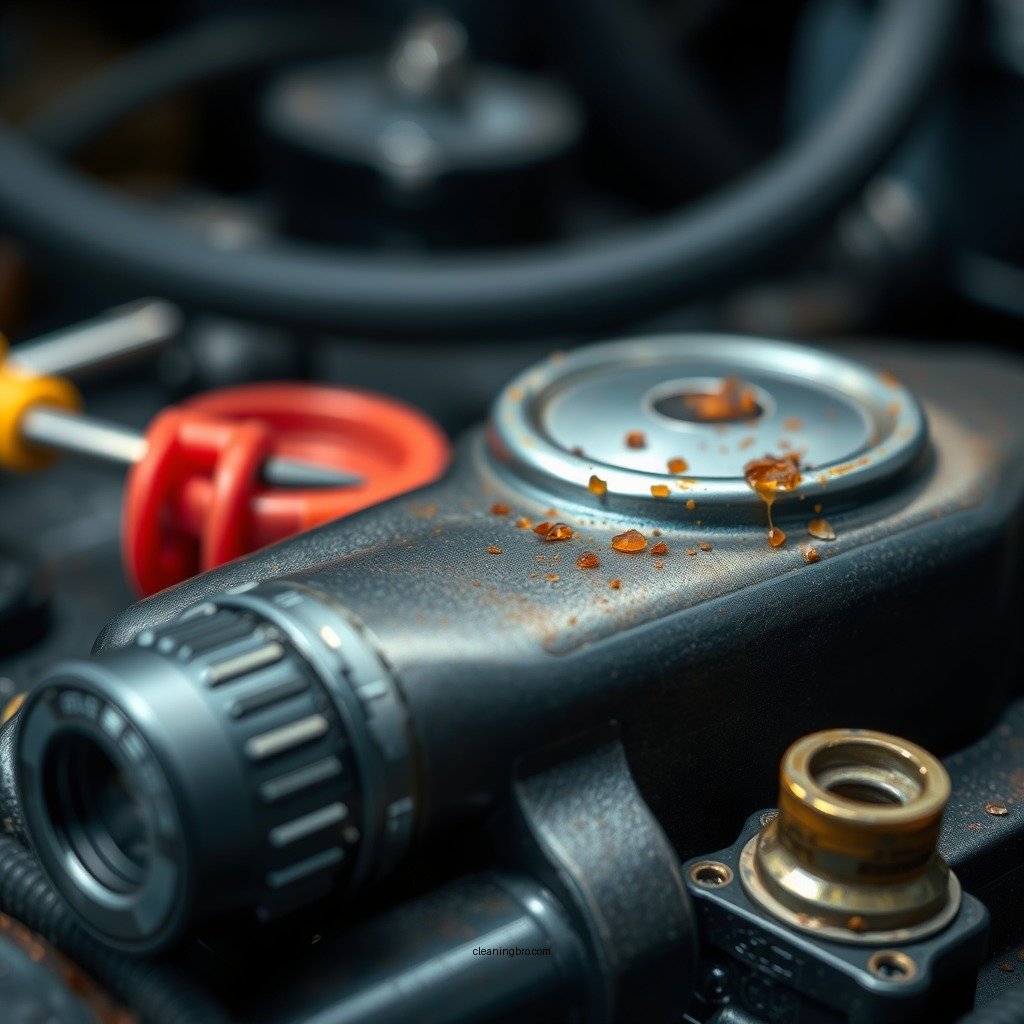
To effectively clean your fuel tank, you will need the following tools and materials:
– Siphon pump: For safely draining the fuel from the tank.
– Wrench: To remove any necessary bolts or components.
– Cleaning solution: A specialized fuel tank cleaner or a mixture of vinegar and baking soda can be effective.
– Scrubber: A long-handled scrubber to reach the interior surfaces of the tank.
– Safety Materials:
– Absorbent pads: To soak up any spills or leaks.
– Containers for waste: Ensure you have appropriate containers for disposing of old fuel and contaminants.
Step-by-Step Process for Draining the Fuel
Draining the fuel tank is the first critical step in the cleaning process. Follow these steps for a safe and efficient drain:
1. Turn Off the Engine: Ensure that the vehicle is completely turned off and cooled down before starting.
2. Disconnect the Battery: For added safety, disconnect the negative terminal of the battery to eliminate any potential electrical hazards.
3. Use a Siphon Pump: Insert the siphon pump into the tank through the fuel filler neck. Carefully pump out the fuel into a safe container, ensuring that no spills occur. If your vehicle has a fuel pump access point, consider using that for easier access.
Cleaning the Inside of the Fuel Tank
Once the fuel has been drained, it’s time to clean the interior of the fuel tank:
1. Inspect the Tank: Look for debris, rust, or any signs of corrosion. This inspection will guide your cleaning efforts.
2. Use a Cleaning Solution: Prepare your cleaning solution according to the manufacturer’s instructions or mix vinegar and baking soda for a DIY solution.
3. Scrub the Contaminants: Use the scrubber to clean the interior surfaces of the tank. Make sure to reach all corners and crevices to remove any stubborn buildup. Rinse thoroughly with clean water to ensure all cleaning agents are removed.
Reassembling and Refilling the Tank
After cleaning, it’s important to reassemble the fuel tank properly before refilling:
1. Reinstall Components: If you removed any parts during the cleaning process, carefully reinstall them, ensuring all bolts and screws are tightened securely.
2. Fill the Tank with Fresh Fuel: Use high-quality fuel to refill the tank. This step is crucial as it helps to dilute any remaining contaminants and provides a fresh start for your fuel system.
3. Check for Leaks: After refilling, inspect all connections and seals for leaks. It’s essential to ensure that everything is secure to prevent future issues.
Common Contaminants Found in Fuel Tanks
| # | Contaminant | Source | Impact on Engine |
|---|---|---|---|
| 1 | Water | Condensation, leaks | Corrosion, misfires |
| 2 | Rust | Old tank, moisture | Reduced flow, clogs |
| 3 | Sediment | Fuel degradation | Clogs filters, injectors |
| 4 | Microbial Growth | Contaminated fuel | Fuel line blockage |
| 5 | Fuel Additives | Regular use | Can create deposits |
| 6 | Dirt/Debris | External contamination | Clogs filters, decreased performance |
| 7 | Biodiesel Residue | Biodiesel usage | Corrosion, poor combustion |
Fuel Tank Cleaning Solutions: DIY vs Professional Services
| Feature | ⭐ DIY Method | Professional Service | Combination Approach |
|---|---|---|---|
| Cost | Low | High | Moderate |
| Time Required | Long | Short | Moderate |
| Effectiveness | ✅ Good | ✅ Excellent | ✅ Very Good |
| Safety Risks | Moderate | Low | Moderate |
| Expertise Required | None | High | Moderate |
| Convenience | Low | High | Moderate |
| Environmental Impact | Moderate | Low | Low |
| Warranty/Guarantee | None | Yes | Limited |
| Follow-up Services | None | Yes | Limited |
| 🏆 Best For | DIY Enthusiasts | Busy Professionals | Cost-Conscious Users |
Tips for Maintaining a Clean Fuel Tank
To keep your fuel tank clean and functioning optimally, consider the following tips:
– Regularly Check Fuel Filters: Make it a habit to inspect and replace fuel filters as needed. Clogged filters can lead to contaminants entering the fuel system.
– Use Fuel Additives: Certain fuel additives can help clean the fuel system and prevent the buildup of deposits. These should be used periodically based on the manufacturer’s recommendations.
– Monitor Fuel Quality: Always use high-quality fuel from reputable sources to reduce the risk of contamination.
– Keep the Tank Full: Keeping the fuel tank at least half-full can reduce condensation, which can lead to water contamination.
Cleaning your fuel tank is a straightforward process that can significantly enhance your vehicle’s performance and reliability. By following the steps outlined above, you can ensure your fuel system remains clean and efficient. If you’re unsure about any step, consult a professional for assistance or consider scheduling regular maintenance checks. By taking proactive measures, you can prolong the life of your vehicle and enjoy a smoother driving experience.
Frequently Asked Questions
What are the steps to clean out a fuel tank?
To clean out a fuel tank, start by safely draining the fuel into a suitable container. Remove the tank from the vehicle if possible, then rinse it with a mixture of soapy water or a specialized fuel tank cleaner. Use a brush to scrub any stubborn deposits, followed by rinsing thoroughly with clean water. Finally, dry the tank completely before reinstallation.
How do I know if my fuel tank needs cleaning?
Signs that your fuel tank needs cleaning include frequent engine stalling, poor fuel efficiency, or visible debris in the fuel filter. Additionally, if you notice rust or sediment when inspecting the fuel, it may indicate that the tank is contaminated and requires cleaning to prevent further damage to your fuel system.
Why is it important to clean a fuel tank?
Cleaning a fuel tank is crucial because contaminants like dirt, rust, and sludge can clog fuel lines and filters, leading to engine performance issues or failures. Regular maintenance helps ensure optimal fuel flow, prolongs the life of your engine, and improves overall fuel efficiency, making it a vital task for vehicle upkeep.
What is the best method for cleaning a fuel tank?
The best method for cleaning a fuel tank is a combination of draining the old fuel, using a fuel tank cleaning solution, and physically scrubbing the interior surfaces. For thorough cleaning, consider using a professional service that employs specialized equipment, especially for larger or heavily contaminated tanks, to ensure all residues are removed effectively.
Which tools do I need to clean a fuel tank?
To clean a fuel tank, you will need basic tools such as a fuel siphon or pump, a wrench set for tank removal, and brushes for scrubbing the interior. Additionally, having a fuel tank cleaning solution and safety equipment, like gloves and goggles, is essential to protect yourself while handling fuel and cleaning chemicals.
References
- Fuel tank
https://en.wikipedia.org/wiki/Fuel_tank - https://www.ncbi.nlm.nih.gov/pmc/articles/PMC4551713/
https://www.ncbi.nlm.nih.gov/pmc/articles/PMC4551713/ - https://www.sciencedirect.com/topics/engineering/fuel-tank
https://www.sciencedirect.com/topics/engineering/fuel-tank - The 2nd International Forum on Biosecurity: Summary of an International Meeting | The National Ac…
https://www.nap.edu/catalog/12525/cleaning-the-fuel-tank - https://www.cdc.gov/niosh/docs/2004-147/default.html
https://www.cdc.gov/niosh/docs/2004-147/default.html - https://www.epa.gov/fuels-registration-reporting-and-compliance-help/cleaning-vehicles-and-fuel-tanks
https://www.epa.gov/fuels-registration-reporting-and-compliance-help/cleaning-vehicles-and-fuel-tanks - https://www.nhtsa.gov/equipment/fuel-tank-safety
https://www.nhtsa.gov/equipment/fuel-tank-safety - Page Not Found – Site Help – Mayo Clinic
https://www.mayoclinic.org/diseases-conditions/fuel-tank-safety/symptoms-causes/syc-20413406 - Google Scholar Google Scholar
https://scholar.google.com/scholar?q=how+to+clean+out+fuel+tank - Google Scholar Google Scholar
https://scholar.google.com/scholar?q=cleaning+fuel+tank+methods