

Cleaning a palette is essential for any artist looking to maintain their tools and keep colors pure. Whether you’re using a wooden, plastic, or glass palette, the process is straightforward. In this article, you’ll discover the best techniques and products to effectively clean your palette and ensure it lasts for years to come. A clean palette not only enhances your painting experience but also helps you achieve the desired colors in your artwork without contamination.



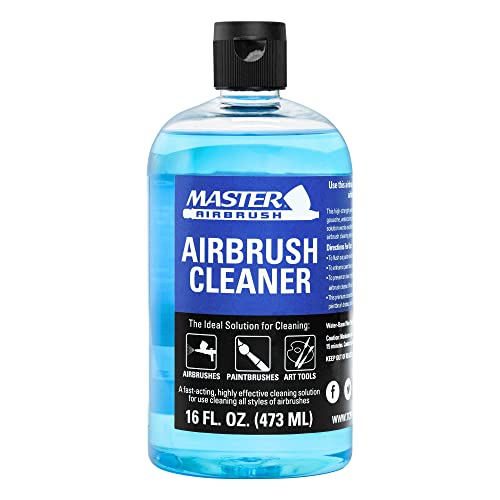
Understanding Palette Types

Different materials require different cleaning methods. The choice of palette—wood, plastic, or glass—affects the cleaning process and the longevity of the palette itself.
– Wooden Palettes: These are favored for their classic feel and ability to hold paint well. However, they can absorb moisture and paint, which may lead to staining. After cleaning a wood palette, it is advisable to apply a thin layer of mineral oil or linseed oil to maintain its condition and prevent cracking.
– Plastic Palettes: Lightweight and easy to clean, plastic palettes are often the go-to for many modern artists. They can be easily scrubbed with solvents or soap and water, but they can scratch easily, which may harbor paint residues.
– Glass Palettes: Glass is non-porous and thus the easiest to clean. Paint does not adhere strongly to glass, making it simple to wipe down. However, glass palettes can be heavy and breakable, requiring careful handling.
Understanding these differences is crucial for developing a cleaning routine that matches your palette type and painting style.
Essential Cleaning Supplies


Before you begin the cleaning process, it is important to gather the necessary supplies. Here’s a list of essential cleaning items:
– Palette Knives/Scrapers: These tools are essential for removing excess paint from your palette surface without causing damage.
– Paper Towels: A simple and effective tool for wiping down surfaces and cleaning paint spills.
– Solvents: The type of solvent you use will depend on the paint you work with. Common choices include:
– Water: Ideal for watercolors and acrylics.
– Turpentine or Mineral Spirits: Best suited for oil paints.
– Natural Cleaners: If you prefer an eco-friendly approach, consider using vegetable oil or vinegar as a gentle cleaner for palettes.
Having these supplies at hand makes the cleaning process more efficient and effective.
Step-by-Step Cleaning Process

1. Remove Excess Paint: Start by using a palette knife or scraper to gently lift and scrape off any excess paint. Work from the edges towards the center to prevent spreading paint residue.
2. Choose the Right Solvent: Depending on your paint type, select an appropriate solvent. For water-based paints, warm soapy water can work wonders. For oil paints, turpentine or mineral spirits are best.
3. Clean the Surface: Dampen a paper towel or cloth with your chosen solvent and wipe down the palette. For wooden palettes, avoid soaking them, as excess moisture can warp the wood.
4. Rinse and Dry: If using water-based solutions, rinse the palette with clean water and dry thoroughly. For oil palettes, make sure all solvent is wiped off before storing.
5. Final Touch: For wooden palettes, consider applying a thin layer of oil after cleaning to nourish the wood and preserve its quality.
Following these steps will help ensure that your palette remains in excellent condition, ready for your next creative session.
Top 7 Palette Cleaning Products (2023)
| # | Product | Type | Best For | Eco-Friendly |
|---|---|---|---|---|
| 1 | Turpentine | Solvent | Oil Paints | ❌ |
| 2 | Mineral Spirits | Solvent | Oil Paints | ✅ |
| 3 | Soap and Water | Natural Cleaner | All Types | ✅ |
| 4 | Vinegar | Natural Cleaner | All Types | ✅ |
| 5 | Baby Oil | Oil-Based | Oil Paints | ✅ |
| 6 | Isopropyl Alcohol | Solvent | Acrylics | ✅ |
| 7 | Coconut Oil | Natural Cleaner | All Types | ✅ |
Tips for Difficult Stains
Despite your best efforts, some stains may prove difficult to remove. Here are some effective strategies:
– Soaking Method: For stubborn paint stains, fill a container with warm water and allow the palette to soak for a few minutes. This helps to loosen the paint, making it easier to scrape away.
– Soft Brush: After soaking, use a soft-bristled brush (like a toothbrush) to gently scrub the area with stubborn stains. This method prevents scratching while effectively removing paint residues.
– Baking Soda Paste: For particularly tricky spots, create a paste of baking soda and water. Apply it to the stain, let it sit for a few minutes, and then scrub gently.
Using these tips will help maintain the integrity of your palette while ensuring it remains in pristine condition for future use.
Preventative Maintenance
Maintaining your palette extends beyond just cleaning. Here are some tips for preventative maintenance:
1. Immediate Cleaning: Always clean your palette right after use. This practice prevents paint from drying and hardening, making it much easier to clean later.
2. Regular Inspection: Regularly inspect your palette for cracks or scratches, especially in wooden palettes, as these can harbor paint and lead to contamination.
3. Proper Storage: Store your palette in a safe, dry place. Consider wrapping it in a soft cloth or placing it in a protective case to avoid scratches and breakage.
4. Avoid Mixing Paints: When working with multiple colors, try to avoid mixing paints on the palette. This helps maintain the purity of each color and reduces the need for extensive cleaning.
Implementing these preventative measures will prolong the life of your palette and enhance your painting experience.
Frequently Asked Questions
As artists, you may have common questions about palette maintenance:
– How often should I clean my palette?: Ideally, clean your palette after every use to avoid dried paint build-up.
– What’s the best way to clean oil paint from a palette?: Use turpentine or mineral spirits, and make sure to follow up with soap and water to remove any residue.
– Can I use vinegar to clean my palette?: Yes, vinegar acts as a natural cleaner and can effectively cut through paint, especially when mixed with water.
– What if I work with multiple mediums?: If you use different paint types, keep a separate cleaning method for each medium to avoid cross-contamination.
By addressing these frequently asked questions, you can enhance your understanding of palette maintenance and ensure your tools remain in optimal condition.
Maintaining a clean palette is crucial for any artist’s workflow and creativity. By following these steps, you can ensure that your palette remains in top condition, allowing you to focus on your art without the distraction of mixed colors or leftover paint. Remember to clean your palette after each use to make the next painting session even more enjoyable!
Frequently Asked Questions
What are the best methods to clean a paint palette?
The best methods to clean a paint palette depend on the type of paint used. For acrylics, use warm water and soap, scrubbing with a palette knife or sponge to remove residue. For oil paints, a solvent like turpentine or mineral spirits is recommended, followed by washing with soap and water to ensure all chemicals are removed.
How do I clean a wooden palette effectively?
To clean a wooden palette, start by scraping off excess paint with a palette knife. Then, use a cloth dampened with mineral spirits to wipe the surface, followed by a gentle wash with soap and water. Finally, ensure the palette is thoroughly dried to prevent any warping or damage to the wood.
Why is it important to clean my palette after each use?
Cleaning your palette after each use is crucial to maintain the quality of your paints and tools. Residue from dried paint can mix with fresh paint, altering colors and textures. Additionally, a clean palette promotes a more enjoyable painting experience by providing a clear workspace and ensuring accurate color mixing.
Which cleaning products are safe to use on a plastic palette?
When cleaning a plastic palette, it’s best to use mild soap and warm water for routine cleaning. Avoid harsh chemicals that can scratch or damage the plastic. For stubborn stains, consider using a gentle solvent like rubbing alcohol, ensuring to rinse thoroughly afterward to prevent any residue.
How can I prevent paint from drying on my palette?
To prevent paint from drying on your palette, you can use a palette cover or a wet palette system that keeps the paint moist. Another option is to use a palette with a sealable lid to minimize air exposure. Additionally, consider using slow-drying paint mediums to extend the working time of your paints.
References
- Palette
https://en.wikipedia.org/wiki/Palette - https://www.britannica.com/art/palette
https://www.britannica.com/art/palette - https://pubmed.ncbi.nlm.nih.gov/29312454/
https://pubmed.ncbi.nlm.nih.gov/29312454/ - https://www.sciencedirect.com/science/article/pii/S2212671117300018
https://www.sciencedirect.com/science/article/pii/S2212671117300018 - Optimization of use-wear detection and characterization on stone tool surfaces | Scientific Reports
https://www.nature.com/articles/s41598-021-03663-4 - Google Scholar Google Scholar
https://scholar.google.com/scholar?q=how+to+clean+a+palette - Google Scholar Google Scholar
https://scholar.google.com/scholar?q=cleaning+paint+palettes - Google Scholar Google Scholar
https://scholar.google.com/scholar?q=art+palette+cleaning+techniques - https://www.cdc.gov/niosh/topics/cleaning.html
https://www.cdc.gov/niosh/topics/cleaning.html - how to clean a palette – Search results
https://en.wikipedia.org/wiki/Special:Search?search=how+to+clean+a+palette
