
Cleaning your mouth guard is essential for maintaining oral hygiene and prolonging its lifespan. To clean a mouth guard effectively, you should rinse it with cold water after each use, brush it gently with a toothbrush and mild soap, and store it in a clean, dry case. This article will guide you through the best methods to ensure your mouth guard stays fresh and safe for use.
Why Cleaning Your Mouth Guard is Important
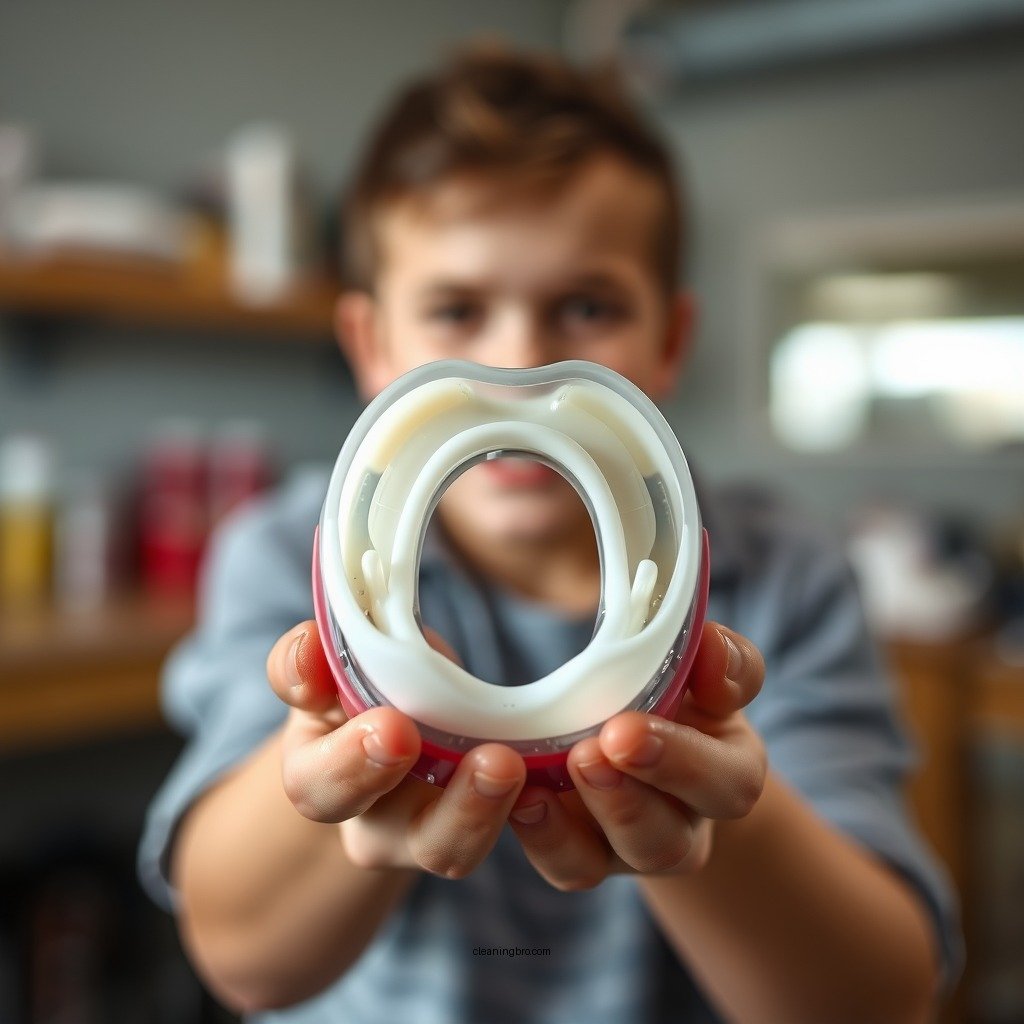
Maintaining a clean mouth guard is crucial for multiple reasons. First, regular cleaning prevents bacteria buildup, which can lead to oral infections and other health complications. Mouth guards, especially those used during sports or for dental treatments, can harbor harmful microorganisms if not cleaned properly. Secondly, a clean mouth guard helps maintain its structural integrity. Buildup of plaque and other residues can degrade the material over time, leading to a shortened lifespan of the guard. By adopting a consistent cleaning routine, you not only safeguard your health but also ensure that your mouth guard remains effective and comfortable to wear.
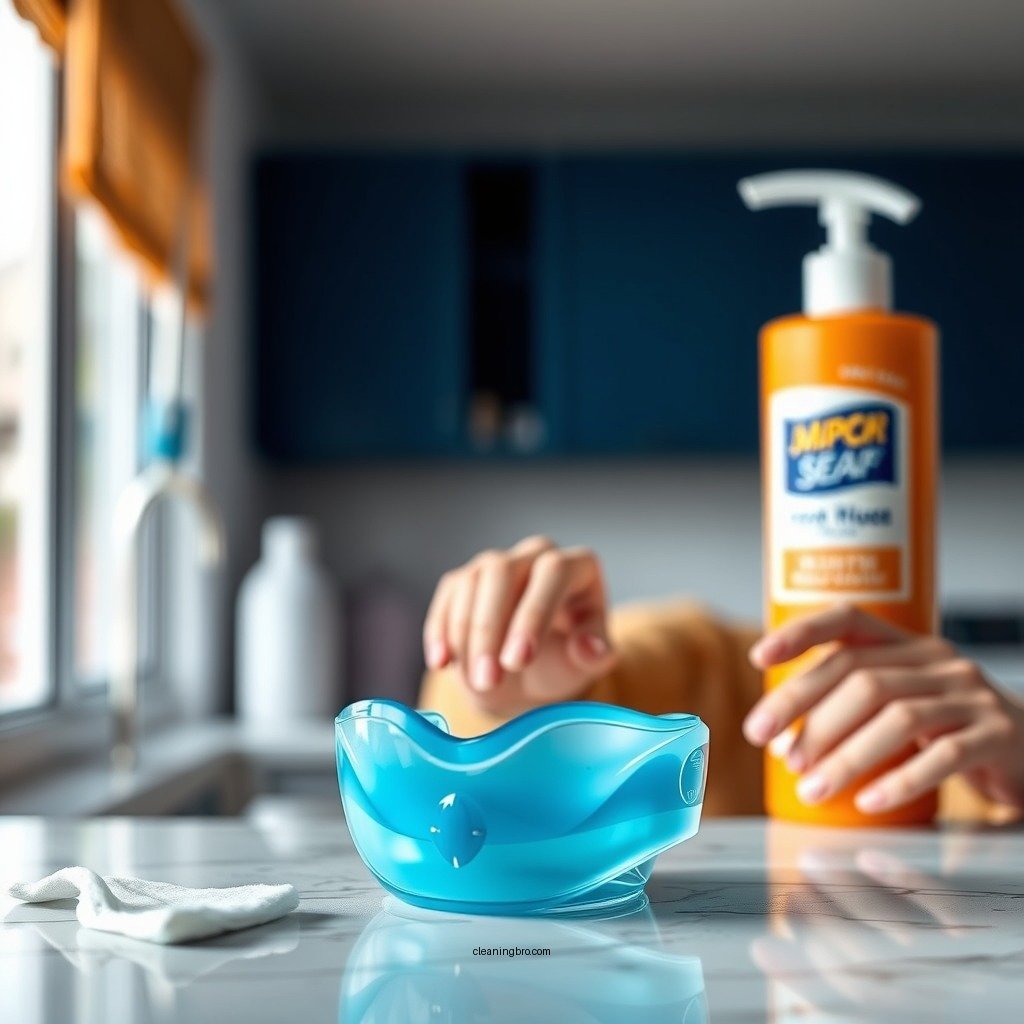
Daily Cleaning Routine
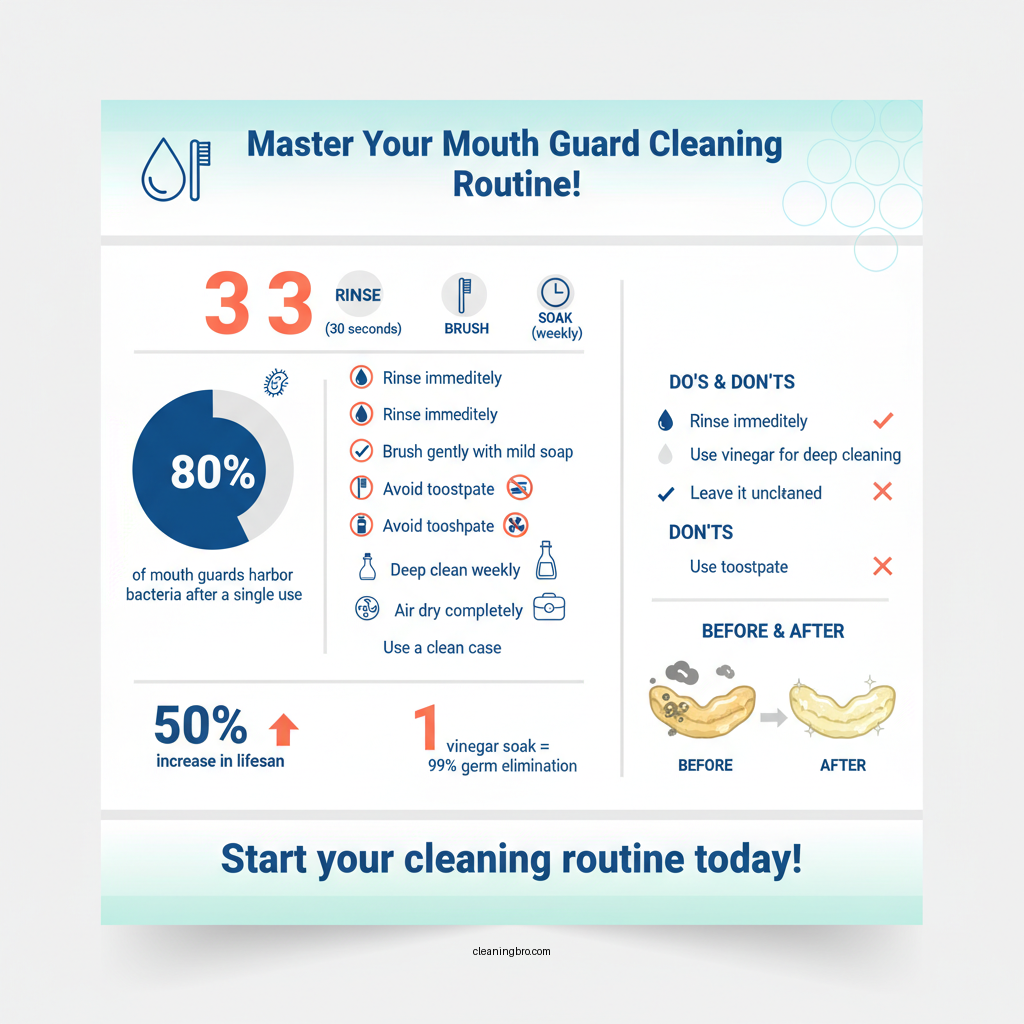
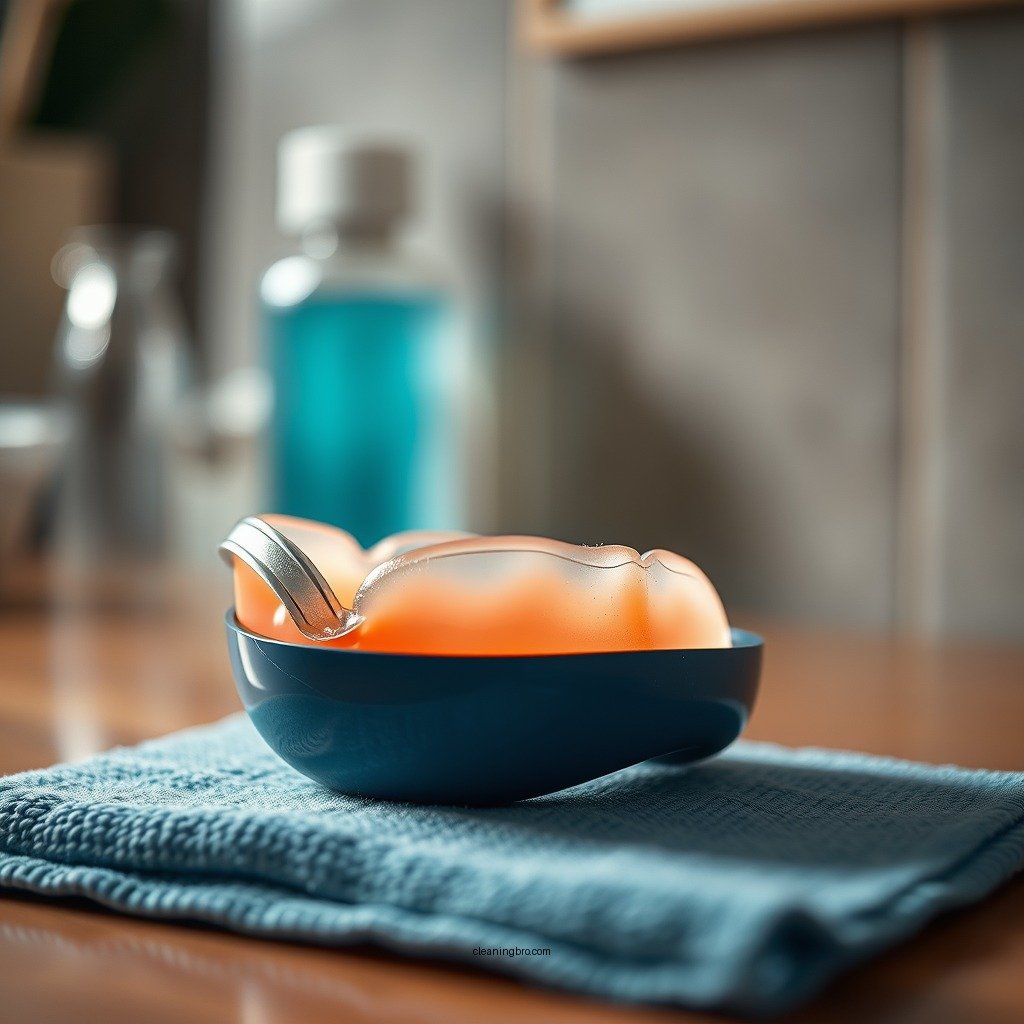
To keep your mouth guard in optimal condition, establish a daily cleaning routine. Begin by rinsing the mouth guard with cold water immediately after removing it. This step helps wash away saliva and any food particles. Next, use a soft-bristled toothbrush and a gentle, non-abrasive soap to clean all surfaces of the mouth guard. Avoid using toothpaste, as it can be too abrasive and may scratch the material. Gently brush the mouth guard for about 30 seconds, ensuring you reach all areas, including the grooves and edges. After brushing, rinse it thoroughly with cold water to remove all soap residues. Finally, allow it to air dry completely before storing it in its case.
Deep Cleaning Methods
While a daily cleaning routine is vital, deep cleaning your mouth guard periodically (once a week) is equally important. One effective method is soaking the mouth guard in a vinegar and water solution. Mix equal parts of white vinegar and water, and let the mouth guard soak for about 30 minutes. This solution helps to disinfect and remove any lingering odors. After soaking, rinse it thoroughly with cold water.
Another popular option is using a denture cleaner, which can be particularly effective for deep cleaning. Simply dissolve the denture cleaner tablet in water according to package instructions, and soak the mouth guard for the recommended time. Rinse thoroughly afterward. This method not only sanitizes the mouth guard but also helps to remove any stubborn stains or odors.
Top 7 Mouth Guard Cleaning Methods (2024)
| # | Cleaning Method | Effectiveness | Frequency | Time Required |
|---|---|---|---|---|
| 1 | Vinegar Solution | High | Weekly | 30 mins |
| 2 | Denture Cleaner | Very High | Weekly | 5-10 mins |
| 3 | Cold Water Rinse | Moderate | After Each Use | 1 min |
| 4 | Soap and Toothbrush | High | Daily | 5 mins |
| 5 | Hydrogen Peroxide | High | Weekly | 20-30 mins |
| 6 | Baking Soda Paste | Moderate | Monthly | 15 mins |
| 7 | Ultraviolet Sanitizer | Very High | As Needed | 10 mins |
Storing Your Mouth Guard
Proper storage of your mouth guard is critical to maintaining its cleanliness and shape. Always store it in a dry, ventilated case to prevent the growth of mold and the development of unpleasant odors. When selecting a storage case, ensure it has adequate airflow to keep moisture at bay. Additionally, avoid exposing your mouth guard to extreme temperatures, such as leaving it in a hot car or near a heat source, as this can warp the material and compromise its effectiveness. If possible, keep the case in a cool, dry place to maintain optimal conditions.
Signs Your Mouth Guard Needs Replacement
Even with regular cleaning and proper care, mouth guards have a finite lifespan. Be vigilant for signs that indicate it’s time for a replacement. Look for noticeable wear and tear, such as cracks or significant denting in the material. If you notice any persistent bad odors that remain even after thorough cleaning, it may signal that bacteria have penetrated the material beyond cleaning. Additionally, if your mouth guard no longer fits snugly or feels uncomfortable, it’s time to consider a new one. Regularly assess its condition to ensure you’re always using a safe and effective mouth guard.
Tips for Maintaining Your Mouth Guard
To prolong the life of your mouth guard, consider the following maintenance tips. First, avoid using hot water for cleaning, as it can deform the material. Instead, always stick to cold water for rinsing and cleaning. Regularly inspect your mouth guard for any signs of damage, and ensure you clean it after every use to prevent bacteria growth. If you participate in sports, consider investing in a mouth guard specifically designed for that activity, as they often have enhanced durability and protection features. Lastly, keep your mouth guard away from pets and small children, as they may chew on it or mishandle it.
Maintaining a clean mouth guard is crucial for your oral health and comfort. By following these steps, you can ensure your mouth guard remains in optimal condition. If you notice any signs of damage or if cleaning doesn’t remove odors, consider replacing it. Don’t forget to incorporate these practices into your routine for a healthier smile!
Frequently Asked Questions
How often should I clean my mouth guard?
You should clean your mouth guard daily to maintain optimal oral hygiene and prevent the buildup of bacteria. After each use, rinse it with cool water and brush it gently with a toothbrush and mild soap. Regular cleaning not only ensures a fresh feel but also prolongs the lifespan of your mouth guard.
What is the best way to disinfect my mouth guard?
The best way to disinfect your mouth guard is to soak it in a mixture of equal parts water and white vinegar for about 30 minutes. After soaking, rinse it thoroughly with water and allow it to air dry. This method effectively eliminates bacteria and odor without damaging the material of the mouth guard.
Why does my mouth guard smell bad?
A bad smell from your mouth guard is usually due to the buildup of bacteria, saliva, and food particles. If not cleaned regularly, these substances can lead to unpleasant odors. To prevent this, ensure you clean your mouth guard daily and store it in a clean, dry place.
Which cleaning products are safe for my mouth guard?
When cleaning your mouth guard, it’s best to use mild soap, dishwashing liquid, or specialized mouth guard cleaning solutions. Avoid harsh chemicals, bleach, or alcohol-based products, as they can degrade the material and affect its fit and function. Always rinse thoroughly after cleaning to remove any residue.
How can I remove stains from my mouth guard?
To remove stains from your mouth guard, create a paste using baking soda and water, then gently scrub the stained areas with a soft toothbrush. For tougher stains, soaking the mouth guard in a solution of hydrogen peroxide and water can also be effective. Rinse thoroughly after treatment to ensure the paste is completely removed.
References
- https://www.mayoclinic.org/healthy-lifestyle/adult-health/in-depth/oral-hygiene/art-20045201
https://www.mayoclinic.org/healthy-lifestyle/adult-health/in-depth/oral-hygiene/art-20045201 - https://www.webmd.com/oral-health/guide/mouthguards
https://www.webmd.com/oral-health/guide/mouthguards - https://www.ncbi.nlm.nih.gov/pmc/articles/PMC5841377/
https://www.ncbi.nlm.nih.gov/pmc/articles/PMC5841377/ - https://www.ncbi.nlm.nih.gov/pmc/articles/PMC6371016/
https://www.ncbi.nlm.nih.gov/pmc/articles/PMC6371016/ - https://www.cdc.gov/oralhealth/conditions/mouthguard.html
https://www.cdc.gov/oralhealth/conditions/mouthguard.html - https://www.healthline.com/health/mouthguard-care
https://www.healthline.com/health/mouthguard-care - https://www.who.int/news-room/questions-and-answers/item/mouthguards
https://www.who.int/news-room/questions-and-answers/item/mouthguards - Google Scholar Google Scholar
https://scholar.google.com/scholar?q=how+to+clean+mouth+guard - Google Scholar Google Scholar
https://scholar.google.com/scholar?q=oral+hygiene+mouthguards - Google Scholar Google Scholar
https://scholar.google.com/scholar?q=cleaning+techniques+for+mouthguards
