How to Clean a Drum Set: Effective Steps and Tips
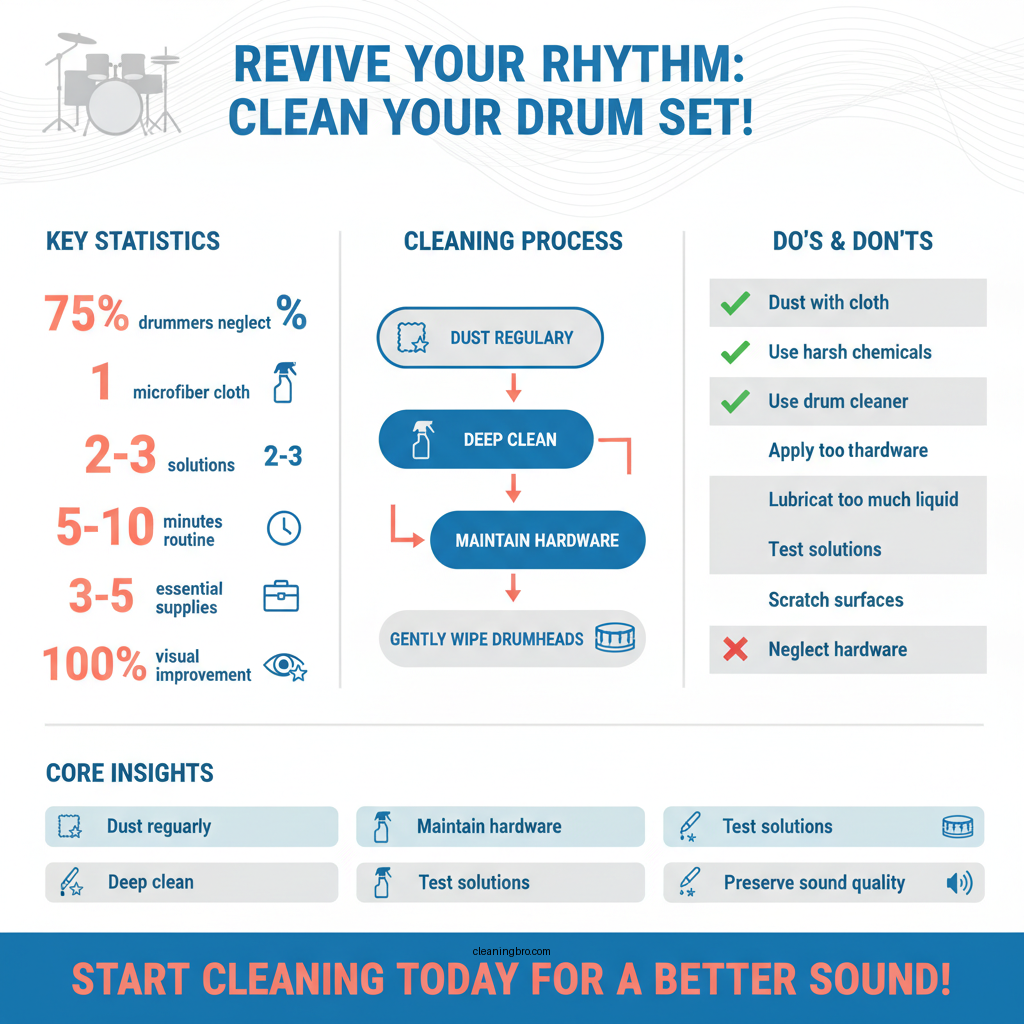
Cleaning your drum set is crucial for preserving its sound quality and visual appeal. Regular maintenance not only ensures that your instrument performs at its best but also extends its lifespan. By focusing on removing dirt and grime from the shells, cleaning the drumheads, and maintaining all hardware, you can keep your drum set in prime condition. This guide will provide you with effective steps and tips to achieve a thorough clean.
Gather Your Cleaning Supplies
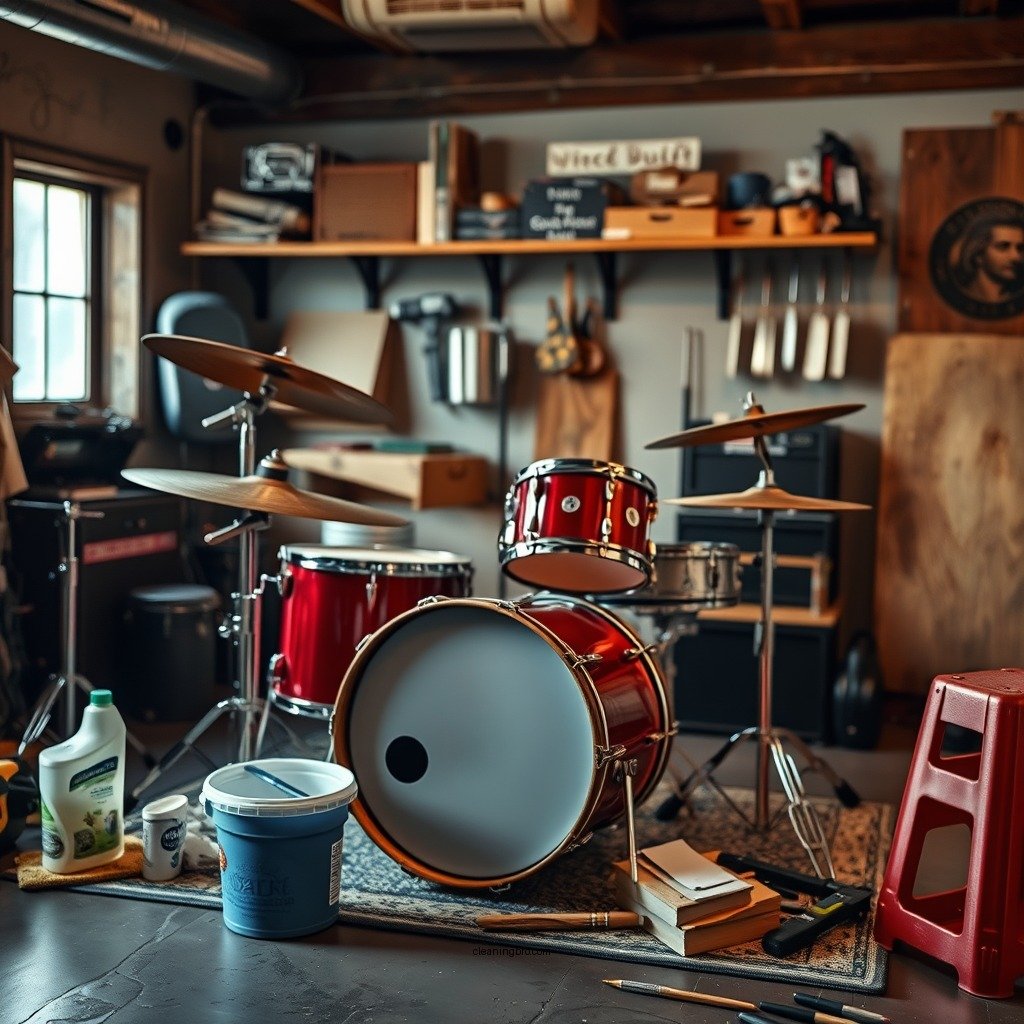
To effectively clean your drum set, it is important to assemble the right cleaning supplies. Here’s a list of essential items you will need:
– Microfiber cloths: These are ideal for dusting and polishing, as they are gentle and non-abrasive.
– Drum cleaner solution: Opt for a dedicated drum cleaner or a mixture of mild soap and water for cleaning surfaces without damaging them.
– Soft brushes: Use these for intricate areas, especially around lugs and tension rods where dirt tends to accumulate.
– Lubricant: This is necessary for maintaining hardware, ensuring that all moving parts operate smoothly without rust or corrosion.
By having these supplies on hand, you’ll be well-equipped to tackle the cleaning process efficiently.
Cleaning the Drum Shells
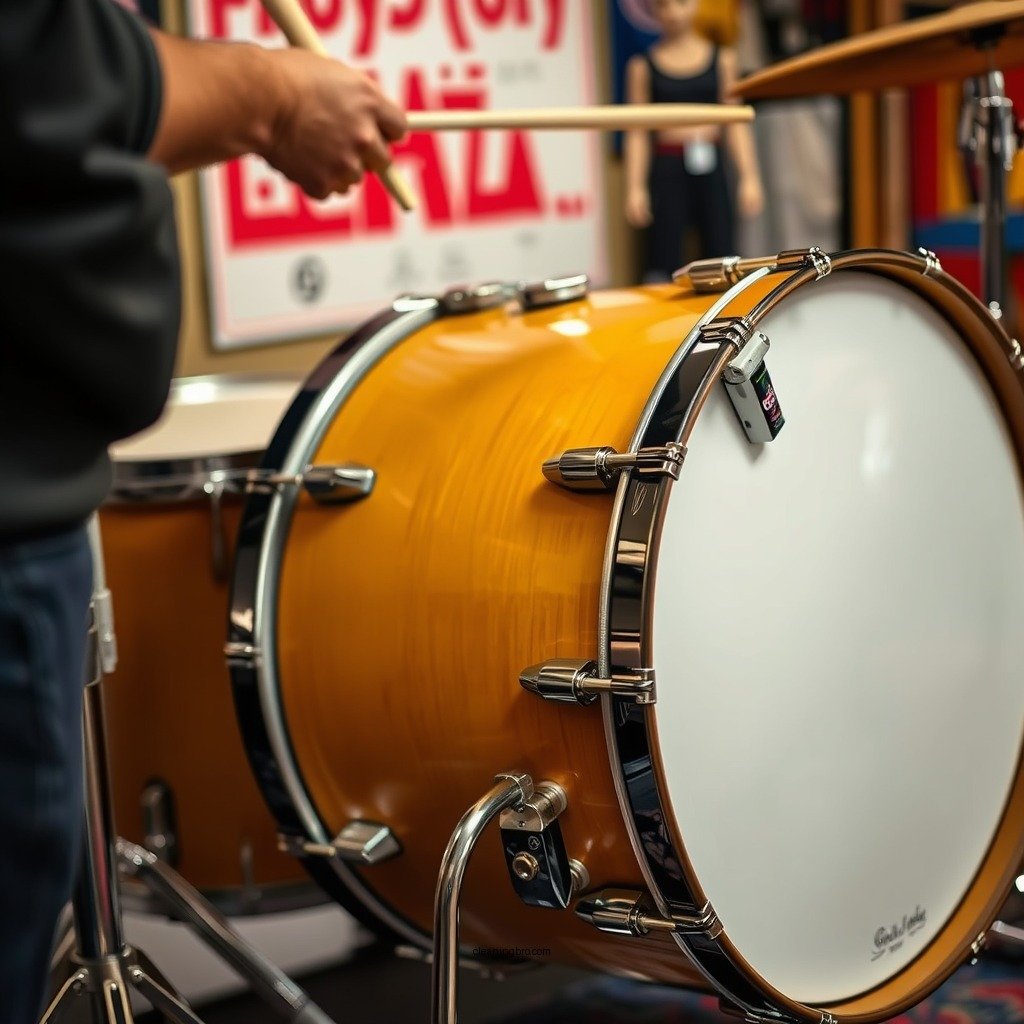
The drum shells are the most visible part of your drum set and can accumulate dust, fingerprints, and smudges over time. Here’s how to clean them effectively:
– Dusting: Start by using a microfiber cloth to wipe down the exterior of the drum shells. This will remove surface dust and fingerprints.
– Deep cleaning: For more thorough cleaning, lightly dampen another microfiber cloth with your drum cleaner solution. Gently wipe the shell while avoiding direct contact with the drumheads to prevent damage. Make sure to follow the grain of the wood for a better finish, as this can enhance the aesthetic appeal.
Pay particular attention to any significant marks or stains, using a bit more solution on stubborn areas, but always test a small, inconspicuous area first to ensure no adverse reaction occurs.
Caring for the Drumheads
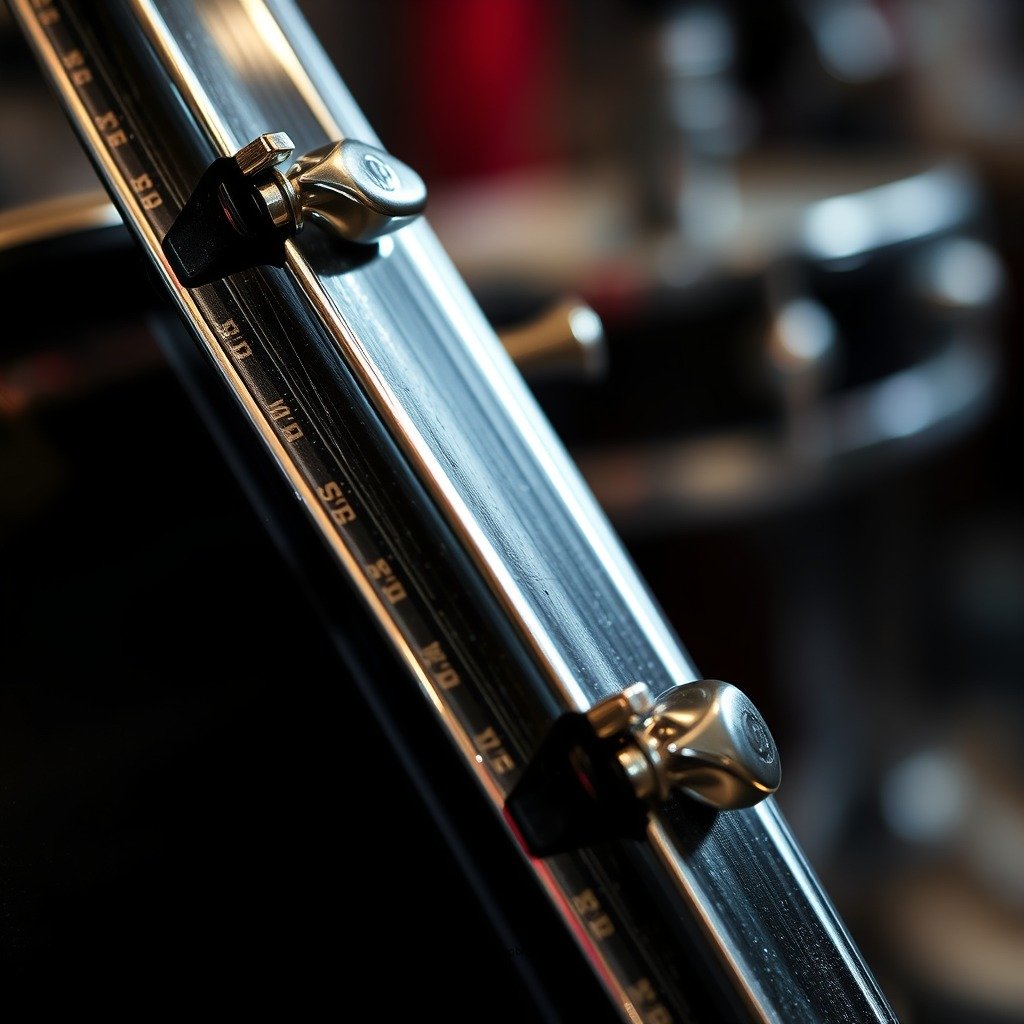
Drumheads are integral to the sound of your drum set, and proper care is essential to maintain their quality.
– Dust removal: Use a damp cloth to gently wipe the surface of the drumheads, removing dust and any sweat residue from playing.
– Chemical caution: Avoid using harsh chemicals or abrasive materials, as these can lead to deterioration or damage to the drumhead material. Stick to a gentle soap solution when necessary.
Regular cleaning of your drumheads will not only keep them looking fresh but can also enhance their tonal quality.
Maintaining the Drum Hardware
The hardware of your drum set, including tension rods, lugs, and brackets, requires special attention to prevent rust and ensure functionality.
– Inspection: Periodically check all hardware components for signs of rust or corrosion. If you notice any, it’s crucial to address it immediately.
– Cleaning: Use a soft brush to remove debris and dust around the hardware. For any stubborn rust, a fine steel wool can be used carefully, but be sure to avoid scratching the finish.
– Lubrication: After cleaning, apply a suitable lubricant to all moving parts. This will help maintain smooth operation and prevent future rust buildup.
Proper maintenance of your drum hardware is essential for optimal performance and longevity.
Cleaning the Cymbals
Cymbals can easily become tarnished and dirty, impacting their sound quality and appearance.
– Rinsing: Begin by rinsing cymbals with warm water to remove dirt, fingerprints, and grime. Avoid using cold water, as it may shock the material.
– Specialized cleaner: For stubborn spots, utilize a cymbal cleaner specifically designed for this purpose. Always adhere to the manufacturer’s instructions to avoid damaging the finish.
Regular cleaning of your cymbals will not only enhance their look but also improve their sound response during play.
Top 7 Drum Cleaning Products (2024)
| # | Product | Type | Price | Effectiveness |
|---|---|---|---|---|
| 1 | Drum Shell Cleaner | Liquid | $12.99 | ★★★★☆ |
| 2 | Cymbal Cleaner Pro | Spray | $15.49 | ★★★★★ |
| 3 | Microfiber Cloths | Cloth | $9.99 | ★★★★★ |
| 4 | Rust Remover | Liquid | $13.49 | ★★★★☆ |
| 5 | Drumhead Cleaner | Spray | $10.99 | ★★★★☆ |
| 6 | Hardware Lubricant | Liquid | $7.99 | ★★★★★ |
| 7 | Cymbal Cleaner Wipes | Wipes | $8.49 | ★★★☆☆ |
Regular Maintenance Tips
Establishing a routine cleaning schedule is vital for keeping your drum set in optimal condition. Here are some effective strategies:
– Set a schedule: Depending on your usage, aim to clean your drum set after every few sessions or at least once a month. Regular maintenance helps prevent the buildup of grime and dirt.
– Proper storage: When not in use, store your drum set in a dry, temperature-controlled environment. This will help prevent warping, rust, and corrosion, ultimately preserving the integrity of your instrument.
By following these tips, you can ensure that your drum set remains visually appealing and performs optimally for years to come.
Maintaining your drum set not only enhances its lifespan but also improves your playing experience. By following these steps regularly, you can ensure that your instrument sounds and looks its best. If you found this guide helpful, consider sharing it with fellow drummers or bookmarking it for future reference.
Frequently Asked Questions
How do I properly clean my drum set without damaging it?
To clean your drum set without causing damage, start by removing any dust and debris with a soft microfiber cloth. For deeper cleaning, use a mild soap solution and a damp cloth to wipe down the shells and hardware, ensuring you avoid excess moisture. Always dry surfaces thoroughly to prevent water damage, especially on wood components.
What products are best for cleaning drum heads?
The best products for cleaning drum heads are specifically designed drum head cleaners or mild soap mixed with water. Avoid harsh chemicals and abrasive materials, as they can damage the drumheads. Gently wipe with a soft cloth or sponge to remove grime while preserving the integrity of the drum heads.
Why is it important to clean my drum set regularly?
Regular cleaning of your drum set is crucial to maintain its appearance and sound quality. Dust and grime can accumulate, affecting both the aesthetic appeal and the resonance of the drums. Additionally, cleaning helps prolong the lifespan of your equipment by preventing corrosion and wear on hardware and drumheads.
Which areas of my drum set require the most attention during cleaning?
The areas that require the most attention during cleaning include the drum shells, drumheads, and hardware such as cymbals and stands. Pay special attention to the rims and bearing edges where dirt can build up, as this can impact sound quality. Regularly check and clean these areas to keep your drum set in optimal condition.
How often should I clean my drum set for optimal maintenance?
For optimal maintenance, it’s recommended to clean your drum set every few weeks if you play regularly, or at least once a month for occasional players. This frequency helps prevent buildup of dirt and grime that can affect performance and appearance. Additionally, always clean after performances or rehearsals to maintain your drum set’s condition.
References
- https://en.wikipedia.org/wiki/Drum_set
https://en.wikipedia.org/wiki/Drum_set - Drum set | musical instrument | Britannica
https://www.britannica.com/art/drum-set - https://www.sciencedirect.com/topics/engineering/drum-set
https://www.sciencedirect.com/topics/engineering/drum-set - https://www.nytimes.com/2020/07/21/arts/music/how-to-clean-your-drum-set.html
https://www.nytimes.com/2020/07/21/arts/music/how-to-clean-your-drum-set.html - https://www.researchgate.net/publication/327145021_Cleaning_and_maintenance_of_percussion_instruments
https://www.researchgate.net/publication/327145021_Cleaning_and_maintenance_of_percussion_instruments - Google Scholar Google Scholar
https://scholar.google.com/scholar?q=how+to+clean+drum+set - Google Scholar Google Scholar
https://scholar.google.com/scholar?q=drum+set+maintenance - Google Scholar Google Scholar
https://scholar.google.com/scholar?q=cleaning+musical+instruments - https://www.uwgb.edu/learning-center/writing-center/docs/cleaning-drums.pdf
https://www.uwgb.edu/learning-center/writing-center/docs/cleaning-drums.pdf - https://www.humboldt.edu/~music/cleaning_drums.pdf
https://www.humboldt.edu/~music/cleaning_drums.pdf