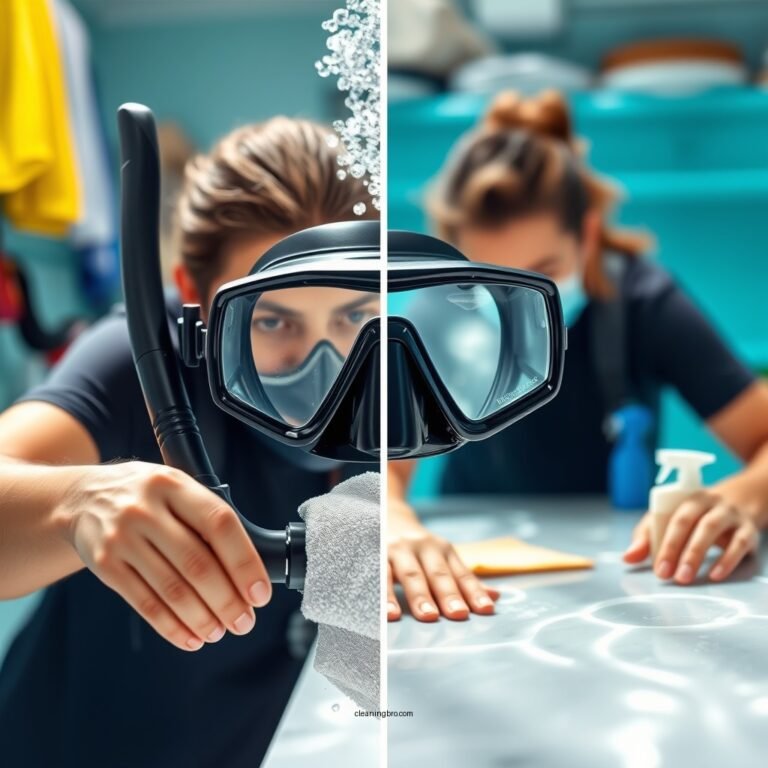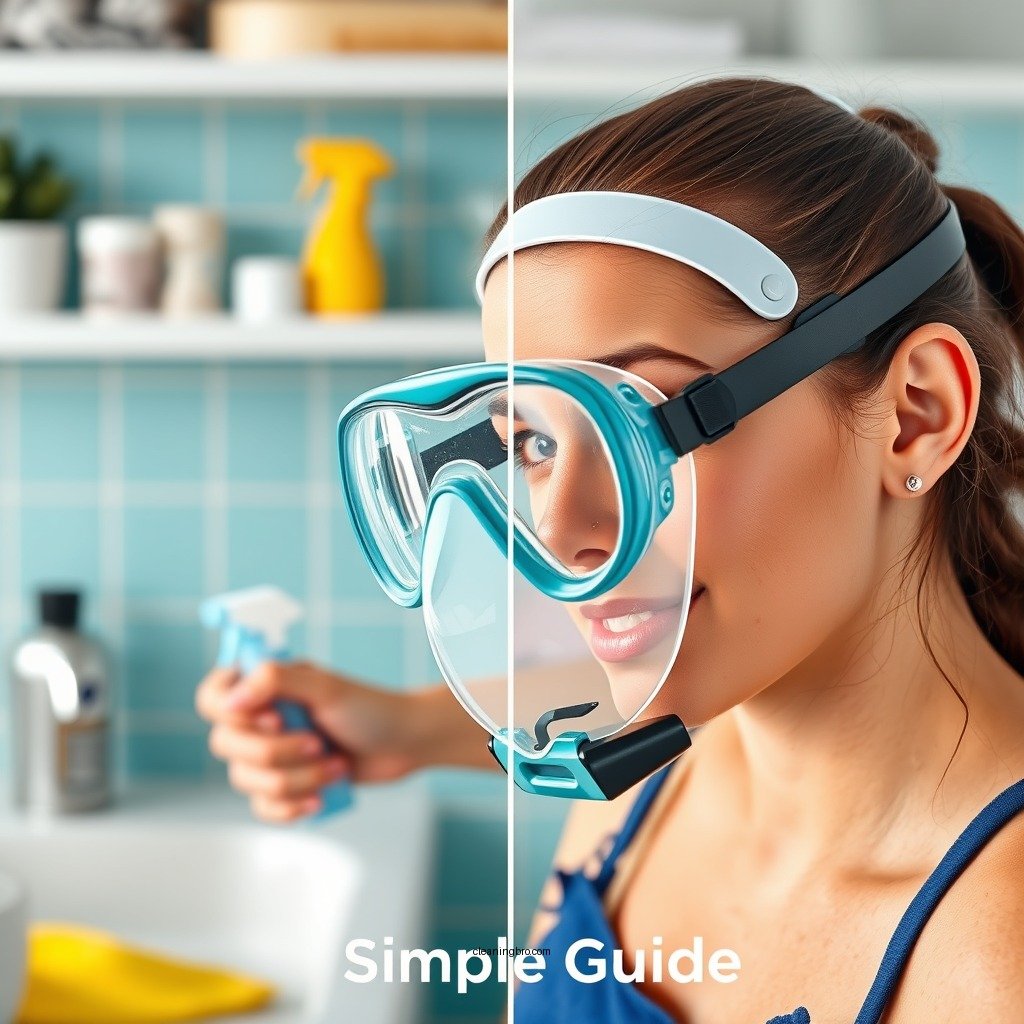
How to Clean Your Mask and Snorkel: A Simple Guide
Cleaning your mask and snorkel is essential to ensure optimal performance and hygiene during your underwater adventures. Regular maintenance not only enhances your snorkeling experience but also prolongs the lifespan of your gear. In this article, you’ll learn the best methods and tips for effectively cleaning your mask and snorkel to keep them in great shape.
Importance of Cleaning Your Mask and Snorkel
Cleaning your snorkeling gear is not merely a matter of aesthetics; it plays a significant role in health and performance. Masks and snorkels can accumulate bacteria, mold, and other contaminants if not cleaned regularly, which can lead to infections and other health issues. Moreover, a clean mask ensures clear vision underwater, allowing you to enjoy the vibrant marine life without obstruction. Properly functioning snorkels are crucial for easy breathing and overall comfort while exploring aquatic environments.
Basic Cleaning Steps After Each Use
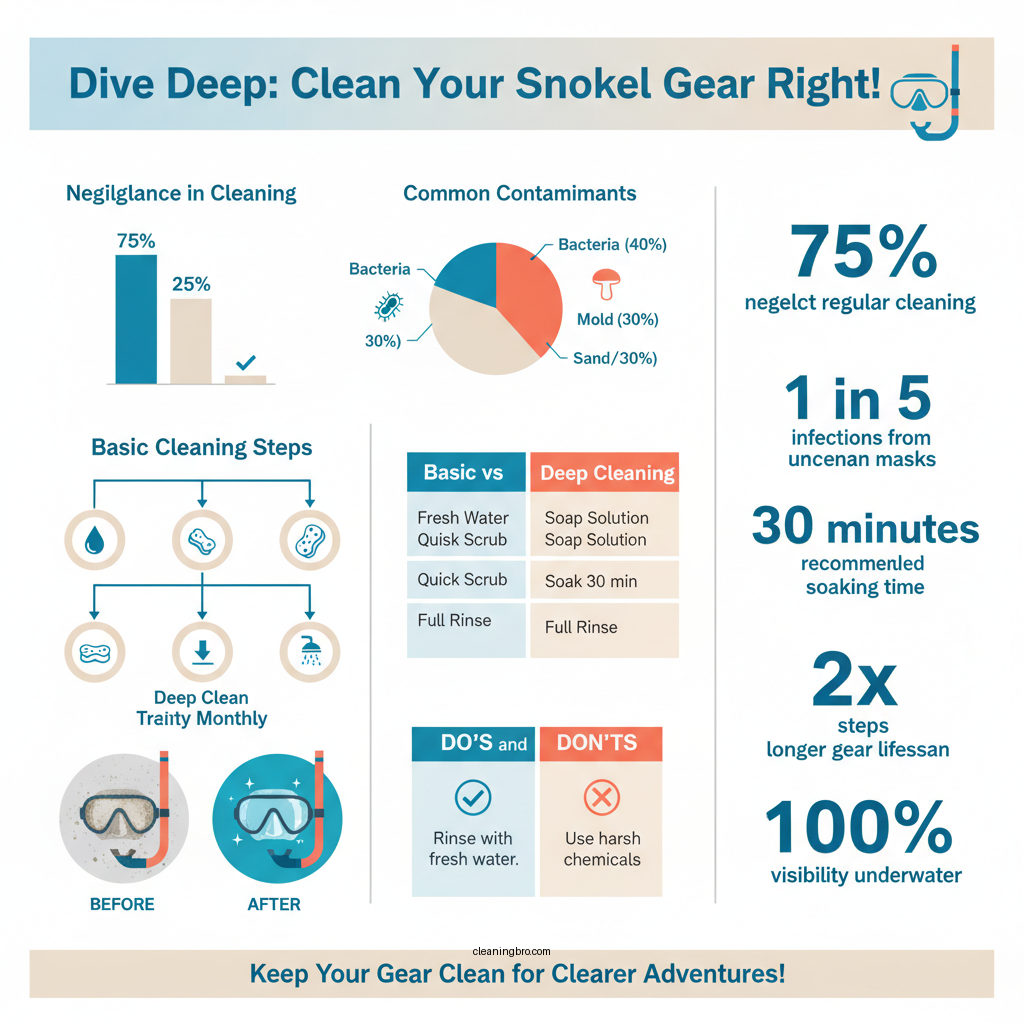
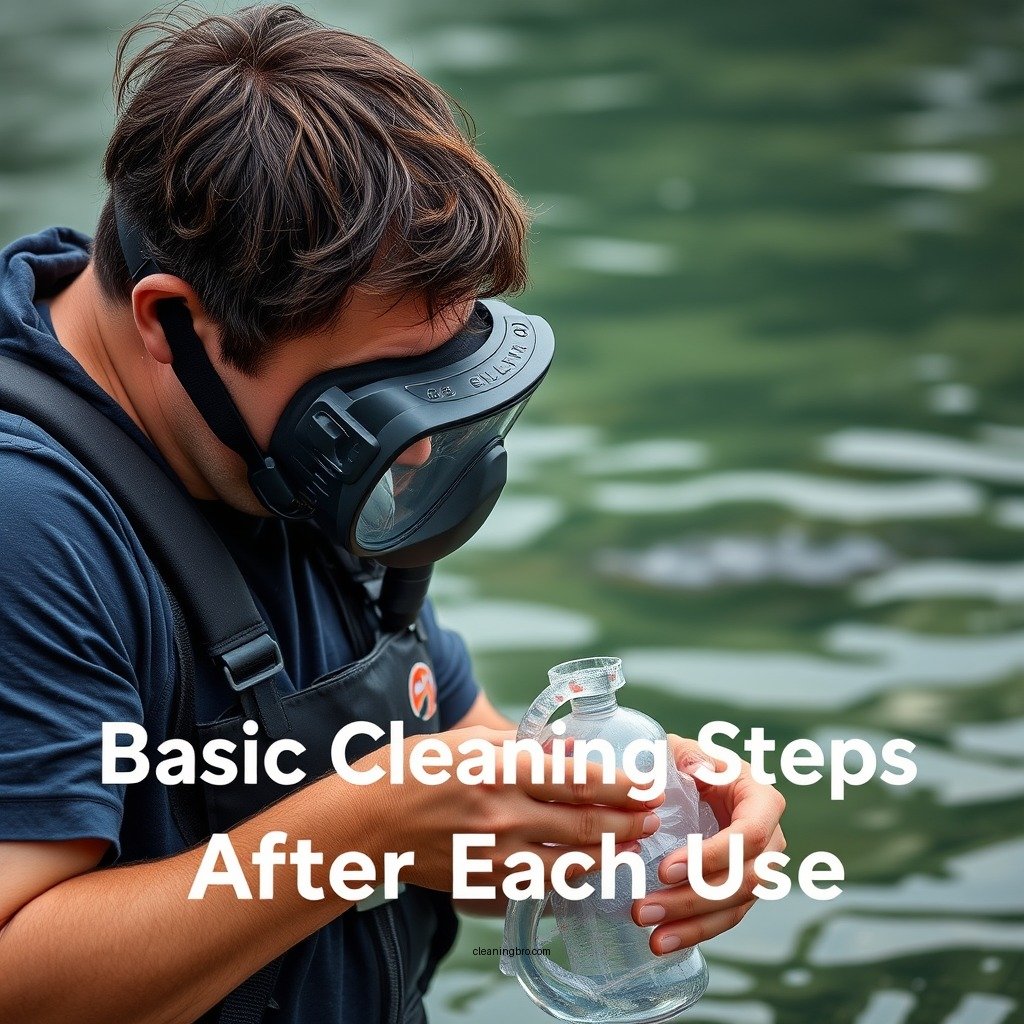
To maintain the integrity of your mask and snorkel, it’s essential to establish a cleaning routine after every use:
1. Rinse with Fresh Water: Immediately after your snorkeling session, rinse your mask and snorkel with fresh water. This helps to remove salt, sand, and other debris that can cause wear over time.
2. Gentle Scrubbing: Use your fingers to scrub the internal surfaces of the mask gently. Focus on the lens and the skirt to dislodge any particles stuck in crevices. For the snorkel, ensure you rinse out the mouthpiece thoroughly.
3. Drain Water: After rinsing, shake the snorkel to remove any trapped water. This prevents stagnant water from causing mold or bacteria growth.
Deep Cleaning Your Gear
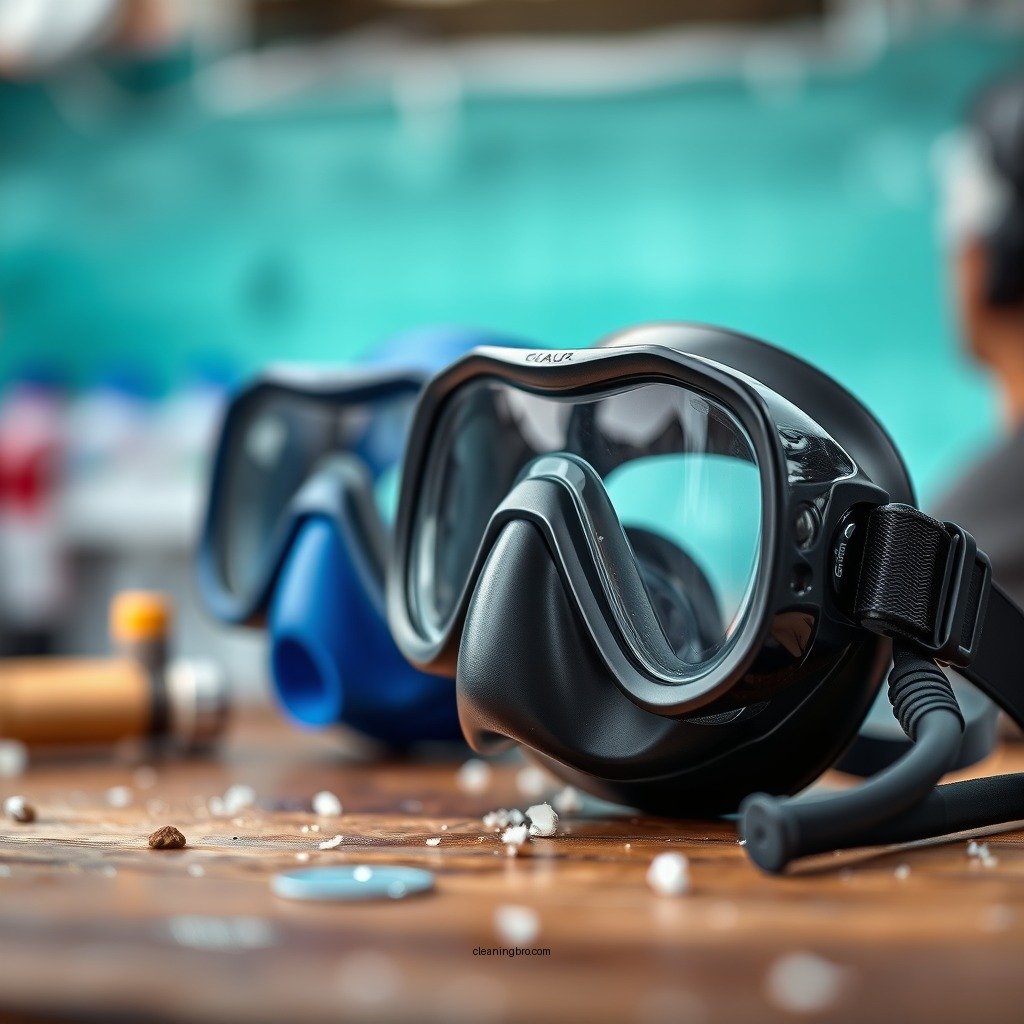
While basic cleaning is essential, deep cleaning should be conducted periodically to ensure your gear remains in optimal condition:
1. Soaking Solution: Prepare a mixture of warm water and mild soap. Avoid harsh detergents as they can damage silicone and rubber components.
2. Soak Time: Submerge your mask and snorkel in the solution for 15-30 minutes. This allows the soap to penetrate and break down any stubborn stains or deposits.
3. Scrubbing: After soaking, use a soft brush or cloth to scrub the surfaces. Pay attention to areas that may have buildup, particularly around the lens edges and snorkel mouthpiece.
4. Rinse Thoroughly: Ensure you rinse your gear thoroughly with fresh water to remove any soap residue, which can cause irritation during your dives.
Common Cleaning Solutions and Their Effectiveness
| # | Cleaning Solution | Effectiveness | Safety for Gear | Ease of Use |
|---|---|---|---|---|
| 1 | Mild Soap | High | Safe | Very Easy |
| 2 | Vinegar | Moderate | Safe | Easy |
| 3 | Commercial Cleaners | High | Potentially Harmful | Moderate |
| 4 | Baby Shampoo | High | Safe | Very Easy |
| 5 | Saltwater Rinse | Low | Safe | Difficult |
| 6 | Baking Soda Paste | Moderate | Safe | Easy |
| 7 | Lemon Juice | Low | Safe | Easy |
Dealing with Foggy Masks
Fogging is a common issue that can detract from your underwater experience. Fortunately, there are effective solutions to prevent this problem:
1. Commercial Anti-Fog Solutions: Many brands offer anti-fog sprays specifically designed for masks and snorkels. Simply apply the solution according to the manufacturer’s instructions for optimal results.
2. Baby Shampoo: An alternative method is to apply a thin layer of baby shampoo to the inside of the mask. Rinse thoroughly before use to prevent irritation, ensuring a clear lens for your underwater exploration.
3. Proper Fit: Ensure that your mask fits correctly. A poorly fitted mask can allow water to enter, which contributes to fogging. Adjust the straps to achieve a snug fit without being overly tight.
Storing Your Equipment Properly
Proper storage is vital to extend the lifespan of your snorkeling gear:
1. Cool, Dry Place: Store your mask and snorkel in a cool, dry area away from direct sunlight. UV rays can degrade the materials, leading to damage over time.
2. Protective Case: Utilize a protective case or bag to store your gear. This prevents scratches on the lenses and keeps the equipment safe from accidental damage during transport.
3. Avoiding Compression: Do not stack heavy items on top of your mask or snorkel, as this can warp the shape and affect their functionality.
Regular Maintenance Tips
To keep your snorkeling gear in top condition, adhere to these maintenance tips:
1. Regular Inspections: Frequently inspect your mask and snorkel for any signs of wear, such as cracks, tears, or discoloration. Replace parts as needed to ensure safety and performance.
2. Thorough Rinsing: Always rinse your gear thoroughly after every snorkeling trip, even if you plan to deep clean later. This simple step prevents buildup and extends the life of your equipment.
3. Keep Away from Heat Sources: Avoid exposing your gear to heat sources, such as car dashboards or direct sunlight, as this can warp and damage the materials.
Best Snorkeling Masks: A Comparison
| Feature | ⭐ XDeep Mask | Cressi F1 Mask | Scubapro Spectra Mask |
|---|---|---|---|
| Material | Silicone | Silicone | Silicone |
| Lens Type | Tempered Glass | Tempered Glass | Tempered Glass |
| Field of Vision | Wide | Very Wide | Wide |
| Weight | 0.7 lbs | 0.8 lbs | 0.9 lbs |
| Color Options | 5 | 3 | 4 |
| Price | $49.99 | $39.99 | $59.99 |
| Warranty | 2 years | 1 year | 2 years |
| Anti-Fog Feature | Yes | Yes | Yes |
| User Ratings | ★★★★☆ | ★★★★★ | ★★★★☆ |
| 🏆 Best For | Budget-conscious snorkelers | Beginners | Experienced divers |
Common Mistakes to Avoid
When caring for your mask and snorkel, be mindful of these common mistakes:
1. Harsh Chemicals: Avoid using harsh cleaning agents, such as bleach or ammonia, which can damage the materials and lead to degradation.
2. Abrasive Materials: Refrain from using scouring pads or rough cloths to clean your gear, as these can scratch the lenses and surfaces.
3. Direct Sunlight: Do not leave your gear in direct sunlight for extended periods. Prolonged exposure to UV rays can weaken the silicone and rubber components, leading to cracks and tears.
4. Neglecting Maintenance: Regular maintenance is key. Failing to clean and inspect your gear routinely can lead to costly repairs or replacements down the line.
Keeping your mask and snorkel clean is crucial for your snorkeling experience and overall health. Regular maintenance, proper storage, and addressing issues like fogging will ensure your gear lasts longer and performs better. Dive into your next adventure with confidence, knowing your equipment is in top shape!
Frequently Asked Questions
How do I properly clean my snorkel and mask after use?
To clean your snorkel and mask, rinse them thoroughly with fresh water immediately after use to remove salt, sand, and other debris. Use a mild soap or specialized dive gear cleaner to gently scrub the surfaces with a soft cloth or sponge, paying special attention to the silicone seals and straps. Rinse again with fresh water and allow them to air dry completely in a shaded area to prevent degradation from UV exposure.
What is the best way to remove fog from my snorkel mask?
To prevent fogging, you can apply a thin layer of baby shampoo or anti-fog solution to the inside of your snorkel mask before use. Rinse it gently with water and let it sit for a few minutes before diving. This method creates a protective film that helps keep the lens clear during your underwater adventures.
Why is it important to clean my mask and snorkel regularly?
Regular cleaning of your mask and snorkel is essential to prevent the buildup of mold, mildew, and bacteria, which can lead to health issues and unpleasant odors. Additionally, maintaining clean equipment ensures better visibility underwater and prolongs the lifespan of your gear, allowing you to enjoy snorkeling with confidence and comfort.
Which cleaning products are safe for snorkel masks and snorkels?
The safest cleaning products for snorkel masks and snorkels are mild dish soap, specialized snorkel gear cleaners, or natural alternatives like vinegar and baking soda. Avoid using harsh chemicals or abrasive cleaners, as they can damage the silicone and lenses. Always check the manufacturer’s recommendations to ensure that the products you use are compatible with your equipment.
How can I prevent my snorkel from getting clogged during use?
To prevent clogging, ensure that the snorkel’s purge valve and mouthpiece are clean and free from debris before each use. After cleaning, store your snorkel in a way that prevents any obstructions, and regularly inspect it for cracks or blockages. If clogs do occur, rinse the snorkel with fresh water and gently shake it to dislodge any particles.
References
- Scuba diving
https://www.wikipedia.org/wiki/Scuba_diving - https://www.sciencedirect.com/topics/earth-and-planetary-sciences/snorkeling
https://www.sciencedirect.com/topics/earth-and-planetary-sciences/snorkeling - https://www.ncbi.nlm.nih.gov/pmc/articles/PMC3948277/
https://www.ncbi.nlm.nih.gov/pmc/articles/PMC3948277/ - https://www.cdc.gov/healthyschools/physicalactivity/snorkeling.htm
https://www.cdc.gov/healthyschools/physicalactivity/snorkeling.htm - Page Not Found – Site Help – Mayo Clinic
https://www.mayoclinic.org/healthy-lifestyle/adult-health/expert-answers/snorkeling/faq-20057963 - https://www.britannica.com/sports/snorkeling
https://www.britannica.com/sports/snorkeling - https://www.nytimes.com/2020/07/16/travel/snorkeling-gear.html
https://www.nytimes.com/2020/07/16/travel/snorkeling-gear.html - Google Scholar Google Scholar
https://scholar.google.com/scholar?q=how+to+clean+mask+and+snorkel - Google Scholar Google Scholar
https://scholar.google.com/scholar?q=snorkel+cleaning+techniques - Google Scholar Google Scholar
https://scholar.google.com/scholar?q=snorkeling+gear+maintenance