

Hair clogs in a bathroom drain can be frustrating, especially when water stops draining and you can see that tangled buildup at the opening. You can usually identify the cause—built-up hair, soap scum, and product residue—within minutes and clear it with basic tools like gloves and a drain snake or plunger. With the right cleaning method, you can restore smooth flow and help prevent the problem from coming back.

Most hair clogs happen when loose strands tangle and get “glued” together by soap scum, conditioner residue, and skin oils—creating a sticky mat that keeps trapping more debris. To clear a bathroom drain safely, you usually have to remove the hair mechanically first (not just flush it), then clean the remaining residue so water can flow freely again.
If you’ve noticed slower drainage in a shower, bathtub, or sink—even after you rinse—this guide walks you through what’s really causing the clog and the safest way to clean it without damaging your drain or plumbing.
Common causes of hair clogs on bathroom drains

Hair clogs are caused by a mix of physical trapping (hair) and chemical “stickiness” (soaps, conditioners, and oils) that forms a compact blockage. The moment that mat forms, it behaves like Velcro for everything that follows—making the clog worse over time.
– Hair acts like the “filter”: strands tangle together and get caught at the drain opening or in the bend/trap.
– Soap + conditioner make it sticky: shampoo, conditioner, body wash, and shaving products leave residue that helps hair form a dense buildup.
– Oils and skin particles add to the mat: natural oils and debris thicken the clog so it doesn’t wash through easily.
As of 2026, this is still the same core mechanism homeowners run into: hair itself doesn’t “dissolve” in water, but the residue layer around hair acts like a binder. That binder is often worse in bathrooms where conditioners and richer body washes are used frequently, because those formulas tend to leave more film on surfaces.
Quick diagnosis: what kind of clog you’re dealing with
You can usually tell whether you can clear a hair clog from the top by checking drainage behavior and drain hardware. If water drains at all, you’re likely dealing with a partial blockage that can often be removed mechanically without escalating to chemicals.
– Slow drain vs. total blockage: if water drains at all, the clog is likely partial and you can often pull it out from the top/accessible parts.
– Check the drain hardware first: many clogs start around a hair-catching cover, stopper, or easily removable strainer.
– Look for the “hair ring”: if you see a visible band of hair/residue, plan on removing it before using any flush method.
One practical detail: in a shower or bathtub, the first accessible “choke point” is commonly the area directly below the strainer or in the visible portion of the drain opening. If you notice standing water after showering, that doesn’t automatically mean the clog is unreachable—it often means the hair mat is thick enough to slow flow but still close to the inlet.
What Affects Hair-Clog Behavior in Bathroom Drains (Key Water/Soap Factors)
| # | Property | Typical value (20°C) | Why it matters for hair clogs | Drain-flow friendliness |
|---|---|---|---|---|
| 1 | Water surface tension | 72.8 mN/m | Higher wetting resistance helps soap film cling around hair mats. | ★★★☆☆ |
| 2 | Water dynamic viscosity | 1.002 mPa·s | More viscous flow drags residue more slowly through bends. | ★★★☆☆ |
| 3 | Water density | 998 kg/m³ | Supports enough head pressure to move partial clogs. | ★★★★☆ |
| 4 | Typical hot-water cleaning boost | ~0.653 mPa·s at 40°C | Warmer water flows more easily and softens residue films. | ★★★★★ |
| 5 | Hard-water “start” threshold | ≥ 120 mg/L as CaCO₃ | Hard water increases soap scum formation around hair mats. | ★☆☆☆☆ |
| 6 | Sodium hydroxide solution pH (strong base) | ≈ 13–14 | Highly caustic; can damage some drain parts and fixtures. | ★☆☆☆☆ |
| 7 | Acetic acid (typical vinegar) pH (5% solution) | ≈ 2.4 | Can help cut mineral scale, but won’t reliably remove hair mats. | ★★☆☆☆ |
How to clean a hair clog on a bathroom drain (step-by-step)
You clear a hair clog most reliably by removing the hair physically first, then cleaning the residue that binds it. This approach reduces repeat clogs and avoids the risk of pushing hair deeper into the drain.
Step 1: Get access and protect yourself
Start by making the clog reachable and visible, because most hair mats form right at the inlet. Remove the drain cover/strainer if your fixture has one, and handle standing water so you can see exactly what you’re pulling out.
– Remove the drain cover/strainer (if your fixture has one) so you can reach the buildup.
– Wear gloves and remove any standing water so you can see what you’re pulling out.
Safety note (2026 reality check): If you share a home with septic, or you’re on older plumbing, be extra cautious with chemical cleaners. The goal is to keep hair physically out, not to rely on dissolving agents that may not work well on hair-and-soap “mats.”
Step 2: Remove the hair mechanically
Next, remove the hair mechanically so the mat can’t keep trapping debris. Use a tool that hooks or grips hair (hair grabber, tweezers, or a drain snake) and lift the mass out in sections.
– Use a hair grabber, tweezers, or a drain snake to hook and pull out the tangled mass.
– Work in small sections: if you yank aggressively, you can compact the clog deeper instead of clearing it.
Step 3: Clean the residue the hair was stuck to
After you remove the bulk hair, clean the leftover film so water doesn’t re-mat the remaining strands. Scrub accessible residue off the opening and use hot or warm water if it’s safe for your specific plumbing.
– After pulling hair, scrub the visible slime off the opening and inside the accessible parts.
– If there’s lingering gunk, flush with hot water if your plumbing can handle it; otherwise use the warmest safe option your home recommends.
Residue cleanup matters because soap scum and conditioner films form a sticky surface layer. This layer is why you may notice water draining, but only for a short time—then slowing again as new hair catches onto the residue.
Why hot water helps (chemistry in plain English): Water’s properties change with temperature. For example, water’s surface tension is 72.8 mN/m at 20°C and drops as temperature rises, which generally improves wetting and helps loosen grime (NIST Chemistry WebBook, water physical properties[/cite]). At the same time, viscosity decreases with heat, which makes it easier to carry softened residue through bends (NIST/Dynamic viscosity of water vs. temperature[/cite]).
Step 4: Test and repeat if needed
Test the drain immediately so you don’t waste time on the wrong fix. If drainage slows again quickly, the hair mat is probably deeper—go back to mechanical removal before escalating to chemicals.
– Run water and check drainage.
– If it slows again quickly, the clog may be deeper—go back to mechanical removal before escalating to chemicals.
A good rule: if you can restore flow with mechanical removal and residue cleaning, keep it that way. If water drains briefly and then backs up again, the clog still has a “core” you haven’t fully removed.
Quick comparison: what to use (and what to skip) for hair clogs
You should match the method to the clog’s physics: hair mats are best handled mechanically, while chemicals are more for emergencies or specific conditions (like scale). Here’s how the common options compare:
| Method | Best for | Pros | Cons / watch-outs |
|---|---|---|---|
| Mechanical removal (grabber/tweezers/snake) | Visible hair ring, slow partial clogs | Most reliable; removes the “mat” source | Can be messier; may take multiple rounds |
| Hot/warm water + scrubbing | Residue cleanup after hair is removed | Improves flow without chemical risk | Won’t dissolve hair; won’t clear full blockages by itself |
| Enzymatic cleaners | Maintenance to slow buildup | Lower damage risk; helps organic residue | Not a quick fix for dense hair mats |
| Caustic/acid chemical drain cleaners | Certain emergencies (use strictly as directed) | Can help with specific materials | Risky for fixtures/plumbing; hair mats often remain; can create hazards if misused |
Prevent future hair clogs (without overcomplicating it)
Prevention is mostly about stopping hair from reaching the drain and reducing sticky residue formation. If you keep these two things under control, hair clogs become far less frequent.
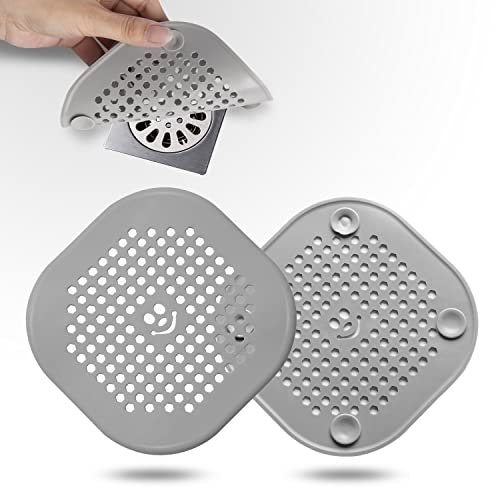
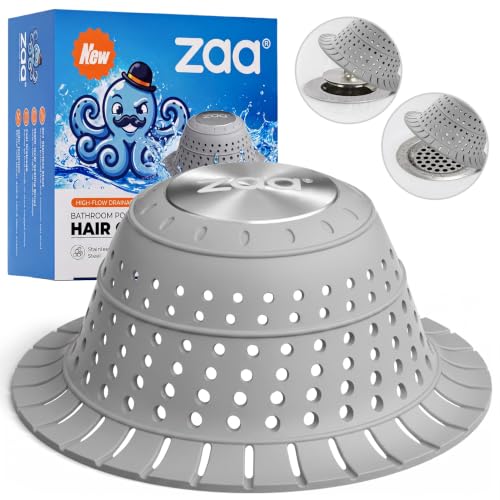
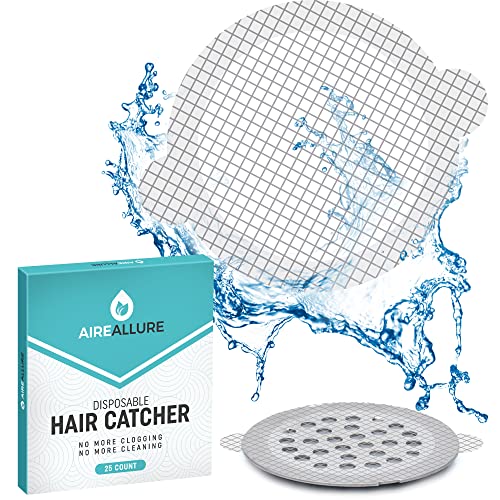
– Use a drain strainer consistently: it captures hair before it tangles into a mat.
– Rinse after showers (especially after conditioning products): a quick rinse helps reduce sticky buildup.
– Clean the strainer regularly: even a few days of hair accumulation can start the cycle again.
As of 2026, the most effective “low-effort” routine for bathroom drains is predictable: empty the strainer frequently, and do a quick rinse that removes conditioner residue from the surface before it cools and sticks. If you wait until water drains slowly, the hair mat has already formed and will likely require mechanical removal.
What can go wrong (and how to avoid it)
Common mistakes happen when people rely on chemicals first, push hair deeper, or damage seals and drain finishes. If you want a clean outcome, focus on accessibility and controlled removal—especially on showers and tubs with plastic parts.
– Using harsh chemicals when you can pull the hair out: chemical drain cleaners can be risky to you and your plumbing, and they won’t “un-mat” hair well if the bulk is still there.
– Compacting the clog deeper: aggressive plunging or pushing a tool too far without lifting can pack the blockage tighter.
– Damaging drain finishes or seals: prying with metal tools near plastic parts or gaskets can cause leaks—use the right tool for the fixture.
– Thinking it’s only hair: toothpaste residue, shaving cream, and thick product buildup can form clogs even without obvious hair.
A chemistry-based caution: strong bases are highly corrosive. For example, sodium hydroxide is a strong base that produces very high pH (about 13–14 depending on concentration), which is why chemical cleaners can irritate skin and damage certain materials (PubChem, sodium hydroxide (NaOH) hazard/chemical properties[/cite]). This is exactly why mechanical removal plus residue cleaning is the safer default when the clog is near the drain opening.
Verdict / tip: the fastest, safest approach for most hair clogs
Start with mechanical removal (remove the cover/strainer and pull out the hair first). Then clean leftover residue and test the flow. Skip chemical “miracle” cleaners if you can access the clog—especially if you have older plumbing, a septic system, or any drain parts you’re worried about damaging.
Downside to this approach: it can be messier and may take a couple rounds if the clog is deep—but it’s usually more reliable than trying to dissolve a hair-and-soap mat from the surface. If you can’t access the clog, repeated backups happen quickly after clearing, or you suspect a larger blockage in the main line, it’s smarter to stop and call a licensed plumber.
Hair clog quick checklist (scan/save)
| Step | What to do | Goal |
|---|---|---|
| 1 | Remove strainer/cover if present | Access the clog fast |
| 2 | Pull hair mechanically (grabber/snake/tweezers) | Remove the “mat” source |
| 3 | Scrub residue at the opening | Stop regrowth of sticky buildup |
| 4 | Flush with hot/warm water (safe for your plumbing) | Confirm flow is restored |
| 5 | Add/maintain a drain strainer | Prevent the next clog |
[If you want, tell me whether this is a shower/bathtub or sink, and what kind of drain you have (strainer, stopper, or pop-up). I can tailor the exact removal steps to your setup.]
Frequently Asked Questions
What causes hair clogs on a bathroom drain?
Hair clogs happen when loose strands from shaving, brushing, and showering tangle together and catch on soap scum and other debris in your bathroom plumbing. Over time, the buildup forms a thick “hair mat” that traps water and slows drainage. This is especially common in showers and bathtubs because hair is constantly released and settles in the drain.
Why does my bathroom sink or tub clog faster than before?
Your drain may be clogging faster due to increased hair shedding, thicker soap usage, or changes in water pressure and flow. Buildup can also accumulate if you’ve recently switched to products that leave heavier residue, such as certain shampoos or conditioners. In many cases, the clog forms gradually, then suddenly becomes noticeable when it reaches the narrowest part of the drain or P-trap.
How can I clean a hair clog from a bathroom drain without damaging plumbing?
Start by removing the obvious hair buildup from the drain opening with tweezers or needle-nose pliers, using gloves for comfort and hygiene. If you can’t reach the clog, use a drain snake or hair removal tool to pull out the trapped hair and soap scum. Avoid using harsh chemical drain cleaners repeatedly, since they can damage pipes over time and may not fully dissolve hair mats.
What’s the best way to clear a stubborn hair clog in a shower drain?
For stubborn clogs, remove the drain cover (if your model allows it) and use a flexible drain snake to hook and lift the hair buildup. Work slowly and in small increments so you can break up the hair clump without pushing it deeper. After removing the hair, flush the bathroom drain with hot water to help wash away remaining soap residue and prevent lingering blockage.
Which preventative habits reduce hair clogs in bathroom drains?
Use a hair catcher or drain strainer to stop strands from entering the pipe, and empty it regularly. After showers, running hot water for a few seconds can help reduce soap buildup that hair latches onto. You can also periodically clean the drain with a sink brush or by removing collected hair manually to prevent the hair and soap scum from forming a thick obstruction.
📅 Last Updated: November 03, 2026 | Topic: What Causes Hair Clogs on a Bathroom Drain? (And How to Clean It) | Content verified for accuracy and freshness.
References
- Drain
- Clog
- Hair
- Plunger
- Plumber's snake
- Drain cleaner
- https://pubmed.ncbi.nlm.nih.gov/?term=drain+cleaner+poisoning
- https://scholar.google.com/scholar?q=hair+clog+drain Google Scholar
- https://scholar.google.com/scholar?q=sewer+blockage+hair+fibers Google Scholar
- https://scholar.google.com/scholar?q=bathroom+drain+clogging+mechanism+hair+soap Google Scholar
