How to Clean Plastic Water Containers Effectively
Cleaning plastic water containers is simple yet crucial for maintaining safe drinking water. To effectively clean these containers, you should use a combination of soap, water, and a disinfectant. This ensures that any bacteria or mold are eliminated, keeping your water safe and fresh. In this article, you’ll learn step-by-step methods to clean your plastic water containers thoroughly.
Choosing the Right Cleaning Supplies

The first step to effectively cleaning plastic water containers is selecting the appropriate cleaning supplies. Using the right products not only enhances the cleaning process but also ensures that the containers remain safe for future use.
– Mild Dish Soap: Utilizing a mild dish soap is essential as it helps remove dirt, grime, and residue without damaging the plastic. Harsh chemicals may degrade the material over time and leave harmful residues that can contaminate drinking water.
– Disinfectants: For disinfecting, white vinegar and bleach are effective options. White vinegar is a natural disinfectant that can kill many types of bacteria and mold, making it a safe choice for those wary of chemical cleaners. On the other hand, bleach is a powerful disinfectant that can eliminate a broader range of pathogens, but it must be used with care to avoid harmful residues.
Preparing the Container for Cleaning
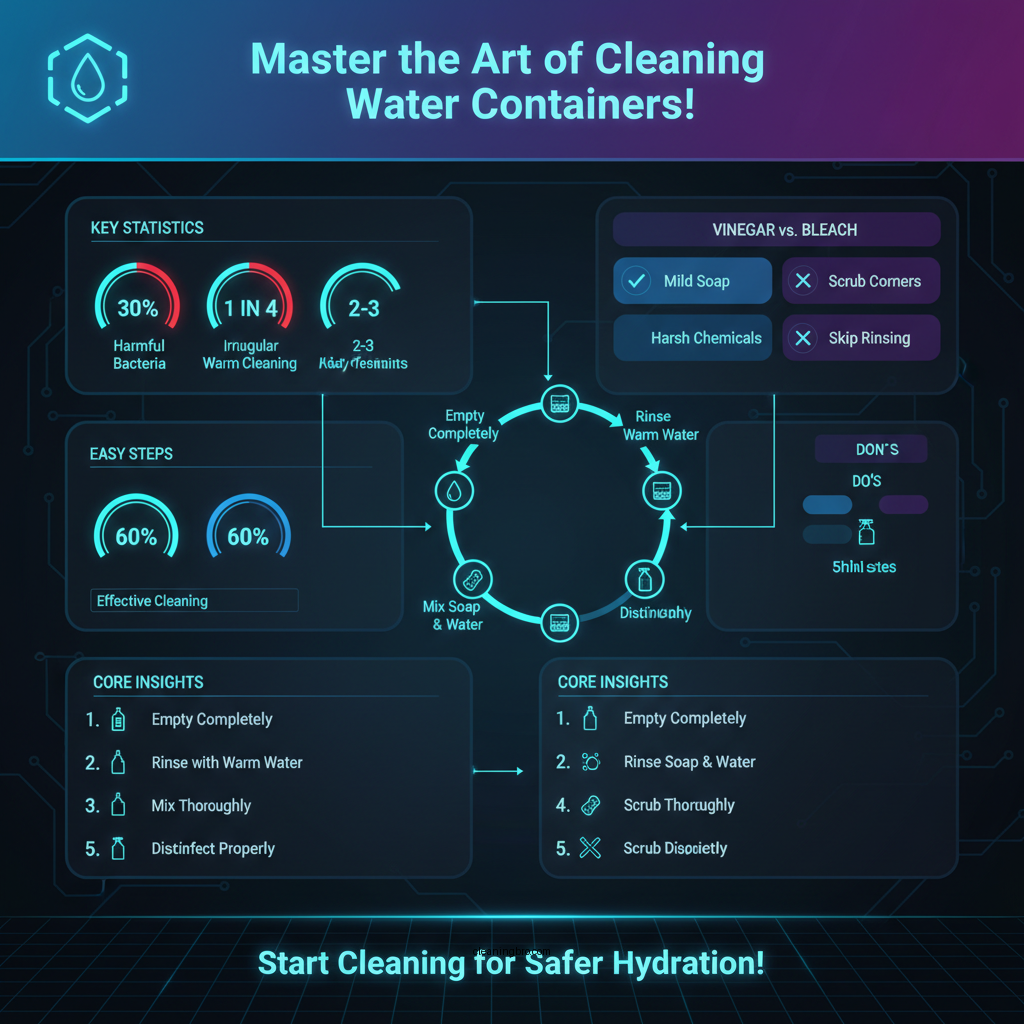
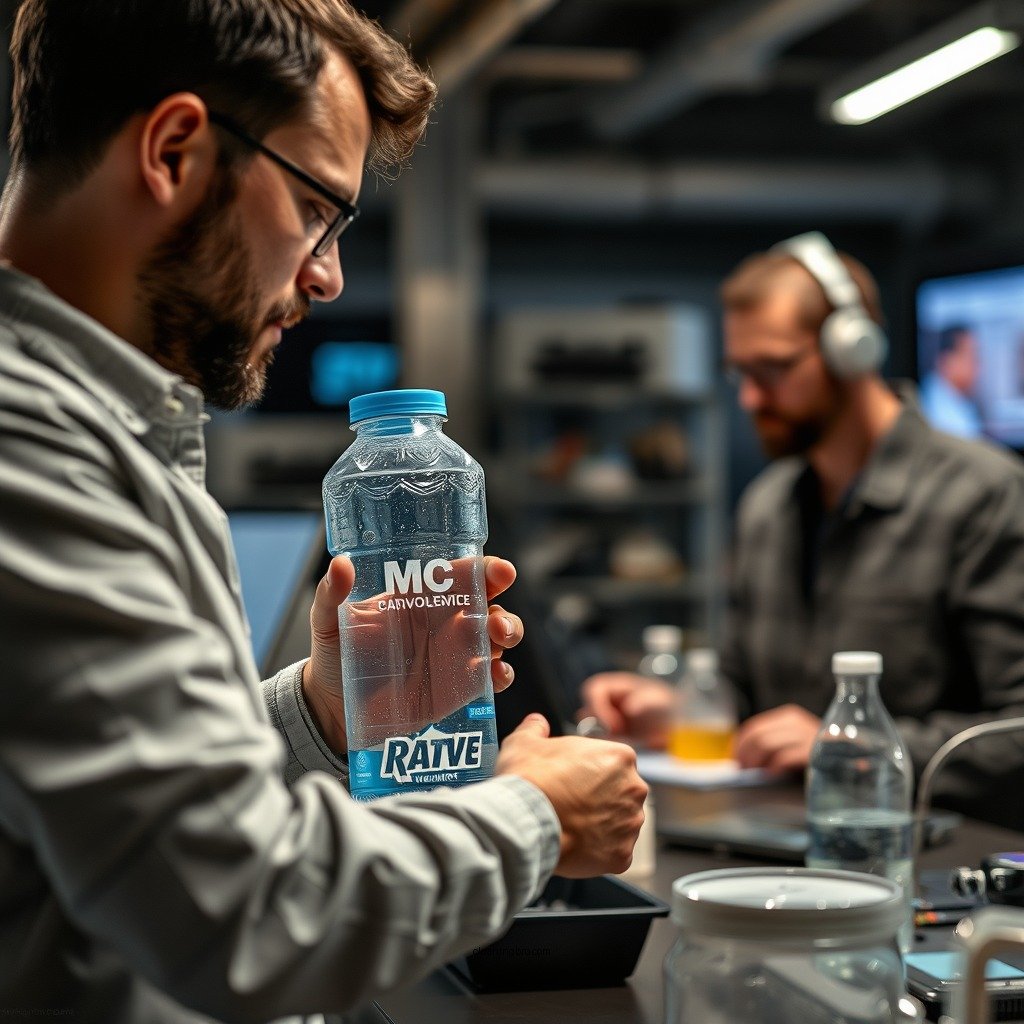
Proper preparation of the container is crucial to ensure effective cleaning. Neglecting this step can lead to leftover contaminants that may compromise the quality of the water stored inside.
– Empty the Container Completely: Before starting the cleaning process, ensure that the container is completely empty. Any leftover water can dilute your cleaning solution and hinder the effectiveness of the cleaning.
– Rinse with Warm Water: After emptying, rinse the container with warm water. This step helps in removing any residual liquid and makes it easier for the soap to penetrate and break down any dirt or grime present in the container. Warm water is more effective at dissolving soap, enhancing the overall cleaning process.
The Cleaning Process
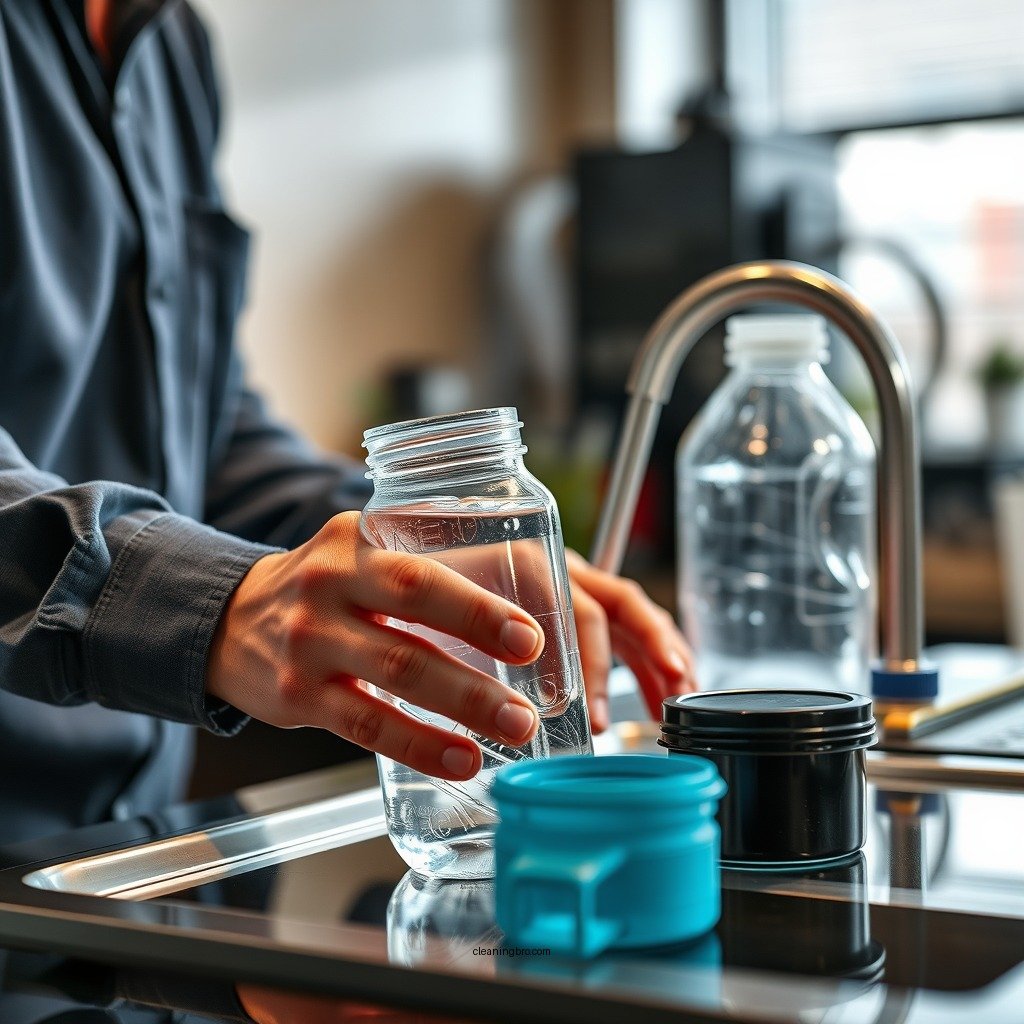
Once you have prepared the container, it’s time to dive into the cleaning process, which is straightforward yet crucial for maintaining hygiene.
– Mix Soap with Warm Water: In a bowl or sink, mix a few drops of mild dish soap with warm water. The warm water will help the soap create a lather that can effectively remove dirt and bacteria.
– Scrub the Interior with a Brush: Using a soft-bristled brush or a sponge, scrub the interior of the container thoroughly. Pay special attention to corners and crevices where dirt and grime can accumulate. Ensure that you clean both the interior and exterior surfaces to remove any contaminants completely.
– Rinse Thoroughly: After scrubbing, rinse the container thoroughly with clean water. It’s essential to ensure that no soap residue remains, as this can alter the taste of the water and may harbor contaminants.
Disinfecting the Container
Disinfection is a vital step in the cleaning process, especially for water containers that can be prone to bacteria and mold growth.
– Prepare a Disinfectant Solution: Depending on your choice of disinfectant, prepare a solution of either white vinegar or bleach mixed with water. For bleach, a common ratio is one tablespoon of bleach per gallon of water. For vinegar, a solution of one part vinegar to four parts water is effective.
– Let the Solution Sit: Pour the disinfectant solution into the container and let it sit for at least 10 minutes. This duration allows the disinfectant to kill bacteria and mold effectively. Make sure to follow the manufacturer’s guidelines for any specific instructions regarding contact time for disinfectants.
Rinsing and Drying
After disinfecting, proper rinsing and drying are crucial to ensure that the container is completely clean and safe for use.
– Rinse Several Times: Rinse the container multiple times with clean water to ensure that all disinfectant residue is removed. This step is particularly important when using bleach, as any remaining bleach can be harmful if ingested.
– Allow to Air Dry Completely: After rinsing, place the container upside down on a clean drying rack or towel, allowing it to air dry completely. This step helps to prevent any moisture from remaining in the container, which can promote mold growth.
Maintaining Cleanliness
Once your plastic water containers are clean and disinfected, maintaining their cleanliness is key to ensuring safe drinking water.
– Store Containers in a Cool, Dry Place: Proper storage is essential for preventing bacteria growth. Store your containers in a cool, dry area away from direct sunlight, which can degrade plastic over time.
– Regular Cleaning Schedule: To ensure ongoing hygiene, establish a regular cleaning schedule. Aim to clean your containers every few weeks, especially if they are frequently used. Regular maintenance will help prevent the buildup of bacteria and ensure that your drinking water remains safe and fresh.
Top 7 Cleaning Methods for Plastic Water Containers (2024)
| # | Method | Effectiveness | Time Required | Ease of Use |
|---|---|---|---|---|
| 1 | Hot Water and Soap | High | 5 minutes | Very Easy |
| 2 | Vinegar Solution | Medium | 10 minutes | Easy |
| 3 | Bleach Solution | Very High | 15 minutes | Moderate |
| 4 | Baking Soda Paste | High | 12 minutes | Easy |
| 5 | Lemon Juice Rinse | Medium | 8 minutes | Very Easy |
| 6 | Hydrogen Peroxide | High | 10 minutes | Moderate |
| 7 | Commercial Cleaners | Very High | Varies | Moderate |
Cleaning Methods: Soap vs Vinegar vs Bleach
| Feature | ⭐ Soap | Vinegar | Bleach |
|---|---|---|---|
| Effectiveness | Medium | High | Very High |
| Time to Clean | Short | Medium | Long |
| Odor Removal | ✅ Good | ✅ Excellent | ✅ Very Good |
| Cost | Low | Low | Medium |
| Environmentally Friendly | ✅ Yes | ✅ Yes | ❌ No |
| Residue Risk | Low | Low | High |
| Bacteria Removal | ✅ Good | ✅ Very Good | ✅ Excellent |
| Ease of Use | ✅ Very Easy | ✅ Easy | ✅ Moderate |
| 🏆 Best For | General Cleaning | Natural Cleaning | Deep Disinfection |
Maintaining the cleanliness of plastic water containers significantly affects the quality of the water you consume. By following the outlined methods for cleaning and disinfecting, you can ensure that your containers are not only free from harmful bacteria but also safe for regular use. Regular cleaning, combined with proper storage practices, will keep your containers in optimal condition, allowing you to enjoy fresh, clean water whenever you need it.
Frequently Asked Questions
What is the best method to clean plastic water containers?
The best method to clean plastic water containers involves using a mixture of warm water and mild dish soap. Scrub the interior with a soft brush to reach all surfaces, then rinse thoroughly with clean water. For disinfecting, you can also use a solution of one tablespoon of bleach per gallon of water, letting it sit for a few minutes before rinsing again.
How often should I clean my plastic water containers?
You should clean your plastic water containers at least once a month, especially if they are used for storing drinking water. Regular cleaning helps prevent the build-up of bacteria and mold, ensuring that your water remains safe and fresh. If the container is used frequently or is exposed to sunlight, consider cleaning it every two weeks.
Why is it important to clean plastic water containers?
Cleaning plastic water containers is crucial because over time, they can harbor bacteria, mold, and algae, which can contaminate your drinking water. Regular cleaning not only ensures the water remains safe to drink but also prolongs the lifespan of the container. Neglecting this maintenance can lead to health issues and unpleasant tastes or odors in the water.
Which cleaning agents are safe for plastic water containers?
Safe cleaning agents for plastic water containers include mild dish soap, white vinegar, and hydrogen peroxide. Avoid using harsh chemicals or abrasive cleaners, as they can damage the plastic and may leave harmful residues. A mix of vinegar and water is a natural alternative that effectively disinfects without causing damage.
How do I remove stubborn stains from plastic water containers?
To remove stubborn stains from plastic water containers, create a paste using baking soda and water, then apply it to the stained areas and let it sit for 15-20 minutes. Scrub gently with a soft brush or sponge, and rinse thoroughly with warm water. For tougher stains, consider using a diluted bleach solution, but ensure you rinse well to eliminate any bleach residue.
References
- https://www.cdc.gov/healthywater/drinking/cleaning-water-containers.html
https://www.cdc.gov/healthywater/drinking/cleaning-water-containers.html - https://www.epa.gov/water-research/cleaning-your-water-storage-tank
https://www.epa.gov/water-research/cleaning-your-water-storage-tank - https://www.nsf.org/consumer-resources/articles/cleaning-water-storage-tanks
https://www.nsf.org/consumer-resources/articles/cleaning-water-storage-tanks - https://www.health.ny.gov/environmental/water/drinking/cleaning_storage_tanks.htm
https://www.health.ny.gov/environmental/water/drinking/cleaning_storage_tanks.htm - https://www.who.int/water_sanitation_health/publications/2011/cleaning_water_containers.pdf
https://www.who.int/water_sanitation_health/publications/2011/cleaning_water_containers.pdf - https://www.ncbi.nlm.nih.gov/pmc/articles/PMC7318477/
https://www.ncbi.nlm.nih.gov/pmc/articles/PMC7318477/ - https://www.sciencedirect.com/topics/agricultural-and-biological-sciences/water-storage
https://www.sciencedirect.com/topics/agricultural-and-biological-sciences/water-storage - Google Scholar Google Scholar
https://scholar.google.com/scholar?q=cleaning+plastic+water+containers - Google Scholar Google Scholar
https://scholar.google.com/scholar?q=water+container+sanitation - Google Scholar Google Scholar
https://scholar.google.com/scholar?q=cleaning+methods+for+plastic+containers