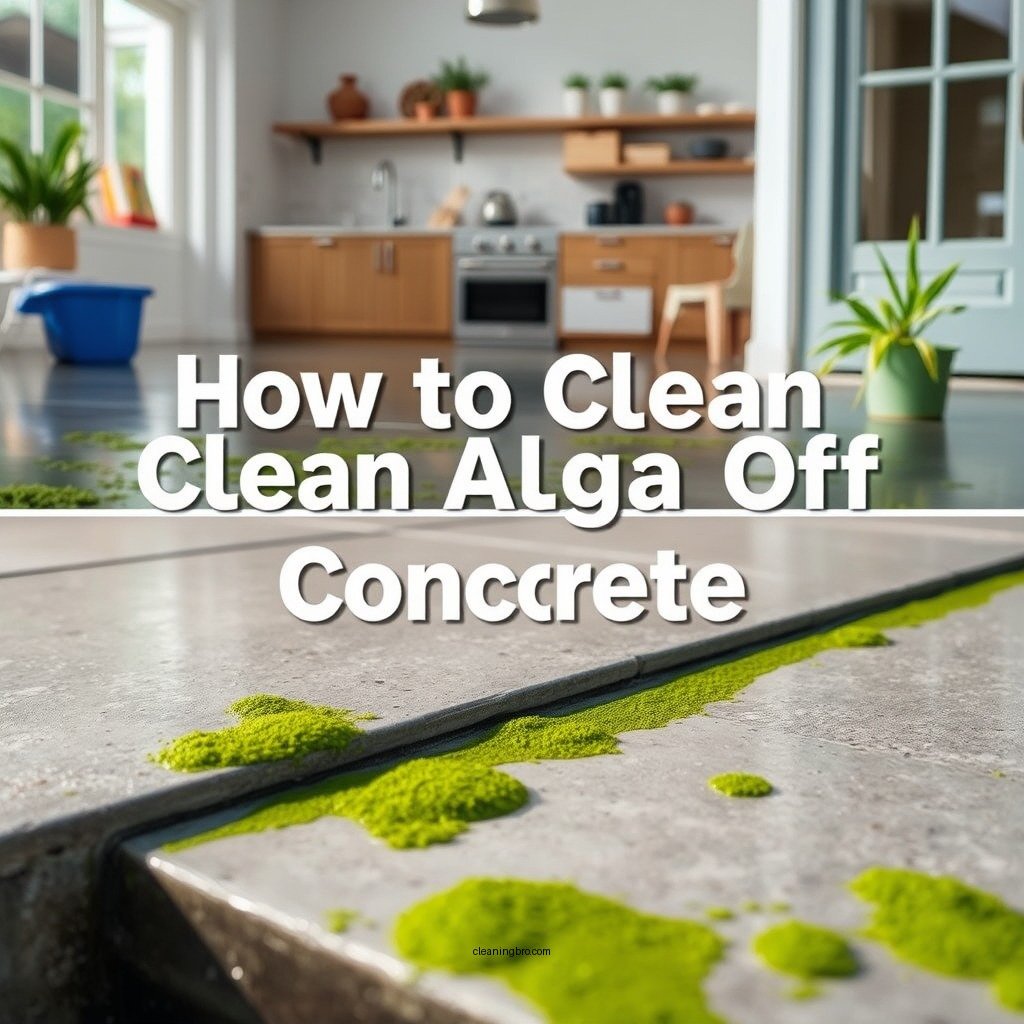
How to Clean Algae Off Concrete: Effective Methods
Removing algae from concrete surfaces is essential for maintaining their appearance and safety. The most effective ways to clean algae involve using a combination of pressure washing and appropriate cleaning solutions. In this guide, you’ll learn the best methods and tips for successfully eliminating algae from your concrete.
Understanding Algae Growth on Concrete
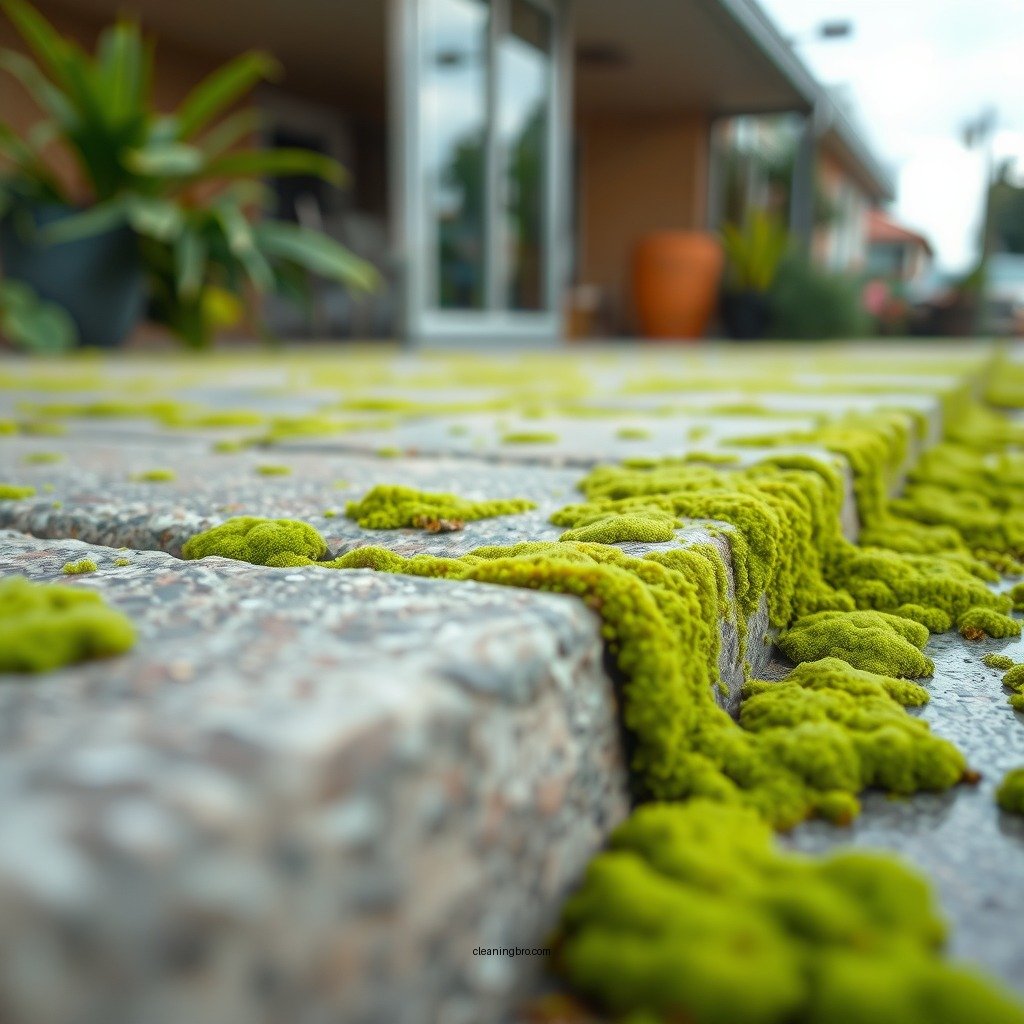
Algae thrive in damp, shaded areas, making concrete surfaces particularly susceptible, especially in regions with high humidity or poor drainage. These organisms can create unsightly stains and slippery surfaces, posing a safety hazard. Recognizing the signs of algae growth early—such as discolorations, green or black spots, and slimy textures—can help you take preventive measures before the problem escalates. By understanding the conditions that foster algae growth, you can implement effective cleaning and maintenance strategies.
Tools and Supplies Needed
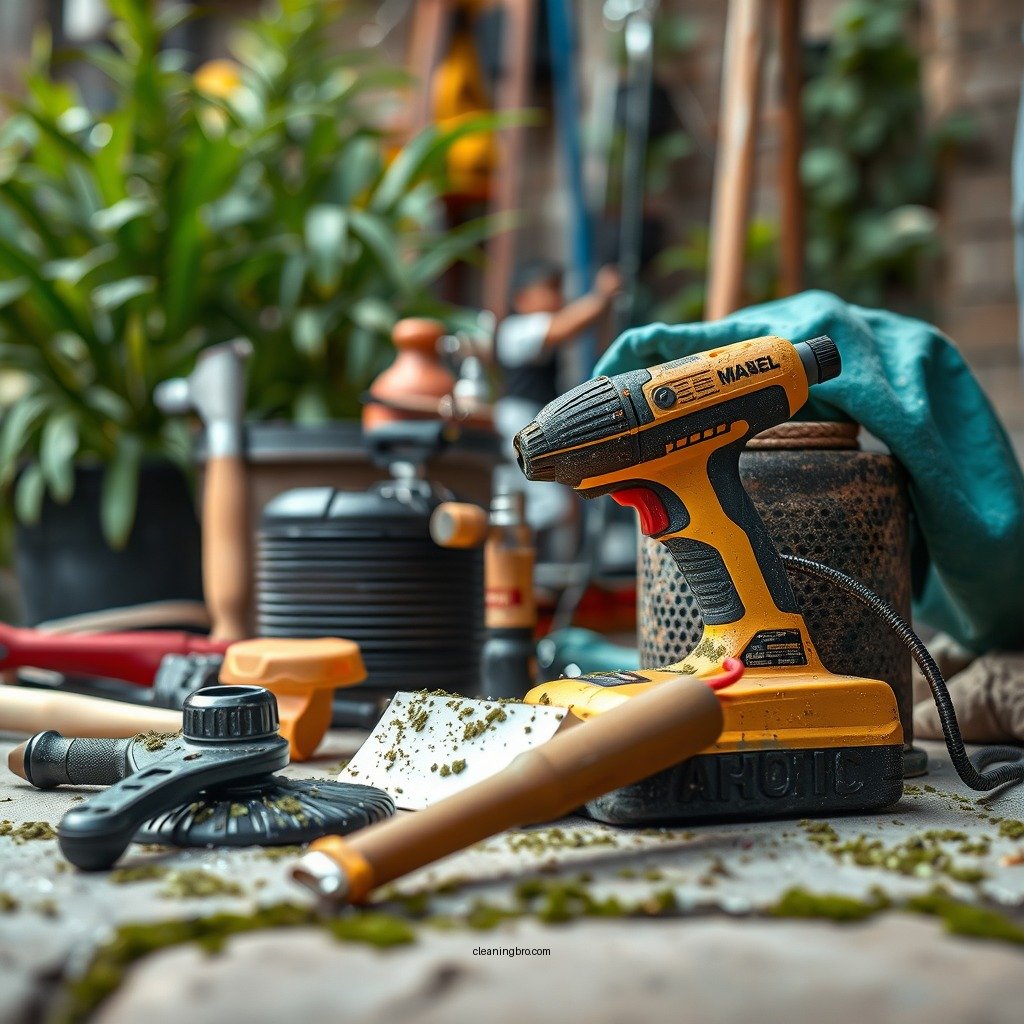
To effectively clean algae off concrete, you will need the following tools and supplies:
– Pressure Washer: A powerful tool that can effectively remove algae without damaging the concrete. Look for a model with adjustable pressure settings for optimal control.
– Cleaning Solutions: Options include:
– Bleach: A potent disinfectant that can kill algae but should be used cautiously to avoid damaging nearby plants.
– Vinegar: A natural alternative with mild acidic properties that can help break down algae without harsh chemicals.
– Commercial Algae Removers: Specialized products designed to target algae without damaging the concrete surface.
Step-by-Step Cleaning Process
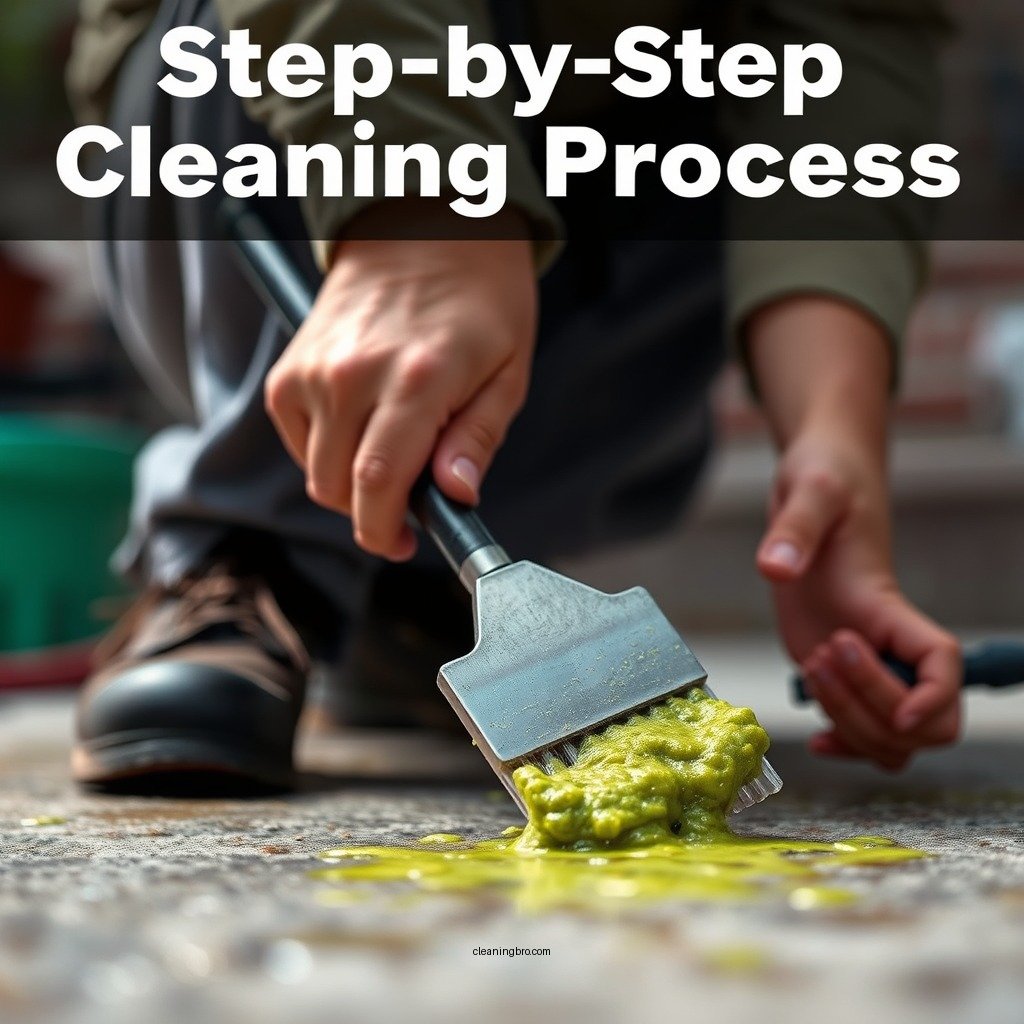
1. Begin with a Dry Surface: Remove any debris such as leaves, dirt, or stones from the concrete. Allow the surface to dry completely before applying any cleaning solution, as this will enhance the effectiveness of the treatment.
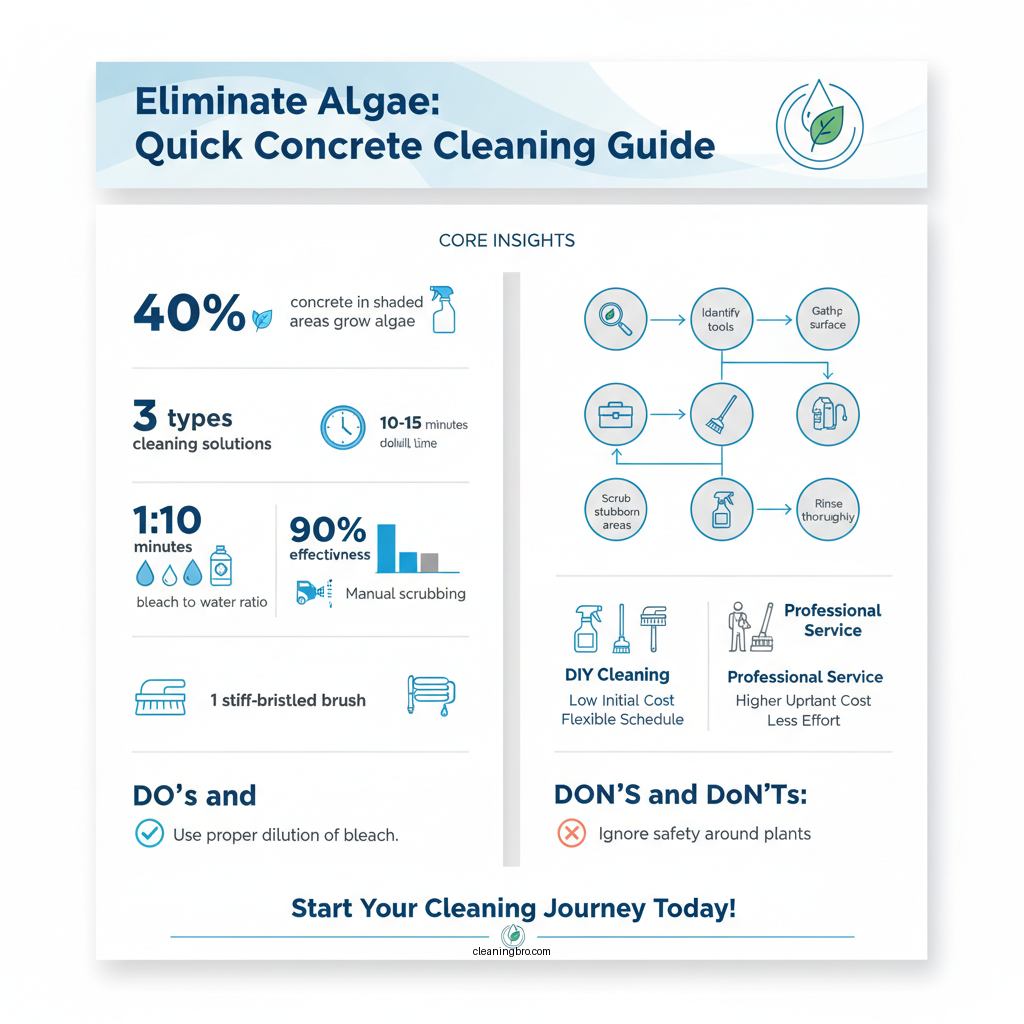
2. Apply Cleaning Solution: Use a spray bottle or sponge to evenly coat the algae-infested area. If using bleach, dilute it with water (typically a ratio of 1:10) to minimize potential damage. For vinegar, a 1:1 mix with water is generally effective.
3. Let It Sit: Allow the solution to sit for 10-15 minutes to penetrate the algae. This dwell time is crucial for breaking down the algae’s structure.
4. Scrub the Area: For stubborn patches, use a stiff-bristled brush to scrub the area thoroughly. This mechanical action will help dislodge any remaining algae.
5. Rinse the Surface: Finally, use a pressure washer or a hose to rinse the area thoroughly, ensuring that all cleaning products and loosened algae are washed away.
Pressure Washing Techniques
When using a pressure washer:
– Set the Right Pressure: Use a lower setting (around 1500-2000 PSI) to avoid damaging the concrete surface. High pressure can chip or etch the concrete, leading to more significant issues.
– Maintain a Consistent Distance: Keep the nozzle about 12 inches away from the surface while washing. This distance helps prevent concentrated pressure from damaging the concrete while effectively removing algae.
Data on Cleaning Methods
Top 7 Cleaning Solutions for Algae on Concrete
| # | Cleaning Solution | Effectiveness (%) | Environmental Impact | Cost ($) |
|---|---|---|---|---|
| 1 | Bleach | 95 | Medium | $5 |
| 2 | Vinegar | 80 | Low | $3 |
| 3 | Commercial Algae Remover | 90 | Medium | $10 |
| 4 | Baking Soda | 75 | Low | $2 |
| 5 | Hydrogen Peroxide | 85 | Low | $5 |
| 6 | Soap and Water | 70 | Low | $1 |
| 7 | Pressure Washer with Water | 90 | No Impact | $15+ |
Preventing Future Algae Growth
To keep your concrete surfaces free from future algae infestations, consider implementing the following preventive measures:
– Improve Drainage: Ensure proper drainage around your concrete surfaces. Install drains or use landscaping techniques to direct water away from concrete areas, preventing pooling after rain.
– Trim Nearby Vegetation: Reduce shade by trimming trees and shrubs near concrete surfaces. Sunlight is a natural deterrent to algae growth, as these organisms prefer damp, shaded environments.
– Regular Maintenance: Schedule regular inspections and cleanings of your concrete surfaces. Early intervention can prevent algae from taking hold.
Alternative Cleaning Methods
If traditional methods are not feasible or if you prefer more natural solutions, consider the following alternatives:
– Baking Soda: This natural abrasive can help scrub away algae when mixed with water to form a paste. It’s safe for plants and effective in removing stains.
– Manual Scrubbing: For smaller areas or stubborn patches, a stiff brush and some elbow grease can be effective. Combine with a vinegar or baking soda solution for enhanced results.
Comparison of Cleaning Methods
Bleach vs Vinegar vs Commercial Cleaner: Effectiveness Comparison
| Feature | ⭐ Bleach | Vinegar | Commercial Cleaner |
|---|---|---|---|
| Effectiveness | 95% | 80% | 90% |
| Environmental Impact | High | Low | Medium |
| Cost Efficiency | Low | Very Low | Medium |
| Ease of Use | Moderate | Easy | Easy |
| Plant Safety | ❌ Harmful | ✅ Safe | ❌ Harmful |
| Time to Effect | Short | Medium | Short |
| Odor | Strong | Mild | Moderate |
| Residual Effects | None | None | None |
| Availability | Widely Available | Widely Available | Specialty Stores |
| 🏆 Best For | Fast results | Environmentally friendly | Effective for heavy infestations |
When to Seek Professional Help
Sometimes, algae infestations can become overwhelming:
– Heavy Infestations: If algae are extensive and persistent, consider hiring a professional cleaning service. Experts have access to industrial-grade equipment and solutions that can effectively eradicate algae without harming your concrete.
– Structural Concerns: If algae growth is linked to underlying issues such as poor drainage or damage, professional assessment may be necessary to address the root cause.
Cleaning algae off concrete surfaces not only enhances their appearance but also prolongs their lifespan. By following these steps and taking preventive measures, you can keep your concrete surfaces clean and safe. Start your cleaning today, and enjoy a fresher, algae-free space!
Frequently Asked Questions
What are the best methods to clean algae off concrete?
The best methods to clean algae off concrete include using a pressure washer, a vinegar solution, or a commercial algae cleaner. Pressure washing effectively removes stubborn algae, while a mixture of vinegar and water can kill and loosen the growth. For more extensive infestations, consider using a specialized algae cleaner that contains ingredients designed to penetrate and eliminate algae spores.
How do I remove algae stains from my driveway?
To remove algae stains from your driveway, start by scrubbing the affected area with a stiff-bristle brush and a mixture of water and dish soap. For tougher stains, apply a solution of bleach and water, letting it sit for 15 minutes before scrubbing again. Rinse thoroughly with water to ensure all cleaning agents are removed and to prevent any potential damage to surrounding plants.
Why does algae grow on concrete surfaces?
Algae thrive on concrete surfaces due to moisture, shade, and organic materials such as leaves and dirt. Areas that are frequently damp or shaded, like driveways or patios, create an ideal environment for algae growth. Regular cleaning and maintenance can help reduce moisture and organic buildup, preventing future algae problems.
Which products are effective for killing algae on concrete?
Effective products for killing algae on concrete include commercial algae removers, bleach, and hydrogen peroxide solutions. Algae removers typically contain powerful biocides that target algae specifically, while bleach can disinfect and kill algae spores. Always follow the manufacturer’s instructions and perform a patch test to ensure the product does not damage your concrete.
How can I prevent algae from growing back on my concrete surfaces?
To prevent algae from growing back on your concrete surfaces, ensure proper drainage to minimize water accumulation and trim back any overhanging trees or shrubs to increase sunlight exposure. Regularly clean your concrete areas to remove organic debris, and consider applying a sealant designed to inhibit algae growth. Implementing these preventive measures will help keep your concrete surfaces clean and algae-free.
References
- Algae
https://en.wikipedia.org/wiki/Algae - https://www.epa.gov/nutrientpollution/what-algae
https://www.epa.gov/nutrientpollution/what-algae - https://www.nature.com/articles/s41598-021-83826-1
https://www.nature.com/articles/s41598-021-83826-1 - https://pubmed.ncbi.nlm.nih.gov/30783554/
https://pubmed.ncbi.nlm.nih.gov/30783554/ - https://www.sciencedirect.com/science/article/pii/S0048969719321131
https://www.sciencedirect.com/science/article/pii/S0048969719321131 - https://www.cdc.gov/healthywater/drinking/cleaning.html
https://www.cdc.gov/healthywater/drinking/cleaning.html - https://www.bbc.com/future/article/20200114-how-to-clean-your-pathway-and-remove-algae
https://www.bbc.com/future/article/20200114-how-to-clean-your-pathway-and-remove-algae - https://www.nyserda.ny.gov/-/media/Files/Publications/Research/Environmental/AlgaeReport.pdf
https://www.nyserda.ny.gov/-/media/Files/Publications/Research/Environmental/AlgaeReport.pdf - Google Scholar Google Scholar
https://scholar.google.com/scholar?q=how+to+clean+algae+off+concrete - Google Scholar Google Scholar
https://scholar.google.com/scholar?q=removing+algae+from+surfaces