How to Clean Acrylic Paint Off Brushes: Step-by-Step Guide
Cleaning acrylic paint off brushes is essential for maintaining their quality and ensuring they last longer. The best way to do it is to use warm soapy water or a specialized brush cleaner, but the technique can vary depending on how dried the paint is. In this guide, you will learn the most effective methods to restore your brushes to their original condition.
Understanding Acrylic Paint

Acrylic paint is a versatile, water-based medium favored by artists for its quick-drying properties and vibrant colors. One of the significant advantages of acrylic paint is its water solubility. This characteristic makes cleaning brushes relatively easy compared to oil paints, which require solvents for cleaning. However, the ease of cleaning depends on the paint’s state—fresh paint washes away effortlessly, while dried acrylic can harden significantly, making removal more challenging. Understanding the properties of acrylic paint is crucial in selecting the right cleaning method to preserve your brushes.
Supplies You’ll Need
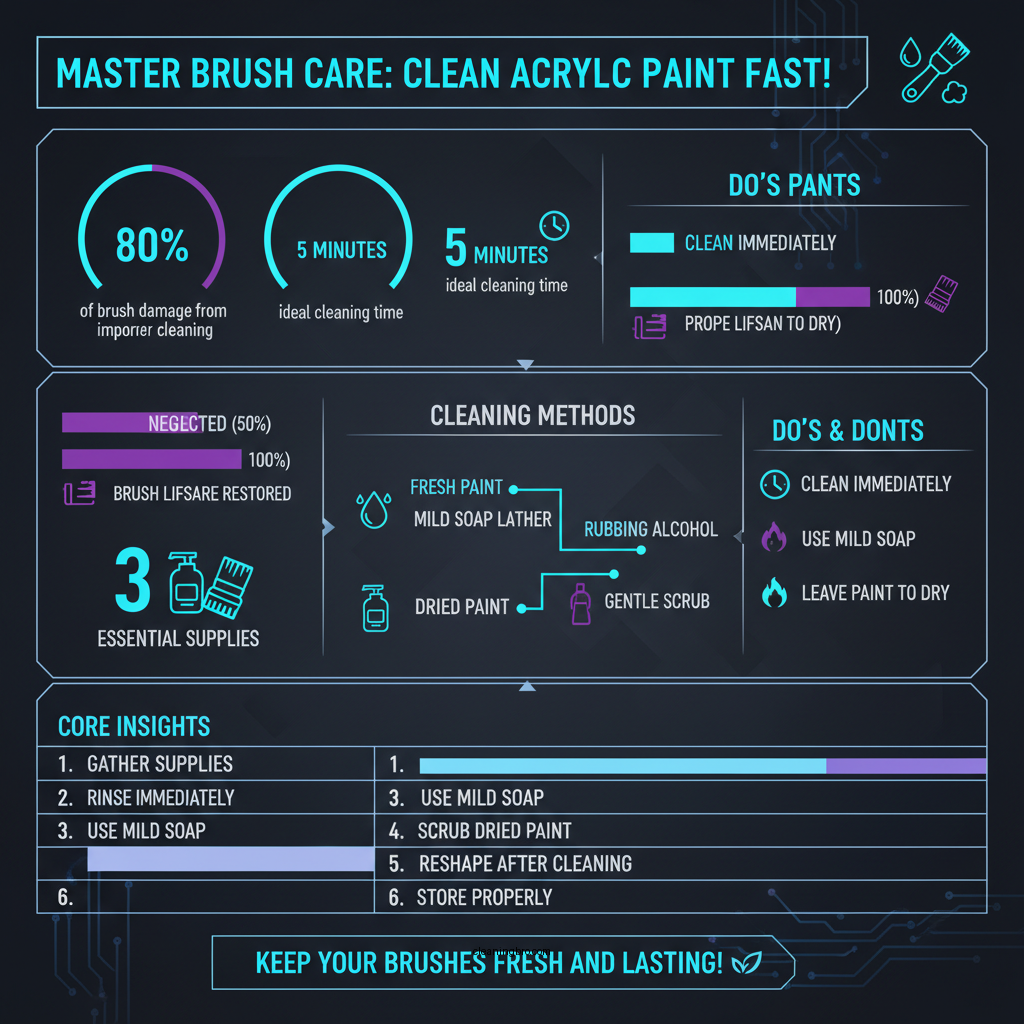
To effectively clean your brushes, gather the following supplies:
1. Warm Water: Helps to dissolve the paint and makes the cleaning process easier.
2. Mild Soap: A gentle dish soap or hand soap will work well to break down the paint residue.
3. Rubbing Alcohol or Specialized Brush Cleaner: For stubborn dried paint that resists soap and water.
4. Paper Towels or Clean Cloths: Essential for drying the brushes after cleaning and for wiping off excess paint during the cleaning process.
Having the right supplies on hand can streamline the cleaning process and ensure that your brushes are properly cared for.
Cleaning Fresh Acrylic Paint
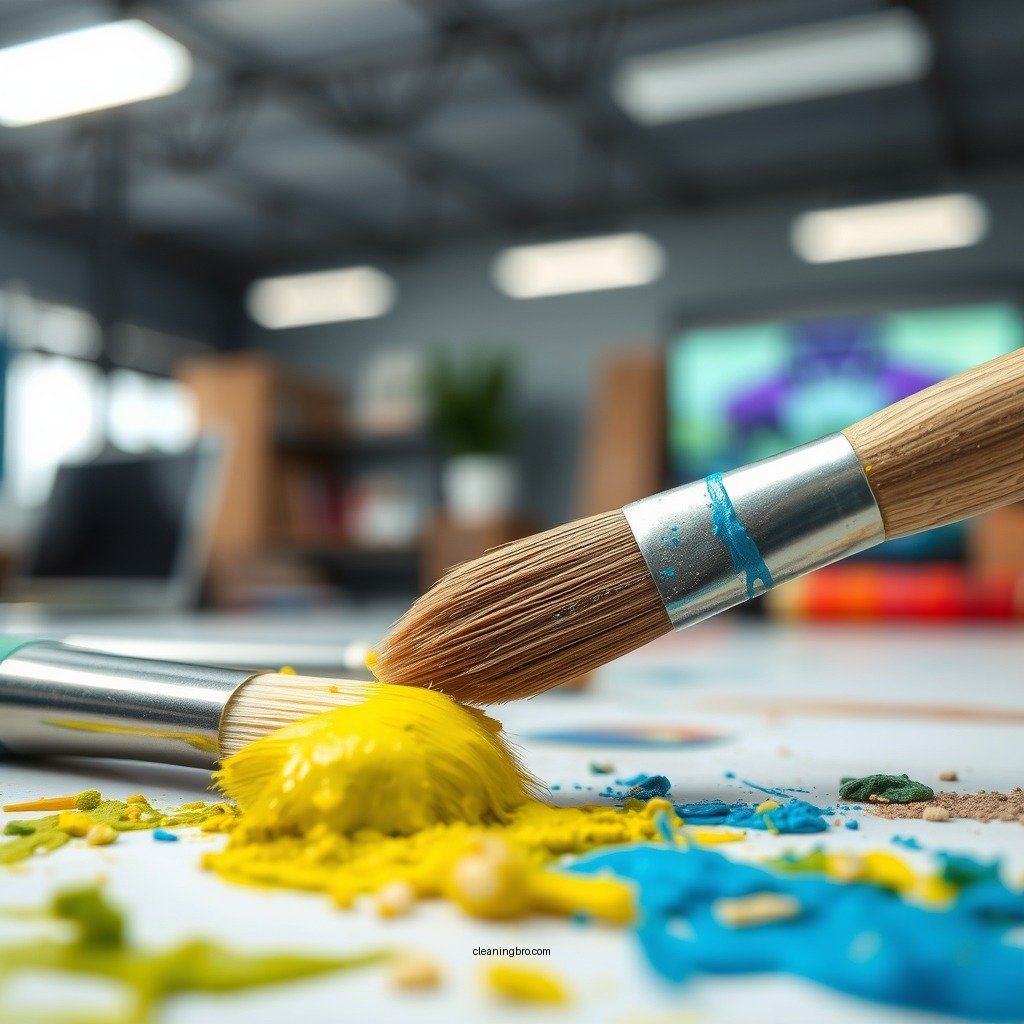
One of the best practices for maintaining your brushes is to clean them immediately after use. Here’s how to do it effectively:
1. Rinse Brushes: Hold the brush under warm running water, allowing the water to flow from the base of the bristles to the tip. This technique prevents paint from getting lodged in the ferrule (the metal part that holds the bristles).
2. Use Mild Soap: Apply a small amount of mild soap to the bristles and create a lather by gently working the soap into the bristles with your fingers. Avoid using hot water, as it can cause the bristles to lose their shape.
3. Rinse Again: Rinse thoroughly under warm running water until all soap and paint residue is washed away. Gently reshape the bristles with your fingers as needed.
By cleaning your brushes immediately, you significantly reduce the risk of paint drying and hardening on the bristles, which can lead to permanent damage.
Tackling Dried Acrylic Paint
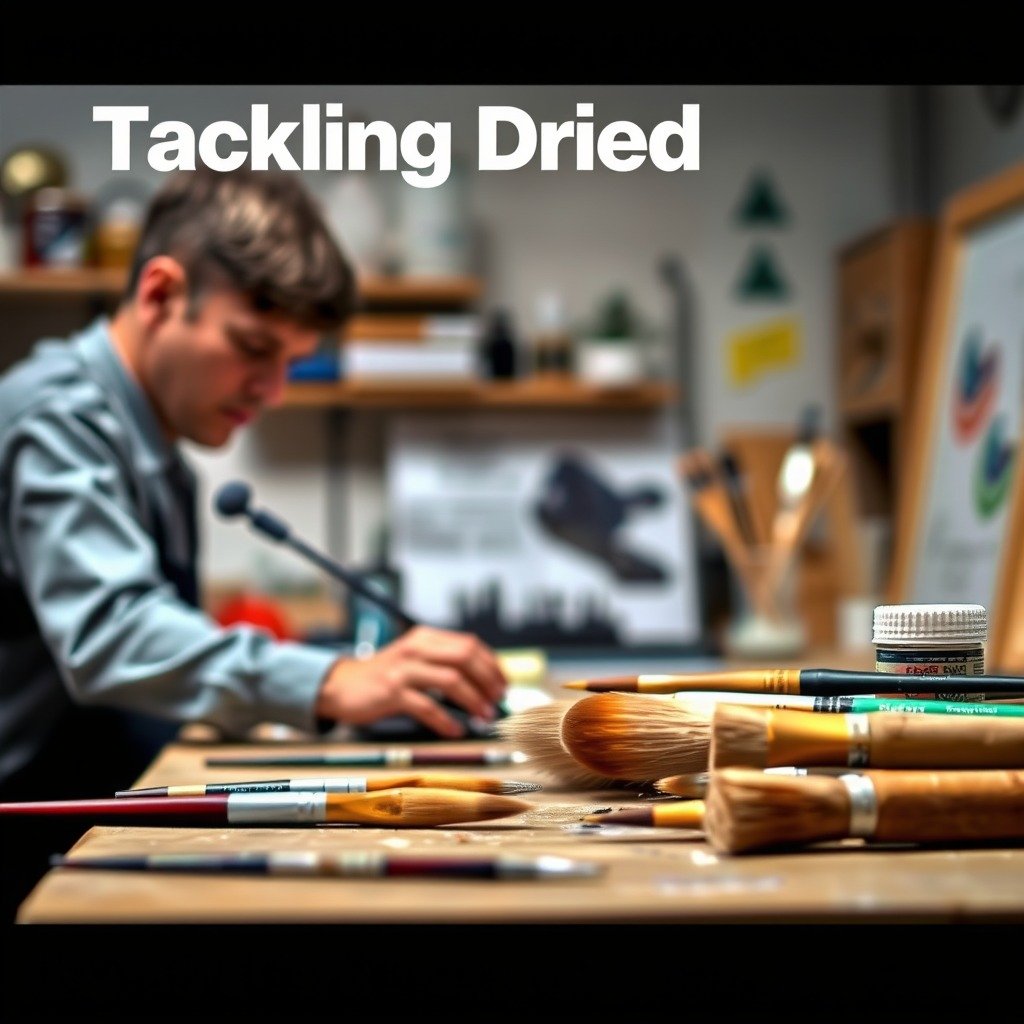
If you’ve missed the opportunity to clean your brushes right away, don’t worry—there are still effective methods to remove dried acrylic paint:
1. Soak the Brushes: Fill a container with warm, soapy water and submerge the brushes for several minutes. This soaking helps to loosen the dried paint.
2. Gently Comb Through: After soaking, use your fingers or a brush comb to gently work through the bristles. This action helps to dislodge any remaining paint particles.
3. Rinse and Inspect: Rinse the brushes under warm water again, checking for any remaining paint. Repeat the soaking and combing process if necessary.
This method is particularly effective for brushes that have been neglected for a while.
Deep Cleaning Techniques
For brushes that still have stubborn paint after regular cleaning methods, consider these deep cleaning techniques:
1. Rubbing Alcohol: Pour a small amount of rubbing alcohol into a container. Dip the brush into the alcohol and gently swirl it. The alcohol will help to dissolve the paint without damaging the bristles.
2. Commercial Brush Cleaner: If you prefer a specialized product, many art supply stores offer brush cleaners specifically designed to remove acrylic paint. Follow the manufacturer’s instructions for best results.
3. Final Rinse: After using any of these methods, rinse the brushes thoroughly under warm water and reshape the bristles.
Using these deep cleaning techniques can restore brushes that seem beyond repair, helping to extend their lifespan.
Proper Brush Care and Maintenance
To ensure that your brushes remain in optimal condition, follow these maintenance tips:
– Immediate Cleaning: Always clean your brushes immediately after use to prevent acrylic paint from drying on the bristles.
– Storage: Store brushes upright in a container or flat to prevent bending the bristles. Avoid soaking brushes in water for extended periods, as this can damage the glue holding the bristles.
– Regular Inspection: Check your brushes regularly for signs of wear and tear. If bristles become frayed or stiff, it may be time to retire them.
By incorporating these practices into your routine, you can maintain the quality and performance of your brushes for years to come.
Troubleshooting Common Issues
Even with proper care, you may encounter some common issues when cleaning brushes:
1. Stiff Brushes: If your brushes remain stiff after cleaning, they may be damaged. Consider investing in higher-quality brushes that can withstand tough cleaning processes.
2. Bristle Integrity: Pay attention to the condition of the bristles. Damaged or worn brushes can affect your painting quality, leading to unsatisfactory results.
Regular maintenance and timely intervention can help mitigate these issues, ensuring a more enjoyable painting experience.Top 7 Brush Cleaners for Acrylic Paint (2023)
| # | Product Name | Price ($) | Effectiveness | User Rating |
|---|---|---|---|---|
| 1 | The Masters Brush Cleaner | 9.99 | Excellent | ★★★★☆ |
| 2 | Winsor & Newton Brush Cleaner | 12.50 | Very Good | ★★★★☆ |
| 3 | Speedball Brush Cleaner | 8.99 | Good | ★★★☆☆ |
| 4 | Bob Ross Brush Cleaner | 11.99 | Excellent | ★★★★☆ |
| 5 | Sennelier Brush Cleaner | 15.00 | Very Good | ★★★★☆ |
| 6 | Gamblin Brush Cleaner | 10.50 | Good | ★★★☆☆ |
| 7 | Sable Brush Cleaner | 14.99 | Excellent | ★★★★☆ |
Best Brush Cleaners: The Masters vs Winsor & Newton vs Speedball
| Feature | ⭐ The Masters | Winsor & Newton | Speedball |
|---|---|---|---|
| Price | $9.99 | $12.50 | $8.99 |
| Effectiveness | ✅ Excellent | ✅ Very Good | ✅ Good |
| Natural Ingredients | Yes | No | No |
| Fragrance | Citrus | None | None |
| Bottle Size | 4 oz | 5 oz | 8 oz |
| Ease of Use | ✅ Easy | ✅ Moderate | ✅ Easy |
| Availability | Widely Available | Common | Widely Available |
| Eco-Friendly | ✅ Yes | ❌ No | ❌ No |
| User Rating | ★★★★☆ | ★★★★☆ | ★★★☆☆ |
| 🏆 Best For | Eco-conscious users | General artists | Budget users |
Summarizing the steps for cleaning acrylic paint off brushes can significantly extend their lifespan and enhance your painting experience. Regular maintenance is key, so remember to clean your brushes each time you finish painting. For more tips and techniques, explore our other articles on brush care and painting supplies!
Frequently Asked Questions
How do you clean acrylic paint off brushes effectively?
To clean acrylic paint off brushes effectively, start by rinsing the brushes under warm running water to remove excess paint. Then, use a gentle soap or brush cleaner and work it into the bristles using your fingers or a brush comb. Rinse thoroughly until the water runs clear, and reshape the bristles before laying the brushes flat to dry.
What is the best way to remove dried acrylic paint from brushes?
The best way to remove dried acrylic paint from brushes is to soak them in a solution of warm water and a few drops of dish soap for about 30 minutes. After soaking, gently work the bristles with your fingers or a brush comb to break down any remaining paint. Rinse thoroughly and repeat if necessary to ensure all paint is removed.
Why is it important to clean acrylic paint off brushes immediately?
It is important to clean acrylic paint off brushes immediately because acrylic paint dries quickly and can harden on the bristles, making them unusable. If left uncleaned, the paint can ruin the brush’s shape and integrity, leading to poor painting results. Regular maintenance ensures your brushes last longer and perform better.
Which cleaning solution works best for acrylic paint removal from brushes?
The best cleaning solutions for acrylic paint removal from brushes include warm soapy water, specialized brush cleaners, or even a mixture of vinegar and water. These solutions effectively break down the paint without damaging the bristles. Avoid harsh solvents, as they can ruin synthetic or natural hair brushes.
How can I prevent acrylic paint from drying on my brushes while painting?
To prevent acrylic paint from drying on your brushes while painting, keep a cup of water nearby to submerge the brushes in when not in use. Alternatively, you can cover your working area with a damp cloth to maintain humidity or use a palette with a lid to keep the paint moist. Regularly rinsing the brushes during your painting session can also help maintain their condition.
References
- BBC Ideas – BBC
https://www.bbc.co.uk/ideas/videos/how-to-clean-your-paintbrushes/p08f5s3g - https://www.nature.com/articles/s41598-020-65045-7
https://www.nature.com/articles/s41598-020-65045-7 - https://pubmed.ncbi.nlm.nih.gov/23723182/
https://pubmed.ncbi.nlm.nih.gov/23723182/ - https://www.sciencedirect.com/topics/earth-and-planetary-sciences/brush-cleaning
https://www.sciencedirect.com/topics/earth-and-planetary-sciences/brush-cleaning - Google Scholar Google Scholar
https://scholar.google.com/scholar?q=cleaning+acrylic+paint+off+brushes - Google Scholar Google Scholar
https://scholar.google.com/scholar?q=acrylic+paint+brush+cleaning+techniques - Google Scholar Google Scholar
https://scholar.google.com/scholar?q=acrylic+paint+brush+cleaning+methods - https://www.arts.gov/publications/cleaning-paintbrushes
https://www.arts.gov/publications/cleaning-paintbrushes - Google Scholar Google Scholar
https://scholar.google.com/scholar?q=how+to+clean+acrylic+paint+off+brushes - how to clean acrylic paint off brushes – Search results
https://en.wikipedia.org/wiki/Special:Search?search=how+to+clean+acrylic+paint+off+brushes