

If your leather car seats look slightly gray at the seams, feel tacky when you first sit down, or give off a stale, greasy odor, buildup has moved beyond the surface. A deep clean matters because trapped body oils, conditioners, and dirt dull the finish, attract more grime, and can accelerate drying and cracking by stressing the leather. Use the checklist below to catch common warning signs early, restoring comfort and helping the protective layer last.



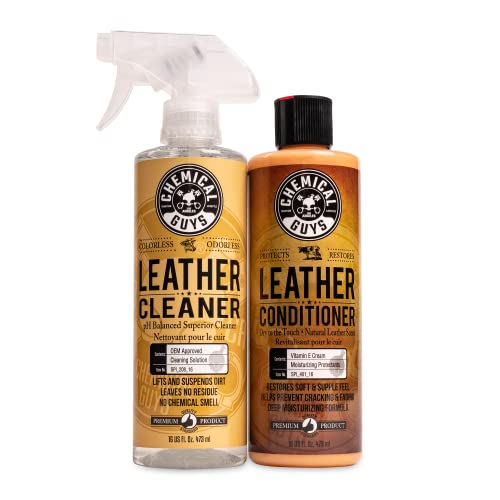
If you drive often, park in the sun, or notice color transfer from clothes or hands, these signs will show up sooner than you might think. This is for drivers who want clearer cues on when “maintenance cleaning” isn’t enough and a deeper treatment is needed.
Sticky or tacky spots you can feel

Sticky or tacky spots are a clear “stop wiping and start deep cleaning” signal, not a normal leather characteristic. When leather feels tacky, it’s usually getting oil/residue buildup from skin (natural sebum), lotions, and everyday contact—then dust and grime bind to that residue, creating a sticky surface film.
Here’s why quick wipes often fail: a damp cloth can temporarily move the top layer, but it doesn’t reliably dissolve the oily component sitting in pores, pores-like textures, and micro-scratches on many leather finishes. If you notice tackiness across multiple areas (not just one small worn patch), that strongly suggests widespread buildup rather than one-time spill residue.
A practical way to confirm: lightly wipe a small section with a microfiber cloth barely dampened with water, then check whether the cloth picks up visible film or discoloration. If it does, you’re dealing with residue—not just surface dust—and a deep clean that breaks down and lifts oils is warranted. In 2026 detailing practice, this is one of the most consistent predictors of “cleaning isn’t working” for car leather seats that are frequently used.
Dull color, fading, or a “dry” look
Dullness and a dry, flat appearance typically mean the leather’s surface is being coated—often by embedded dirt and oxidized body oils—not that the leather suddenly “dried out on its own.” Under normal conditions, leather finishes reflect light smoothly; when contamination builds up, that sheen gets muted and the color can look uneven.
Sun exposure accelerates this effect. According to NASA, UVA makes up roughly 95% of the ultraviolet radiation reaching Earth’s surface, and UVA is known to contribute to material aging and fading over time (NASA, 2023). In real-world car use, sun doesn’t just fade color—it also helps grime bond more firmly to the finish, which is why deep cleaning often has to happen before conditioning can restore that even look.
To judge severity, look at how the seat responds to a quick wipe: if your car’s leather seats briefly look “better,” then quickly revert to dullness, that usually means you’re only smearing the top layer. Deep cleaning removes the embedded film so conditioning (which replenishes flexibility and appearance) can actually do its job.
Visible grime in seams, stitching, and creases
Visible grime in seams and creases means dirt has migrated where leather folds and where your wipe-down method can’t reach effectively. Seams, stitching channels, piping edges, and creased sections act like natural collectors—tiny particles settle, oils attract additional dust, and every movement compresses debris deeper into texture.
Because folded creases repeatedly flex, embedded grime can also increase wear. When abrasive grit sits along stitching lines, it can cause the finish to degrade faster through micro-scrubbing—even if the seat looks “fine” from a distance. If you’re seeing dark lines or “shadowing” along seam borders, that’s a strong indicator that your car’s leather seats need a deep clean focused on detail work, not just a broad wipe.
Most Common Car-Leather Contamination Patterns (Cleaning-Responsive)
| # | Contamination pattern | First symptom | Where it hides | Deep-clean responsiveness |
|---|---|---|---|---|
| 1 | Body-oil residue film | Tacky surface | High-contact seat zones | ★★★★★5/5 |
| 2 | Dust + oil bonding | Dull, flat color | Everyday contact areas | ★★★★☆4/5 |
| 3 | Seam micro-grit | Dark seam shadowing | Stitch lines and piping | ★★★★☆4/5 |
| 4 | Dye transfer (denim/pigment) | Color bleeding | Bolster edges | ★★★☆☆3/5 |
| 5 | Water-spot minerals | Uneven light/dark patches | Areas exposed to spills | ★★☆☆☆2/5 |
| 6 | Skin-care + sunscreen residue | Tacky then “speckled” look | Upper seat surfaces | ★★★★☆4/5 |
| 7 | Abrasive grit (from friction) | Rough feel, dull streaks | Door-edge and bolster zones | ★★★☆☆3/5 |
Stains that spread or return after wiping
Stains that spread or come back after you wipe usually aren’t “true stains” at the surface—they’re residue mixed with pigment that’s being redistributed. For example, food/drink spills, sunscreen, and body oils can partially dissolve into the cleaner and then migrate as you wipe, leaving behind a darker ring or a ghost of the original spot.
When you see a mark lift briefly and then return, that’s often because the stain-driving film is still embedded beneath the top layer—especially in pores, seams, and stitched creases. Deep cleaning changes the outcome by breaking down the residue layer first, then lifting it out cleanly rather than spreading it across the finish.
For safer results on car leather seats, treat stains as “systems” rather than single spots:
– Pre-check on an inconspicuous area to confirm the leather finish tolerates the cleaner.
– Use controlled moisture (cloth, not soaking) so you don’t drive the residue deeper.
– Blot rather than aggressively scrub, because abrasion can dull the finish even when the stain is removed.
If you’re seeing color transfer from hands or dark fabric, you may also be dealing with dye, which can require a more targeted approach than generic leather cleaner alone.
Rough texture or flaking near high-contact areas
Rough texture, cracking, or tiny flakes near high-contact zones often indicates grime-and-dryness buildup—but it can also signal real finish failure. That’s why the fastest path to the right treatment is separating “dirty and dried surface contamination” from “finish damage.”
A simple diagnostic is the “dust vs. finish” check: if you gently wipe and the surface sheds fine residue (dust-like material) that improves the feel, the seat was likely contaminated. If you see persistent flaking that looks like the coating itself is peeling, cleaning alone may not restore it—you may need restoration steps beyond standard deep cleaning.
High-contact areas (bolsters, armrest edges, and seat bottoms) are where friction and body oils combine. When oils build up and then dry, the surface can become rough and uneven. From there, abrasive grit and repeated pressure can worsen the effect quickly. As of 2026, many owners focus on conditioning first, but if the leather seats are visibly contaminated, cleaning first typically prevents conditioning from locking grime in place.
What can go wrong (and how to avoid it)
The most common reason deep cleaning goes wrong is product choice and over-wetting, which can strip the leather finish or push contamination deeper. For car leather seats, the goal is controlled cleaning—enough moisture to dissolve oils, not enough water to saturate seams, padding edges, or glued components.
– Don’t use household cleaners (like all-purpose sprays, bleach, or harsh degreasers) on leather; they can strip finish and worsen drying.
– Avoid soaking the seats—over-wetting can push grime deeper and may damage adhesives or padding.
– Never scrub aggressively on textured or perforated leather; use gentle pressure and appropriate brushes.
To make the tradeoffs clear, here’s a practical comparison many detailers use when deciding between approaches for car leather seats:
| Approach | Pros | Cons / common failure points |
|---|---|---|
| DIY deep clean | Lower cost; you control moisture and contact time; good fit for oil/grime and “dull film” issues. | Risk of finish dulling if the cleaner isn’t leather-safe or if you over-apply product and agitate too hard. |
| Focused professional detailing | Best for persistent dye transfer, mineral-related marks, or seats with unknown history; often includes finish-safe extraction tools. | Higher cost; outcomes depend on whether the “stain” is residue or actual finish damage. |
| Quick wipe-only maintenance | Fast and good for light dust and immediate spill blotting. | Doesn’t remove oil film or embedded seam grime well—so tackiness and dullness often return. |
Also keep moisture management in mind. According to the U.S. EPA, mold growth can occur when indoor moisture is present (and conditions are favorable), and humidity control is a key prevention lever (U.S. EPA, 2020). While you’re cleaning the seat, over-wetting and leaving seams damp can create the kind of localized moisture environment you don’t want—especially in humid climates.
Verdict: Do a deep clean now—or hold off
Deep cleaning is worth it if you’re seeing tackiness, persistent stains, dullness, or grime concentrated in seams and creases. The downside: if you use the wrong products or over-wet the leather, you can dull the finish or make dryness worse—so follow the cleaner/conditioner instructions closely. Skip (or consult a professional) if the leather is actively cracking badly, has peeling finish, or you suspect heavy damage that needs restoration rather than cleaning.
If you’re on the fence in 2026, use the checklist below: if you match even 2–3 symptoms, that’s usually your cue that maintenance cleaning has stopped doing the job for your car leather seats.
Quick Scan Checklist (save this)
– ☐ Sticky/tacky feel on the leather surface
– ☐ Dull, faded, or uneven color after wiping
– ☐ Visible dirt in stitching, seams, and creases
– ☐ Stains that won’t fully lift or keep returning
– ☐ Rough texture, flaking, or cracking in high-contact spots
Frequently Asked Questions
What are the most common signs your car leather seats need a deep clean?
If you notice a dull, sticky, or “tacky” feel on your leather, it often means grime and body oils have built up beyond surface cleaning. Other signs include visible darkening in high-contact areas, uneven color, cracking that looks worse than usual, or a musty odor that doesn’t go away with simple vacuuming. You may also see embedded dust that won’t wipe off with a damp cloth, and water may stop beading on the leather if the protective layers have been contaminated.
How can you tell if leather conditioner or cleaning products are causing buildup?
Product residue can make leather feel slick at first but attract more dirt quickly, leading to a grimy film that returns fast. If you see hazy “smears,” uneven shine, or the leather looks patchy after wiping, that can indicate caked conditioner or an improper cleaner leaving behind surfactants. Test by wiping a hidden area with a microfiber cloth—if the cloth comes away gray or brown repeatedly, the seats likely need a deep clean to reset the surface.
Why does a deep clean matter even if your leather seats still look “okay”?
Leather is porous, so oils from skin, lotions, and spills seep into the material over time, creating grime that surface cleaning can’t fully remove. When buildup accumulates, it can interfere with leather conditioner absorption and reduce the effectiveness of your protective coating. Deep cleaning helps restore proper appearance, softness, and color while preventing long-term deterioration like accelerated drying or cracking.
What’s the best way to clean leather seats when dirt is embedded in the creases and stitching?
Start with thorough vacuuming using a soft brush attachment to remove loose debris from seams, creases, and perforations. Use a pH-balanced leather cleaner and apply it with a microfiber cloth, working small sections and gently agitating to lift embedded dirt without saturating the leather. For stitching and tight grooves, a soft detailing brush can help, then wipe away residue with a clean cloth before conditioning once the leather is fully clean and dry.
Which tools and products should you use to confirm you truly need a deep clean before conditioning?
Look for a white microfiber cloth test: if wiping a cleaned area leaves noticeable transfer, the leather likely needs a deep clean before any leather conditioner. Use a quality pH-balanced leather cleaner, a couple of clean microfiber towels, and a soft brush for seams to ensure effective removal of oils and residue. Avoid harsh all-purpose cleaners or steam on sensitive leather, because they can worsen dryness—deep cleaning with the right products is the safest path to getting leather seats ready for conditioning.
📅 Last Updated: November 06, 2026 | Topic: Signs Your Car Leather Seats Needs a Deep Clean | Content verified for accuracy and freshness.
References
- Leather
- https://www.britannica.com/technology/leather
- https://www.cdc.gov/hygiene/cleaning/index.html
- Mold | Mold | CDC
- https://www.who.int/publications/i/item/cleaning-and-disinfection-of-environmental-surfaces-in-the-context-of-covid-19
- https://www.epa.gov/coronavirus/cleaning-and-disinfecting-your-home
- Mold | US EPA
- upholstery cleaning allergens – Search Results – PubMed
- https://scholar.google.com/scholar?q=car+interior+leather+cleaning+conditioning+signs+of+need+for+deep+clean Google Scholar
- https://scholar.google.com/scholar?q=leather+surface+contamination+odor+mold+cleaning+maintenance Google Scholar

[…] leather seats safely is mostly about order and controlled moisture: vacuum first, apply cleaner indirectly, then condition only after the seats are fully dry. If you […]