
How to Clean a DEF Tank: Essential Steps
Cleaning a DEF (Diesel Exhaust Fluid) tank is essential for maintaining the efficiency of your vehicle’s emissions system. To effectively clean a DEF tank, you must drain it, flush it with clean fluid, and ensure no contaminants remain. This comprehensive guide will walk you through each step to keep your DEF tank in optimal condition, promoting better engine performance and compliance with emissions standards.
Understanding DEF and Its Importance
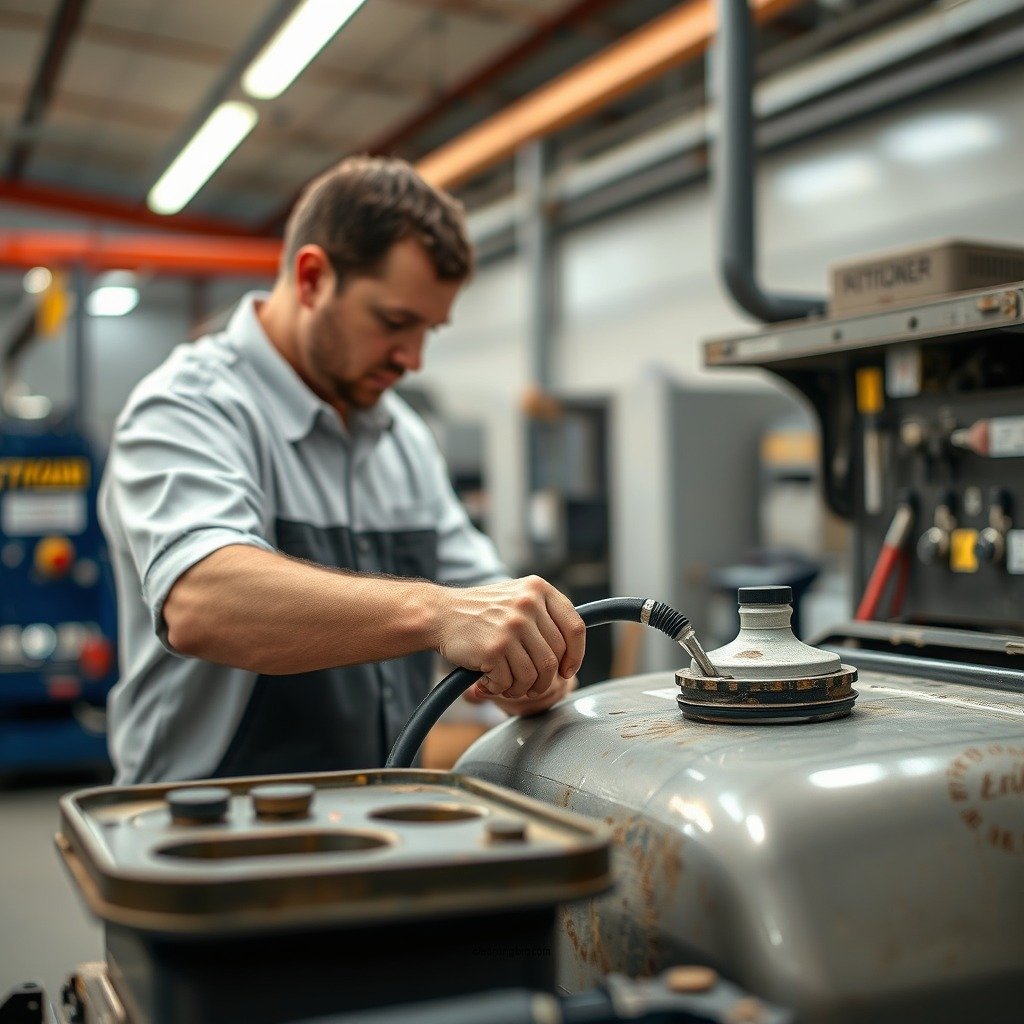
Diesel Exhaust Fluid (DEF) is a crucial component in the operation of modern diesel engines. It is a non-toxic solution composed of 32.5% urea and 67.5% deionized water, which helps reduce harmful nitrogen oxides (NOx) emissions during combustion. By injecting DEF into the exhaust stream, it converts NOx into harmless nitrogen and water vapor, significantly contributing to the reduction of air pollutants.
A clean DEF tank is vital because it ensures proper fluid delivery to the engine’s selective catalytic reduction (SCR) system. Contaminants in the DEF tank can lead to clogs, inaccurate fluid levels, and even system failures, which can compromise engine performance and lead to costly repairs. Maintaining your DEF tank can improve fuel efficiency, prolong engine life, and ensure compliance with environmental regulations.
Tools and Materials Needed
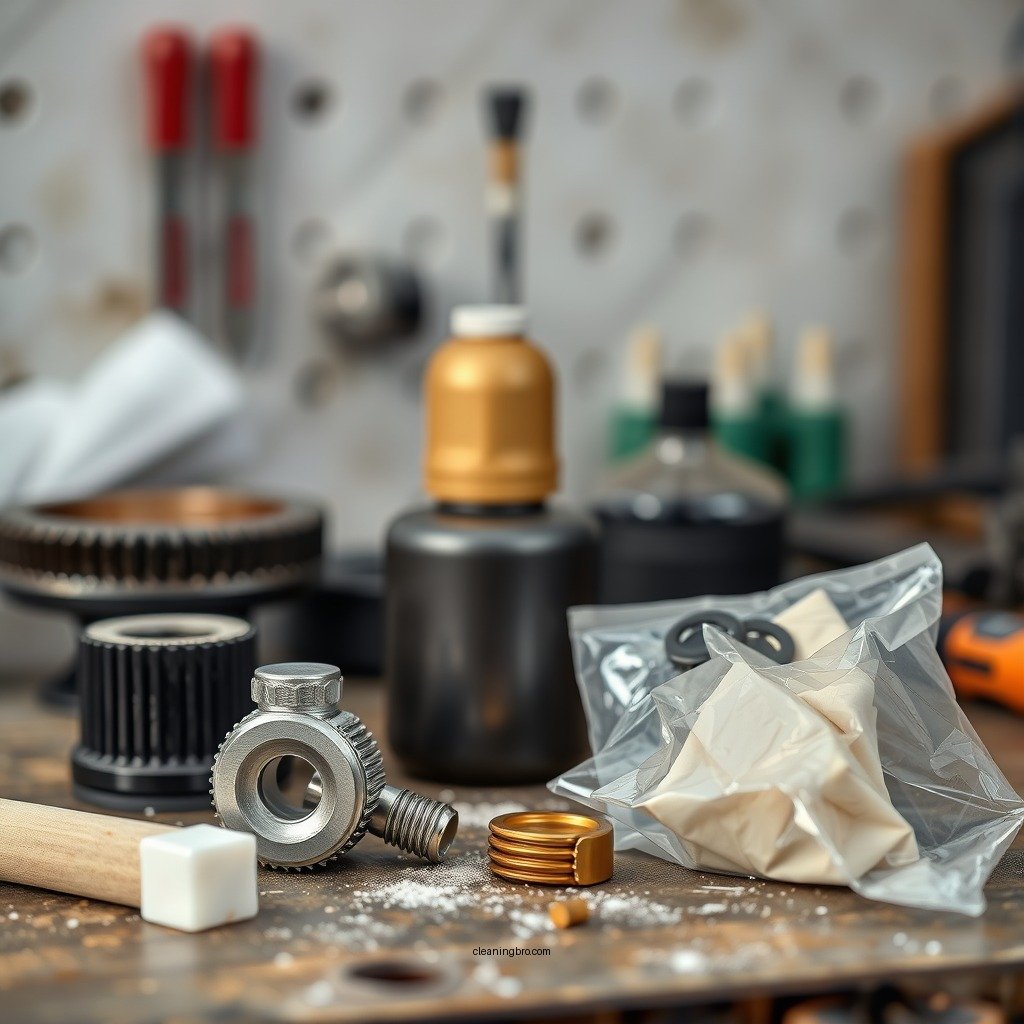
To clean a DEF tank effectively, you will need the following tools and materials:
– Clean, non-contaminated DEF: Ensure you have a fresh supply of DEF for rinsing and refilling the tank. Using contaminated DEF can introduce harmful substances into the system.
– A siphon pump or similar draining tool: This will help you drain the DEF tank thoroughly without spilling any fluid.
– Soft cloths or rags for cleaning: Use lint-free cloths to wipe down the interior of the tank and any accessible components to prevent scratches or damage.
Step-by-Step Cleaning Process
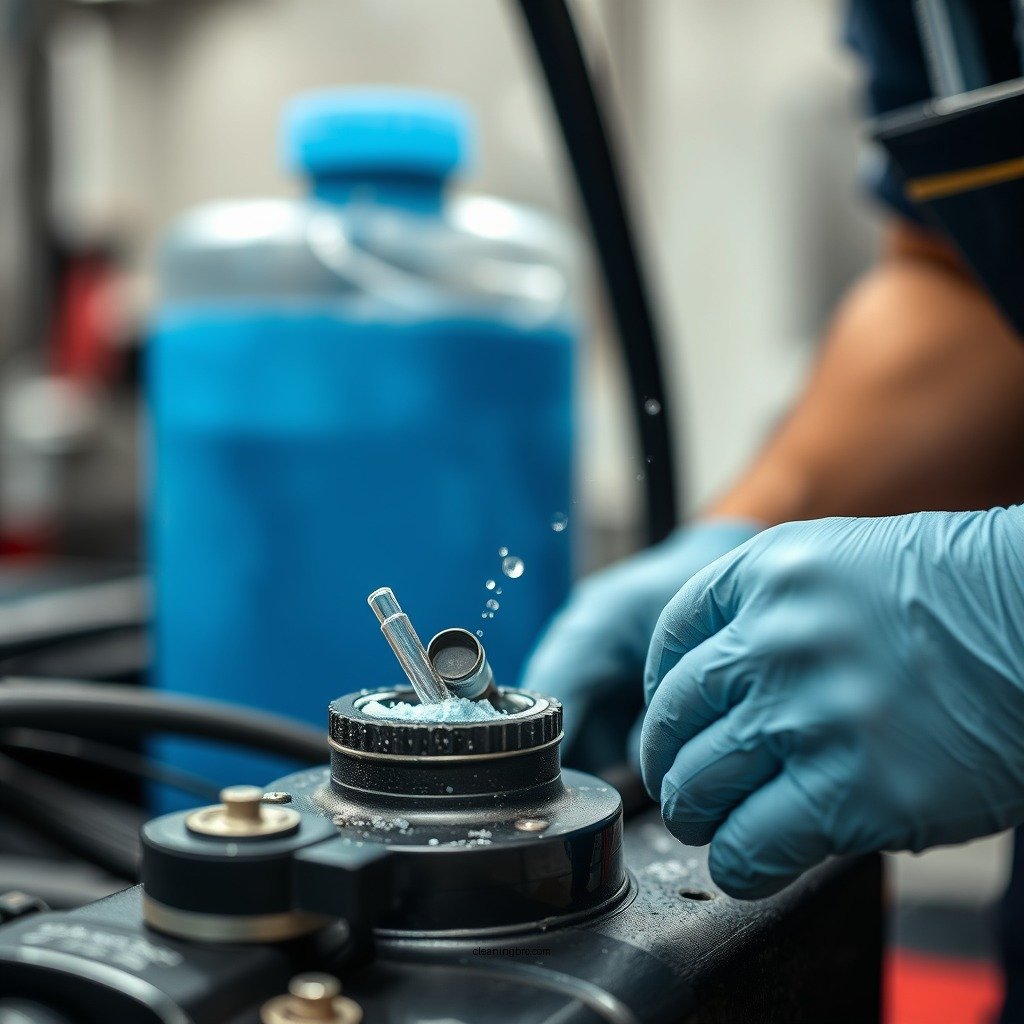
The cleaning process for a DEF tank involves several systematic steps:
1. Drain the DEF Tank: Begin by draining the DEF tank completely. Use a siphon pump to remove all the fluid. Make sure to dispose of the used fluid properly, as it may still contain contaminants.
2. Rinse the Tank: After draining, rinse the tank with clean DEF. Pour a small amount of DEF into the tank and swish it around to remove any remaining residues. This helps dissolve contaminants and ensures a clean surface for the next steps.
3. Wipe Down Surfaces: Use soft cloths or rags to wipe the inside of the tank, focusing on corners and crevices where debris may accumulate. Be gentle to avoid damaging any components.
4. Inspect for Residues: After cleaning, visually inspect the tank for any remaining residues or buildup. If necessary, repeat the rinsing process until the tank is thoroughly clean.
Common DEF Contaminants and Their Effects
| # | Contaminant | Description | Effects |
|---|---|---|---|
| 1 | Water Contamination | Introduction of non-deionized water | Reduces fluid effectiveness and can cause system damage |
| 2 | Dirt and Dust | Particulate matter entering the tank | Can clog filters and injectors |
| 3 | Microbes | Bacterial growth in DEF | Leads to degradation of DEF and potential system failure |
| 4 | Chemical Contaminants | Foreign chemicals mixed with DEF | Can result in toxic reactions and system damage |
| 5 | Contaminated Containers | DEF stored in unclean containers | Can introduce harmful particles into the tank |
| 6 | Fuel Residue | Leftover fuel contamination | Impairs DEF quality and engine performance |
| 7 | Plastic Particles | Deterioration of plastic components | Can obstruct system components, causing failures |
Flushing the Tank
Once the tank is clean, it is essential to flush it properly:
1. Fill with Clean DEF: Pour fresh, uncontaminated DEF into the tank, filling it to about one-third of its capacity.
2. Agitate the Fluid: Gently agitate the DEF inside the tank by moving the tank, if possible, or by manually shaking it. This action helps dislodge any lingering debris or contaminants that may not have been removed during the initial cleaning.
3. Drain the Tank Again: After agitating the fluid for a few minutes, drain the tank completely again to remove the flushed liquid and any remaining contaminants.
Inspecting for Contaminants
After flushing, a thorough inspection of the DEF tank is crucial:
1. Visual Inspection: Check for visible signs of contamination, such as dirt, sediment, or discoloration of the fluid. Pay close attention to the tank walls and bottom, as these areas are prone to residue accumulation.
2. Check for Leaks or Damage: Inspect the tank for any leaks or structural damage. A compromised tank can lead to fluid loss and may require immediate repair or replacement.
3. Ensure Proper Ventilation: Make sure that the tank’s venting system is functioning correctly, as blockages can lead to pressure buildup and affect fluid delivery.
Re-filling the DEF Tank
Once the tank is cleaned and inspected, it’s time to refill:
1. Use Certified DEF: Always use DEF that is certified to meet ISO 22241 standards. This ensures that the fluid is pure and free from contaminants.
2. Clean the Surrounding Area: Before refilling, clean the area around the tank’s fill neck to prevent dirt or contaminants from entering the tank during refilling.
3. Refill Carefully: Pour the DEF into the tank slowly and carefully to avoid spilling. Spills can lead to contamination and require additional cleaning.
4. Check Fluid Levels: After refilling, check the fluid levels using your vehicle’s dashboard gauge or manual dipstick to ensure the tank is adequately filled.
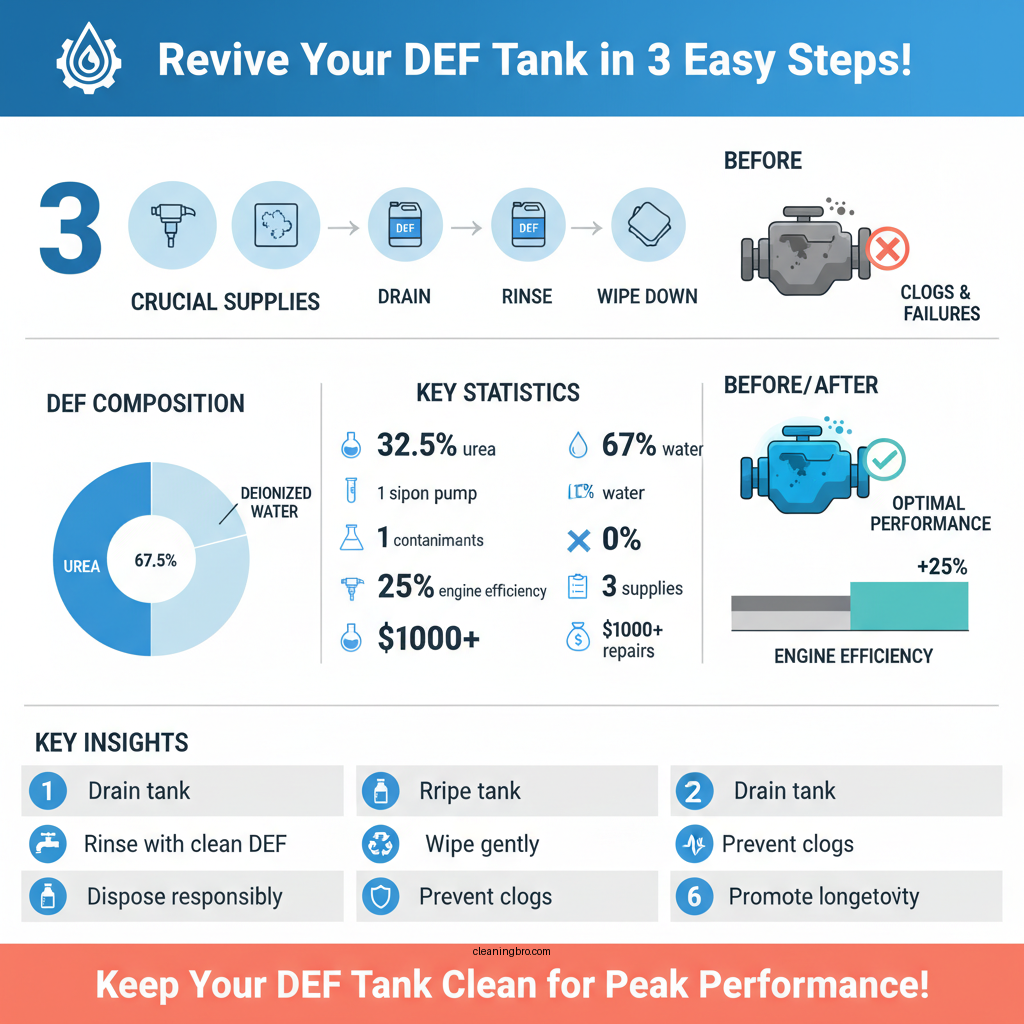
DEF Tank Cleaning Process Overview
Regular Maintenance Tips
To ensure your DEF tank remains in optimal condition, consider the following maintenance tips:
1. Schedule Regular Checks: Establish a routine to inspect your DEF tank and system components. Checking for leaks, fluid levels, and cleanliness every few months can help catch potential issues early.
2. Monitor Fluid Levels: Keep an eye on the DEF fluid levels. Top up the tank as necessary to avoid running low, which can lead to engine performance issues and possible system shutdowns.
3. Store DEF Properly: If you’re purchasing DEF in bulk, ensure it is stored in a clean, dry environment away from direct sunlight and extreme temperatures to prevent degradation.
4. Use Quality DEF: Always purchase DEF from reputable suppliers to ensure you are getting a high-quality product. Using low-grade or contaminated DEF can result in costly repairs and inefficiencies.
5. Educate Your Team: If you’re operating a fleet, make sure all drivers and maintenance personnel are trained on the importance of DEF cleanliness and the steps to maintain it.
By adhering to these maintenance tips, you can prolong the life of your DEF system and enhance your vehicle’s overall performance.
In conclusion, keeping your DEF tank clean is vital for maintaining vehicle efficiency and ensuring compliance with emissions regulations. By following the essential steps outlined in this guide—from draining and rinsing the tank to regular inspections and maintenance—you can ensure that your DEF system operates optimally. Implementing these practices will not only enhance engine performance but also contribute to a cleaner environment. Prioritize your DEF tank’s upkeep for a smoother and more efficient driving experience.
Frequently Asked Questions
What is the best method to clean a DEF tank?
The best method to clean a DEF tank involves draining the tank completely, rinsing it with distilled water, and using a non-corrosive cleaning solution specifically designed for diesel exhaust fluid systems. After cleaning, ensure the tank is thoroughly dried before refilling it with fresh DEF to prevent contamination.
How often should I clean my DEF tank?
You should clean your DEF tank at least once a year or whenever you notice signs of contamination, such as a change in fluid color or sediment buildup. Regular maintenance helps ensure the efficiency of your diesel exhaust fluid system and prolongs the life of your vehicle’s emissions components.
Why is it important to clean the DEF tank?
Cleaning the DEF tank is crucial because contaminants can cause blockages, lead to poor engine performance, and damage the selective catalytic reduction (SCR) system. Regular cleaning helps maintain optimal fluid quality, ensuring your vehicle meets emissions standards and operates efficiently.
Which products are recommended for cleaning a DEF tank?
Recommended products for cleaning a DEF tank include specialized DEF tank cleaning kits that contain non-corrosive solutions and brushes designed to remove deposits without damaging the tank. Look for products that are compatible with diesel exhaust fluid to ensure safe and effective cleaning.
What are the signs that my DEF tank needs cleaning?
Signs that your DEF tank needs cleaning include reduced vehicle performance, warning lights related to emissions on the dashboard, and visible sediment or discoloration in the DEF fluid. If you experience any of these issues, it’s essential to clean the tank to prevent further damage to the emissions system.
References
- https://en.wikipedia.org/wiki/DEF_(diesel_exhaust_fluid
https://en.wikipedia.org/wiki/DEF_(diesel_exhaust_fluid - https://www.nhtsa.gov/equipment-def/diesel-exhaust-fluid-def
https://www.nhtsa.gov/equipment-def/diesel-exhaust-fluid-def - FMCSA Regulations and Interpretations – 49 CFR Parts 300-399 | FMCSA
https://www.fmcsa.dot.gov/regulations/title49/b/5/39 - https://www.epa.gov/cleandiesel/what-diesel-exhaust-fluid-def
https://www.epa.gov/cleandiesel/what-diesel-exhaust-fluid-def - https://www.sciencedirect.com/topics/engineering/diesel-exhaust-fluid
https://www.sciencedirect.com/topics/engineering/diesel-exhaust-fluid - https://pubmed.ncbi.nlm.nih.gov/?term=cleaning+diesel+exhaust+fluid
https://pubmed.ncbi.nlm.nih.gov/?term=cleaning+diesel+exhaust+fluid - https://www.ncbi.nlm.nih.gov/pmc/articles/PMC8247373/
https://www.ncbi.nlm.nih.gov/pmc/articles/PMC8247373/ - Google Scholar Google Scholar
https://scholar.google.com/scholar?q=cleaning+def+tank - Google Scholar Google Scholar
https://scholar.google.com/scholar?q=diesel+exhaust+fluid+maintenance - Google Scholar Google Scholar
https://scholar.google.com/scholar?q=DEF+tank+cleaning+procedure