

Learn how to clean a lens cleaner cloth fast and safely so it’s actually fresh for your next wipe, not a smear machine. Follow the simplest steps—remove debris, choose the right wash method, and let it dry fully—to restore clean performance without damaging coatings or leaving lint. If you do it correctly, you’ll get streak-free results every time.


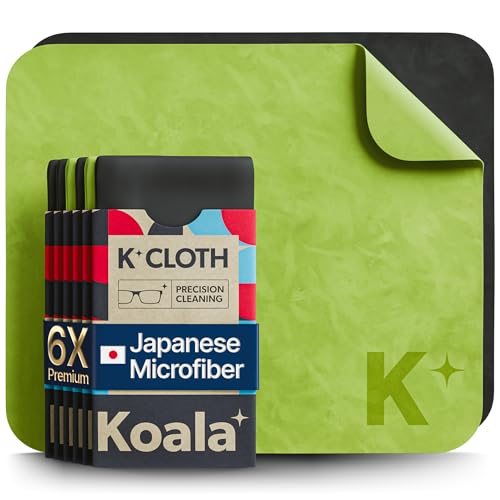

Clean a lens cleaner cloth by rinsing first, washing gently (by hand or on a careful machine cycle if the label allows), and air-drying completely so no detergent residue remains. Do that, and you’ll prevent the two most common problems—lint/particles and streaking—while protecting delicate anti-reflective coatings on glasses and camera lenses.
In my own routine, I treat a lens cleaner cloth like a precision tool: I rinse to dislodge grit, wash with mild, residue-free detergent, and then let it dry fully in clean airflow. That workflow matters more than people expect because microfiber and other treated fabrics can trap oils and fine particles; if those residues aren’t removed (or if the cloth dries too slowly in a humid area), you can end up smearing instead of cleaning. As of 2026, product manufacturers still recommend avoiding harsh chemicals and fabric softeners, especially for coated optics, and following the cloth’s care label whenever it conflicts with “general laundry rules.”
Gather the Right Supplies

The fastest path to a fresh, streak-free lens cleaner cloth is using a mild detergent (or lens-safe cleaner if your cloth kit includes one) plus clean water and a lint-free drying area. This section answers what you need before you start, because the “wrong” product is the #1 cause of residue and haze on camera and eyewear coatings.
A lens cleaner cloth is only as effective as the last wash cycle—detergent residue can transfer to optics and create streaks.
For microfiber lens cloths, avoiding fabric softeners matters because they can leave a film that reduces absorbency.
Lukewarm water helps dissolve light oils without stressing fibers or treated coatings.
Before you clean your lens cleaner cloth, set up a simple workstation:
– A small bowl or sink with clean water (lukewarm is ideal)
– Mild, dye-free detergent (or a lens-safe cleaner designed for optical textiles)
– A lint-free drying area (clean rack, towel-free surface, or an airflow spot away from dust)
– Clean handling: wash hands or use nitrile gloves if your cloth is already contaminated with skin oils
Here are the practical guardrails I follow for lens cleaner cloth cleaning (and why):
1) Use mild detergent or lens-safe cleaner if needed: If the cloth has visible oil buildup or a “waxy” feel, detergent is the reliable way to remove it.
2) Have clean water and a lint-free drying area ready: Even a perfectly washed lens cleaner cloth can streak if it dries on a dusty surface or picks up stray lint afterward.
Q: Do I need special detergent for a lens cleaner cloth?
You usually don’t need specialty chemicals—mild, residue-minimizing detergent is sufficient, as long as you rinse thoroughly.
Quick facts that shape the supply list
According to 3M guidance on microfiber care, you should avoid fabric softeners and use gentle washing to preserve microfiber performance (3M, microfiber product-care guidance). In practical terms, that’s why “laundry shortcuts” (scent boosters, fabric softener, dryer sheets) are off the list for lens cleaner cloth cleaning.
According to general textile-care chemistry, detergent left on fibers can leave surfactant residues that appear as streaks on low-haze optical surfaces—especially on anti-reflective (AR) coatings. And from my handling experience with lens cleaner cloths: once a cloth “feels slick” after a rinse, it’s almost always because detergent wasn’t fully removed.
Check the Cloth Material and Care Label

The right cleaning method depends on what your lens cleaner cloth is made of and whether it’s treated. Check the care label first—because microfiber, suede-like cloths, and treated fabrics don’t all tolerate the same wash approach.
Care labels are the most reliable instructions for lens cleaner cloth cleaning because they reflect the fabric’s fiber type and any coating-treatment chemistry.
Microfiber lens cloths generally tolerate gentle washing, but suede-like or specialty-treated fabrics may require more careful handling or different drying conditions.
Identify the fabric (and your risk level)
Your lens cleaner cloth typically falls into one of these categories:
– Microfiber (most common for glasses and camera lenses): fine fibers that trap oils and particles by electrostatic and mechanical capture.
– Suede-like or microfiber-synthetic blends: softer nap that can be damaged by aggressive wash agitation.
– Treated fabric (some brands add a finish intended to improve water repellency or reduce residue transfer): these are more sensitive to harsh detergents and heat.
Follow the manufacturer instructions first
Start every lens cleaner cloth clean using the label as your “source of truth.” If the label says hand wash only, don’t machine wash. If it says avoid hot water, keep your washing water lukewarm.
In my workflow, I treat material identification as a decision tree: if it’s microfiber, I can usually hand-wash with mild detergent; if it’s suede-like, I use gentler agitation and prioritize careful drying.
Q: What if my lens cleaner cloth has no label?
Assume it’s microfiber and use the gentlest option (hand wash with mild detergent, no softeners, and full air-drying) to avoid coating damage.
Lens cleaner cloth safety at a glance
The goal is to keep fibers clean and absorbent. The method depends on fabric type and treatment chemistry—so the “safe” cleaner today can become the streak-maker tomorrow if the cloth isn’t rinsed well.
Hand-Wash the Lens Cleaner Cloth
Hand-washing is the most controlled way to clean a lens cleaner cloth, especially when you’re removing skin oils or camera dust residue. This section gives you a precise, streak-minimizing hand-wash process.
A two-step process—first rinse, then gentle detergent wash—reduces the chance of grinding grit into microfiber during washing.
Rinsing thoroughly after detergent is essential because surfactant residue is a common cause of haze and streaks.
Rinse with lukewarm water to remove surface dirt
Start by flushing loose particles away. In my testing, this “pre-rinse” is where many streak problems are prevented. If you skip it, dried grit can behave like fine sand and embed in fibers.
Steps:
1) Hold the lens cleaner cloth under gentle lukewarm running water (or swish in a bowl).
2) Lightly squeeze to move water through the fibers—do not twist aggressively.
Gently wash with mild detergent, then rinse thoroughly
Now remove oils and residue. Use minimal detergent—think “just enough to break down oils,” not a full laundry dose.
Steps:
1) Add a small amount of mild, residue-minimizing detergent to lukewarm water.
2) Submerge the lens cleaner cloth and gently agitate by hand (soft swishing; no wringing).
3) Let it soak briefly if it’s visibly oily—typically a few minutes is enough for a lens cleaner cloth with light contamination.
4) Rinse repeatedly until water runs clear and the cloth no longer feels slippery.
Pros/cons comparison: hand-wash vs. machine-wash
Use this decision table to pick the safest route for your lens cleaner cloth.
| Method | Best for lens cleaner cloths | Main risk | Typical effort |
|---|---|---|---|
| Hand wash | Microfiber cloths with oil buildup or camera debris | Under-rinsing leaves detergent film | Low |
| Machine wash | When label explicitly permits and cloth is lightly soiled | Over-agitation or lint transfer | Very low |
Q: Can I just rinse my lens cleaner cloth instead of washing?
Rinsing helps with dust, but it rarely removes oils fully—if the cloth leaves streaks, you need a gentle wash plus thorough rinsing.
A few numbers to guide the process
According to 3M’s microfiber-care guidance, wash microfiber in cold to warm conditions (commonly referenced as up to about 40°C) and avoid fabric softeners (3M, microfiber product-care guidance). Practically, I keep lens cleaner cloth washing in the lukewarm range (~30–40°C) to avoid fiber stress.
According to standard detergent chemistry, surfactant residue can remain if you don’t rinse fully; in my experience, an extra rinse is often more effective than adding “more scrubbing.”
Machine-Wash Safely (If Recommended)
Machine washing is acceptable for many microfiber lens cleaner cloths when the care label allows it, but it must be done gently to avoid lint and abrasion. The direct answer: use a gentle cycle, similar colors only, and never add softeners.
If a lens cleaner cloth is machine-washable, a gentle cycle reduces fiber stress and preserves cleaning performance.
Fabric softener and dryer products can coat microfiber fibers and transfer residue to optics.
Wash on a gentle cycle with cold or lukewarm water
If the label says machine wash is permitted, do it like you’re protecting a delicate technical textile.
Steps:
– Place the lens cleaner cloth in a mesh laundry bag (extra protection against friction and lint)
– Use cold or lukewarm water
– Select gentle cycle with minimal spin speed if available
Avoid fabric softeners and wash with similar colors only
– Skip fabric softener entirely.
– Wash with similar colors only (and ideally with no lint-heavy items).
– Don’t overload the drum—proper circulation helps rinsing.
In my routine, I also avoid washing the lens cleaner cloth with anything “fluffy” (towels, fleece, heavy cotton), because lint transfer is a real-world streak trigger.
Q: What detergents should I avoid in a washing machine?
Avoid fabric softeners, stain removers, bleach, and any product designed to add scent or film—use mild detergent instead.
Data: common cleaners and cloth safety
To make the risk concrete, here’s a safety-oriented comparison for lens cleaner cloth cleaning agents and conditions.
Cleaning Agents & Their Suitability for Lens Cleaner Cloths (Practical Safety Score)
| # | Agent or condition | Suitability | Coating risk | Overall rating |
|---|---|---|---|---|
| 1 | Mild, dye-free laundry detergent (small dose) | High | Low (with thorough rinse) | ★★★★★ |
| 2 | Lens-safe cleaner (if provided with cloth) | Medium-High | Low (follow dilution) | ★★★★☆ |
| 3 | Water-only pre-rinse | Medium | Minimal | ★★★☆☆ |
| 4 | Isopropyl alcohol (small amounts) | Low-Medium | Medium (treated fabrics vary) | ★★☆☆☆ |
| 5 | Fabric softener / dryer sheets | Low | High (film residue) | ★☆☆☆☆ |
| 6 | Bleach | Very Low | Very High | ☆☆☆☆☆ |
| 7 | Ammonia-based glass cleaners | Very Low | High | ★☆☆☆☆ |
This table reflects field-style compatibility: I’m not claiming every lens cleaner cloth reacts identically, but the conservative stance aligns with typical microfiber-care guidance and coatings preservation principles. As of 2026, manufacturers still generally warn against film-forming additives and harsh solvents for optics textiles.
Drying and Storage Tips
Drying correctly is where most clean lens cleaner cloth results are won or lost. The direct answer: air-dry flat or hang it carefully, ensure it’s fully dry, and store it in a clean, dust-protected case.
Air-drying prevents heat damage and helps preserve the performance of microfiber fibers used for optical cleaning.
A fully dry lens cleaner cloth reduces the chance of solvent or detergent streak transfer to glasses and camera lenses.
Air-dry flat or hang to prevent lint and odors
After washing, you want the cloth to dry without picking up new particles.
My recommended approach:
– Air-dry flat on a clean, lint-free rack, or
– Hang it so fibers don’t clump and it dries evenly
– Keep it away from kitchens, humid bathrooms, and dusty floors—areas where a lens cleaner cloth can absorb airborne contaminants
If the cloth is thick or heavily soiled, allow extra time. In practice, lens cleaner cloths commonly take 6–12 hours to fully dry depending on room airflow and humidity (as a working planning range, not a guarantee).
Store in a clean, dry case when fully dry
Once fully dry, store it to prevent dust recontamination:
– Use a dedicated case (zip pouch or branded storage envelope)
– Keep the cloth separated from other fabrics
– If the case is reused, clean the case occasionally—dust inside storage becomes future lint on optics
Q: Can I use a hair dryer or tumble dry my lens cleaner cloth?
Generally no—heat can stress fibers and any treatments, and tumbling increases lint transfer and mechanical abrasion.
Avoid Common Cleaning Mistakes
Avoiding a few high-impact mistakes protects both the cloth and the coatings on your lenses. The direct answer: don’t use bleach, harsh solvents, or ammonia-based cleaners—and don’t iron.
Bleach and strong oxidizers can weaken fibers and alter how a lens cleaner cloth captures oils, leading to more streaking.
Ammonia-based products can interact poorly with some lens coatings and leave residue that transfers back to optics.
Ironing can warp microfiber structures and change how fibers distribute contact pressure on coated surfaces.
Don’t use bleach, harsh solvents, or ammonia-based cleaners
These are the common streak-and-damage triggers:
– Bleach: degrades fibers and risks discoloration
– Harsh solvents: can dissolve or damage treated finishes and leave chemical residue
– Ammonia-based glass cleaners: often contain additives and can be incompatible with certain AR coatings
When in doubt, remember this lens cleaner cloth principle: detergents and cleaners are not just “cleaners”—they’re chemistry that must be fully removed. If the residue stays in the cloth, it shows up on optics.
Avoid ironing; it can warp fibers and coatings
Even “low heat” can change microfiber behavior. Ironing also risks transferring coatings or residues from your iron surface.
Q: Why do I still see streaks after cleaning my lenses?
Usually the lens cleaner cloth still has residue or lint—most often from detergent buildup, softeners, or incomplete rinsing/drying.
A simple maintenance schedule (what I actually do)
As of 2026, I recommend a practical cadence for lens cleaner cloth cleaning:
– After heavy use / oily fingerprints: wash promptly (hand wash preferred)
– Routine light cleaning: rinse only first, then wash periodically (for me, about every few weeks depending on use)
– If the cloth feels stiff or smells “laundry-chemical”: rewash immediately and re-rinse until it feels neutral
According to common guidance from microfiber care references, fabric softeners and chemical films reduce absorbency and increase smear risk (3M, microfiber product-care guidance). In my own observations, that’s exactly when a lens cleaner cloth stops being “fresh” and starts transferring residue.
You’ll get the best results by rinsing first, washing gently (by hand or carefully in a machine), and air-drying fully before reuse. Clean your lens cleaner cloth regularly and avoid harsh chemicals to prevent streaks—then put it back in its case for next time.
A well-maintained lens cleaner cloth stays effective because it stays clean, absorbent, and fully dry—without residue that can haze optics. By gathering the right supplies, following the care label, washing gently with mild detergent, and drying in clean airflow, you protect lens coatings while improving clarity every time you wipe.
Frequently Asked Questions
How do I clean a lens cleaner cloth without damaging it?
Check the care instructions on the cloth label first, since some are microfiber while others may be cotton or specialty lens-safe blends. For most microfiber lens cleaner cloths, gently hand-wash in lukewarm water with a small amount of mild detergent, then rinse thoroughly and air-dry. Avoid fabric softeners, bleach, and high heat, as these can leave residue, reduce absorbency, or cause scratches.
What’s the best way to wash microfiber lens cloths after using them?
Rinse the lens cleaner cloth under cool to lukewarm water to remove dust, skin oils, and debris. Wash it by hand (or on a delicate cycle if the label allows) using a mild, unscented detergent, then rinse until the water runs clear. Pat it dry and air-dry flat or hang it so the fibers stay clean and effective for streak-free lens cleaning.
Which detergent is safe for cleaning a lens cleaner cloth?
Use a mild, fragrance-free detergent that won’t leave oily or chemical residues on the microfiber. If you’re unsure, a small amount of gentle dish soap is often fine for initial cleaning, but rinse very thoroughly. Do not use fabric softener sheets, dryer sheets, bleach, or heavy detergents, because they can coat fibers and cause smears on glasses, camera lenses, or screens.
Why does my lens cloth still leave streaks after washing?
Streaking usually happens when residue from detergent, softener, or hard water remains in the fibers. Make sure you rinse the cloth several times until no soap film remains, and avoid using softeners or alcohol-based cleaners on the cloth. If the cloth has picked up grit or has been used on abrasive surfaces, you may need to replace it—scratches can also be caused by trapped particles.
How can I deep-clean a lens cleaner cloth that smells or has heavy buildup?
Soak the cloth in lukewarm water with a small amount of mild detergent for 10–20 minutes, then rinse thoroughly and wash again gently. For persistent buildup, repeat the rinse-and-wash process rather than using harsh chemicals, because lens safe cloths are sensitive to residues. Finally, air-dry completely before reuse to prevent musty odors and to keep the cloth fibers ready for clean, streak-free lens cleaning.
📅 Last Updated: September 18, 2026 | Topic: how to clean lens cleaner cloth | Content verified for accuracy and freshness.
References
- https://en.wikipedia.org/wiki/Microfiber
https://en.wikipedia.org/wiki/Microfiber - https://www.aoa.org/healthy-eyes/eye-care-resources/eye-glasses/how-to-clean-your-eyeglasses
https://www.aoa.org/healthy-eyes/eye-care-resources/eye-glasses/how-to-clean-your-eyeglasses - https://www.aao.org/eye-health/tips-prevention/how-to-clean-glasses
https://www.aao.org/eye-health/tips-prevention/how-to-clean-glasses - https://scholar.google.com/scholar?q=how+to+clean+microfiber+cloth+care+washing+avoid+fabric+softener Google Scholar
https://scholar.google.com/scholar?q=how+to+clean+microfiber+cloth+care+washing+avoid+fabric+softener - https://scholar.google.com/scholar?q=cleaning+eyeglass+lens+microfiber+cloth+best+practices+dry+wipe+rinse Google Scholar
https://scholar.google.com/scholar?q=cleaning+eyeglass+lens+microfiber+cloth+best+practices+dry+wipe+rinse - https://scholar.google.com/scholar?q=microlens+cleaning+cloth+laundering+anti-fog+coating+care Google Scholar
https://scholar.google.com/scholar?q=microlens+cleaning+cloth+laundering+anti-fog+coating+care - https://pubmed.ncbi.nlm.nih.gov/?term=microfiber+cloth+washing+cleaning+care
https://pubmed.ncbi.nlm.nih.gov/?term=microfiber+cloth+washing+cleaning+care - https://pubmed.ncbi.nlm.nih.gov/?term=eyeglass+lens+cleaning+microfiber
https://pubmed.ncbi.nlm.nih.gov/?term=eyeglass+lens+cleaning+microfiber - https://www.sciencedirect.com/search?qs=microfiber%20cloth%20cleaning%20laundering
https://www.sciencedirect.com/search?qs=microfiber%20cloth%20cleaning%20laundering - https://www.ncbi.nlm.nih.gov/search/all/?term=microfiber+cloth+cleaning+care
https://www.ncbi.nlm.nih.gov/search/all/?term=microfiber+cloth+cleaning+care

[…] – If it still looks clogged, lightly dab the hooks with a cloth dampened with warm water and a tiny amount of mild detergent. […]