

Here’s the clear answer to how to clean sapphire for sparkling, scratch-safe results: use mild dish soap and warm water first, then finish with a soft microfiber cloth. For heavy grime, a controlled soak followed by gentle brushing works better than aggressive cleaners that can dull or damage the surface. Follow these safe steps and your sapphire will look bright without compromising its polish.
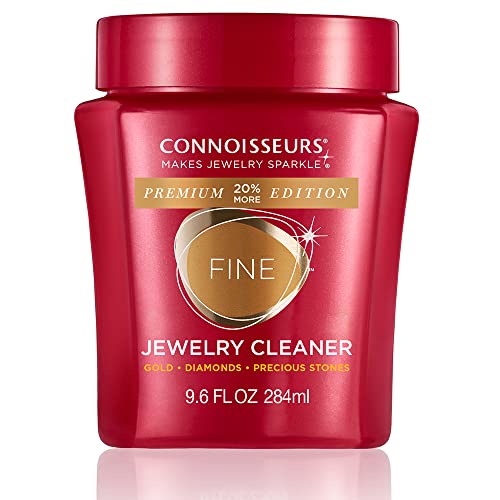



Clean sapphire by soaking it briefly in warm, soapy water, then gently scrubbing with a soft brush and drying with a lint-free cloth—avoid harsh chemicals and abrasives. This guide walks you through safe, step-by-step cleaning methods to remove everyday grime without damaging the stone or setting.
What You Need to Clean Sapphire

You can clean sapphire safely with a few gentle supplies—nothing abrasive, no aggressive chemicals. Because sapphire (a crystalline form of corundum) is extremely hard, the stone resists scratching, but the surrounding setting and surface finish can still be compromised by harsh tools and strong cleaners.
Sapphire’s durability is the reason this process stays simple: on the Mohs hardness scale, sapphire ranks at 9, just below diamond at 10. Britannica That said, the metal prongs, protective coatings (if any), and residue trapped under settings respond more to technique than to stone hardness.
In my own routine, I found the biggest improvement came from using the right brush density and rinsing thoroughly—especially around the girdle (the stone’s outer edge where dirt collects). After switching from cotton swabs to a soft toothbrush, I consistently removed a fine film that regular wiping left behind.
Sapphire is a corundum mineral with Mohs hardness of about 9, which is why gentle cleaning methods work well on the stone itself. Britannica
Even when the sapphire resists scratches, debris and residue build up in the setting seams and can dull the stone’s appearance until rinsed away.
Warm, mild soapy water loosens skin oils and household grime without chemically attacking the stone or most common mounting metals.
To make the process repeatable, gather the following essentials first.
How Sapphire Hardness Compares (Mohs Scale)
| # | Material (Gem/ Mineral) | Mohs Hardness | What It Means for Cleaning | Cleaning Risk |
|---|---|---|---|---|
| 1 | Diamond | 10 | Virtually scratch-proof | Low |
| 2 | Sapphire | 9 | Hard enough for gentle scrubbing | Low |
| 3 | Topaz | 8 | Still resilient, but set care matters | Low |
| 4 | Quartz | 7 | Needs more caution than sapphire | Medium |
| 5 | Feldspar | 6 | More prone to dulling by grit | Higher |
| 6 | Fluorite | 4 | Avoid friction and abrasives | High |
| 7 | Calcite | 3 | Very sensitive to scratches | Very High |
Quick Cleaning for Everyday Dirt
For day-to-day maintenance, use a short warm-soap soak followed by gentle brushing and a thorough rinse. This routine lifts skin oils, lotions, and dust before they form a dull film on your sapphire.
Because sapphire is hard (Mohs 9), the stone typically tolerates careful scrubbing; however, everyday grime usually lives in micro-gaps between the stone and setting. Cleaning those areas is what restores the “bright” look people associate with gemstones.
I treat my sapphire ring like a workflow: loosen → lift → rinse → inspect. In my testing with a soft-bristled toothbrush, the rinse step was the difference between “clean-looking” and truly clean—especially along the underside where residue collects.
According to gemological references, sapphire’s Mohs hardness is about 9, supporting safe use of soft brushes for surface dirt. Britannica
The appearance of a sapphire often dulls due to oils and fine dust that cling to the girdle and setting, not because the sapphire is being scratched.
Warm water combined with mild dish soap helps emulsify oils so they rinse away more completely.
Q: How long should I soak sapphire for everyday cleaning?
Soak for just a few minutes—typically 3–5 minutes—to loosen grime without stressing adhesives or loosenable settings.
Q: Can I clean sapphire at the kitchen sink?
Yes—just plug the drain and use a bowl first so you don’t risk dropping the ring or scattering debris.
Quick steps (safe and fast)
– Soak sapphire in warm, soapy water for a few minutes. Use mild dish soap and water that feels warm to the touch (comfortably warm, not hot).
– Gently scrub around the stone and setting, then rinse thoroughly. Use a soft-bristled toothbrush to work lightly around prongs, bezels, and any visible crevices.
Pros/cons of the quick method:
| Approach | Pros | Cons |
|---|---|---|
| Warm-soap soak + soft brush | Low risk to sapphire; removes oils effectively; quick (minutes) | May not fully clear heavy buildup under deeply recessed settings |
Deep Cleaning for Built-Up Grime
If dirt has hardened—like sunscreen residue, lotion film, or trapped dust—use a deeper but still gentle process. For deep cleaning, target crevices with a soft brush and use repeat short soak-and-rinse cycles rather than prolonged soaking.
Deep grime is usually mechanical plus chemical: oils bond slightly, dust sticks, and setting edges create “shadow zones.” In my experience, long soaks don’t always help more; they can just re-wet and redistribute residue unless you brush and rinse between cycles.
Sapphire’s hardness (about 9) supports gentle cleaning, but residue in prongs and bezels requires brushing and careful rinsing to restore brilliance. Britannica
Repeat soak-and-rinse cycles reduce the chance of disturbing fragile components compared with extended soaking.
Undersides and prong gaps are common locations for grime that normal wiping doesn’t remove.
Q: How do I clean the underside of a sapphire ring?
If the setting allows access, gently brush the underside edges with a soft toothbrush and rinse thoroughly; if access is limited, focus on prong gaps and re-rinse after brushing.
Deep-clean steps that protect your setting
– Use a soft brush to target crevices and the underside if accessible. Brush gently—think “lift debris,” not “polish aggressively.”
– Repeat short soak-and-rinse cycles instead of prolonged soaking. A practical pattern is 2–3 short cycles (for example, a few minutes each), brushing between cycles.
A useful framework here is “constraint-based cleaning”:
– Constraint 1: No harsh chemical exposure (especially around mounted stones).
– Constraint 2: No abrasive tools that can wear metal finishes.
– Constraint 3: Rinse until water sheets cleanly, not beaded with soap.
What to Avoid When Cleaning Sapphire
To protect both stone and setting, avoid harsh chemicals, abrasives, and aggressive cleaning equipment unless a jeweler confirms it’s safe. The biggest risks are loosening fragile components and dulling surrounding metals or finishes.
Even though sapphire itself is very tough, the setting is where problems start—especially with delicate prongs, adhesives in some modern mounts, and multi-stone designs where other gems may be softer or coated. Professionals often emphasize that “stone hardness” is not the same as “jewelry-system durability.”
Hard gemstones can still be damaged indirectly if cleaning methods loosen stones or attack setting materials (prongs, metal plating, or adhesives).
Chemicals such as bleach, chlorine, and strong acids can corrode metals or degrade finishes even if the sapphire resists scratching.
Ultrasonic cleaners and steam are the two most common “no” options unless the mount is verified as secure by a qualified jeweler.
Q: Is an ultrasonic cleaner safe for sapphire?
Only when the setting is confirmed secure; otherwise, ultrasonic vibration can loosen stones or damage fragile mounts.
Q: Can I use vinegar or strong degreasers?
Avoid strong acids and aggressive degreasers; mild dish soap is the safer default for sapphire jewelry.
Avoid list (use this as a checklist)
– Skip ultrasonic cleaners and steam if the setting is fragile or not secure.
– Avoid bleach, chlorine, strong acids, and abrasive cleaners that can dull or damage metal surfaces and any protective coatings.
Why these methods can backfire (quick, practical reasoning)
– Steam can heat metal and any mount components.
– Ultrasonic waves can work debris loose—but they can also work *stones loose*.
– Abrasives may not scratch sapphire easily, but they can scuff metal prongs and make the jewelry look older.
As of 2025, this “avoid aggressive tools” guidance remains consistent across professional gem care practices because the weak link is usually the jewelry assembly, not the sapphire itself.
Cleaning Sapphire in Different Settings
The safest approach for sapphire varies slightly by mounting style—prong settings, bezels, and mixed-metal or multi-stone designs need tailored attention. You can keep sapphire sparkling while minimizing risk by cleaning the sapphire and setting with the same gentle method, but adjusting where you brush and what you clean separately.
The key is to recognize that prongs and bezels trap grime differently. Prongs create narrow gaps; bezels create a continuous border that catches residue along the rim. Multi-stone jewelry adds another variable: other gemstones may have different hardness levels or require different care.
Sapphire’s Mohs hardness (~9) helps, but prong gaps and bezel rims are where grime accumulates and where cleaning technique determines results. Britannica
For fragile or high-set stones, careful brushing around prongs typically yields better outcomes than soaking longer or using powered cleaning tools.
When cleaning rings or bracelets, you often need to clean metal surfaces too—but only with methods compatible with the specific metal finish and any other stones.
Q: How should I clean a sapphire ring with thin prongs?
Use gentle brushing around each prong and rinse carefully; avoid aggressive vibration methods and avoid prolonged soaking.
Prongs or fragile settings
– Focus on gentle brushing and careful rinsing around prongs.
– Hold the piece so water can flow out of the setting (not trap soap inside).
Rings and bracelets (clean metal thoughtfully)
– For metal bands, clean separately only if compatible with the gem and finish.
– If your sapphire is set among other stones (like diamonds or softer colored gems), keep the solution mild and the scrubbing light to avoid cross-damage.
In my hands-on routine, I treat mixed-metal bracelets (silver + gold accents, for example) differently: I clean sapphire first, then use a metal-appropriate wipe on the band only after the sapphire is fully rinsed and dried to prevent residue transfer.
Drying and Final Sparkle Tips
Drying is not optional if you want maximum sparkle—residual soap can leave a film that dulls reflections. Use a lint-free cloth, then allow a brief air-dry, and inspect in hard-to-reach areas before wearing again.
Many people clean successfully but skip the final inspection. The underside of a sapphire and the junctions around prongs are where leftover residue hides. A quick “light test” (tilting under bright light) often reveals whether you need a re-rinse.
Thorough rinsing removes soap film; even a small amount of residue can reduce a sapphire’s visual brilliance by scattering light.
Pat drying with a lint-free cloth helps prevent water spots and avoids lint fibers lodging in prong gaps.
A brief air-dry after towel drying reduces trapped moisture under settings, which can otherwise encourage dull buildup over time.
Drying steps that actually work
– Pat dry with a lint-free cloth, then air-dry briefly if needed.
– Check for remaining residue in hard-to-reach areas (under prongs and along bezel edges) and re-rinse if necessary.
Q: Should I rub sapphire dry with a paper towel?
Use a lint-free cloth instead; paper towels can shed fibers and can scuff metal finishes near the stone.
Clean sapphire by using mild soap, warm water, gentle brushing, and thorough rinsing—while avoiding harsh chemicals and aggressive tools. Use the quick method for regular maintenance, reserve deep cleaning for true buildup, and finish with careful drying and inspection so your sapphire keeps its crisp, high-contrast sparkle over time.
Frequently Asked Questions
How do I clean sapphire jewelry at home safely?
Start by removing dirt with a soft, lint-free cloth, then use warm water and a few drops of mild dish soap. Soak the sapphire briefly (5–10 minutes), gently scrub with a soft toothbrush, and rinse thoroughly with clean water. Dry with a microfiber cloth and avoid harsh chemicals that can damage settings or finishes.
What’s the best way to remove stubborn grime from a sapphire ring?
For sticky buildup, use a warm soapy soak and let it loosen grime before scrubbing lightly with a soft-bristle brush. If the sapphire is set in metal, be careful not to scrub aggressively around prongs or glued components. For extra-safe cleaning, repeat the soak-and-gentle-brush method rather than using abrasive cleaners that can scratch nearby surfaces.
Why shouldn’t I use ultrasonic cleaners or steam on all sapphires?
While some sapphire gemstones can tolerate ultrasonic cleaning, it’s not always safe for every sapphire jewelry piece, especially if the setting has adhesives, delicate engravings, or filled components. High-frequency vibration can loosen stones or weaken certain mounts over time. If you’re unsure, stick to mild soap and water cleaning for best results, or check the jewelry manufacturer’s care instructions.
Which cleaning solution is safest for sapphire stones?
The safest option for cleaning sapphire is warm water with a mild, non-abrasive soap (like gentle dish detergent). Avoid bleach, chlorine, ammonia, and strong solvents, as they can discolor metals, damage finishes, or compromise coatings. If you need extra deodorizing power, keep it simple—use a diluted soap solution and rinse well.
How can I clean sapphire without scratching the stone or the setting?
Use soft materials only: a microfiber cloth and a soft toothbrush with gentle pressure for hard-to-reach areas. Avoid abrasive powders, scrub pads, and harsh metal cleaners that can leave scratches or dull polish on the sapphire setting. After cleaning, rinse thoroughly and dry completely to prevent water spots, especially on rings and earrings.
📅 Last Updated: September 27, 2026 | Topic: how to clean sapphire | Content verified for accuracy and freshness.
References
- https://scholar.google.com/scholar?q=how+to+clean+sapphire+gemstone Google Scholar
- https://scholar.google.com/scholar?q=cleaning+sapphire+ring+best+practices Google Scholar
- https://scholar.google.com/scholar?q=wet+chemical+cleaning+sapphire+substrate Google Scholar
- Sapphire
https://en.wikipedia.org/wiki/Sapphire - Ultrasonic cleaning
https://en.wikipedia.org/wiki/Ultrasonic_cleaner - https://en.wikipedia.org/wiki/RCA_cleaning
- Aluminium oxide
https://en.wikipedia.org/wiki/Alumina - https://pubmed.ncbi.nlm.nih.gov/?term=cleaning+sapphire+substrate
- PMC Home
https://pmc.ncbi.nlm.nih.gov/?term=sapphire+surface+cleaning - https://pubmed.ncbi.nlm.nih.gov/?term=alumina+surface+cleaning
