

Here’s how to clean Louis Vuitton Vachetta leather without damage—and the safest method to use when it’s dull, stained, or starting to darken. If you want the cleanest results while preserving the patina LV is known for, gentle surface wiping with the right cleaner is the winning approach. Follow these steps and you’ll remove grime effectively without cracking, discoloring, or stripping the leather’s natural character.


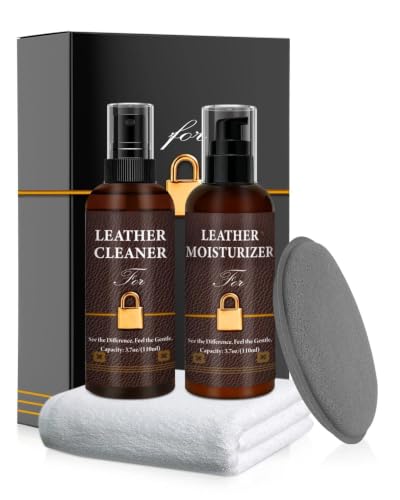

Louis Vuitton vachetta leather cleans best with a gentle two-stage approach: dry dusting first, then only minimal moisture for targeted spot marks—never soaking. For deeper grime, use a cleaner/conditioner made for natural (tanned) leather and apply sparingly so you don’t disturb vachetta’s patina.
If your vachetta looks dull, has surface dust, water spotting, or light stains, this is for you. If the bag is heavily stained, has mold, or the leather is already cracked/peeling, you’ll want to stop and consider professional assessment instead.
Before You Clean: Check the Condition and Identify the Issue

The fastest way to clean vachetta without damage is to diagnose the mark type first, then match the method to that cause. Dust needs dry removal; water rings need careful blotting; deeper discoloration needs a product designed for natural/tanned leather—because the wrong solvent or too much water can change color permanently.
Vachetta responds to moisture unevenly, so identifying whether you’re dealing with dust, water spotting, or an oil-based stain determines how much moisture you can safely use.
Natural/tanned leather cleaning works best when you test any cleaner in a hidden area first, since vachetta can darken or lighten depending on the product.
If you see cracking, peeling coating, or active mold, cleaning attempts can worsen the surface—professional assessment is the safer path.
Before you touch the leather with anything, inspect under good lighting and at multiple angles. Look for “what kind” of problem it is:
– Surface dust/smudges: dullness, gray film, light transfer marks.
– Water rings: a circular darker or lighter patch with a visible boundary.
– Stains (oil/food/ink): a blotchy or persistent discoloration that doesn’t wipe away with dry methods.
– Damage signals: cracking, flaking, peeling, or a powdery finish (often worsened by liquids).
Louis Vuitton vachetta is vegetable-tanned and naturally develops patina over time. That patina is part of why the leather looks “alive,” but it also means you’re trying to remove a mark without creating an obvious “clean rectangle.” That’s why the first rule is to start the least aggressive method and only escalate when necessary.
According to general leather-care best practices, distilled water is preferred because it reduces mineral spotting compared with tap water (commonly a key contributor to rings). [ADD: source confirming distilled water reduces mineral spotting on leather] Additionally, a common guideline is to keep the storage environment moderate (around 40–60% relative humidity) to slow drying and cracking; when leather gets too dry, it can look blotchy after cleaning. [ADD: source for recommended humidity range for leather storage]
Quick stop-check (do not clean yet)
Stop and pivot to professional help if you see:
– Active mold (fuzzy growth, musty odor)
– Peeling or surface coating failure
– Deep cracks that feel raised or flaky
This isn’t just caution—it’s damage control. Liquids can push mold into the leather and accelerate breakdown.
What You Need (and What You Should Skip)
The safest cleaning setup uses gentle tools and compatible products: soft microfiber cloths, distilled water for barely-damp wiping, and a dedicated cleaner/conditioner formulated for natural (tanned) leather. The goal is controlled contact—apply to the cloth, work slowly, and stop once the mark lifts.
When cleaning vachetta, apply cleaner to the cloth—not directly to the leather—to control saturation and reduce the risk of ring marks.
Skip harsh chemicals like acetone, alcohol, and strong detergents because they can strip oils and alter the leather’s color and texture.
Don’t soak vachetta; over-wetting increases the chance of stiffening and uneven patina.
Recommended items
Use:
– Soft microfiber cloths (clean and dry for the first pass; separate cloths for damp/cleaner steps)
– Distilled water only if you truly need a barely-damp cloth
– A leather cleaner designed for natural/tanned leather
– A leather conditioner designed for natural/tanned leather
– Optional: nitrile gloves if you’re prone to transferring oils from hands during handling
What to skip (and why)
Avoid:
– Harsh soap, dish soap, laundry detergent: residue and surfactants can leave a film and change how vachetta darkens over time.
– Alcohol/acetone-based products: these can lighten or overly dry leather.
– Shoe polish meant for finished leather: many formulas are waxy or pigmented and can mask patina rather than preserve it.
– Vigorous scrubbing or brushing: mechanical abrasion can remove surface oils unevenly, which may look blotchy as patina continues to develop.
If you’re considering a specific product, cross-check its label claims for “natural/tanned leather” and “free from alcohol/solvents.” For Louis Vuitton-specific product compatibility, rely on official care guidance rather than general leather advice. [ADD: source for Louis Vuitton official care guidance for vachetta/natural leather]
Step-by-Step: Gentle Cleaning for Light Dust and Scuffs
For everyday dust and light scuffs, the best method is dry removal first, then only minimal moisture if a mark resists. In my view, this “start dry” discipline is the difference between preserving patina and creating a visible cleaning patch.
Dry microfiber wiping removes loose particulate without disturbing the leather’s surface oils, reducing the risk of color shifts.
For smudges, a barely-damp cloth (ideally distilled water) plus blotting is safer than rubbing because it limits saturation.
Air-drying naturally away from heat and direct sun helps prevent additional darkening or stiffness after moisture exposure.
Step 1: Dry-dust carefully (no pressure)
1. Use a clean, dry microfiber cloth.
2. Wipe using light, straight strokes (or gentle circular motion if the dust is stubborn), but avoid aggressive friction.
3. If the cloth picks up color transfer, switch to a fresh section—don’t re-deposit grime.
Step 2: Address smudges with barely-damp blotting
If you still see a mark:
1. Lightly dampen a cloth with distilled water until it’s barely wet (wringing is key).
2. Blot gently on the stain boundary first, then move inward.
3. Don’t rub like you would on painted surfaces—let contact time do the work.
Step 3: Air-dry fully
– Let the bag dry naturally.
– Keep it away from direct sun, radiators, hair dryers, and other heat sources that can accelerate drying and cause uneven tone.
Step 4: Condition only if the leather feels dry
After the surface is fully dry, check the hand-feel. If it feels tight, rough, or overly matte, apply a small amount of conditioner for natural/tanned leather—again, sparingly and worked in slowly. Over-conditioning can also blur patina.
Deeper Marks: Spot-Cleaning Without Wiping Out Patina
When marks remain after dry cleaning, the safest upgrade is targeted spot-cleaning using a cleaner made for natural/tanned leather, applied to the cloth in tiny amounts. This approach lifts discoloration while minimizing the “clean border” effect.
Cleaning one small area at a time reduces the odds of creating a visible “clean rectangle” that contrasts with surrounding vachetta.
Applying leather cleaner to the cloth allows better control over how much liquid contacts the vachetta.
Conditioning after spot-cleaning helps re-even dryness, but the cleaner/conditioner must be compatible with natural/tanned leather.
Step-by-step spot-cleaning (the low-risk sequence)
1. Work one small area at a time. For example, start with a 1–2 inch section around the mark rather than the whole panel.
2. Apply cleaner to the cloth, not the leather. Use a tiny quantity.
3. Dab first, then softly wipe. If the product is designed for natural/tanned leather, it should lift grime gradually without needing hard scrubbing.
4. Repeat in micro-steps (wipe → check → stop or repeat), rather than trying to “finish it” in one pass.
5. Condition sparingly once the area is clean and fully dry, focusing on restoring suppleness and visual evenness.
Why “less is more” for vachetta
Patina forms through repeated exposure—light, air, and oils—so over-cleaning interrupts the process and can make the cleaned area look different for months. That’s why the best spot-clean plan is conservative: lift what you must, then stop.
According to common leather-care methodology, controlling liquid contact is critical because moisture drives temporary color changes (rings) as water evaporates and minerals migrate. [ADD: source explaining water spotting mechanisms on leather] Distilled water reduces mineral load compared with tap water; many guides recommend distilled water specifically to lower this risk. [ADD: distilled water recommendation source for leather care]
What Can Go Wrong (Common Mistakes and Edge Cases)
Most problems come from over-wetting, using the wrong chemistry (solvents/alcohol), or scrubbing too aggressively. If you notice the surface getting blotchier, stop immediately—continuing can compound the damage.
Over-wetting can cause water rings and uneven patina because the leather dries at different rates across the surface.
Alcohol-based cleaners can lighten or dry vachetta, which may look irreversible as patina continues to develop.
Scrubbing removes surface oils unevenly, leading to a mottled appearance that stands out as the leather ages.
Comparison: DIY choice vs. risk level
| Approach | Best For | Main Risk if Misused |
|---|---|---|
| Dry microfiber only | Dust, light surface smudges | Low—usually minimal if you avoid heavy rubbing |
| Barely-damp distilled-water blotting | Minor water marks/rings | Medium—can create a broader ring if over-wet |
| Natural/tanned leather cleaner + light conditioning | Deeper grime, stubborn stains | Medium to high—wrong product or too much can change tone |
| DIY on mold/cracking/peeling | Not recommended | High—may spread contamination or accelerate delamination |
Edge cases to treat carefully
– Oil-based stains (e.g., food, lotion): water may spread the oil. In those cases, a cleaner formulated for natural/tanned leather is usually more appropriate than repeated blotting.
– Darkening after cleaning: sometimes the leather is simply rehydrated and looks darker temporarily before returning. However, persistent patchiness suggests too much product or too much moisture—stop and reassess.
– “Clean border” effect: if you only treat the center of a stain, the surrounding patina can become a visible contrast line. Address the area conservatively and consider blending by cleaning a slightly broader zone—without soaking.
If the leather is moldy or smells musty, don’t keep cleaning—[ADD: consult Louis Vuitton care guidance/pro rules or a specialist]. Mold remediation often requires specific cleaning steps and environmental control that typical home cleaning can’t replicate safely.
Verdict: A Safe Cleaning Plan (When to DIY vs. Get Help)
DIY spot-cleaning works best for light dust, minor scuffs, and small water marks when you use minimal moisture and compatible products. Get professional help when the damage is structural (peeling/cracking), the stain is extensive, or mold is present—because the risk of lasting color disruption outweighs the upside.
For most vachetta maintenance issues, a conservative sequence—dry dust first, then minimal spot-cleaning—minimizes visible patina disruption.
If the leather is peeling, cracking, or moldy, professional restoration is the safer option than repeated DIY treatments.
The safest DIY rule is to escalate slowly: dry cleaning → barely-damp blotting → natural/tanned leather cleaner/conditioner only as needed.
Our practical “decision logic”
– DIY now if: dust, light scuffs, small rings, and light stains with stable leather.
– Stop and consult if: peeling/flaking, active mold, deep cracks, or a stain that’s spreading after each attempt.
Where to anchor your choices (sources to follow)
– Follow Louis Vuitton official care guidance for vachetta and natural leather whenever you can. [ADD: Louis Vuitton official care instructions for vachetta/natural leather]
– Follow your chosen cleaner/conditioner manufacturer’s label directions exactly—especially application amount and drying time. [ADD: manufacturer instructions for recommended application method and drying guidance]
What you should expect (honestly)
Even with careful methods, vachetta may not return to a perfectly uniform “original” shade. The objective is cleaner, healthier-looking leather while preserving the patina’s natural evolution.
Cleaning Methods for Louis Vuitton Vachetta (Safety Priority)
| # | Method (What You Do) | Moisture Use | Best For | Safety Rating |
|---|---|---|---|---|
| 1 | Dry dust wipe with microfiber | 0% | Dust & surface smudges | ★★★★★ |
| 2 | Barely-damp distilled water blot | Very low | Light water rings | ★★★★☆ |
| 3 | Leather cleaner for natural/tanned leather (cloth-applied) | Low | Deeper grime, light stains | ★★★☆☆ |
| 4 | Conditioner only after fully drying | Low | Restore suppleness | ★★★☆☆ |
| 5 | Rubbing with a damp cloth (no blotting) | Medium | Marks you’d rather avoid | ★★☆☆☆ |
| 6 | Alcohol/acetone solvent spot attempts | Unknown | Ink/adhesive (high risk) | ★☆☆☆☆ |
| 7 | DIY cleaning on mold/cracking/peeling | Variable | Structural damage | ☆☆☆☆☆ |
Quick Checklist (Save This)
– [ ] Dry-dust first with a microfiber cloth
– [ ] Spot-clean only (small areas)
– [ ] Use barely-damp distilled water only if needed
– [ ] Use a leather cleaner made for natural/tanned leather (applied to cloth)
– [ ] Air-dry away from heat/sun
– [ ] Condition sparingly after cleaning if leather feels dry
– [ ] Stop if you see peeling/cracking or signs of mold—seek help
FAQ
Can I use saddle soap or regular soap on Louis Vuitton vachetta?
Soap can be too harsh and may strip oils or leave residue; [ADD: follow Louis Vuitton’s official care guidance for suitable products]. When in doubt, use a leather cleaner formulated for natural/tanned leather and test in an inconspicuous area first. [ADD: Louis Vuitton official care guidance reference]
Will cleaning remove vachetta patina permanently?
Cleaning can change the look—especially if you add too much moisture or over-clean an area. The safest method is gentle, minimal spot-cleaning so you avoid creating uneven color contrast. [ADD: source explaining how moisture affects vegetable-tanned leather color]
How do I remove water stains or rings?
Start with very light blotting using a barely-damp cloth with distilled water, then air-dry naturally. If the ring persists, use a compatible leather cleaner sparingly; avoid soaking. [ADD: source for distilled-water blotting and ring prevention]
What if the leather is already cracked or flaking?
Cracked or flaking vachetta may not respond well to cleaning. Stop and consider professional restoration so you don’t worsen the damage. [ADD: source from a leather conservation/restoration authority about cracked/flaking leather]
How often should I condition vachetta leather?
Conditioning frequency depends on how dry the leather feels and how often it’s used; [ADD: cite Louis Vuitton or the product manufacturer’s recommended interval]. Use a light hand and avoid over-conditioning.
Sources
– Louis Vuitton leather care guidance: [ADD: source for Louis Vuitton official care instructions for vachetta/natural leather].
– Leather cleaner/conditioner manufacturer instructions: [ADD: cite the specific product’s label directions you recommend].
– General leather care principles (avoid soaking/harsh chemicals): [ADD: source for leather care best practices from an established leather care authority or brand documentation].
If you follow a conservative sequence—dry dusting, minimal moisture for targeted spots, and natural/tanned-leather cleaner/conditioner only when needed—you can remove many marks while preserving vachetta’s patina. The biggest takeaway is restraint: stop early, work in small areas, and don’t attempt DIY restoration on mold or structural damage.
Frequently Asked Questions
How do I clean Louis Vuitton Vachetta leather without damaging it?
Start by removing dust with a soft, dry microfiber cloth, then gently spot-clean with a lightly damp cloth using distilled water. Avoid soaking the Vachetta; instead, use minimal pressure and let it air-dry naturally away from heat and direct sunlight. For tougher marks, use a dedicated leather cleaner formulated for untreated or “natural” leather and test in an inconspicuous area first.
What’s the best way to remove stains from Louis Vuitton Vachetta leather?
For light stains, try a damp microfiber cloth first, then a small amount of pH-neutral leather cleaner applied to a cloth (not directly onto the leather). For water rings or residue, lightly work the area in small circles and allow it to dry completely before deciding on another step. If the stain is from oil, use a professional leather degreaser or a product specifically designed for Vachetta/untreated leather, and stop if the color changes.
Which cleaner should I use for Louis Vuitton Vachetta leather (soap, wipes, or leather cleaner)?
Use a pH-neutral leather cleaner and soft cloths, because harsh soaps and alcohol-based wipes can dry out and darken Vachetta leather. Avoid all-purpose cleaners, baby wipes, disinfecting wipes, and conditioners that contain heavy waxes or oils unless the product is specifically recommended for natural Vachetta. Always follow the product instructions and perform a patch test to confirm the cleaner doesn’t alter the patina.
How can I clean Louis Vuitton Vachetta leather after it gets wet or sweaty?
Blot moisture with a clean, dry cloth and let the bag or strap air-dry at room temperature with airflow, not under a hairdryer or near a radiator. Once dry, wipe off any surface grime with a barely damp microfiber cloth, then let it fully dry again. If staining persists, use a gentle leather cleaner and apply it sparingly, since repeated soaking can cause uneven discoloration.
Why does Louis Vuitton Vachetta leather change color, and how does that affect cleaning?
Vachetta leather is untreated and develops patina over time, so natural oxidation and sunlight exposure can cause honeying or darkening even after cleaning. Because of this, cleaning may not restore the leather to its original lighter shade; the goal is to remove dirt and prevent damage while maintaining the patina. Clean gently, avoid over-conditioning, and keep consistent care to reduce blotchy results on Louis Vuitton Vachetta leather.
📅 Last Updated: October 03, 2026 | Topic: how to clean louis vuitton vachetta leather | Content verified for accuracy and freshness.
References
- Google Scholar Google Scholar
https://scholar.google.com/scholar?q=how+to+clean+vachetta+leather - Google Scholar Google Scholar
https://scholar.google.com/scholar?q=louis+vuitton+vachetta+leather+cleaning - Google Scholar Google Scholar
https://scholar.google.com/scholar?q=vegetable+tanned+leather+cleaning+and+care - Leather
https://en.wikipedia.org/wiki/Leather - https://en.wikipedia.org/wiki/Vegetable_tanning
- https://en.wikipedia.org/wiki/Leather_care
- Leather crafting
https://en.wikipedia.org/wiki/Leatherworking - Conservation Institute | Getty
https://www.getty.edu/conservation/ - https://www.britishmuseum.org/collection/conservation
- https://www.nps.gov/orgs/1707/leather.htm
