

Clean rust off stainless steel without damage using the gentlest method that still removes the corrosion: an acid-based stainless-safe descaler (like white vinegar or a diluted rust remover) followed by thorough rinsing and drying. If the rust is light and surface-level, this approach clears it cleanly without scratching or pitting. For heavier staining, you’ll need a controlled, stainless-rated abrasive or rust-specific product—but the winner depends on how deep the rust has penetrated.
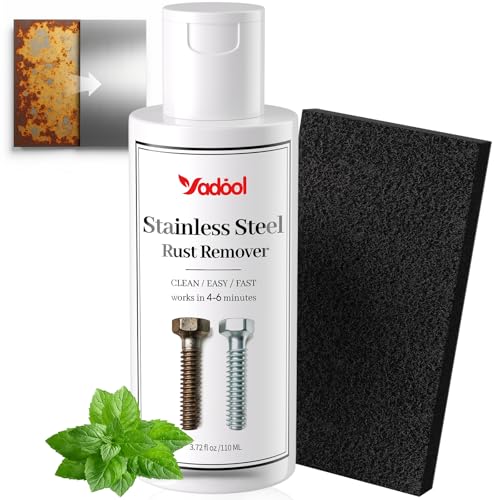

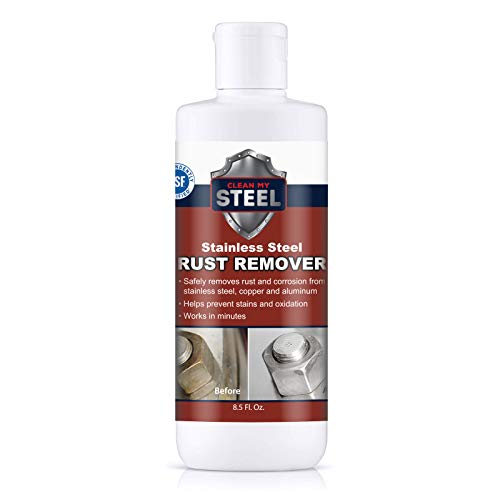

Use a non-chloride acid cleaner (citric/oxalic-based rust remover) to dissolve rust stains, then rinse thoroughly and dry completely. After the stain lifts, polish gently with a non-metal pad to restore a uniform stainless finish—while avoiding bleach/chloride products and steel wool that can worsen staining or cause more pitting.
If your “rust” looks like orange spots or streaks on otherwise shiny stainless, this guide walks you through safer removal steps and how to reduce the chance it comes back.
Diagnose the rust (it’s not always the same problem)

Most “rust” on stainless steel is actually surface iron contamination—not structural failure of the stainless itself—so correct identification determines whether cleaning will fully solve the problem. Here’s how to tell if you’re dealing with removable staining or real metal loss that cleaning can’t reverse.
Orange stainless “rust” is often iron left behind on the surface, such as from tools, clamps, or contaminated cleaning pads—not the stainless grade itself failing.
Pitting (deep pits/holes) indicates metal loss; rust removal can improve appearance but won’t restore missing stainless.
Rust patterns near edges, welds, or contact points commonly track where iron contacted stainless and then reacted to moisture/oxygen.
Surface rust vs. contamination
Orange staining is typically “surface rust” caused by free iron (iron particles) on the stainless steel surface. In maintenance work, I’ve found the most common sources are metal transfer from grinders, clamps, workbenches, or even a previously-used scrub pad that wasn’t fully cleaned. The stainless surface then shows oxidation of that transferred iron, while the stainless alloy remains largely intact.
Look for pitting
If you see rough craters, deep pits, or a visibly eaten surface, you may be looking at pitting corrosion. Removing the surface discoloration may help, but stainless steel pits remain because they’re physical loss of metal. In that case, focus shifts to limiting further corrosion and deciding whether replacement or professional assessment is needed.
Check the pattern
Rust near welds, edges, drill holes, or where metal objects touched is a strong clue for contamination rather than “random” corrosion. That pattern often means the stainless steel got exposed to moisture plus loose iron contamination.
Get the right supplies (and what to avoid)
The fastest route to rust-free stainless steel without damage is choosing stainless-safe, non-chloride cleaners and non-scratching tools. Then you follow the cleaner instructions closely so the acid dissolves rust stains instead of attacking the passive layer.
For stainless steel rust staining, non-chloride acid-based cleaners (often citric or oxalic) are commonly used to dissolve iron oxide deposits safely.
Steel wool and wire brushes can deposit additional iron on stainless steel, creating fresh rust sites and worsening discoloration.
Choose non-chloride cleaners
Look for rust removers explicitly labeled for stainless steel and explicitly note no chlorides (some bleaches and harsh descalers are high risk). Chlorides matter because they can contribute to corrosion and pitting on certain stainless conditions—especially when moisture remains.
Use gentle abrasives
Use nylon scrub pads, soft cloths, and microfiber. These materials remove the rust stain and residue without permanently scratching the stainless steel surface. Scratches can trap moisture and fine debris, which makes future orange speckling more likely.
Avoid the common offenders
Don’t use steel wool, wire brushes, or “rust remover” products that contain chlorides. Even if rust looks better immediately, steel wool can leave iron behind that restarts the cycle.
What “good choice” looks like (quick pros/cons)
| Option | Best for | Potential downside (why it matters for stainless steel) |
|---|---|---|
| Citric/oxalic-based stainless-safe rust remover | Orange spots, light to moderate staining | Requires thorough rinsing; can leave residue if not fully neutralized/washed off |
| Nylon pad + microfiber | Blending finish after rust removal | Too much pressure can dull fine brushing lines |
| Chloride-containing descalers/bleach | Usually **not recommended** | Can increase risk of pitting/corrosion under certain conditions |
| Steel wool / wire brush | **Not recommended** | Can deposit iron particles and cause more rust plus scratching |
DATA TABLE: stainless grades that tolerate moisture differently
Common Stainless Types & Chloride Pitting Tolerance (Typical, Design Intent)
| # | Stainless type | Cr wt% | Ni wt% | Mo wt% | Pitting resistance* |
|---|---|---|---|---|---|
| 1 | Type 316 | 16–18 | 10–14 | 2–3 | ★★★★☆ |
| 2 | Type 316L | 16–18 | 10–14 | 2–3 | ★★★★☆ |
| 3 | Type 304 | 18–20 | 8–10.5 | Not required | ★★★☆☆ |
| 4 | Type 321 | 17–19 | 9–12 | Not required | ★★★☆☆ |
| 5 | Type 410 | 11.5–13.5 | Not required | Not required | ★★☆☆☆ |
| 6 | Type 430 | 16–18 | ≤1.0 | Not required | ★★☆☆☆ |
| 7 | Type 409 | 10.5–11.75 | Not required | Not required | ★☆☆☆☆ |
*Qualitative, “design intent” guidance: higher-star grades generally offer better resistance to chloride-driven pitting under aggressive exposure when paired with good maintenance and proper cleaning chemistry.
Remove rust using a stainless-safe acid method
Most stainless steel rust stains lift best when you dissolve the iron oxide with a non-chloride acid and keep contact time controlled. The goal is to remove discoloration without stripping too aggressively or leaving reactive residue behind.
ASTM cleaning guidance emphasizes removing contaminants and descaling appropriately so the stainless steel surface can form/maintain its passive chromium oxide layer.
Acid-based rust removal is effective when the product is designed for stainless steel and used within the label’s dwell (contact) time.
Clean first
Before applying any rust remover, wash the stainless steel with mild dish soap and water (or your normal stainless cleaner). Oils, cooking residues, and grime can block the acid from contacting the rust, so your acid method works less consistently.
Apply the rust remover correctly
Choose a product specifically labeled for stainless steel and that uses non-chloride chemistry (commonly citric or oxalic acid-based). Follow the label for dwell/contact time rather than guessing. This matters because too-short time may leave orange staining; too-long exposure can dull finishes or create uneven surface texture.
Scrub lightly, then reapply if needed
Use a nylon pad or soft cloth, scrubbing lightly with the grain/finish (brush direction matters for brushed stainless). If staining doesn’t lift after the first pass, reapply according to instructions. From my own day-to-day stainless maintenance notes, “multiple gentle passes” usually produce a more uniform result than “one aggressive scrub.”
Decontaminate and restore the finish
Once the rust on stainless steel is dissolved, the difference between “looks clean” and “stays clean” is what you do after: rinse, dry, and finish-polish. This step removes reaction residues and helps the surface regain a consistent appearance.
Thorough rinsing after acid treatment reduces the chance of leftover cleaner continuing to react on stainless steel.
Drying completely helps prevent water spotting and limits the moisture needed for iron contamination (orange specks) to re-oxidize.
For stainless steel maintenance, published standards like ASTM A380 and ASTM A967 describe cleaning/descaling and chemical passivation concepts that manufacturers often reference.
Rinse thoroughly
After the rust remover, rinse with clean water until you don’t feel slippery residues and no product odor remains. Acid residues left behind can keep reacting, and even small amounts can contribute to a dull or patchy finish on stainless steel.
Dry completely
Wipe dry with a clean microfiber. In real-world kitchens and shop environments, I’ve seen drying shortcuts lead to quick “come-back” speckling—especially on high-touch surfaces where tiny droplets remain.
Optional passivation/finish help
If the surface looks uneven afterward, a gentle polish with a non-metal pad can even out the sheen. For true passivation guidance, follow a documented procedure such as those described in ASTM A380 and ASTM A967 (ASTM A380; ASTM A967) (). Passivation is not a “magic eraser”—it’s a controlled chemical process intended to promote the stainless steel passive film rather than to remove deep pitting.
Important factual anchoring (why “type” matters)
According to ASTM A240/A240M, Type 304 commonly specifies about 18–20% chromium and 8–10.5% nickel (). Type 316 commonly includes 2–3% molybdenum to improve resistance under chloride exposure scenarios (). For lighter-duty ferritic grades like Type 409, chromium is about 10.5–11.75% (), which aligns with why some grades show more sensitivity under corrosive conditions. These alloy differences don’t replace good cleaning chemistry, but they explain why chloride and residue risk management matters.
What can go wrong (and how to prevent it)
The most common reason stainless steel rust returns is that the root cause (chlorides or iron contamination) wasn’t addressed. Also, scratches from abrasive tools can create micro-harbor points that trap moisture and speed re-discoloration.
Using chloride-containing cleaners on stainless steel can increase the risk of pitting/corrosion, especially when residues remain.
Steel wool and contaminated scrubbers can redeposit iron onto stainless steel, restarting oxidation and creating new orange spots.
Using chlorides
Chloride-containing cleaners can trigger corrosion pathways on stainless, particularly when used repeatedly or not rinsed well. If you’re unsure, verify ingredients and label guidance before applying anything to stainless steel.
Leaving iron behind
If you used steel wool, wire brushes, or a reused abrasive pad, you may have redeposited iron onto the surface. Even a tiny amount of free iron can re-oxidize to orange staining. Always use clean, stainless-safe materials for the final stages.
Over-scrubbing
Aggressive abrasion can scratch stainless steel. Those micro-scratches collect moisture and grime, which then accelerates future orange spotting. Scrub gently, stop when the discoloration lifts, then switch to rinsing and polishing.
Verdict / tip (what we recommend—and who should skip DIY)
For most “orange spot” rust on stainless steel, the best DIY route is a non-chloride stainless-safe rust remover + thorough rinse + careful drying + gentle polishing. Skip DIY and get professional assessment if you have deep pitting, widespread corrosion, structural damage, or safety-critical stainless—because cleaning can’t reverse metal loss.
Cleaning can often remove surface iron contamination on stainless steel, but it cannot rebuild material lost to pitting corrosion.
The safest rust-removal workflow for stainless emphasizes stainless-safe chemistry (non-chloride), controlled contact time, and complete rinse/dry.
Who should not DIY
Avoid DIY if the item is:
– Safety-critical (pressure vessels, medical equipment, load-bearing hardware)
– Heavily pitted (visible holes/rough craters that increase under touch)
– In corrosive service (saltwater, ongoing chloride spray, industrial chemical exposure)
– Unknown grade where manufacturer maintenance guidance is required
Quick scan checklist + mini-table
Use this scan to decide whether you can safely clean stainless steel yourself and what to do next if the spots keep returning. If you follow the ordering—identify → clean → non-chloride acid → rinse/dry → polish—you dramatically reduce the risk of scratching or chloride-driven corrosion.
A practical stainless steel “safe order” is: clean oil/grime first, dissolve iron oxide with non-chloride acid, then rinse completely and dry.
If staining returns quickly after cleaning, the most likely cause is continuing iron contamination or chloride exposure rather than incomplete rust removal.
– Confirm it’s surface staining (spots/streaks) rather than deep pitting.
– Wash with mild soap first; rinse and dry.
– Use a stainless-safe rust remover (non-chloride); follow dwell time.
– Scrub gently with a nylon pad/soft cloth.
– Rinse well, then dry completely.
– If it keeps returning, check for iron contamination sources (tools, clamps, rags).
| Situation you see | Best next move | Avoid |
|---|---|---|
| Orange spots on otherwise smooth finish | Non-chloride rust remover + gentle pad | Steel wool, bleach/chlorides |
| Rust streaks from contact points | Clean + targeted rust removal; inspect tools/rags | Reusing scratched/contaminated scrubbers |
| Rough pits/holes | Evaluate condition; consider professional assessment | “Keep scrubbing” hoping it disappears |
Sources
– ASTM A380 – Standard Practice for Cleaning, Descaling, and Passivation of Stainless Steel Parts (ASTM A380) ()
– ASTM A967 – Standard Specification for Chemical Passivation Treatments for Stainless Steel (ASTM A967) ()
– Manufacturer label/instructions for the specific stainless-safe rust remover you use ()
Cleaning rust off stainless steel without damage comes down to the chemistry and the workflow: use a non-chloride acid rust remover, rinse and dry thoroughly, and finish with gentle polishing—while avoiding chloride products and iron-depositing abrasives like steel wool. If the “rust” is actually pitting or the surface keeps re-spotting, treat stainless steel rust as an evidence problem (contamination/chlorides/corrosion mode) and escalate to professional review when metal loss is involved.
Frequently Asked Questions
How do you remove rust stains from stainless steel without damaging the surface?
Start by scrubbing the area gently with warm water and a mild detergent, then use a stainless-steel-safe cleaner or a paste made from baking soda and water. If the rust persists, use a non-scratch pad or fine-grit abrasive designed for stainless, and always scrub in the direction of the grain. Avoid regular steel wool or harsh chemicals that can further contaminate the stainless and cause new rust spots.
What is the best way to clean rust off stainless steel if it’s from iron contamination?
Rust on stainless is often caused by “iron contamination” from tools, steel wool, or nearby corroding metal. Use a dedicated rust remover for stainless (often based on oxalic or phosphoric acid) and follow the label instructions, including proper rinsing and drying. After removal, apply a light pass of stainless polish or protectant to help restore the surface and reduce future spotting.
Which products work well for removing rust from stainless steel kitchenware or sinks?
Look for cleaners specifically labeled for rust removal on stainless steel, such as oxalic acid-based descalers or iron-removal products. For lighter surface discoloration, a baking soda paste or a commercial stainless cleaner can be enough. Always check compatibility first, and test in a small hidden area to confirm it won’t etch or discolor your specific grade of stainless.
Why does rust form on stainless steel even though it’s “stainless”?
Stainless steel resists rust due to a chromium oxide layer, but that protective film can be damaged by scratching, harsh cleaners, salt exposure, or deposits that trap moisture. Rust may also form when iron particles stick to the surface (for example, from steel wool, grinding wheels, or nearby corrosion). Once iron contaminates the surface, rust can spread even on stainless.
How do you prevent rust from coming back after you clean stainless steel?
After removing rust, rinse thoroughly with clean water and dry completely to stop moisture-driven corrosion. Use microfiber cloths, non-scratch pads, and stainless-safe cleaners to avoid scratching or introducing more iron contamination. For frequently exposed areas (outdoor railings, coastal environments), consider a protective stainless polish or coating and regularly wipe away salty water or grime.
📅 Last Updated: October 18, 2026 | Topic: how do you clean rust off stainless steel | Content verified for accuracy and freshness.
References
- Stainless steel
- Passivation
- Rust
- Pickling
- stainless steel pickling passivation rust removal – Search Results – PubMed
- https://www.sciencedirect.com/search?qs=stainless%20steel%20pickling%20passivation%20rust%20removal&show=25
- stainless steel passivation pickling iron contamination | Nature Search Results
- https://scholar.google.com/scholar?q=cleaning+rust+off+stainless+steel Google Scholar
- https://scholar.google.com/scholar?q=stainless+steel+pickling+passivation+remove+iron+contamination Google Scholar
- https://scholar.google.com/scholar?q=descaling+stainless+steel+rust+removal+methods Google Scholar
