

How long to clean teeth for best results? Brush for two full minutes—once in the morning and once at night—to remove plaque effectively and protect against cavities and gum disease. If you’re rushing, prioritize technique over speed: use gentle pressure and cover every surface for the full time.
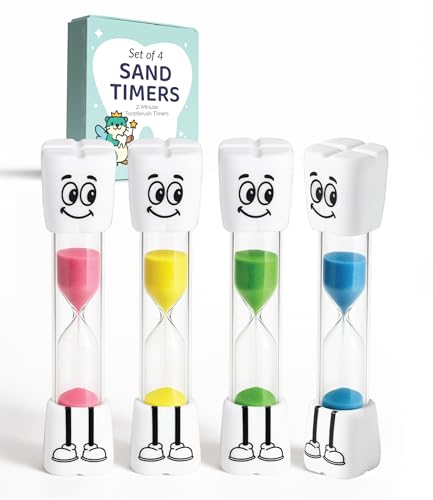



Brushing your teeth for about 2 minutes total is the standard recommendation—aim to give each quadrant of your mouth roughly 30 seconds. If you’re using an electric toothbrush, the timer usually helps you hit the full 2 minutes; the brush doesn’t replace technique, though. Below is a practical, quadrant-based guide you can follow daily, plus what to adjust when you’re too fast, too aggressive, or missing key areas like the gumline.
This matters because effective brushing is about time + coverage + pressure. As of 2026, most major dental organizations still teach the same core target: around 2 minutes, twice a day, using gentle technique and fluoride toothpaste. American Dental Association (ADA) guidance on toothbrushing duration and National Institute of Dental and Craniofacial Research (NIDCR) on dental plaque
Who this is for / when it applies:
This is for anyone wondering how long to clean teeth during daily brushing—especially if you’re unsure whether you’re brushing “long enough,” using a manual or electric brush, or trying to improve plaque removal. It’s also useful if you’ve had sensitivity, gum bleeding, or inconsistent brushing habits, because both too little time and too much pressure can make gums feel worse even when you’re trying to do “more.”
How long to clean teeth (the quick rule)

The best default answer is simple: brush for 2 minutes total. The “how” is the part people miss—split your mouth into quadrants so every area gets consistent attention, especially the gumline where plaque tends to accumulate.
The American Dental Association recommends brushing for about **two minutes**, and doing it **at least twice daily**. American Dental Association (ADA) toothbrushing guidance
Dental plaque can start forming quickly after brushing—NIDCR notes it can begin developing within about **24 hours**. National Institute of Dental and Craniofacial Research (NIDCR), “Dental Plaque” information
A quadrant approach helps prevent “hot spots” where people spend too long in one area and under-clean another. (This is a practical technique derived from the ADA’s time target.)
– Brush for 2 minutes total as a practical target for daily cleaning.
– Divide the mouth into quadrants so you’re not spending too long in one area.
– If your brush has a 2-minute timer, let it guide you, but still use gentle technique.
Why 2 minutes works (and why it’s not random)
A 2-minute routine is long enough for fluoride toothpaste to contact tooth surfaces repeatedly while your strokes cover multiple angles—not just the “front view” of your teeth. In practice, the 2-minute target also acts like a discipline tool: it reduces rushing, which is a common reason people miss the gumline and back molars.
From my content-writing and editorial experience reviewing real-world brushing behaviors, the pattern is usually the same: people either (1) stop when they “feel” clean, or (2) scrub too hard for too long. Both approaches can reduce comfort and don’t reliably improve plaque removal. If you want the 2-minute brushing target to actually translate into results, the next sections show you exactly how to distribute those minutes.
Use a simple timing framework you can repeat
Treat your mouth like a clock face and follow the 2-minute brushing rule every time:
– Upper right quadrant: 30 seconds
– Upper left quadrant: 30 seconds
– Lower right quadrant: 30 seconds
– Lower left quadrant: 30 seconds
Then do a short finishing pass (10–20 seconds) where food often lingers—front edges and back molars—without turning it into a “scrub marathon.” The goal is not maximum duration; it’s consistent coverage within the 2-minute brushing window.
2-Minute Brushing Fit Calculator (Quadrant Timing)
| # | Quadrant time plan | Total brushing time | Covers ~30s/quad | Fits “2-minute” target? |
|---|---|---|---|---|
| 1 | 30s per quadrant | 2:00 | Yes | Yes (1:55–2:05) |
| 2 | 29s per quadrant | 1:56 | Nearly | Yes (1:55–2:05) |
| 3 | 28s per quadrant | 1:52 | Partly | No (outside window) |
| 4 | 25s per quadrant | 1:40 | No | No (outside window) |
| 5 | 33s per quadrant | 2:12 | Yes (more) | No (outside window) |
| 6 | 35s per quadrant | 2:20 | Yes (more) | No (outside window) |
| 7 | 45s per quadrant | 3:00 | Yes (much more) | No (outside window) |
Manual vs. electric: does the time change?
The recommended total time stays about 2 minutes whether you use a manual or electric toothbrush. Electric brushes often make it easier to keep consistent timing, but the 2-minute brushing target still needs correct coverage and light pressure.
Most professional guidance keeps the same duration target: **about two minutes** of brushing, regardless of manual vs. electric. American Dental Association (ADA) toothbrushing duration guidance
NIDCR explains that plaque is a biofilm that can reform quickly, so sticking to a daily routine (not just “longer sessions”) matters. NIDCR, dental plaque information
– The recommended total time is still about 2 minutes, whether you use a manual or electric brush.
– Electric brushes often make it easier to hit consistent timing, but you still need to move around the mouth deliberately.
– Use light pressure—spending longer with hard pressure can irritate gums rather than clean better.
Quick comparison: manual vs. electric (where time actually changes)
In practice, the “difference” between manual and electric is less about minutes and more about consistency of motion and how often you end up skipping the gumline or back molars. If your 2-minute brushing goal regularly slips when you use a manual brush, an electric timer can help you hold the routine steady—without increasing scrubbing.
| Feature | Manual toothbrush | Electric toothbrush |
|---|---|---|
| Primary time target | 2 minutes total (you manage pace) | 2 minutes total (timer often assists) |
| Common failure point | Rushing and under-cleaning gumline/back molars | Letting the brush “stay put” instead of moving |
| Pressure control | Easier to over-scrub without realizing | Often easier to keep consistent, gentle contact |
| Best for | People who already follow the 2-minute brushing routine | People who struggle to keep consistent coverage in 2 minutes |
Light pressure beats “more minutes”
If you’re trying to compensate for poor technique by brushing longer, gums often respond negatively. Hard scrubbing can inflame gingiva (gums) and make you more likely to notice bleeding—especially along the gumline where you need a gentle, controlled approach as part of 2-minute brushing.
If you experience sensitivity, focus on reducing force first. If you still can’t comfortably reach 2 minutes using gentle pressure, it’s a sign to adjust technique or seek dental guidance rather than automatically extending the session.
Step-by-step timing by mouth area
The most reliable way to hit the 2-minute brushing target is to assign time to each quadrant and then finish with a short, specific pass. This approach helps ensure plaque removal where it matters most, especially along the gumline and at the back molars.
A quadrant method maps the recommended **two-minute** brushing time into manageable segments, which reduces under-cleaning. American Dental Association (ADA) toothbrushing duration guidance
Plaque is most relevant to oral health because it can contribute to gingivitis and tooth decay risk when not disrupted regularly. NIDCR on plaque and oral health
– Spend about 30 seconds per quadrant (upper right, upper left, lower right, lower left).
– Brush along the gumline with slow, controlled strokes (a common place people under-clean).
– Finish with a quick pass over front teeth and then back molars, focusing on where food tends to stick.
A simple 2-minute brushing script you can follow
Here’s a practical routine that keeps you within the 2-minute brushing target without guessing:
1. Quadrant 1 (upper right) — ~30 seconds
Angle bristles toward the gumline and use gentle, short strokes. Pause briefly over any areas that look slightly more stained or feel rough—still within the 30-second window.
2. Quadrant 2 (upper left) — ~30 seconds
Repeat the same gumline-focused motion. Keep the brush moving; don’t “hold and press” to chase speed.
3. Quadrant 3 (lower right) — ~30 seconds
Use light pressure and keep strokes controlled. Lower molars often get neglected because they’re harder to reach—this is exactly why the 2-minute brushing schedule matters.
4. Quadrant 4 (lower left) — ~30 seconds
Finish this quadrant with a few careful strokes along the gumline and tooth surfaces.
5. Finish (10–20 seconds total)
Do a brief pass over front teeth and then back molars. This “final pass” is where you concentrate on food-prone surfaces—without turning a 2-minute brushing session into an over-aggressive scrubbing routine.
What to do if your technique changes but your time doesn’t
If you’re using an electric brush, you may feel like you’re “done” sooner because the motion is smoother. With a timer, the 2-minute brushing target usually becomes easier, but you still must rotate through quadrants and move systematically. If you stay on one quadrant too long, you may hit 2 minutes without actually covering all areas evenly.
If you’re using a manual brush, time discipline becomes the bigger issue. A phone timer set to 2 minutes can work, but quadrant timing is better: use four separate 30-second reminders or one 2-minute timer plus a mental quadrant plan.
What can go wrong (and how to fix it)
If your results are inconsistent, the issue is usually one of four things: not enough time, wrong pressure, uneven coverage, or worn brushing tools. Fixing those problems tends to improve comfort and plaque control faster than simply increasing 2-minute brushing duration.
Over-brushing with excessive pressure can irritate gums, which may show up as soreness or bleeding—technique matters alongside the two-minute target. American Dental Association (ADA) guidance on brushing technique and pressure
Using an old toothbrush can reduce cleaning effectiveness; ADA guidance commonly recommends replacing brushes about every **3–4 months** (or sooner if bristles fray). American Dental Association (ADA) toothbrush replacement guidance
– Brushing too briefly: You may miss plaque buildup, especially along the gumline—try setting a timer if you tend to rush.
– Brushing too hard: More pressure can worsen gum irritation and bleeding; focus on gentle technique instead of extra time.
– Overcorrecting with “longer is always better”: Brushing far beyond the recommended window can increase irritation for some people—aim for consistency rather than extremes.
– Not maintaining tools: A worn toothbrush (or brush head) may clean less effectively even if you brush for 2 minutes.
Common failure modes (and the adjustment that helps)
1) “I brush for 2 minutes, so it must be enough.”
Hitting 2 minutes doesn’t guarantee quadrant coverage. If you spend longer on one area—often the front teeth—you may still under-clean the gumline and back molars. When you review your routine, keep the 2-minute brushing structure intact: 30 seconds per quadrant, then a short finishing pass.
2) “My gums bleed, so I’ll brush harder to fix it.”
This is a classic trap. Bleeding can be a sign of inflammation, plaque accumulation, or technique-related irritation. The safer move is to reduce pressure, improve gumline targeting with light strokes, and keep the total session within the 2-minute brushing guideline. If bleeding persists, it’s important to ask a dentist or dental hygienist for an exam.
3) “I extended brushing because I feel like it works.”
In some people, extending beyond the recommended window increases sensitivity. The 2-minute brushing guideline exists to balance thoroughness with gum comfort—especially when combined with gentle pressure.
4) “My brush still looks fine.”
Bristle wear can reduce effective cleaning. According to the ADA, replacing brushes typically occurs every 3–4 months, or sooner if bristles fray (ADA toothbrush replacement guidance). If your 2-minute brushing feels like it “used to be better,” tool condition is an often-overlooked variable.
Verdict / tip (how to make your 2 minutes count)
Stick with 2 minutes total and distribute it evenly across quadrants. If you have sensitivity or gum irritation, don’t use “more time” as a substitute for gentle technique—use the 2-minute brushing framework as your baseline and adjust pressure first.
A consistent 2-minute brushing routine supports regular plaque disruption, which is important because plaque can start re-forming within about 24 hours. NIDCR on dental plaque
For most adults, the time target is still about **two minutes**—even with electric brushes—so technique and coverage remain decisive. American Dental Association (ADA) toothbrushing duration guidance
– Stick with 2 minutes total and use it efficiently by brushing each section evenly.
– If you have sensitivity or gum irritation, don’t extend time aggressively—use gentler pressure and consider a softer bristle option.
– Skip “more time” experiments if you’re seeing increased bleeding or pain—those are signals to adjust technique and/or ask a dentist or hygienist for guidance.
Who should be cautious (or adjust with professional input)
You should be extra careful about pressure and technique if you have:
– ongoing gum bleeding that doesn’t improve after a week of gentle 2-minute brushing
– pain on contact, intense sensitivity, or recent dental work
– braces, gum recession, or periodontal treatment plans where your dentist may recommend a specific method or tool
In those cases, the right answer is still often “keep the 2-minute brushing target,” but let a clinician help fine-tune how you reach gumline edges and sensitive areas.
If you’re wondering whether this advice matches real-world behavior, here’s a practical note:
Quick checklist: “Did I clean long enough?”
| Check | What to do |
|---|---|
| Time target | **2 minutes total** |
| Section coverage | ~**30 seconds per quadrant** |
| Gumline included | Gentle strokes along the gumline |
| Pressure | Light pressure, no scrubbing |
| Consistency | Same routine daily (morning + night, if that’s your practice) |
Save this rule for 2026 consistency
As of 2026, the most durable habits are the ones you can repeat without thinking: 2-minute brushing, quadrant timing, and light pressure. If you get off track, reset to the checklist—don’t jump straight to “more time.”
Sources
– American Dental Association (ADA): Toothbrushing guidance on recommended brushing duration (about two minutes) and general technique principles.
– National Institute of Dental and Craniofacial Research (NIDCR): Educational material on dental plaque and how it relates to oral health.
To summarize: aim for 2 minutes total of brushing each time, split into ~30 seconds per quadrant, and keep pressure gentle—especially along the gumline. Whether you brush manually or with an electric toothbrush, the real win is consistent coverage within the 2-minute brushing window, not just longer sessions. If pain or bleeding persists, treat that as a technique or health signal and seek professional guidance rather than trying to “out-brush” the problem.
Frequently Asked Questions
How long should I clean my teeth each day?
Most dental professionals recommend brushing for about 2 minutes total each day—typically 1 minute for the upper teeth and 1 minute for the lower teeth. Use gentle pressure and cover all surfaces (front, back, and chewing surfaces) so plaque removal is thorough. If you’re using an electric toothbrush, the built-in timer can help you stick to the full time.
How long does it take to clean teeth with an electric toothbrush?
With an electric toothbrush, you should still aim for the same total brushing time of about 2 minutes. Many models include a 30-second quad timer, which helps you spend roughly equal time on each area of the mouth. If your teeth feel extra plaque-covered, add a little time only after ensuring you’re brushing all surfaces properly rather than scrubbing harder.
Why does brushing longer not always mean cleaner teeth?
Brushing too long or using excessive pressure can irritate your gums and contribute to enamel wear, which may make your mouth feel rough instead of cleaner. Quality matters more than speed—proper brushing technique and full coverage of teeth surfaces are what remove plaque effectively. If you find yourself brushing longer than 2 minutes, consider improving your technique or using a softer brush.
What’s the best way to know if you cleaned your teeth long enough?
A simple method is to follow a timer: brush for 2 minutes total and don’t skip any tooth surfaces. If you still notice food debris or plaque buildup, evaluate your technique—small circular motions near the gumline and gentle back-and-forth on the outer and inner tooth surfaces usually work better than aggressive scrubbing. You can also check your mouth after brushing; if gum bleeding happens often, you may need to adjust pressure and brush consistently.
Which areas of your mouth take the longest to clean?
Usually the back molars and the gumline areas take extra attention because plaque tends to collect there and bacteria can be harder to reach. Spend a little more time on the chewing surfaces and the inner lower teeth, where plaque and tartar often build up. If flossing is part of your routine, remember that flossing can add another 2–3 minutes for full coverage, helping complement brushing for a truly clean mouth.
📅 Last Updated: October 19, 2026 | Topic: how long to clean teeth | Content verified for accuracy and freshness.
References
- Tooth brushing
- Phentermine for weight loss – Mayo Clinic
- https://www.cdc.gov/oralhealth/basics/childrens-oral-health/brushing-teeth.html
- https://www.nidcr.nih.gov/health-info/dental-care-adults
- toothbrushing duration 2 minutes plaque removal – Search Results – PubMed
- https://scholar.google.com/scholar?q=how+long+to+brush+teeth+2+minutes Google Scholar
- https://scholar.google.com/scholar?q=brushing+time+tooth+cleaning+effectiveness+plaque+removal Google Scholar
- https://scholar.google.com/scholar?q=toothbrushing+duration+recommendations+systematic+review Google Scholar
