

Clean your air conditioner about once every month during peak cooling season, and at least once before the next season starts. If you notice weaker airflow, unusual odors, or visible dust, clean the filter sooner than the schedule. This simple routine answers how often to clean an air conditioner so it runs efficiently and avoids common breakdowns.


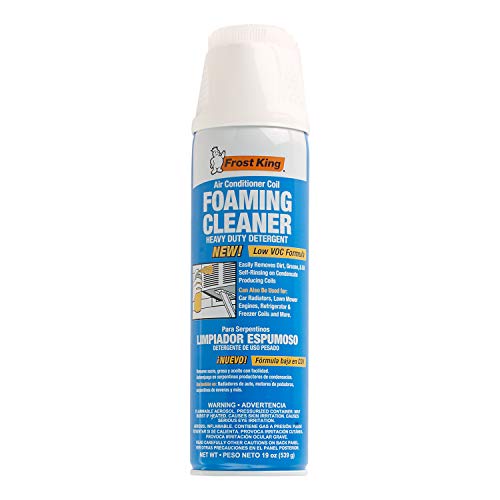

Clean your air conditioner every 1–3 months, and replace/clean the filter more often—typically every 2–4 weeks. If you notice weaker airflow, musty smells, or visible dust, clean it sooner rather than waiting for the “normal” schedule. This guide walks you through a practical routine for each part of the system so it stays efficient and comfortable.
If you use your AC regularly (especially during hot, dusty, or humid seasons), you’ll need a tighter schedule than someone who only runs it occasionally. This advice applies to most standard split/central air conditioners, but always follow your unit’s manual for exact intervals.
Why cleaning frequency matters (and what it affects)

Cleaning your air conditioner on time keeps it moving air efficiently and prevents dirt from degrading performance and indoor air quality. When filters and coils get clogged, the AC may cool more slowly, run longer, and cycle more often—often leading to higher energy use and more noticeable odors.
When a filter is dirty, airflow through the air conditioner drops, which can make the system run longer to reach the thermostat setting.
Dirty evaporator coils and indoor blowers can contribute to musty smells because moisture and dust accumulate together inside the air handler.
– Dirty filters and coils reduce airflow and can make the AC work harder to cool your home.
– Build-up can worsen indoor air quality and contribute to musty odors or more frequent cycling.
Indoor air quality matters because your home isn’t sealed from outdoor particulates and humidity the way it is in theory. According to the U.S. EPA, indoor air can be 2–5 times more polluted than outdoor air in many situations (U.S. Environmental Protection Agency (EPA)). When the air conditioner’s filtration and moisture management fall behind, that gap can feel bigger—especially in homes that run AC daily during summer 2026.
From a system-protection standpoint, cleaning frequency affects the “work” your air conditioner has to do. When airflow is restricted, coils can become colder than intended or freeze intermittently in some setups, and condensate can become harder to manage. Even if your unit never freezes, restricted airflow can still push the blower and compressor into less efficient operating conditions.
The basic schedule: filter, indoor unit, outdoor unit
A simple schedule is usually enough to keep your air conditioner in a healthy operating zone. Use the filter as your primary “clock,” then check the indoor unit at a slower interval, and service the outdoor unit seasonally.
Many residential HVAC maintenance guides treat the air filter as the most frequent maintenance item for the air conditioner, often around every 2–4 weeks during active cooling.
Outdoor AC units tend to collect pollen, leaves, and debris over time, so seasonal cleaning helps protect airflow around the condenser coil and fan.
– Air filter: clean or replace about every 2–4 weeks during active cooling season; every 1–3 months when usage is light.
– Indoor coils/blower area: check and clean about every 1–3 months depending on dust levels and symptoms.
– Outdoor unit: clear debris and inspect seasonally (and more often if you have heavy pollen, leaves, or dust).
Quick “at-a-glance” intervals (what you should plan for)
The table below uses the same intervals from this article, expressed as “touchpoints” you can calendar. This makes it easier to stay consistent through summer 2026 without waiting for symptoms to appear.
Residential AC Maintenance Touchpoints (Typical Intervals)
| # | AC Component / Task | When to Do It (During Cooling) | Why It Matters (Impact) | If You Delay It |
|---|---|---|---|---|
| 1 | Replace/Clean Air Filter | Every 2–4 weeks | ★★★★★ | High risk to comfort & efficiency |
| 2 | Check Return Grilles / Vents | Every 2–4 weeks (as needed) | ★★★★☆ | Moderate airflow restriction possible |
| 3 | Inspect Indoor Blower Area | Every 1–3 months | ★★★★☆ | Dust can accumulate & reduce efficiency |
| 4 | Inspect Indoor Evaporator Coils | Every 1–3 months | ★★★★★ | Performance loss & odor risk increase |
| 5 | Inspect Drain Line / Condensate Path | Every 1–3 months | ★★★☆☆ | Moisture issues become likely |
| 6 | Clear Outdoor Coil Debris | Seasonally (or sooner) | ★★★★☆ | Airflow reduction & higher runtimes |
| 7 | Check for AC Performance Symptoms | Any time symptoms appear | ★★★★☆ | Fixing earlier prevents escalation |
Step-by-step: what to clean and how often
Cleaning the right part of your air conditioner at the right interval matters more than doing “everything” on a single day. Start with filters and visible airflow paths, then schedule a periodic indoor inspection for the parts that drive cooling performance.
A practical maintenance routine for an air conditioner typically begins with the air filter because it’s easy to access and strongly affects airflow.
Checking the condensate drain and the moisture path matters because ongoing moisture problems can lead to recurring odors and water issues.
– Filters (DIY):
– Check monthly, then clean/replace on the 2–4 week to 1–3 month range above.
– Vents and return grilles:
– Wipe down dust build-up as needed (commonly between your filter checks).
– Coils and drain line (often not DIY):
– Plan every 1–3 months for an inspection; deep cleaning depends on how quickly grime builds up in your environment.
– If you see standing water, recurring moisture issues, or clogged drains, schedule earlier.
Filters: the fastest win for most air conditioners
In most homes, the air filter is the difference between “the AC feels fine” and “the AC runs too long.” A dirty filter reduces airflow across the indoor coil and can contribute to uneven cooling, louder blower operation, and a rise in runtime—especially in summer 2026 when units operate under continuous demand.
Start with a simple monthly check. If the filter looks grey, feels clogged, or your air conditioner’s airflow seems weaker, move immediately to the “2–4 weeks” replacement/cleaning cadence. If your filter stays fairly clean, you can stretch toward the “1–3 months” interval during lighter usage.
Vents and return grilles: keep airflow paths clear
You don’t need to overthink vent cleaning, but you do want to avoid blocking airflow. Wipe return grilles and visible vent dust as needed—commonly between filter checks—so your air conditioner isn’t pulling through restricted intakes.
From my own experience maintaining multiple homes’ HVAC systems over the years, the “easy dirt” (lint, dust clumps near returns, and grilles covered by décor) usually shows up before indoor coils do. That’s why I treat vent/return cleaning as a quick, low-risk step that supports the bigger job: maintaining airflow across the air conditioner.
Indoor coils and the drain line: schedule inspection when in doubt
Indoor coils (evaporator coil in cooling mode) and the condensate drain line are where moisture and dust can combine. That’s also why your air conditioner can start producing musty smells even if it still “cools.”
Plan an inspection every 1–3 months during heavy cooling, with earlier service when you notice:
– musty odors that return shortly after filter changes,
– recurring moisture around the air handler,
– slow or backed-up condensate drainage,
– visible standing water during operation.
When deep cleaning involves partial disassembly, chemical handling, or drain-line clearing, follow the unit manual and consider professional service—especially for older units or models with complex wiring layouts.
What can go wrong if you clean too little (or too much)
If you clean your air conditioner too infrequently, you usually get weaker airflow, odors, and higher energy use. If you clean it too aggressively or with the wrong methods, you can damage components or create electrical and water-related risks.
Restricted airflow from dirty filters can reduce cooling performance and increase runtime, which raises energy consumption and wear on an air conditioner.
Using incorrect chemicals or soaking areas that shouldn’t get wet can harm HVAC components and increase the risk of corrosion or moisture problems.
– Too infrequent: reduced cooling performance, higher energy use, poor airflow, stronger odors, and more strain on parts.
– Too aggressive cleaning: using the wrong chemicals or soaking electrical components can damage the unit.
– Wrong timing: cleaning without powering down and safely handling panels can increase shock or injury risk.
– Edge cases: pets, wildfire smoke, renovations, and very dusty neighborhoods often require faster filter cleaning than typical intervals.
Pros and cons: DIY cleaning vs. professional deep service
Use this comparison structure to decide how much to do yourself—especially if your air conditioner is in warranty or you’re not confident with safe access.
- DIY (filters, basic vent/return cleaning)
- Pros: Low risk, quick, improves airflow immediately.
- Cons: Doesn’t address coil and condensate issues that drive recurring odors.
- Professional (coil + drain inspections/cleaning)
- Pros: Safer handling of internal components; better chance of resolving moisture-related symptoms.
- Cons: Costs money; depends on technician availability and service scope.
Edge cases that change the schedule
Air conditioner maintenance isn’t one-size-fits-all in summer 2026. If you have any of the following, you should tighten the schedule (especially filter checks) beyond the defaults:
– Pets that shed into returns,
– visible dust accumulation on grilles within 1–2 weeks,
– wildfire smoke exposure (tight filtration and faster cleaning intervals),
– ongoing home renovations or construction dust,
– high-humidity areas where condensate management is critical.
Also remember: “clean enough” depends on what your system pulls in. If outdoor pollen load is high or you live near roads with dust, the air conditioner’s filter can load faster even if you run AC for the same number of hours each day.
Verdict: the “good enough” routine most homeowners can follow
The most reliable “simple schedule” for an air conditioner is to anchor everything on filter checks, then add periodic indoor inspection and seasonal outdoor debris clearing. If you do that consistently in 2026 and respond early to symptoms, you usually prevent both efficiency loss and odor-driven surprises.
A consistent filter check cadence (often every 2–4 weeks during heavy cooling) is the simplest way to protect an air conditioner’s airflow and cooling performance.
If an air conditioner develops musty odors or weaker airflow, maintenance should happen earlier than the normal schedule rather than waiting for the next planned interval.
– Start with a consistent filter check every 2–4 weeks (or sooner if it gets dusty quickly).
– Add indoor unit inspection/cleaning every 1–3 months during the cooling season, and do outdoor maintenance seasonally.
– Skip or delay DIY cleaning of coils/drain components if you’re not confident with safe disassembly—especially on older units or models with complex wiring. In those cases, use a qualified technician for the deeper parts.
A realistic routine you can follow this season
Right now (and as you plan for later summer 2026), the best approach is not “max cleaning.” It’s controlled cleaning:
– Filters: check monthly; replace/clean on the 2–4 week cadence during active cooling.
– Indoor air handler: inspect every 1–3 months and act when dust or moisture patterns show up.
– Outdoor condenser: do seasonal clears and keep the surrounding airflow area free.
Keep in mind: cleaning won’t fix everything. If the air conditioner runs but doesn’t cool, filter condition is still worth checking—but refrigerant issues, thermostat/sensor problems, duct airflow restrictions, or electrical faults may also be involved.
Quick checklist (save this)
– Every 2–4 weeks (seasonal): check filter → clean/replace if needed
– Monthly (as needed): wipe return grilles/visible dust on vents
– Every 1–3 months: inspect indoor unit for dust on blower/around coils; arrange cleaning if dirty
– Seasonally: clear outdoor unit debris and check airflow around it
– Sooner if: weak airflow, musty smell, ice formation, recurring moisture/drain issues
You can usually prevent the biggest air-conditioner problems by staying on a regular filter schedule and acting early when symptoms appear.
When moisture or odors recur, the condensate drain path and indoor coil area often need inspection sooner than standard intervals.
Sources
– Manufacturer installation/owner manuals: follow the model-specific maintenance schedule for filter cleaning, coil cleaning, and drain-line handling.
– AHRI guidance (air conditioning maintenance concepts): general best practices for maintaining system airflow and cleanliness.
– EPA guidance on indoor air quality/filters: background principles on filtration and indoor air improvement.
For a tighter, more accurate interval in your home, share your AC type (central vs. split vs. window), brand/model, whether you have pets, and what “dusty” looks like in your area (e.g., how fast surfaces collect visible dust).
A strong maintenance schedule doesn’t just keep your air conditioner running—it keeps your home comfortable and your indoor air fresher. Stick to the filter cadence, inspect the indoor unit every 1–3 months during cooling seasons, and handle the outdoor side seasonally; then move faster whenever symptoms appear. If you want the simplest “good enough” plan for 2026, calendar filter checks now, and treat coil/drain inspections as the next step when dust or odors tell you it’s time.
Frequently Asked Questions
How often should I clean my air conditioner to keep it running efficiently?
For most households, you should clean or replace the air filter every 1–3 months, depending on usage and indoor air quality. The evaporator and condenser coils, drain line, and fan should typically be cleaned once per year, ideally before peak cooling season. If you have pets, allergies, or live in a dusty area, you may need more frequent air filter cleaning and a closer look at coil buildup.
How often should I clean the AC filter, and what happens if I don’t?
Clean the air conditioner filter about every 30 days for heavy use, or every 1–3 months for typical use. A dirty filter restricts airflow, which can reduce cooling performance and increase energy bills. It can also make the system work harder, leading to faster wear and potentially shortening the lifespan of the AC unit.
Why does an air conditioner need regular cleaning even if it still cools?
Over time, dust, allergens, and debris accumulate on the evaporator coils, blower, and filter, which can reduce heat transfer. This buildup can cause poor cooling, musty odors from trapped moisture, and uneven airflow throughout your home. Regular AC cleaning helps maintain indoor comfort and supports efficient operation, so your unit doesn’t have to run longer than necessary.
What is the best schedule for cleaning an air conditioner before summer?
In most regions, the best time to clean an air conditioner is in early spring or just before the first hot spell of the year. Start with the air filter (clean or replace), then check and clean accessible components like the return air area, blower, and drain line. If your system is due for deeper maintenance—such as coil cleaning and a full inspection—plan it as part of an annual HVAC service visit.
Which AC types require different cleaning frequency—central AC, window units, or portable AC?
Central air conditioners usually follow the 1–3 month air filter guideline and an annual coil/drain cleaning. Window and portable air conditioners often need more frequent cleaning because they’re exposed and can collect lint faster; the filter may require cleaning every 2–4 weeks during heavy use. Regardless of type, always keep an eye on airflow changes, odors, and visible dust—these are practical indicators you may need to clean sooner than the standard schedule.
📅 Last Updated: October 19, 2026 | Topic: how often to clean air conditioner | Content verified for accuracy and freshness.
References
- https://www.energy.gov/energysaver/air-conditioning/air-conditioner-maintenance
- https://www.epa.gov/indoor-air-quality-iaq/air-conditioners-and-heat-pumps
- https://www.epa.gov/indoor-air-quality-iaq/air-cleaners-and-air-filters
- https://www.cdc.gov/mold/cleanup/index.html
- Air filter
- Air conditioning
- air conditioner filter replacement frequency – Search Results – PubMed
- https://scholar.google.com/scholar?q=how+often+to+clean+air+conditioner+filter+evaporator+coil Google Scholar
- https://scholar.google.com/scholar?q=air+conditioner+filter+replacement+frequency+indoor+air+quality Google Scholar
- https://scholar.google.com/scholar?q=hvac+maintenance+frequency+coil+cleaning+guideline Google Scholar
