

Learn how to clean a butcher block countertop without removing the polish—so your surface stays smooth, protected, and ready for everyday use. The key is using gentle, polish-safe cleaners and the right drying method to lift grime without stripping the finish. Follow these steps and you’ll know exactly what to do after spills, food prep, and routine daily messes.



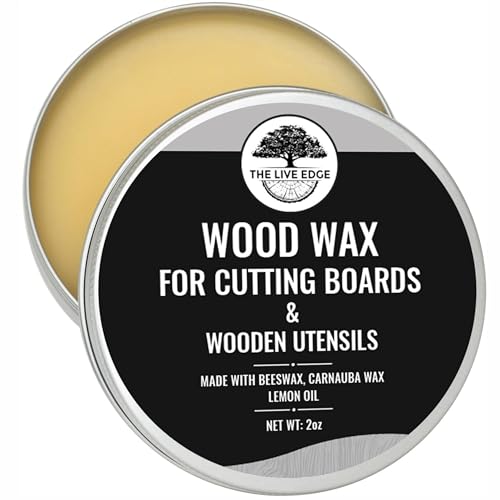
A polished butcher block stays clean when you use gentle, pH-neutral cleaning, avoid soaking, and dry immediately after wiping. For everyday messes, that means wiping with a damp (not wet) soft cloth, spot-cleaning stains with mild soap or a wood-safe cleaner made for your finish, and keeping abrasive tools and harsh chemicals off the surface.
This is for anyone with a butcher block countertop that’s already polished (waxed, oiled, or sealed) and wants it clean without turning the surface patchy, cloudy, or uneven. It’s especially useful when you notice everyday messes—like food residue, water spots, or light grease—without wanting to re-polish the whole counter.
Prep First: What to Avoid So the Polish Stays Put

The fastest way to preserve butcher block polish is to prevent the two finish killers: excess moisture and abrasive chemistry/mechanics. Before you clean, adjust your approach so the polish remains intact rather than softened, lifted, or microscratched—in 2026, that “less liquid + gentler contact” method is still the most reliable baseline.
Finish-maintaining care focuses on minimizing water exposure because many oil/wax/film finishes can swell, soften, or haze when left wet or allowed to dry unevenly.
Abrasive pads and harsh cleaners increase the risk of micro-scratches, which can make a polished butcher block appear dull even if the surface isn’t fully stripped.
What “avoid” looks like in practice (and why)
– Don’t soak the countertop or leave standing water—extra moisture is a common finish-stripper. Even if the wood is protected, prolonged wet contact can penetrate at seams and end grain.
– Skip harsh cleaners (bleach, strong degreasers, ammonia) and abrasive pads that can wear down the polish. Strong oxidizers and alkaline/solvent-heavy products can attack or lift components of many common finishes.
– Use only soft cloths or non-scratch sponges to prevent micro-scratches that dull the finish over time. Once you’ve created haze via abrasion, you usually end up reconditioning or refinishing to even it out.
Finish-preserving note: If your butcher block polish is waxed or oiled, the finish layer may be more “surface” than “structural,” so aggressive cleaning doesn’t just remove dirt—it can remove the protective chemistry you’re trying to keep.
A quick “risk by cleaner” reference (finish preservation score)
Polish-Preservation Score by Cleaning Approach (Typical)
| # | Cleaning method | Typical pH | Polish-preservation rating | Best fit |
|---|---|---|---|---|
| 1 | Distilled water wipe | ~7 | ★★★★★ | Light daily residue |
| 2 | Warm water + mild dish soap (diluted) | ~6–8 | ★★★★☆ | Light grease/film |
| 3 | Finish-compatible wood cleaner | Typically neutral | ★★★★☆ | Stains within routine care |
| 4 | Waterless wipe (dry microfiber) | N/A | ★★★★★ | Crumbs only |
| 5 | Vinegar solution (diluted) | ~2–3 | ★★☆☆☆ | Use only if manufacturer approves |
| 6 | Household bleach (sodium hypochlorite) | ~11–13 | ★☆☆☆☆ | Avoid on polished wood |
| 7 | Abrasive pads/scrapers | N/A | ★☆☆☆☆ | Avoid to prevent haze |
Note: Cleaner pH and compatibility vary by product; always defer to your countertop’s finish/manufacturer care instructions. In this article, “finish-compatible” means cleaners and reconditioners that the finish manufacturer indicates are safe for that exact coating system.
Daily Cleaning Method (Fast, Gentle, and Low-Removal)
The best daily routine for a polished butcher block countertop is quick wiping with a cloth that’s only lightly damp—never soaking. Keep it consistent: remove crumbs dry, wipe gently with warm water (and dilute mild soap only when needed), then dry right away to prevent haze or dulling.
According to the USDA Forest Products Laboratory’s wood finishing guidance, uneven moisture exposure can lead to visible changes on finished wood surfaces.
Wood care best practices commonly advise using minimal water and drying promptly to reduce finish disruption and prevent cloudy marks.
Step-by-step: clean in minutes
– Wipe crumbs and loose debris with a dry cloth first, then follow with a cloth lightly dampened with warm water. This removes grit that can scratch while you wipe.
– Clean with a small amount of mild dish soap diluted in water only if needed, then wipe again with a clean damp cloth. Use soap as a targeted aid for grease films, not as your default.
– Dry thoroughly right away (especially around seams and edges) to prevent water haze or finish breakdown. Seams and end grain wick moisture more aggressively.
Keep your “damp cloth” truly damp
A “lightly damp” cloth means you can wipe and see residue transfer, but you’re not leaving puddles or streaming water. If you’re using a spray bottle, mist onto the cloth—not directly onto the countertop—so the finish isn’t exposed to concentrated liquid for longer than necessary.
Polished butcher block countertop reminder: The polish layer on a butcher block countertop is meant to handle light wipe-downs, not prolonged wet dwell time.
A few measurable anchors (why pH matters)
To protect a polished butcher block countertop, you avoid cleaners that are strongly acidic or strongly alkaline. For example, according to typical product characterization in chemical references/SDS documentation, vinegar is commonly around pH ~2–3, while household bleach is commonly around pH ~11–13 (varies by concentration and product). .
That pH gap matters because many finishes and wax/oil emulsions are sensitive to chemistry that’s too acidic or too alkaline.
Spot-Cleaning Grease, Stains, and Stuck-On Food
For localized messes, the goal is lift-and-dry: treat the spot with minimal liquid, wipe gently, then dry immediately. You can clean grease, sticky spots, and light staining without stripping polish when you apply cleaner to the cloth and avoid aggressive scrubbing.
For finished wood, gentler cloth-based cleaning reduces the likelihood of micro-abrasion that can dull the sheen of a polished surface.
Spot cleaning is typically more finish-friendly than full-surface soaking because it limits moisture exposure to the affected area.
How to handle common spots
– For light grease: apply a tiny amount of mild soap solution to the cloth (not directly on the wood), then wipe and dry.
– For sticky spots: use warm water on a cloth and gently work the area; avoid scrubbing hard in one direction.
– If a spot won’t lift: use a wood-safe cleaner designed for the specific finish you have—don’t “guess” with polish-removers.
Comparison: what works best without sacrificing polish
| Feature | Mild soap (diluted) | Water-only wipe | Finish-compatible wood cleaner |
|---|---|---|---|
| Moisture exposure | Low (targeted) | Lowest | Low–moderate (per label) |
| Grease effectiveness | High | Medium | High |
| Risk of dulling | Low | Lowest | Low (if compatible) |
| Ease of use | Very easy | Very easy | Easy (label-driven) |
| Residue risk | Moderate (rinse-wipe recommended) | Low | Low–moderate (label-driven) |
| Best for | Greasy films, smudges | Crumbs + light spots | Stains within polish-safe care |
| Requires immediate drying | Yes | Yes | Yes (or per label) |
| Compatibility dependency | Medium (mild soap only) | Low | High (use the right product) |
| Water spots prevention | Good if you dry fast | Good if you dry fast | Good if you follow directions |
| When it stops working | Deep stains/embedded grime | Grease-heavy messes | Failing finish or heavy wear |
| Best For | Quick grease cleanup | Routine spot wipe-downs | Stains when polish stays intact |
Finish compatibility matters more than “wood-safe” claims
“Wood-safe” marketing doesn’t always mean “safe for your existing polish system.” If your countertop is waxed vs. oiled vs. sealed, choose cleaners and reconditioners accordingly. If you’re unsure, start with water-only wiping first—then move to mild soap only if needed.
Drying + Restoring Without Stripping: The Finish-Safe Routine
To keep a polished butcher block countertop looking even, drying comes first and reconditioning comes second. Clean spots using minimal moisture, then dry immediately; if the surface looks slightly dry later (not damaged), recondition with a product that matches your finish system.
Drying promptly reduces the chance of dull, cloudy marks caused by uneven moisture evaporation on finished wood.
Reconditioning should be compatible with the existing finish; using an incompatible product can soften or disturb the current polish layer.
A simple finish-safe workflow
– Dry immediately, then let the countertop air out briefly so trapped moisture can escape from pores.
– If the surface looks slightly dry (but not damaged), recondition using a finish-compatible approach such as .
– Use minimal product—too much can smear, attract dust, or leave a tacky surface that pulls dirt back in.
Restore without “over-treating”
Reconditioning is where people accidentally make the counter worse. The surface may look hazy if product is spread too thinly in patches or if excess oil/wax sits unevenly. When you’re preserving a polished butcher block countertop, consistency beats intensity: apply lightly, spread evenly, and follow the manufacturer’s cure/soak instructions.
Personal note:
What Can Go Wrong (And How to Avoid It)
The most common problems happen when moisture, abrasives, or incompatible chemicals disrupt the polish layer. If you see dullness, haze, or uneven sheen on a polished butcher block countertop, the fix usually starts with adjusting your cleaning mechanics rather than escalating to stronger products.
Patchy dullness commonly follows over-scrubbing or using wet cloths that change the surface sheen unevenly.
Cloudy spots can form when moisture isn’t wiped/dried promptly, especially around seams and end grain.
– Patchy dullness: usually caused by over-scrubbing one area or using too-wet cleaning cloths—keep pressure and moisture consistent.
– Cloudy spots/water marks: often from drying too slowly or cleaning with overly wet rags—always wipe dry after cleaning.
– Finish mismatch: using the wrong cleaner or reconditioning product can soften or dissolve the existing polish—verify what finish is on your countertop before proceeding.
– Edges and end grain: these areas absorb moisture faster, so use less liquid and dry extra carefully.
When you should stop and refinish instead
If the polish is failing (peeling, heavily scratched, or worn through), gentle cleaning won’t restore integrity. In that case, stripping and refinishing is the honest path—because you can’t “wipe” back protection that’s already gone.
Verdict / Tip: Clean This Way—But Know When to Refinish
Cleaning without removing polish is realistic if you stick to mild, minimal-moisture methods and finish-compatible products. The downside is that very deep stains or heavily worn areas may not lift fully without stripping and refinishing.
A polish-preserving routine works best for surface grime; embedded staining or failing finish layers typically require refinishing to restore uniform protection.
Using finish-safe cleaners and drying immediately can prevent many common sheen problems, especially for daily food residue and light grease.
No-polish vs. refinishing decision (quick comparison)
| Criteria | No-polish-removal cleaning | Strip + refinish |
|---|---|---|
| Effect on light grime | High | High |
| Effect on deep staining | Limited | High |
| Risk of uneven sheen | Low if you dry fast | Controlled (new uniform finish) |
| Time required | Minutes–hours | Days to cure |
| Effort | Low–moderate | Higher |
| Finish preservation | Maximized | Replaced |
| Best for ongoing maintenance | Yes | Occasional |
| Water protection restoration | Only if finish layer remains intact | Yes (when done correctly) |
| Cost | Lower | Higher |
| When to choose this | Polish is intact and the mess is surface-level | Polish is peeling, deeply scratched, or protection is failing |
| Verdict | Choose this for routine cleanup in 2026 | Choose refinish when the polish layer is no longer reliable |
If you see peeling, deeply scratched areas, or the polish is failing, skip the “no-polish-removal” approach—plan a proper refinish instead, because gentle cleaning can’t rebuild a broken protective layer.
Quick Checklist (Save This)
– [ ] Use a dry cloth to remove crumbs first
– [ ] Clean with a lightly damp soft cloth (no soaking)
– [ ] Use mild soap only when needed; dilute it
– [ ] Avoid bleach, ammonia, strong degreasers, and abrasives
– [ ] Wipe clean, then dry immediately
– [ ] Spot-clean gently; don’t scrub one spot repeatedly
– [ ] Recondition only with finish-compatible products ()
Sources
– USDA Forest Products Laboratory, Wood Handbook—Wood Finishing ()
A polished butcher block countertop stays looking even when you treat cleaning as “wipe + minimal moisture + immediate drying,” then recondition only with products designed for your exact polish system. If the polish is intact, this approach handles most everyday grime without patchiness; if the finish is failing, switching to stripping and refinishing is the only way to restore uniform protection.
Frequently Asked Questions
How can I clean a butcher block countertop without removing the polish?
Use a damp microfiber cloth with warm water and a small amount of pH-neutral dish soap, then dry immediately with a clean towel. Avoid soaking the wood or letting water sit in the grain, since that can dull the sheen and lift finishes over time. For routine cleaning, finish by buffing lightly to help maintain the butcher block polish without sanding or stripping.
What’s the best way to remove food residue while keeping the butcher block finish intact?
Gently wipe away debris first using a damp cloth or soft sponge, and focus on the affected area rather than scrubbing the entire surface. For stuck-on residue, use a lightly dampened non-scratch pad and a tiny amount of mild cleaner, then rinse-wipe with clean water and dry thoroughly. This method lifts grime without aggressively abrading the sealed butcher block finish.
Which cleaners are safest for polished butcher block countertops?
Choose pH-neutral cleaners labeled safe for wood finishes, and avoid harsh chemicals like bleach, ammonia, and strong degreasers that can break down the polish. If you’re unsure, test the cleaner on a hidden corner first and check for dulling after it dries. For most daily messes, warm water plus a few drops of gentle dish soap is enough to clean without damaging the butcher block polish.
Why does my butcher block look dull after cleaning, even when I didn’t strip it?
Dullness often comes from leaving moisture on the surface, using alcohol-based cleaners, or scrubbing too aggressively and wearing away the outer polish layer. Grease buildup can also create a hazy look that makes the finish seem less glossy until it’s properly cleaned. To prevent this, wipe with minimal water, clean gently, and buff dry right after cleaning.
How do I disinfect a butcher block countertop without stripping the polish?
First remove grease and food particles with a mild soap-and-water wipe, then disinfect using a finish-safe method like a diluted, non-bleach cleaner or a food-safe sanitizer recommended for sealed wood. Apply sparingly to a cloth (not directly flooding the counter), let it contact briefly per label directions, and then wipe clean and dry immediately. Regular gentle cleaning plus proper drying helps maintain the butcher block polish while keeping the countertop hygienic.
📅 Last Updated: October 24, 2026 | Topic: How to Clean a Butcher Block Countertop Without Removing the Polish | Content verified for accuracy and freshness.
References
- Butcher block
- Cutting board
- https://www.fda.gov/food/fda-food-code
- https://www.cdc.gov/foodsafety/cleaning/index.html
- https://www.foodsafety.gov/food-safety-basics/sanitation/cleaning-and-sanitizing
- Food Safety Basics | Food Safety | CDC
- Food safety
- https://scholar.google.com/scholar?q=butcher+block+cleaning+mineral+oil+maintenance Google Scholar
- https://scholar.google.com/scholar?q=wood+cutting+board+sanitizing+without+damaging+finish Google Scholar
- https://scholar.google.com/scholar?q=food-contact+wood+surface+cleaning+disinfection+study Google Scholar
