

Looking for natural, eco-friendly ways to clean a butcher block countertop that actually work—without soaking, streaks, or lingering odors? The best approach is simple: use a mild soap-and-water wash for day-to-day grime, then disinfect with food-safe vinegar and finish with mineral oil to protect the wood. You’ll get the right routine for stubborn stains, how often to oil, and what to avoid so the surface stays sanitary and durable.



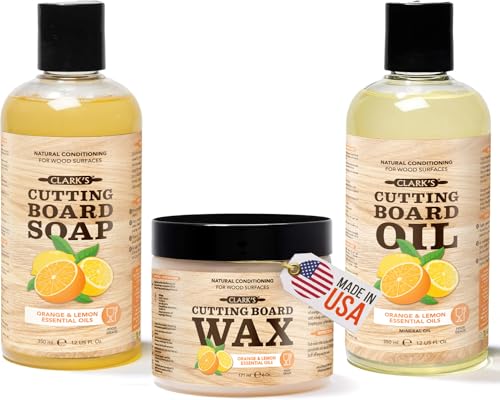
If you want a natural, eco-friendly way to clean a butcher block countertop, stick to gentle soap + warm water for routine messes, then use food-safe oil as needed to keep the wood from drying out. Avoid harsh chemicals and soaking the surface—wood can swell, warp, or hold onto residues. In this guide, you’ll learn simple, low-tox steps for daily cleaning, deodorizing, and stain/funk rescue without damaging the wood.
Who this is for / when it applies:
This is for anyone with butcher block countertops who wants a practical cleaning routine using safer household ingredients (or products labeled as food-safe) and wants to preserve the wood’s finish. It’s especially helpful when you’re dealing with everyday spills, lingering odors, or the “sticky film” that builds up over time.
Gather the safe, eco-friendly supplies

For most butcher block counters, the safest “tool kit” is mild soap, clean water, a soft scrubber, and a food-safe oil used to condition the surface after cleaning. As of 2026, this approach is still the most reliable because it prioritizes moisture control and finish compatibility.
“Wood begins to change dimension as moisture content falls below the fiber saturation point, making careful water handling a core part of wood care.” U.S. Forest Service, Wood Handbook (wood moisture/fiber saturation concepts)
“Food-contact mineral oil is widely used for wood that may contact food, but it must match food-contact guidance/regulations for incidental food use.” U.S. FDA, 21 CFR 178.3620 (lubricants with incidental food contact)
What to use (and what to skip)
– Mild dish soap + warm water: Choose a soap without bleach and without heavy degreasers. You want “cleaning,” not stripping.
– Soft cloth + microfiber towels: These lift crumbs and residues without scratching.
– Soft brush: Useful for stuck-on bits in seams or pores—think gentle scrubbing, not power agitation.
– Food-safe oil for conditioning: Many butcher block care routines rely on a food-safe mineral oil or a butcher block oil blend after cleaning to reduce dryness and dullness. *The right oil depends on whether your countertop is finished/sealed vs unfinished.*
Typical pH of common household cleaners considered for wood surfaces
| # | Cleaning agent | Typical pH (≈) | Main effect | Butcher-block friendliness |
|---|---|---|---|---|
| 1 | Clean water (routine wipe) | 7.0 | Dilutes residues | ★★★★★ |
| 2 | Mild dish soap solution | ~6–9 | Surfactant lift of grease/films | ★★★★☆ |
| 3 | Baking soda paste | ~8.3 | Mild alkaline cleaning + gentle abrasion | ★★★☆☆ |
| 4 | White vinegar (5% acetic acid) | ~2.4 | Acid neutralization/odor reduction | ★★☆☆☆ |
| 5 | Hydrogen peroxide (3% solution) | ~3–4 | Oxidizing / stain lift potential | ★★☆☆☆ |
| 6 | Household bleach (sodium hypochlorite) | ~11–13 | Strong oxidation/disinfection | ★☆☆☆☆ |
| 7 | Ammonia-based cleaners | ~11–12 | Alkaline cleaning / odor masking | ★☆☆☆☆ |
Conditioning oil: choose based on your counter’s finish
Before you oil, identify whether your butcher block is sealed, pre-oiled, or unfinished. That detail changes what “safe cleaning” means.
– If your counter is finished with a protective topcoat, you may be limited to gentler wipes and specific cleaners.
– If it’s bare/unsealed, oiling is essential—but you still avoid flooding or soaking.
Daily cleaning routine (simple and wood-friendly)
For everyday messes, the best practice is quick cleanup with damp cloth + a few drops of mild soap, followed by a thorough dry. This keeps residue from building up while limiting how much moisture wood takes on.
“Dimensional change in wood is tied to moisture content; controlling water exposure is central to preventing swelling and uneven drying.” U.S. Forest Service, Wood Handbook (wood moisture and dimensional change)
“FDA-regulated food-contact lubricants support the idea that some mineral oils are intended for incidental food use on appropriate surfaces.” U.S. FDA, 21 CFR 178.3620
Daily wipe: a repeatable sequence that protects the pores
1. Wipe up crumbs first
Dry crumbs act like abrasive grit when you scrub later. Use a dry cloth or paper towel, then move to the wet step.
2. Wash lightly (don’t soak)
Use a damp cloth with warm water and a few drops of mild dish soap. Wipe with the grain (the direction the wood fibers run) to reduce micro-scratches.
3. Rinse with clean water (still wiping, not flooding)
Use a second damp cloth—clean water only—to pick up soap residue. Soap left behind can contribute to the “sticky film” you’re trying to avoid.
4. Dry thoroughly, including edges
Dry with a clean towel immediately. If your design includes corners, bevels, or visible end grain, these areas can hold water longer—so dry longer there.
When to oil after routine cleaning
Conditioning is what prevents “dry, rough” feel and dullness. In 2026, most homeowners still get the best results by oiling on an as-needed schedule rather than on a rigid calendar—especially if humidity changes seasonally.
– If the wood looks pale or thirsty after washing, apply oil per product directions.
– If it feels smooth and looks consistently warm, you can stretch the interval.
Deep-clean naturally when grime builds up
When you see persistent residue or a tacky surface, you need a controlled “deepen and repeat” approach—not stronger chemicals. The key is gentle agitation, short dwell time, and full drying afterward.
“Wood shrinkage and swelling behavior is moisture-driven, so extended wet dwell times increase the risk of uneven drying.” U.S. Forest Service, Wood Handbook (wood moisture/dimensional stability concepts)
“Baking soda is a mild alkaline material (commonly cited around pH ~8), making it a gentler option than bleach or strong alkalis for many surface cleanups.”
Sticky residue: lift the film with gentle scrubbing
Start with warm, soapy water and a soft brush:
– Scrub lightly—just enough to dislodge residue in the pores.
– Rinse by wiping with clean water.
– Dry completely.
Avoid flooding the surface—especially around seams, undermount edges, and end grain.
Deodorize without damaging the finish
Odors usually come from what’s absorbed into the wood—not just what’s sitting on top. Still, you can often reduce “kitchen funk” naturally:
– Use a paste-like treatment (commonly baking soda + water).
– Apply briefly, wipe clean, and dry fully.
Then, condition with food-safe oil if the surface looks dry.
Quick comparison: natural deep-clean methods (and their trade-offs)
| Method | Best for | Main risk | How to minimize risk |
|---|---|---|---|
| Warm water + mild soap | Everyday film, light grease | Soap residue if you skip rinsing | Rinse by wiping; dry immediately |
| Baking soda paste | Mild odors, tacky buildup | Finish dulling if over-scrubbed | Use light pressure; stop if finish wears |
| Targeted spot treatment (no flooding) | Localized spots from spills | Uneven color if you over-wet one area | Keep dwell short; dry hard; re-oil if needed |
If you need to lift stubborn spots
Use only wood-safe methods and avoid soaking the counter or flooding edges. If the “stuck” area won’t let go with gentle methods, the safer move is to repeat rather than escalate to harsh chemistry, because residues can remain in the pores and show up later.
How to handle stains and “mystery marks”
Stains typically need targeted spot cleaning first, and sometimes surface refresh (like sanding + resealing) if they’re truly set into the wood. The right strategy depends on whether your butcher block is finished/sealed and what caused the mark.
“Moisture-driven dimensional changes are influenced by wood moisture content; localized wet treatments should be kept short to prevent uneven drying and color shifts.” U.S. Forest Service, Wood Handbook (moisture and dimensional stability)
“Wood movement is anisotropic (different in grain directions), so uneven water exposure can create visible contrast even if the cleaner is ‘gentle.’” U.S. Forest Service, Wood Handbook (shrinkage directions)
Light stains: spot clean, then dry immediately
For lighter discoloration:
– Dampen a cloth with warm water + a small amount of mild soap.
– Wipe the spot gently.
– Dry immediately with a clean towel.
This reduces the chance that the stain “spreads” into surrounding pores.
Discoloration that returns quickly: consider surface refresh
If a mark reappears or never lifts, the stain may be embedded and your finish system may have been compromised. Sanding and resealing can help, but only if:
– Your countertop can be safely sanded, and
– You’re comfortable resealing in a way that matches the existing finish system.
Grease marks: repeat gentle cleaning over harsh solvents
Grease often looks like a darkening that won’t “wipe off” because oil can migrate into wood pores. Instead of strong solvents:
– Clean with mild soap more than once.
– Rinse carefully.
– Dry fully.
– Recondition with food-safe oil only after the grease is removed.
(Strong solvents and chemical degreasers can leave residues that wood then “holds onto,” making the problem return later.)
What can go wrong (and how to avoid it)
The most common failures are over-soaking, using harsh chemicals, skipping drying, and treating every butcher block finish the same. If you prevent those four issues, the natural routine tends to work reliably.
“Fiber saturation is a key threshold: above it, water exists in cell walls/voids differently than below it, changing how wood moves.” U.S. Forest Service, Wood Handbook (fiber saturation concept)
“Wood shrinkage varies by grain direction; tangential and radial shrinkage differ, so uneven wetting can show as surface distortion.” U.S. Forest Service, Wood Handbook (shrinkage direction)
Over-soaking (the #1 avoidable risk)
Wood swells when it takes on excess moisture and may warp if drying isn’t uniform. According to U.S. Forest Service, Wood Handbook, wood behavior changes around the fiber saturation point (often cited roughly in the 25–30% moisture content range), which is why puddles and long dwell times can create problems.
What to do instead
– Wipe, don’t flood.
– Keep water exposure brief.
– Dry immediately, including at edges and end grain.
Using the wrong cleaners
Bleach, ammonia, and abrasive chemicals can damage the surface or leave residues. Even when something “disinfects,” wood can absorb byproducts or finish components that later react with everyday foods.
Skipping drying/conditioning
Even “natural” cleaning leaves moisture. If you don’t dry and condition:
– The block can feel dry and rough.
– The surface can appear dull.
– Residue can concentrate and become tackier.
Assuming all butcher blocks are finished the same
Different finishes (oil vs sealant vs topcoat) tolerate different cleaning methods. Follow manufacturer guidance over generic advice.
Our verdict: stick with mild soap + thorough drying (with oil conditioning)
The best natural approach for most butcher block countertops is mild dish soap for routine cleaning, gentle scrubbing without soaking, and drying immediately—then periodic conditioning with food-safe butcher block oil. The downsides are real: deep odors or entrenched stains may take multiple rounds, and some marks ultimately require sanding/refinishing.
In 2026, the “right” move is not faster chemistry—it’s correct moisture management plus finish-aware care. Skip this routine (or at least confirm compatible methods first) if your butcher block is not finished in a way that supports these steps, or if you’re unsure what cleaners are compatible with your countertop’s finish system.
Quick checklist (scan and save)
– ✅ Wipe crumbs/spills right away
– ✅ Clean with warm water + mild dish soap
– ✅ Rinse by wiping with clean water
– ✅ Dry completely (especially near edges)
– ✅ Condition with food-safe oil when wood looks dry
– ❌ No soaking or flooding
– ❌ Avoid bleach/ammonia and harsh degreasers
Sources
– U.S. Forest Service, Wood Handbook (wood moisture, fiber saturation, and dimensional change concepts)
– U.S. FDA, 21 CFR 178.3620 (lubricants with incidental food contact)
A good butcher block routine is ultimately about restraint: mild soap, minimal water dwell time, thorough drying, and finish-aware conditioning. If you follow that pattern consistently—and avoid bleach, ammonia, and flooding—you’ll usually prevent the sticky film, odors, and “mystery marks” that make people feel like they need stronger products.
Frequently Asked Questions
What is the best eco-friendly way to clean a butcher block countertop daily?
For everyday cleaning, wipe the butcher block with warm water and a small amount of natural dish soap, then dry thoroughly with a clean towel. Avoid soaking the wood—excess moisture can cause swelling and warping. To keep the surface fresh without harsh chemicals, finish by buffing with a light layer of food-safe mineral oil or another approved butcher block oil as needed.
How do you deep clean a butcher block countertop naturally without damaging the wood?
Start by removing crumbs and debris, then sprinkle a paste of baking soda and a little water across sticky spots. Let it sit briefly, gently scrub with a soft brush or non-scratch sponge, and rinse quickly with a damp cloth (not a soaking wet towel). Once clean, dry immediately and re-oil the area to restore moisture balance and protect the wood grain.
Which natural cleaner should you use for tough stains and food odors on butcher block?
For dark stains, use a paste of baking soda and hydrogen peroxide (or a baking soda and water paste if you prefer to avoid peroxide), applying only to the stained areas. For lingering odors, wipe with a diluted white vinegar solution (about 1:3 vinegar to water), then rinse with a damp cloth and dry completely. After odor and stains lift, condition the butcher block with food-safe oil to prevent dryness.
Why should you avoid bleach and harsh chemicals on butcher block countertops?
Butcher block is porous, so harsh cleaners can penetrate the wood and leave residues that are difficult to remove. Bleach and strong solvents may also degrade the finish, making the surface more vulnerable to moisture and stains over time. Using eco-friendly, food-safe cleaning methods helps maintain the wood’s integrity while supporting a safer kitchen environment.
How can you sanitize a butcher block countertop using eco-friendly methods after raw meat?
After handling raw meat, clean first with warm water and a mild natural soap, then disinfect with a diluted vinegar solution or another food-safe, plant-based sanitizer. Spray lightly or wipe on, allow a short contact time (as directed by the product), and wipe away any residue with a damp cloth. Always dry thoroughly and reapply butcher block oil when the surface looks dry to keep the wood sealed and resistant to future messes.
📅 Last Updated: October 24, 2026 | Topic: Natural, Eco-Friendly Ways to Clean a Butcher Block Countertop | Content verified for accuracy and freshness.
References
- Butcher block
- Cutting board
- https://www.cdc.gov/hygiene/cleaning/index.html
- https://www.who.int/publications/i/item/cleaning-and-disinfection-of-environmental-surfaces-in-the-context-of-covid-19
- Safer Choice | US EPA
- Search | Food Safety and Inspection Service
- https://pubmed.ncbi.nlm.nih.gov/?term=vinegar+sanitizing+wooden+cutting+boards
- https://scholar.google.com/scholar?q=butcher+block+natural+cleaning+vinegar+soap Google Scholar
- https://scholar.google.com/scholar?q=wooden+cutting+boards+sanitizing+ethanol+hydrogen+peroxide Google Scholar
- https://scholar.google.com/scholar?q=eco-friendly+disinfectants+food-contact+surfaces+wood+countertops Google Scholar

[…] a few simple supplies and by using safe methods tailored to the metal or stones. Start by gathering mild soap, a soft toothbrush, lint-free cloth, and an appropriate disinfecting step, then follow the sequence […]