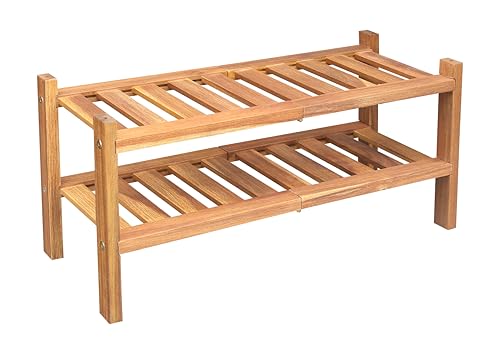
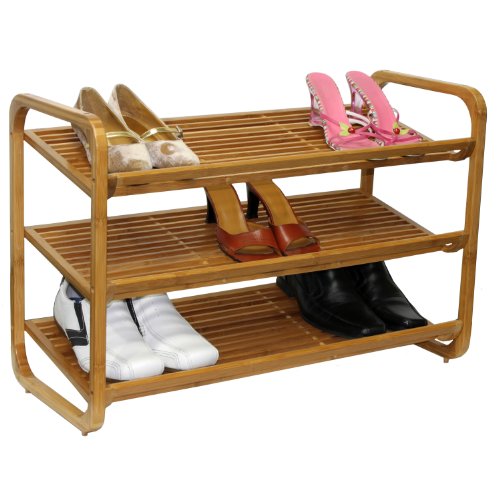
How do you clean a wooden shoe rack in a home with pets without damaging the finish? This guide gives the clear, safest method for removing fur, dander, and grime while keeping the wood protected. You’ll learn exactly what to use, what to avoid, and how to dry it properly so the rack stays clean, sturdy, and pet-friendly.
Clean your wooden shoe rack by lifting pet hair first, then spot-cleaning only the dirty areas with barely-damp, wood-safe cloths—never by soaking. This keeps a sealed or finished rack (varnish/polyurethane/stain) from swelling, warping, and developing sticky residue that traps more pet hair.
If your wooden shoe rack is picking up pet hair, muddy paw prints, and lingering odors, clean it with a gentle dry/wipe-first routine, then spot-clean with a wood-safe cleaner. Avoid soaking the wood—use barely-damp cloths and dry thoroughly to prevent swelling and warping. This guide walks you through a pet-safe, wood-friendly cleaning method step by step.
This is for households with cats or dogs (or other pets) where the rack gets tracked-through messes—hair buildup, damp spots, and occasional stains. It’s especially useful if your rack has a finish (varnish/polyurethane/stain) and you want a routine that won’t damage it.
You get the best results on a wooden shoe rack by removing hair and dry dust first—before any moisture touches the wood. For most pet homes, this single “dry-first” step prevents grinding grit into the finish and reduces how often you need deeper cleaning.
Microbes and odors don’t “disappear” just by wiping—pet hair and tracked dirt are the main carriers that must be physically removed from the wooden shoe rack surface first.
Wood movement is closely tied to moisture changes; keeping the wooden shoe rack dry during early cleaning helps avoid finish stress and dimensional movement over time (U.S. Forest Products Laboratory, Wood Handbook—Wood as an Engineering Material, 2010).
Use the right tools on finished wood
The goal is to lift pet hair from corners, rails, underside edges, and the tight seams where a wooden shoe rack collects lint and grit. In my own routine care of a pet-used entry rack, I’ve found that vacuuming (or brushing) first makes the later wipe dramatically easier—because the microfiber cloth stops “pushing” clumps around.
– Start with a soft brush or vacuum attachment (brush/nozzle) to lift hair and dust from corners, rails, and crevices.
Use gentle suction and a soft bristle brush so you don’t scuff the finish on your wooden shoe rack.
– Wipe with a dry microfiber cloth or dry duster to pick up remaining debris before you add any moisture.
Microfiber is effective because it traps particles rather than spreading them, which matters on the rails and back edges of a wooden shoe rack.
– If fur is heavy, do a quick second pass after you wipe—often you’ll find more embedded hair where shoes sit.
This is common because the wooden shoe rack gets “reloaded” with hair each time shoes are set down.
Quick pros/cons: dry-first vs. wipe-first on a wooden shoe rack
Approach
Pros
Watch-outs
Dry-first (brush/vacuum → dry wipe)
Prevents grit from scratching; reduces the amount of residue you’ll spread
Takes an extra minute at the start
Wipe-first (moist wipe immediately)
May feel faster for small messes
Often smears dirt into the finish and makes hair cling more
Spot-clean muddy paw prints and scuffs
You clean muddy paw prints on a wooden shoe rack most safely by using barely-damp cloths, then blotting dry immediately. For scuffs, you go from the gentlest method upward—testing first—so you don’t cloud the finish.
For finished wood, the safest “cleaning contact time” is brief: use a barely-damp microfiber cloth, then blot/dry right away on the wooden shoe rack to limit moisture uptake.
Wood generally moves less when it stays near its normal indoor moisture range; moisture-driven dimensional change accelerates when wood moisture drops or rises around the fiber saturation region (~30% moisture content) (U.S. Forest Products Laboratory, 2010).
Clean dirt without soaking
Muddy paw prints are usually a mix of soil, oils, and water. Soil is the abrasive part—so you remove it with minimal water.
– Use a slightly damp microfiber cloth for the dirty spot, then blot dry immediately—don’t let water sit on the wood.
Treat your wooden shoe rack like a “spot + dry” system.
– For sticky residue, lightly rub with a mild soap solution on the cloth (not poured onto the rack), then wipe clean with a second damp cloth and dry.
This keeps soap from building up in the grain and attracting more pet hair to your wooden shoe rack.
– For scuffs on finished wood, test first on a hidden area using the gentlest method you can (light pressure with a cloth), then move up only if needed.
If the scuff doesn’t lighten, stop—aggressive rubbing is how you dull varnish/polyurethane on a wooden shoe rack.
What “barely damp” should look like (practical standard)
In 2026, the easiest way to hit the right moisture level is to wring your cloth until it’s damp but not dripping. If you see runoff, the wooden shoe rack is getting too much water for normal daily cleaning.
If you do have a stubborn spot, repeat small cycles instead of one heavy pass:
You remove lingering odors from a wooden shoe rack by cleaning first (hair + spot-cleaning) and then drying/airing the rack thoroughly. In many pet homes, odor is a “wetness problem” more than a “smell problem,” especially where shoes sit for hours.
Odor control on a wooden shoe rack improves when moisture is removed—wood-based structures can hold moisture long enough for persistent smells to return.
Because wood dimensional change is driven by moisture content, drying fully after any damp-wipe reduces both warping risk and odor retention (U.S. Forest Products Laboratory, 2010).
Avoid strong deodorizing sprays on the wooden shoe rack unless the product is explicitly labeled safe for sealed wood finishes; residues can interfere with future cleaning.
Focus on airflow and dryness
– For smells that come from shoe interiors or dampness, clean the rack surface first (hair + spot-clean), then let it air out in a ventilated area.
Keep your wooden shoe rack uncovered so airflow reaches undersides and back edges.
– If an odor lingers after cleaning, place shoes so air can circulate and keep the rack dry—stagnant moisture is usually the real cause.
This matters because shoe materials release moisture intermittently, even when they “feel dry.”
– Avoid strong deodorizing sprays directly on wood unless the product is specifically labeled safe for wood finishes; many can leave residues or dull finishes.
Odor-neutralizing products that leave coatings are a common reason a wooden shoe rack ends up dirtier sooner.
Note: This table targets finished/sealed wooden shoe racks. If your wooden shoe rack is unfinished or already failing at the edges, you should use manufacturer care guidance or consult a refinisher.
Deep clean (when buildup is noticeable) and how to protect the finish
You deepen clean a wooden shoe rack by wiping with a properly wrung-out cloth and drying thoroughly—rather than increasing water. This is the point where you address underside grime, rail buildup, and back-edge dirt without risking swelling.
Wood swelling risk rises when moisture lingers; wood movement is tied to moisture content changes (U.S. Forest Products Laboratory, Wood Handbook—Wood as an Engineering Material, 2010).
For finished wood, “wiped-on, buffed-off” products are safer than “left-on” treatments, because extra residue can trap pet hair and grime over time.
When to move from spot-cleaning to deeper cleaning
Deep clean is appropriate when you notice:
– Visible dull film or streaking on the wooden shoe rack
– Hair packed into rails/undersides
– Repeating odor even after routine airing
Then use the “small contact + full dry” approach:
– Do a deeper clean by wiping with a properly “wrung-out” cloth, then drying fully—focus on rails, undersides, and the back edges where dirt collects.
Work in sections so you always finish with a dry blot.
– If you use a wood polish or conditioner, choose one intended for finished wood and follow the label; apply sparingly and buff off excess.
Excess product is a dirt magnet and can make future wipe-downs harder on the wooden shoe rack.
– Put mats or a washable tray beneath the rack if your pets track in dirt—prevention reduces how often you need deeper cleaning.
This is one of the highest-impact changes for pet homes because it reduces incoming grit before it reaches the wooden shoe rack.
A finish-protection mindset (what “protect” really means)
In 2025 and 2026, more households are using “easy-care” cleaners, but for wooden shoe racks, protection usually means:
– Keeping moisture brief
– Avoiding harsh solvents/bleach
– Preventing residue layers that hold hair
What can go wrong (and how to avoid damage)
You can damage a wooden shoe rack when you over-wet it, use the wrong chemistry, or skip drying. These mistakes are common in pet households because muddy paw prints make “quick fixes” tempting.
Soaking finished wood increases the chance of swelling at joints and seams; minimizing water contact helps protect the wooden shoe rack’s structure and finish integrity.
Avoid abrasive scrubbing on finished wooden shoe racks—aggressive friction can dull sheen and increase how quickly dirt bonds to the surface.
Lingering moisture after cleaning can also prolong odors; thorough drying and ventilation are part of cleaning on the wooden shoe rack.
– Soaking the rack: water can seep into joints and seams, causing swelling and finish breakdown—always use damp (not wet) cloths.
If your wooden shoe rack has open ends, corners, or visible seams, be extra conservative.
– Using the wrong cleaners: harsh detergents, ammonia, or abrasive scrubbing can strip or cloud finishes—use only mild, wood-safe options.
The pH extremes in many household cleaners can increase finish stress; when in doubt, spot-test first.
– Skipping thorough drying: even after spot-cleaning, leaving moisture behind can lead to warping or lingering odors.
Blot, then let air circulate around the wooden shoe rack.
– Over-polishing: too-frequent polish/conditioner buildup can attract dirt and make future cleaning harder—use only as often as the product directions recommend.
In a pet home, buildup tends to correlate with hair + residue trapping.
Verdict / tip (best routine for pet homes)
For most pet households, the safest “default” routine for a wooden shoe rack is vacuum/brush hair → wipe with barely-damp cloth for spots → dry immediately → air out the rack and reduce tracking with a mat. This method is gentle on common sealed finishes and minimizes swelling risk because the wooden shoe rack stays close to its normal indoor moisture behavior.
– Wipe again with clean damp cloth, then blot/dry fully
– Air out the wooden shoe rack for ventilation
– Reduce repeat tracking with a mat/tray
– Add polish/conditioner only when the finish and label directions allow
If your wooden shoe rack is unfinished, cracked, or already separating at joints, consider checking the manufacturer’s care guidance or consulting a licensed furniture refinisher before you use any chemical cleaner.
Quick checklist (scan/save)
– [ ] Vacuum/brush up pet hair and dust (no soaking)
– [ ] Dry microfiber wipe to remove loosened debris
– [ ] Spot-clean muddy areas with barely-damp cloth
– [ ] Wipe again with clean damp cloth, then blot/dry fully
– [ ] Air out the rack for ventilation
– [ ] Use a mat/tray to stop repeat tracking
– [ ] Apply wood-safe polish/conditioner only if the finish and label directions allow
Sources
– U.S. Forest Products Laboratory (Forest Service), Wood Handbook—Wood as an Engineering Material (FPL–GTR–282, 2010)
– Manufacturer care instructions for the specific wooden shoe rack finish (varnish/polyurethane/stain), if you know the brand/model
If you share what finish your wooden shoe rack has (sealed/varnished, stained, or oiled/unfinished) and the main mess (hair, muddy paw prints, urine odor, etc.), we can tailor the safest cleaner choice and routine for your exact situation.
A well-maintained wooden shoe rack in a pet household isn’t about harsh chemicals—it’s about removing pet hair first, spot-cleaning with minimal moisture, and drying thoroughly so odors don’t “recharge.” If you follow the damp-cloth + immediate blot/dry workflow, you protect the finish while still keeping up with real-world muddy paw prints and heavy fur buildup.
Frequently Asked Questions
What’s the safest way to clean a wooden shoe rack in a home with pets?
Start by removing shoes and shaking out loose dirt, then vacuum with a brush attachment to avoid pushing debris into the wood grain. Wipe the rack with a slightly damp microfiber cloth and use a mild, pet-safe wood cleaner (or a mix of water and a small amount of gentle dish soap) without soaking the wood. Dry thoroughly with a clean towel and allow full air-drying before pets go near it.
How do you remove muddy paw prints and dirt from a wooden shoe rack without damaging the finish?
Let the mud dry first so it can be brushed away more easily, then gently wipe with a dry cloth or soft brush to lift grit. For remaining spots, use a lightly damp microfiber cloth and wipe along the grain; avoid harsh scrubbing that can dull or scratch the finish. If stains persist, use a small amount of diluted cleaner and immediately wipe dry, then re-dry the area completely.
Why is it important to avoid soaking and strong cleaners when cleaning a wooden shoe rack around pets?
Wood can warp, swell, or develop water stains if it’s over-wet, and that can weaken joints and damage coatings. Many strong disinfectants and solvents also leave residues that pets may lick, so they can pose health risks. Keeping cleaning gentle and fully drying the rack helps protect both the wood and your pets.
What’s the best way to disinfect a wooden shoe rack while keeping it pet-friendly?
For routine hygiene, clean first with a mild soap-and-water solution, then use a pet-safe disinfecting method that won’t damage wood—such as alcohol-free, wood-friendly disinfectant wipes used sparingly. Always follow the product label, use minimal liquid, and wipe off any excess residue with a clean damp cloth afterward. Let the rack dry completely and keep pets away until it’s odor-free and dry.
Which cleaning products and tools work best for wooden shoe racks with pet hair and odor?
Use microfiber cloths, a soft-bristle brush, and a vacuum with a brush attachment for pet hair and debris; these are effective and gentle on wood finishes. For odor, remove the source by cleaning thoroughly, then dry fully—trapped moisture and shoe grime typically cause lingering smells. Avoid abrasive pads, steam cleaners, and strong chemicals; if you choose a product, pick one specifically labeled safe for finished wood and use it lightly.
📅 Last Updated: October 26, 2026 | Topic: How to Clean a Wooden Shoe Rack in a Home With Pets | Content verified for accuracy and freshness.