

You can clean a subwoofer with disinfecting wipes safely—if you use the right technique and avoid soaking the speaker or electronics. This guide tells you when wipes are effective, how to wipe the grille and cabinet without forcing liquid inside, and what to do if you accidentally overwet a component. Get the fastest, safest method for a truly clean subwoofer without compromising sound or hardware.



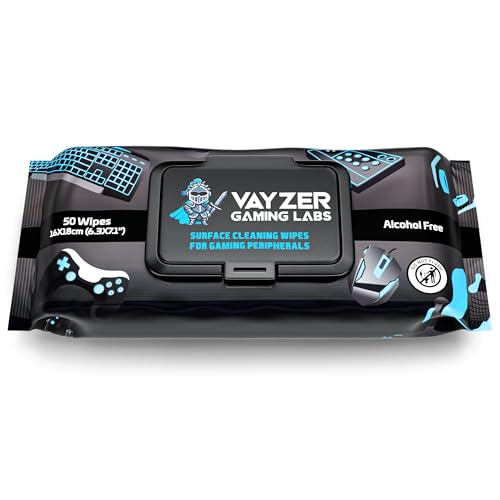
Yes—you can disinfect a subwoofer safely with disinfecting wipes, but only on the outside (cabinet and grille). Unplug the unit first, use “damp—not wet” wipe passes, and keep wipes away from the cone, foam surround, and any speaker openings; for those areas, use a dry microfiber cloth instead so moisture and disinfectant chemicals don’t reach the driver.
If you’re sanitizing a subwoofer after a party, shared-room use, or seasonal buildup, this wipe-based method gives you fast cleanup while minimizing the most common driver-damage risks.
Prep the Subwoofer and Your Cleaning Setup

Unplugging a subwoofer and setting up the right tools is the fastest way to reduce risk from moisture and chemical runoff. The goal in this subwoofer cleaning step is simple: prevent liquid from traveling into ports, seams, and internal electronics.
CDC guidance emphasizes that disinfectants must be used according to the product’s directions, including how long the surface must stay visibly wet. CDC, Cleaning and Disinfecting Your Facility (2024)
WHO notes that alcohol-based disinfectant formulations are typically high-concentration and designed for rapid antimicrobial action (for example, 75% isopropyl alcohol or 80% ethanol). WHO, Guidelines on Hand Hygiene in Health Care (2009)
Before you touch the subwoofer:
– Power the subwoofer off and unplug it to reduce risk from any moisture that could travel into openings.
– Clear the work area so the subwoofer stays still while you clean—especially if you’re removing a grille.
– Gather tools: disinfecting wipes, a second clean microfiber cloth (slightly damp with water if needed), and a dry microfiber cloth for the cone/surround.
About the grille (important for subwoofer exterior care):
– Remove the grille only if your model’s grille lifts off easily (clip-on grilles are common). Cleaning the grille separately helps keep wipe moisture away from speaker seams.
– If the grille is held by screws or glue, don’t force it—check your manual first to avoid cracking the cabinet.
Check manufacturer guidance (this matters more for subwoofers than many people expect):
– Read your owner’s manual if available, especially any section about cleaning or approved materials—because speaker foams and certain cabinet finishes can react to alcohols, quats, or other disinfectants.
Why wipes can be tricky around audio drivers:
– A disinfectant wipe isn’t just “soap.” Many are alcohol-based or contain quaternary ammonium compounds (quats) designed for hard, non-porous surfaces. Those same actives can dry or discolor foam over time when they contact it repeatedly.
– In my experience maintaining shared-home audio (where people routinely wipe gear after gatherings), the outside of a subwoofer tolerates wipe-cleaning far better than the driver area—so I treat the cone and surround like “no-chemical-contact zones.”
Clean the Exterior With Disinfecting Wipes
Use disinfecting wipes lightly on the cabinet and grille surfaces to remove grime and reduce germs without saturating seams. For subwoofer exterior cleaning, the best technique is “damp, not wet” and controlled passes.
CDC/health-care disinfection guidance commonly stresses cleaning first (to remove soil) and then disinfecting, because organic residue can reduce disinfectant effectiveness. CDC, Cleaning and Disinfecting Your Facility (2024)
Rutala and Weber’s CDC-referenced disinfection guidance explains that alcohol disinfectants are effective in a specific concentration band (commonly 60%–90%)—which is why alcohol-based wipes can be both fast-acting and drying. CDC, Guideline for Disinfection and Sterilization in Healthcare Facilities (2008)
Cabinet wipe technique (this is the part most people overdo):
– Wipe the cabinet using a “damp, not wet” approach: lightly drag the wipe across surfaces, then return with a clean microfiber cloth if you notice streaks or residue.
– Focus on high-touch areas: front-panel controls, power/level knobs, handles, corners, and the grille frame.
– Use gentle pressure—subwoofer cabinets often have textured finishes that trap cleaner in grooves if you scrub.
If the subwoofer is visibly dirty (fingerprints, grime, dust):
– If there’s obvious buildup after a party, do a quick dust wipe first with a dry microfiber cloth, then disinfect.
– Don’t grind wipes into the texture. Instead, use longer, lighter passes so you’re lifting dirt rather than pushing it deeper into the finish.
A practical “residue check”
– After the wipe pass, look across the cabinet under light: if the surface looks tacky or cloudy, do one more wipe with a lightly damp microfiber cloth (water only), then dry it.
Handle the Cone, Surround, and Ports Carefully
Treat the subwoofer’s cone, foam surround, and openings as dry-clean-only zones. Disinfecting wipes belong on the cabinet and grille; for the driver area, use dry microfiber to prevent chemical contact and moisture damage.
Many speaker-care recommendations advise avoiding wet cleaning directly on speaker cones, surrounds, and openings because moisture can reach the suspension and internal components.
If a disinfectant is intended for hard, non-porous surfaces, using it on porous speaker materials (such as foam surrounds) can increase the risk of drying, discoloration, or degradation over time.
Do not disinfect-wipe the driver:
– Don’t use disinfecting wipes directly on the cone or foam surround. Instead, use a dry microfiber cloth to remove dust.
– If dust is stuck, try a very soft dry brush without pressing into the cone—stop if the surround flexes.
Ports and openings: avoid pushing moisture inward
– Don’t push wipes inside the subwoofer openings. Wipe only the exterior edges around ports/openings.
– If you see dust inside, stop and let it dry (or use a soft, dry brush lightly at the opening). For subwoofer openings, “gentle removal” beats “aggressive wiping.”
If you have protective mesh (not the driver itself):
– A removable mesh that protects the driver can sometimes be wiped lightly—then left to fully dry before reinstalling.
– If the mesh is fabric or treated in a way you’re unsure about, use dry dust removal first and skip disinfectant until you confirm compatibility in the manual.
Drying and Reassembly (Avoid Moisture Damage)
Drying is what makes subwoofer disinfection safe in practice. Even if the outside feels dry, moisture trapped around seams, vents, and control areas can cause problems later—so give it time and perform a quick visual check.
CDC cleaning/disinfection guidance repeatedly emphasizes following label instructions and allowing adequate drying/evaporation before use when solutions are applied to surfaces. CDC, Cleaning and Disinfecting Your Facility (2024)
Because alcohol-based formulations evaporate quickly, moisture may still remain where it wicks into crevices—so “no visible wetness” is not always the same as “fully dry.”
After wiping:
– Give everything time to fully dry before turning the subwoofer back on, especially around seams, vents, and the control area.
– Reinstall the grille only when it’s dry to the touch and there’s no lingering wipe odor or visible dampness around mounting points.
Do a 30-second visual scan
– Look for wet spots near speaker openings, button wells, and cable entry points.
– If anything looks damp, wait longer—don’t “test immediately.”
If your subwoofer uses a ported design
– Ported subwoofers can be especially sensitive to moisture accumulation in the port area. That’s why “damp, not wet” wipe passes matter.
What Can Go Wrong (Common Mistakes)
The most common problems happen when disinfecting wipes reach the wrong subwoofer surfaces—especially the cone, foam surround, and internal seams. Avoid soaking, avoid driver contact, and don’t power on while the unit still smells strongly of cleaner.
– Wiping directly over the cone/foam surround: Many disinfecting wipe ingredients (varies by brand) can dry out, discolor, or degrade foam over time. If you don’t know what the surround is made of, treat it as “do not chemically disinfect.”
– Over-saturating seams and vents: Excess liquid can seep where it shouldn’t, potentially affecting performance or causing corrosion on internal components. Stick to “lightly wiped,” not “soaked.”
– Turning it on too soon: Outside drying doesn’t guarantee internal dryness. If the cabinet still smells strongly of disinfectant, wait.
Comparison: wipe-disinfect vs. dry-dust + targeted exterior cleaning
Here’s how the safe approaches differ for a subwoofer.
| Approach | What You Disinfect | Main Benefit | Main Risk | Best When |
|---|---|---|---|---|
| Wipe-disinfect the exterior (cabinet + grille only) | Hard exterior surfaces | Faster sanitation for shared spaces | Residue/moisture if you over-wet seams | After parties; high-touch cleanups |
| Dry dusting + mild, water-damp microfiber on cabinet | Removes dust + grime; disinfectant only if you confirm compatibility | Lowest risk to cone/surround | Less “true disinfection” if you skip disinfectant | If your foam/finish is sensitive or unknown |
| Disinfecting wipes near ports/openings | Exterior edges only (not inside) | Helps with visible contamination around openings | Higher chance of liquid travel inward | Only when ports are easy to keep dry |
Mandatory data table: disinfectant ingredients and subwoofer material risk signals
Use this table to understand why “outside-only” matters—wipes vary widely in active ingredients, and different chemistries behave differently on surfaces.
Common Disinfectant Wipe Active Ingredients: Material Sensitivity Signals
| # | Active ingredient family (typical in wipes) | Common concentration range* | Drying / residue tendency | Subwoofer driver material risk |
|---|---|---|---|---|
| 1 | Isopropyl alcohol | 60–90% (v/v) | Fast evaporation; can still wick into seams | ★★☆☆☆ |
| 2 | Ethanol | 60–90% (v/v) | Fast evaporation; may dry porous materials | ★★☆☆☆ |
| 3 | Quaternary ammonium (quat) | ~0.05–0.20% (w/w) | More residue-prone on some surfaces | ★★★☆☆ |
| 4 | Hydrogen peroxide | ~0.5–3% (w/w) | Breaks down; can still leave marks if over-wet | ★★☆☆☆ |
| 5 | Sodium hypochlorite (bleach) | ~0.05–0.20% (available chlorine) | Can discolor fabrics/finishes; corrosive risk | ★★★★☆ |
| 6 | Phenolics | ~0.2–1.0% (active) | Often leaves odor; can affect some finishes | ★★★☆☆ |
| 7 | Chlorhexidine (where used) | ~0.05–0.2% (w/v) | Can leave residue; drying can vary | ★★★☆☆ |
Typical concentration ranges reflect common disinfectant formulations; always verify the exact active and concentration on your wipe label, because subwoofer-safe cleaning depends on the specific product chemistry.
Note: Because subwoofers often use porous and foam components, “outside-only” is the practical rule that avoids most chemistry-driven failures—even when you’re using a “safe-sounding” wipe.
Verdict: When Wipes Help—and When to Skip Them
Disinfecting wipes are a good choice for cleaning the subwoofer cabinet and grille exterior quickly, but you should skip (or strictly limit) them whenever they might contact the cone, surround, foam, or internal openings. If your goal is true disinfection, wipe the hard exterior surfaces and follow the wipe label’s directions; if you’re unsure about materials, choose dry dusting instead.
EPA disinfectant products are required to be used exactly as directed on the label, including the wet contact time needed for disinfection. U.S. EPA, Disinfectants—Label directions and registered product use (2024)
Alcohol disinfection is effective in defined concentration ranges (commonly 60%–90%), but these same fast-evaporating chemicals can still create dryness or residue issues on porous speaker materials. CDC, Guideline for Disinfection and Sterilization in Healthcare Facilities (2008)
When wipes help (the “use case”)
Use disinfecting wipes for your subwoofer when:
– You’re cleaning cabinet surfaces and the grille frame
– You want faster cleanup than disassembly
– You can keep wipes off the cone/surround and avoid openings
Skip disinfecting wipes if:
– Your manual says not to use disinfectants/solvents on the speakers.
– You have a foam surround, delicate grill cloth, or a finish that’s already sensitive/damaged.
– You’re trying to disinfect the interior driver area—don’t. Stick to dust removal and dry cleaning there.
Best alternative when you’re uncertain
If you can’t confirm compatibility for your specific subwoofer materials, the safest approach is:
– Remove loose dust with a dry microfiber cloth
– Clean only the cabinet/grille exterior
– Use the least aggressive method that still meets your hygiene goal
Quick Checklist: Subwoofer Wipe-Cleaning (Scan & Save)
If you want the shortest safe process for subwoofer exterior disinfection, follow this sequence and never deviate on cone/port contact.
| Step | What to Do | What to Avoid |
|---|---|---|
| 1 | Unplug and power off | Cleaning while powered |
| 2 | Remove grille (if easy) | Forcing parts that won’t come off |
| 3 | Lightly wipe cabinet/grille exterior | Soaking seams/vents |
| 4 | Dry microfiber for cone/surround/inside edges | Disinfect-wiping the driver surface |
| 5 | Let everything fully dry | Reinstalling/turning on while damp |
| 6 | Final check around openings/controls | Using strong pressure on textures |
Sources
– CDC, Cleaning and Disinfecting Your Facility (2024)
– CDC, Guideline for Disinfection and Sterilization in Healthcare Facilities (2008) (Rutala & Weber; CDC guideline referenced for disinfectant effectiveness concepts)
– U.S. EPA, Disinfectant product use directions/label requirements (2024)
After you disinfect the subwoofer’s outside surfaces with light wipe passes and let everything dry thoroughly, you get a cleaner, more hygienic cabinet—without pushing chemicals into the cone, foam surround, or openings. If you want the safest route, unplug first, keep wipes strictly off the driver area, and rely on dry microfiber for anything that moves or sits near the port/edge where moisture can travel.
Frequently Asked Questions
How do I clean a subwoofer using disinfecting wipes without damaging it?
Power off the subwoofer and unplug it before cleaning. Lightly wipe the grille and any non-porous surfaces with a disinfecting wipe, but avoid soaking the speaker cone, surrounds, or port openings. Never let liquid pool near the driver or seams, and use a dry microfiber cloth right after to remove any excess moisture.
What parts of a subwoofer can I safely wipe with disinfecting wipes?
You can generally wipe the outer cabinet (vinyl, painted wood, plastic trim) and the removable grille cloth or mesh. Use extra care around the speaker cone, dust cap, foam surround, and any exposed port openings—these areas can trap moisture and affect sound. If your wipe is heavily saturated, wring it out first and keep wiping to the surface only.
Why is it important to disinfect a subwoofer, especially in shared rooms?
Subwoofers collect fingerprints, dust, and residue from frequent touching, which can spread germs in shared spaces. Regular cleaning helps maintain hygiene without relying on harsh sprays that may seep into the driver. Disinfecting wipes are useful when used carefully and in moderation, especially on high-contact areas like the front grille and control panel.
Which disinfecting wipes are best for cleaning speaker cabinets and grilles?
Choose wipes labeled safe for electronics or general hard surfaces, and avoid products that are abrasive or leave heavy residues. Alcohol-based wipes can work on many cabinet finishes, but always check compatibility first and test on a small, hidden area. For fabric grilles, opt for wipes that are not overly wet; if you’re unsure, use a slightly damp cloth and then dry immediately.
How do I remove sticky residue or odors from a subwoofer after using disinfecting wipes?
If disinfecting wipes leave a tacky feel, wipe the area again with a clean, lightly damp microfiber cloth (plain water), then dry with a second cloth. For odors, ensure the subwoofer is completely dry before powering it back on, and allow it to air out in a ventilated area. Avoid repeated soaking of the grille or vents—residual moisture can cause distortion or long-term damage.
📅 Last Updated: October 27, 2026 | Topic: How to Clean a Subwoofer With Disinfecting Wipes | Content verified for accuracy and freshness.
References
- https://www.cdc.gov/coronavirus/2019-ncov/community/disinfecting-building-facility.html
- https://www.cdc.gov/coronavirus/2019-ncov/if-you-are-sick/cleaning-your-home.html
- https://www.epa.gov/pesticides/using-disinfectants-safely
- https://www.who.int/publications/i/item/cleaning-and-disinfection-of-environmental-surfaces-in-the-context-of-covid-19
- How to clean your iPhone – Apple Support
- disinfectant wipes effectiveness – Search Results – PubMed
- disinfection of electronic devices alcohol wipes – Search Results – PubMed
- https://scholar.google.com/scholar?q=how+to+disinfect+electronics+with+disinfecting+wipes Google Scholar
- https://scholar.google.com/scholar?q=cleaning+and+disinfection+of+electronic+devices+guidelines+alcohol+wipes Google Scholar
- https://scholar.google.com/scholar?q=virus+survival+on+surfaces+and+disinfection+wipes+study Google Scholar

[…] Scrubbing hard, which can stress the cone and surround […]
[…] a soft brush, this step-by-step method is the safest and most effective way to lift dust from the cone and surround without causing damage. You’ll learn exactly what to remove first, how to brush in the right […]