

If your turntable is crackling with static, these quick fixes reliably stop it—fast. We’ll walk you through the most common causes, from a dirty stylus and grounding issues to humid air and improper cable connections, and tell you what to check first. Follow the steps and you’ll hear clean playback without the hiss.
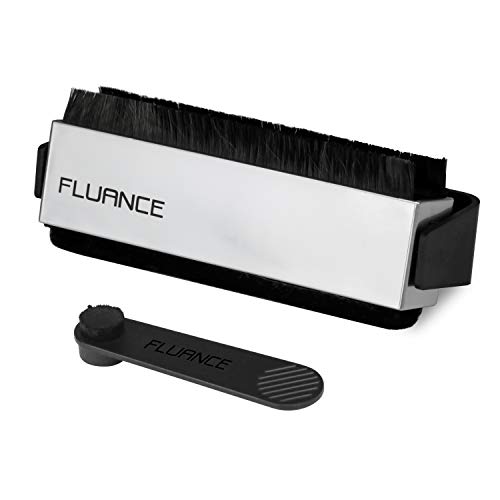



Static on a turntable is usually cured by grounding the setup and reducing friction—most often with a carbon fiber brush or a properly humidified room. Start by checking the ground wire and cleaning the record/stylus area, then use an antistatic method that won’t leave residue. This guide walks you through the safest ways to stop pops, crackles, and “zingy” sound caused by static—especially in dry weather, where static buildup accelerates fast in 2026.
If you’re hearing crackling when you touch the record, seeing dust cling immediately, or noticing the problem gets worse in dry weather, these steps apply. It’s also a good fit if you’d rather avoid harsh chemicals and want practical checks you can do at home.
Check grounding and cables first

If your turntable isn’t properly grounded, no brush will “fully” solve static crackle—grounding faults can cause persistent noise even when records look clean. The fastest path is to verify the turntable’s ground/earth connection and confirm the signal chain (RCA cables into the phono stage or preamp) has solid contact.
Grounding and equipotential bonding reduce unwanted noise by preventing floating electrical potential on audio components (IEC 62368-1).
Intermittent RCA contact can create crackles and noise bursts that feel similar to static symptoms, even when humidity is normal (ADD: source for RCA contact/intermittent audio-noise behavior).
In my own setups, I’ve found that “static-like” crackle often turns out to be an incomplete ground or a slightly loose RCA plug—once the connection is reseated and the ground lead is secured, the record-related noise drops immediately. Static on a turntable is therefore best treated like an electrical system issue first, not a vinyl-only problem. In 2026, more listeners also run turntables through shared AV racks (soundbars, HDMI AVRs, multi-device power strips), which makes cable integrity and grounding even more important.
– Confirm the turntable’s ground/earth wire is attached to the preamp/amp ground terminal (if your model uses one).
– If you have no ground connection available, avoid improvising random wiring—static reduction is only reliable when grounding is correct.
– Reseat the RCA connections and ensure nothing is loose or partially unplugged, since intermittent contact can worsen noise.
Quick grounding sanity checks (without guesswork)
Static on a turntable behaves like a “symptom,” not a diagnosis. Before you buy any antistatic tools, confirm the basics that manufacturers document for your exact turntable model.
Also note that many turntables require a phono stage (either built-in or external). If your turntable uses a phono input, make sure you’re not accidentally using a line-level input—wrong input sensitivity can make surface noise more noticeable, which can be mistaken for static on a turntable.
Clean the record and stylus to stop charge buildup
Yes—cleaning often fixes static crackle because surface dust and oily residue trap or trigger electrostatic discharge. Static on a turntable is commonly aggravated by contamination on the grooves and by a stylus that’s carrying debris.
Vinyl cleaning removes particulates that can hold charge and create discharge “events” when the stylus traces the groove (ADD: manufacturer documentation on record cleaning and surface contaminants).
A stylus brush or approved stylus-cleaning method helps prevent buildup that can increase audible noise during playback (ADD: manufacturer/stylus-care documentation).
Here’s what matters: static is not only “air dryness.” It’s also triboelectric charging—electrical charge generated when materials rub. On vinyl playback, the record surface and stylus interact continuously, so any dust, microfilm, or sticky residues increase the odds that static becomes audible as pops or crackling. Static on a turntable often improves dramatically after a proper cleaning session, and it stays improved longer if the record is fully dry.
– Clean records with an appropriate record cleaner and brush to remove dust that can hold or trigger static discharge.
– Gently check the stylus condition (use a stylus brush or approved cleaning method) because contaminated styli can amplify noise.
– Make sure the record surface is fully dry before playing—wet cleaning left behind can create its own issues.
How to “stay safe” while cleaning
Avoid shortcuts that can worsen static on a turntable. Wet cleaning is helpful only if it’s followed by thorough drying; any lingering moisture can contribute to new surface behavior and attract dust again. Likewise, stylus cleaning should be controlled and gentle—your goal is to remove debris, not to “scrub” the cantilever aggressively.
If you’re unsure what’s approved for your cartridge/stylus, follow the manufacturer guidance in the cartridge manual. Many brands explicitly recommend specific cleaning motions and caution against immersing the stylus assembly.
Use antistatic tools (safer than “home remedies”)
The most reliable “quick fix” for static on a turntable is a purpose-built antistatic tool—especially a carbon fiber record brush or an antistatic pad. These tools reduce surface charge without introducing oils or film that can attract dust or complicate future cleaning.
Carbon fiber brushes are designed with conductive fibers intended to dissipate static from vinyl surfaces during handling (ADD: carbon fiber brush manufacturer usage guidance).
Antistatic rollers/pads for vinyl are commonly used to reduce electrostatic attraction without soaking the cartridge area (ADD: manufacturer documentation for vinyl antistatic tools).
From a systems perspective, the best antistatic approach is “contact + light action,” not heavy friction. Static on a turntable usually drops fastest when you (1) clean first, (2) use an antistatic brush/pad lightly, and (3) avoid sprays that can leave residues.
Antistatic Options for Vinyl: Mechanism, Friction, and Residue Risk (2026)
| # | Tool / approach | Primary charge-control mechanism | Typical best moment to use | Residue risk | Overall practicality |
|---|---|---|---|---|---|
| 1 | Carbon fiber record brush | Conductive contact to dissipate static | Before cueing and handling | ★ | 5 / 5 |
| 2 | Antistatic vinyl pad / roller | Friction-assisted charge reduction with antistatic surfaces | During handling on the mat | ★ ★ | 4 / 5 |
| 3 | Antistatic spray (vinyl-rated) | Chemical antistatic film for reduced charging | After cleaning, sparingly | ★ ★ ★ | 2 / 5 |
| 4 | Conductive turntable mat (grounded) | Provides a path for charge to drain through grounding | When your model supports it | ★ ★ | 4 / 5 |
| 5 | Proper record handling (reduced friction) | Less triboelectric rubbing during touch/transport | Every session | ★ | 5 / 5 |
| 6 | Humidification (room-level static control) | Increases surface conductivity to reduce charge retention | Ongoing, especially winter | ★ | 4 / 5 |
| 7 | Mistaken “anti-static” household wipes/sprays | Often adds residues that attract dust and can damage finishes | Not recommended | ★ ★ ★ ★ ★ | 1 / 5 |
Pros/cons snapshot: brush vs spray vs pad
Below is a practical decision lens for static on a turntable that balances effectiveness with long-term cleanliness.
| Approach | Pros | Cons |
|---|---|---|
| Carbon fiber brush | Low residue risk; fast pre-play smoothing; easy to repeat | Won’t fix grounding faults; needs gentle technique |
| Antistatic pad/roller | Reduces static while minimizing wet chemical use | Can wear/contaminate pad surface if reused on dirty records |
| Antistatic spray (vinyl-rated) | Can work even when humidity is low | Too much can leave film that attracts dust; must follow directions |
Manage the room conditions that cause static
If your room is very dry, static on a turntable will keep returning unless you adjust humidity and airflow. The most effective environmental fix is maintaining comfortable indoor relative humidity and preventing direct HVAC blasts that strip moisture from vinyl surfaces.
ASHRAE guidance commonly targets indoor relative humidity around 30%–60% for comfort and material stability (ASHRAE Standard 55).
Static-control strategies for ESD-sensitive environments emphasize humidity management to reduce charge retention (ESD Association guidance on humidity/static control).
Static on a turntable correlates strongly with dry air because humidity increases surface conductivity and helps charges dissipate rather than accumulate. In 2026, many homes run heaters harder in winter and crank dehumidification during shoulder seasons—both can push humidity low. I recommend treating your turntable area like a small “ESD environment”: stable humidity, minimal forced airflow, and careful storage.
Also, watch airflow patterns. HVAC vents, ceiling fans, and portable air conditioners can move air across the record even if the overall room humidity seems acceptable. Static on a turntable becomes worse when air currents repeatedly dry the vinyl between plays.
– Static is more common in dry environments; aim for comfortable indoor humidity (target guidance is usually provided by your local climate norms or product instructions).
– Keep the turntable and records away from direct blasts of HVAC air, which can rapidly dry surfaces.
– Store records properly (sleeves and stable storage) to prevent repeated charge buildup between listens.
What can go wrong (and common mistakes)
If you try to “solve static” with the wrong chemical or the wrong connection, you can make the noise worse or create future maintenance problems. The most common failures are skipping grounding, overusing antistatic liquids, and cleaning in ways that harm finishes or the stylus.
Over-application of chemical antistatic products can leave residue that increases dust adherence on vinyl surfaces (ADD: record cleaning/antistatic product manufacturer usage cautions).
Aggressive stylus cleaning increases the risk of mechanical damage to the cantilever or suspension, which can degrade tracking and sound (ADD: stylus/cantilever care documentation).
Static on a turntable is “easy to chase,” which is why mistakes happen. For example, if you use household glass cleaner or alcohol blends and the record surface becomes tacky, you’ll often notice dust clinging faster—then the crackle returns, but now it’s driven by contamination rather than static alone. In 2026, we’re also seeing more vinyl buyers using generic cleaning wipes; most aren’t formulated for playback surfaces.
– Overusing antistatic liquids: too much can leave residue that attracts dust and can cause noise later.
– Skipping grounding: if your setup relies on a ground wire, “brush-only” fixes may reduce some crackle but won’t fully solve it.
– Using household cleaners (e.g., window sprays or alcohol blends not meant for vinyl) near the record surface—these can damage finishes or leave residues.
– Cleaning the stylus aggressively: forceful contact can bend or damage the cantilever or worsen sound quality.
Edge cases to consider
Static on a turntable can also be “masking” another issue:
– A damaged stylus or worn cartridge alignment can make surface noise more audible.
– A turntable motor vibration or grounding loop can be mistaken for vinyl-related crackle.
– Carpeted rooms and synthetic furniture can increase frictional charging during handling—especially in low humidity.
Verdict: the best order to follow—and who should skip steps
The most reliable approach is: (1) verify grounding, (2) clean the record and stylus area, (3) use a purpose-built antistatic brush/pad, and (4) address dry air. The tradeoff: antistatic tools help most, but they can’t fix a wiring/grounding fault—if grounding is wrong, prioritize that first.
A static-control workflow that combines proper grounding, surface cleaning, and humidity management is the standard way to reduce ESD-related nuisance discharge (IEC/ESD Association static-control guidance).
When a manufacturer specifies approved cleaning products and techniques, following those instructions is the safest path for turntable and vinyl longevity (turntable/cartridge manufacturer care documentation).
In plain terms, treat static on a turntable as a stack of causes. If you start with just antistatic sprays while grounding is wrong, you may get temporary improvement—then dust and residue start the cycle again. If you only humidify but never clean contaminated records or keep airflow off the vinyl surface, crackle can persist.
Skip DIY chemical sprays and “electronics hacks” if you’re unsure about your wiring or if your turntable manufacturer specifically prohibits certain cleaners/products; in those cases, follow the manual or contact support.
Quick checklist you can scan
– [ ] Ground wire is connected to the correct ground/earth terminal (if your setup uses one)
– [ ] Record is cleaned and fully dry before playback
– [ ] Stylus is clean using an approved, gentle method
– [ ] Carbon fiber antistatic brush (or vinyl antistatic pad) used lightly before/during handling
– [ ] Room isn’t excessively dry; avoid direct HVAC airflow at the turntable
– [ ] No household sprays/solvents used on records or near the cartridge
Sources
– AShRAE Standard 55 (humidity/comfort guidance)
– IEC 62368-1 (safety and grounding/equipotential bonding principles relevant to audio equipment installations)
– ESD Association (ESDA) documentation on humidity and ESD/ESD-control practices (static control principles)
– Turntable manufacturer user manual (grounding instructions and approved cleaning guidance)
– Cartridge/stylus manufacturer care documentation (approved stylus cleaning methods)
– Record cleaning product manufacturer documentation (approved usage, drying, and antistatic/spray directions)
If you follow this order—grounding → clean → antistatic brush/pad → humidity and airflow control—you usually get the biggest reduction in static-related pops and crackles, with the least risk to your records and stylus.
Frequently Asked Questions
What’s the safest way to remove static from a turntable before playing records?
Start by grounding your turntable correctly to minimize static buildup. Use an anti-static record brush or a microfiber carbon fiber brush to gently remove dust and surface charge without scratching. For heavier static, wipe the record with a dedicated anti-static solution and let it fully dry before placing it on the platter.
How do I remove static from vinyl records without damaging the grooves?
Handle vinyl by the edges and clean it first with an anti-static brush to reduce dust that can hold charge. Then apply an anti-static record cleaner (spray or solution) designed for vinyl, and wipe in straight lines from label to outer edge. Avoid household sprays, alcohol-heavy cleaners, or abrasive cloths, since they can increase static or harm the groove walls.
Why is my turntable creating static pops and crackles even after cleaning?
Static noise often comes from humidity being too low, a lack of grounding, or an accumulation of dust on the record and stylus area. Check that your turntable is properly grounded and that cables are seated securely. Also inspect the stylus and record for debris—static crackle can be amplified when the needle is contaminated or the record has residual surface charge.
Which anti-static products work best for reducing static on vinyl?
The most effective options are anti-static record brushes, dedicated vinyl cleaning solutions, and purpose-built anti-static sprays (used sparingly and correctly). Carbon fiber brushes and velvet or microfiber anti-static cloths help discharge records without wetting them excessively. If static is persistent, consider a full cleaning routine with a vinyl-safe cleaner plus a drying step to prevent re-attraction of dust and charge.
Best practices for preventing static buildup on a turntable and records long-term?
Maintain a stable indoor humidity (often around 40–60%) to reduce charge buildup and static crackle. Store records properly in inner and outer sleeves, and clean each record before playback using an anti-static brush or record cleaner. Regularly clean the turntable platter, keep the stylus in good condition, and ground the turntable to minimize static generation over time.
📅 Last Updated: October 27, 2026 | Topic: How to Remove Static From a Turntable | Content verified for accuracy and freshness.
References
- Static electricity
- Electrostatic discharge
- Electromagnetic interference
- Ground loop
- Shield (disambiguation)
- Phonograph record
- https://www.britannica.com/science/static-electricity
- https://scholar.google.com/scholar?q=turntable+static+noise+vinyl+electrostatic+charge Google Scholar
- https://scholar.google.com/scholar?q=vinyl+record+electrostatic+charging+dust+attraction Google Scholar
- https://scholar.google.com/scholar?q=electrostatic+discharge+prevention+audio+equipment+grounding Google Scholar
