

Need to clean a roof rack after muddy or rainy roads? Follow this step-by-step method to remove grit, grime, and water spots safely—so it’s ready for your next trip without damaging finishes or mounts. You’ll get the exact sequence from quick rinse to deeper scrub and final drying for a rack that looks clean and stays reliable.



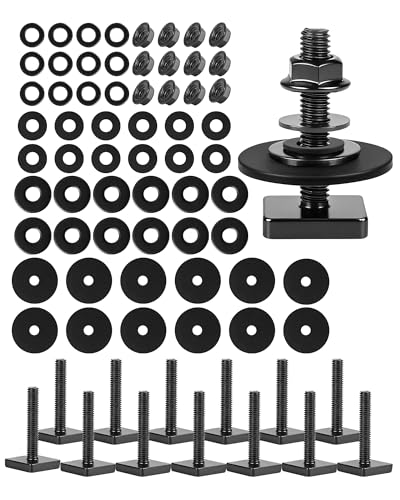
Rinse your roof rack first, wash it with a gentle car-safe soap, and dry it completely to prevent corrosion and rust. If you drive through muddy lanes or salty rain, the key is getting grit out of the roof rack rails, crossbars, and mounting points—then removing every trace of moisture from bolt areas and brackets.
This is for anyone who hauls gear, bikes, or luggage on wet roads and wants to keep their roof rack looking good and working reliably. It’s especially useful if you’ve noticed stuck mud, water spots, or early rust around bolts and brackets.
Gather the right supplies (and avoid harsh chemicals)

Use a soft brush and car-safe soap so your roof rack gets clean without damaging coatings, anodizing, or rubber seals. Start with tools that won’t scratch: you’re removing road film and grit, not grinding them off.
Gentle, car-safe soap is designed to clean paint and coated metal surfaces without stripping protective finishes on a roof rack.
Soft microfiber and non-abrasive brushes help prevent scratches that can expose bare metal and speed up corrosion on roof rack rails.
Keeping water flow gentle around rubber seals reduces the chance of pushing grit deeper into roof rack mounting seams.
What to use (quick list for a roof rack wash)
– Hose or buckets of water (a hose is easiest for rinsing off road film)
– Car-safe soap (look for products marketed for automotive paint/clear coats)
– Soft brush, a clean wash mitt, or microfiber cloth
– Clean microfiber towels or drying cloths for final dry
What to avoid on your roof rack
– Skip abrasive pads (they can scuff powder-coated finishes and damage anodized aluminum)
– Skip harsh cleaners/degreasers/solvents unless your rack manufacturer explicitly approves them
– Avoid tools that snag plastics or rubber components (roof rack feet, end caps, and trim pieces)
Rinse off mud and road film first
Rinsing first prevents a “scrub-in” effect where mud grit gets dragged across your roof rack finish. In my experience with routine roof rack maintenance, the most effective improvement is usually the first step: loosening grime thoroughly before any contact cleaning.
Rinsing removes loose grit before washing, which reduces the risk of micro-scratches on roof rack rails and crossbars.
Mud commonly packs into roof rack undersides and rail edges, so a thorough initial rinse targets hidden grit traps.
How to rinse effectively (without spreading mess)
– Start with a gentle rinse to remove loose dirt before scrubbing.
– Pay extra attention to the undersides of crossbars and the edges of rails where mud collects.
– If mud is caked on, loosen it with repeated dampening rather than aggressive scrubbing right away.
Why the rinse order matters for corrosion risk
Road grime isn’t just cosmetic. Many “sticky” deposits carry salts (especially after winter driving) that leave chloride residue behind. Chlorides accelerate corrosion, especially where moisture can linger around bolt holes and bracket seams. That’s why your roof rack cleaning routine should treat rinsing as a corrosion-control step—not just a “get the dirt off” step.
Wash the rack safely (top rails, crossbars, and mounts)
Wash your roof rack using mild soap and soft tools, working clean-to-dirty so you don’t re-deposit road film. This step focuses on removing remaining film after rinsing, especially around clamp bands, mounting points, and any hardware that traps grit.
A roof rack wash should use mild automotive soap and a soft brush to clean rails and crossbars without degrading protective coatings.
Cleaning clamp and bracket contact areas matters because grit in those zones increases wear and can loosen fasteners over time.
The right technique for a roof rack wash
– Wash using mild soap and a soft brush or sponge, working from clean areas toward dirtier spots.
– Don’t forget the contact areas around clamps, mounts, and brackets—grit there can cause wear over time.
– For stubborn spots, re-apply soap and let it sit briefly (just long enough to loosen the grime), then rinse.
A corrosion-aware mindset (what you’re really removing)
For wet-road driving, your roof rack is exposed to a mix of mud, water-soluble grime, and potentially road salts. The goal isn’t to “sanitize” at any cost—it’s to lift deposits so they can rinse away. According to ASTM salt-spray testing guidance, corrosion testing commonly uses a controlled salt solution (not random “industrial strength” cleaners), which underscores how strongly salt residues affect metal surfaces (ASTM B117, accessed 2026).
Clean hardware details without forcing water inside
You’ll protect your roof rack best by cleaning bolts, washers, and exposed fasteners gently—without blasting water into seams or rubber interfaces. Instead of trying to “rinse everything inside,” wipe away loosened grime and keep water flow controlled.
Wiping around roof rack bolt heads and bracket seams removes grime without forcing water into gaps where it can linger.
Surface rust on a roof rack should be cleaned gently first; aggressive scrubbing can damage coatings and make the problem spread.
Fastener-focused cleaning that won’t create new trouble
– Inspect bolts, washers, and any exposed fasteners; wipe away loosened grime with a damp cloth.
– Keep water flow gentle around seams and any rubber components or seals to avoid pushing dirt further in.
– If you see surface rust, don’t scrub aggressively—focus on cleaning first, then address corrosion appropriately.
How salt residues tie into hardware corrosion
A roof rack’s mounting points are where corrosion starts to matter: small crevices can trap moisture and salts. Since salt-spray corrosion testing is built around salt contamination (ASTM B117, accessed 2026), your real-world lesson is straightforward: keep chloride-bearing residue from staying in the same places. Also, salt chemistry matters—chloride content drives corrosive behavior more than “water alone,” which is why thorough drying is the final safety step.
Dry completely to prevent corrosion and water spotting
Drying is the step that turns a clean roof rack into a corrosion-resistant one. If you leave moisture around bolts, rail channels, or bracket joints, you’re essentially letting rust conditions continue after the wash.
Fully drying roof rack rail channels and mounting joints helps prevent trapped moisture from turning into corrosion.
Microfiber towels are effective because they remove water without scratching, which reduces the likelihood of coating damage on a roof rack.
Drying method that actually reaches the roof rack’s “hidden” spots
– Dry with a clean microfiber towel, especially around bolt heads, brackets, and rack joints.
– Give the rack a moment to air-dry in a shaded area if needed, but avoid leaving it wet overnight.
– After drying, re-check for missed grit along rail channels and under crossbars.
Data snapshot: why chloride contamination is a special concern
Below is a chemistry-based view of how common de-icing compounds relate to chloride ions—chlorides are strongly associated with metal corrosion processes when moisture is present. This is not a “product recommendation”; it’s a way to understand why wet roads can create early rust on roof rack hardware.
Chloride-ion yield from common road de-icers (chemistry reference)
| # | De-icer / common compound | Formula | Molar mass (g/mol) | Chloride ions per molecule | Rinse urgency* |
|---|---|---|---|---|---|
| 1 | Magnesium chloride | MgCl₂ | 95.21 | 2 | ★★★★★ |
| 2 | Ammonium chloride | NH₄Cl | 53.49 | 1 | ★★★★☆ |
| 3 | Calcium chloride | CaCl₂ | 110.98 | 2 | ★★★★☆ |
| 4 | Sodium chloride | NaCl | 58.44 | 1 | ★★★☆☆ |
| 5 | Potassium chloride | KCl | 74.55 | 1 | ★★☆☆☆ |
| 6 | Sodium acetate | CH₃COONa | 82.03 | 0 | ★☆☆☆☆ |
| 7 | Urea (non-chloride) | CO(NH₂)₂ | 60.06 | 0 | ★☆☆☆☆ |
Rinse urgency is a simple chloride-driven proxy based on “chloride ions per molecule” and molar mass; higher chloride contribution earns more stars. Molar masses from NIST Chemistry WebBook (accessed 2026).
What can go wrong (and how to avoid it)
Most roof rack cleaning failures come from aggressive tools, skipped drying, or water pressure that pushes grime into the wrong places. If you’re trying to clean after muddy or rainy roads in 2026, treat the process like maintenance: gentle contact, controlled rinse, and complete dry.
Abrasive scrubbing can scratch roof rack coatings, which increases corrosion risk at the exact spots water later traps.
Strong solvents and degreasers can damage plastics, rubber components, and protective finishes on roof rack systems.
Common mistakes that damage roof rack finishes
– Scrubbing with abrasive tools can scratch coatings and make corrosion more likely—stick to soft materials.
– Using strong degreasers or solvents may damage paint, anodizing, or plastic parts—use car-safe soap instead.
– If you skip drying, trapped moisture around mounts can lead to rust even after the rack looks clean.
Soap vs degreaser: a practical comparison for roof rack care
When you should slow down or skip DIY cleaning
If your roof rack has structural corrosion (wobble, flaking metal, severe rust around critical load paths), the safest move is to stop and consult the rack manufacturer or a qualified shop. For complicated rack systems, manufacturer instructions can override “general best practices,” especially where seals, wiring (if applicable), or load-rated rails are involved.
Quick checklist + practical tip on frequency
If you want reliable performance, clean your roof rack on a predictable schedule tied to road conditions, not just visible dirt. Same-day cleaning after muddy or salty roads is the simplest way to reduce rust and keep the rack hardware operating smoothly.
Cleaning sooner after muddy or rainy drives reduces how long salt and grit sit on roof rack rails and mounting points.
Short rinses between longer washes can cut down on scrubbing and protect coatings from micro-scratches.
– If you drive through muddy or salty conditions, clean the rack sooner rather than later (same day if possible).
– Regular quick rinses help reduce how hard you need to scrub later.
– Downside: frequent washing takes time, and over-washing with the wrong products can dull finishes—use gentle methods and follow the rack manufacturer’s care guidance when available.
Save this scan-friendly checklist
– ☐ Rinse off loose mud first
– ☐ Wash with mild car-safe soap + soft brush
– ☐ Clean crossbars, rails, and mounting points
– ☐ Wipe/rinse around hardware and seals gently
– ☐ Dry completely (bolt heads, joints, edges)
Sources
– NIST Chemistry WebBook (molar masses for NaCl, CaCl₂, MgCl₂, KCl, NH₄Cl, sodium acetate, urea):
– ASTM B117 / ASTM salt spray testing standard (basis for chloride-driven corrosion testing):
– General cleaning safety guidance aligned with common vehicle-care best practices (use manufacturer-approved, non-abrasive cleaners):
After muddy or rainy drives, your roof rack stays in good shape when you follow a consistent sequence: rinse away loose grit, wash with mild car-safe soap, and dry thoroughly—especially around rail channels, crossbars, and mounting points. If you treat drying and hardware details as non-negotiable steps, you reduce corrosion risk and keep the rack ready for the next haul, even when the roads are wet.
Frequently Asked Questions
What’s the best way to clean a roof rack after muddy roads?
Start by loosening the dried mud with a gentle rinse using a hose, working from the top down so debris doesn’t grind into the finish. Use a soft brush or microfiber cloth with warm water and a mild car wash soap, then rinse thoroughly. Dry the roof rack with a clean towel to prevent water spots and check the tracks and mounting points for remaining grit before driving.
How do I remove caked-on mud from roof rack crossbars and rails?
For caked mud, soak the affected areas with warm soapy water for 5–10 minutes to soften buildup, then scrub with a non-abrasive brush. Avoid wire brushes or aggressive cleaners that can scratch powder-coated surfaces and lead to rust. After scrubbing, rinse well and inspect clamps, end caps, and underside areas where mud often collects.
Which cleaning products are safe for roof rack finishes and coatings?
Use a mild car wash soap or a pH-balanced cleaner that’s designed for automotive finishes, and pair it with soft microfiber and a gentle brush. Avoid harsh degreasers, bleach, and solvent-based cleaners unless your rack manufacturer explicitly approves them. If you need to tackle road film, choose a dedicated “bug and tar” or “automotive grime” product and test it on a small, hidden area first.
How should I clean a roof rack after rainy roads to prevent rust and corrosion?
Rinse the roof rack soon after the drive to wash off road salts, dirt, and grime that can contribute to corrosion. Focus on drainage points, bolt areas, and the underside of crossbars where water can linger. Dry thoroughly, then lightly wipe down metal parts to reduce trapped moisture, following your roof rack’s material care instructions (aluminum, steel, or coated finishes).
Why is it important to clean your roof rack regularly after driving in wet or muddy conditions?
Regular cleaning prevents abrasive dirt from wearing down coatings and helps keep moving components like clamps, tracks, and accessory mounts functioning smoothly. Mud and road salt can accelerate oxidation, especially around fasteners and seams, leading to long-term rust. A quick rinse-and-clean routine also reduces buildup that can make future adjustments or accessory installs harder.
📅 Last Updated: October 28, 2026 | Topic: How to Clean a Roof Rack After Muddy or Rainy Roads | Content verified for accuracy and freshness.
References
- Roof rack
- Car wash
- Corrosion
- Rust
- Galvanic corrosion
- Galvanization
- Coating
- https://scholar.google.com/scholar?q=roof+rack+cleaning+corrosion Google Scholar
- https://scholar.google.com/scholar?q=vehicle+roof+rack+maintenance+rainwater Google Scholar
- https://scholar.google.com/scholar?q=roof+rack+mud+removal+and+preventing+rust Google Scholar
