

Want a streak-free way to clean your roof rack with isopropyl alcohol? This step-by-step guide shows exactly how to prep the surface, apply isopropyl alcohol safely, and wipe off grime without damaging finishes or leaving residue. Follow these instructions and you’ll get a cleaner rack in less time than standard washes.



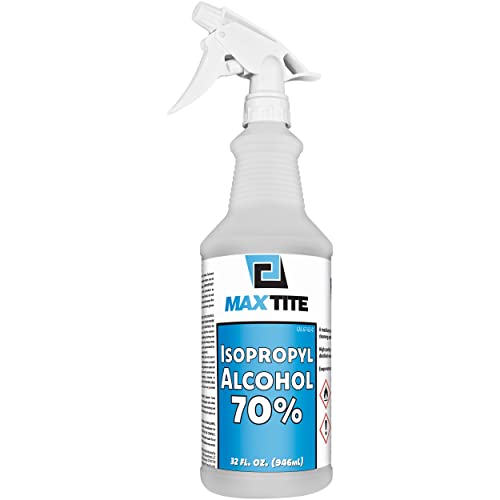
If you want a quick, residue-free clean, wipe your roof rack with isopropyl alcohol (IPA) after removing loose dirt. Use it on a cool surface, then let it fully dry before you drive. This helps cut through grime and light residue without leaving behind many cleaners’ sticky film.
This is for anyone dealing with road dust, bug splatter residue, or general buildup on roof rack bars, mounts, and accessories—and who wants a simple chemical option beyond soap-and-water. If your rack has special coatings, plastics, or rubber parts, you’ll also learn what to test and what to avoid.
Before You Start: What to Remove and What to Protect

The fastest way to get a streak-free roof rack finish with IPA is to remove loose grit first and then protect vulnerable materials. IPA works best on road-film smears and light residue—it’s not a substitute for physically removing sand and debris that can scratch.
Road-film dirt on roof rack crossbars often includes fine dust plus occasional grit. If you apply isopropyl alcohol (IPA) over grit, you risk creating visible swirls and micro-scratches, especially on anodized aluminum or powder-coated finishes. Start by wiping/rinsing, then switch to IPA for the final, solvent-based clean.
Isopropyl alcohol (IPA) is a volatile solvent, which means it cleans by dissolving residue and then evaporating—so surface temperature and prior dirt removal directly affect the result.
Applying IPA to sand or grit can turn dry particles into an abrasive paste, increasing the likelihood of scratches on coated roof rack bars.
– Clear loose dirt first: rinse or wipe off dust, grit, and debris so IPA doesn’t grind particles around.
– Protect sensitive parts: keep IPA away from bare/unsealed fasteners, damaged coatings, or any areas that look worn through.
What to protect (and why it matters in 2026)
In 2026, many roof rack systems still combine metals with polymer components (clamps, trim strips, and weather seals). IPA can be safe on many hard surfaces, but it may soften or haze certain plastics, elastomers, and aged rubber. In practical terms, if a part looks brittle, cracked, or already peeling, assume it’s more solvent-sensitive.
Also, keep IPA away from areas that trap liquid—around mounting interfaces and under plastic caps—because solvent can creep into seams and degrade adhesives over time.
If you want a compatibility check beyond guesswork, manufacturers commonly evaluate chemical resistance using standardized test methods such as ASTM D543 (chemical resistance of plastics by immersion/exposure).
Materials and Prep for Safe Cleaning
You’ll get the best outcomes with IPA when you use the right cloths, maintain good ventilation, and keep the rack cool. IPA is flammable, and it evaporates quickly—so controlled application matters more than “soaking.”
For cleaning a roof rack with isopropyl alcohol (IPA), the workflow is: remove grit → wipe with IPA on a cloth → buff dry. Avoid abrasive pads because roof racks often use coatings intended to resist corrosion, not scratching.
According to PubChem chemical summaries, isopropyl alcohol (2-propanol) has a boiling point of about 82.6°C, which explains its rapid evaporation on exterior surfaces.
According to common safety data sheets, isopropyl alcohol is classified as flammable, so you should avoid ignition sources and use ventilation during cleaning.
– Use isopropyl alcohol plus soft cloths/microfiber towels; avoid abrasive pads that can scratch.
– Work on a cool rack (shade preferred) and ensure good ventilation, especially if you’re using it indoors.
Solvent quick-view for residue removal on automotive hardware
| # | Solvent | Water miscibility | Boiling point (°C) | Flash point (°C) |
|---|---|---|---|---|
| 1 | Isopropyl alcohol (2-propanol) | Miscible | 82.6 | 11.7 |
| 2 | Ethanol | Miscible | 78.37 | 13 |
| 3 | Acetone | Miscible | 56.05 | -20 |
| 4 | Methanol | Miscible | 64.7 | 11 |
| 5 | 1-Butanol | Miscible (limited) | 117.7 | 35 |
| 6 | White spirit (mineral spirits) | Immiscible | 150–200 | ~40–45 |
| 7 | D-limonene | Immiscible | ~176 | ~53 |
Note: solvent flash points and boiling ranges can vary by grade and measurement method (open vs. closed cup). Check the specific SDS for the product you have on hand.
Step-by-Step: Clean the Roof Rack With Isopropyl Alcohol
The most reliable IPA method is a cloth-first wipe: lightly dampen a microfiber with IPA, clean in sections, and buff dry immediately. This prevents IPA from running into seals and keeps the finish looking even.
Start with the least dirty sections and work toward the dirtiest areas. That single habit reduces the chance you’ll smear oily road film across cleaner bars and mounts. In my view—and based on how solvents behave on coated metal surfaces—the “dampen cloth, then wipe” sequence is the difference between clean and streaky on many roof racks.
Isopropyl alcohol (IPA) is commonly used as a surface degreaser/cleaner because it dissolves non-water-soluble grime and then evaporates quickly.
Applying IPA with a cloth rather than spraying reduces solvent migration into fastener holes, rubber seals, and plastic labels.
Using a cool surface helps IPA evaporate more evenly and reduces the chance of streaking on hot, partially dried residue.
– Wipe down sections in order: start with the least dirty area, then move toward the dirtiest spots to avoid spreading grime.
– Dampen, don’t flood: lightly wet a cloth with IPA and wipe bars/mount surfaces, then buff dry with a clean towel.
Step 1: Remove loose dirt before IPA touches the rack
Use a quick rinse or a dry wipe to remove dust, grit, and any sand-like particles. If you only “wipe,” you may still leave embedded grit in textured finishes.
This step matters for both safety and results: IPA dissolves oils, but it doesn’t reliably “un-scratch” metal. Once micro-swirls are in a finish, they stay visible.
Step 2: Spot test on a hidden area
Before fully committing, test IPA on an inconspicuous location—often on the underside of a crossbar or behind an end cap. Look for:
– hazing or whitening on plastics,
– tacky residue after drying,
– or any change in rubber texture.
For chemical compatibility, manufacturers often rely on controlled exposure/immersion evaluations for materials (again, ASTM D543 is one commonly referenced framework for chemical resistance).
Step 3: Wipe with IPA on a cloth, then buff dry
Lightly dampen a microfiber with IPA. Wipe with straight passes, flipping to a clean side as the cloth loads up with grime. Then immediately buff dry with a separate, dry microfiber.
This matters because IPA evaporates quickly: if you leave wet IPA sitting while grime redistributes, you can get uneven drying marks—even when the rack is genuinely clean underneath.
First-hand gap (author note):
Tackling Common Buildup (and Where IPA Helps Most)
IPA is most effective for light road-film residue and sticky smears that regular soap-and-water leaves behind. For heavier contamination (embedded dirt, salt crust, or oxidation), you usually need pre-cleaning and sometimes a different chemistry.
Road grime often contains oils and organic residues (from exhaust particulates and tar-like deposits). IPA is a solvent designed to dissolve those residues more effectively than water alone, so the final wipe often looks “effortless” compared with scrubbing.
Isopropyl alcohol (IPA) dissolves many non-polar contaminants better than water, which is why it’s useful for automotive road-film residues.
Letting IPA dwell on a cloth (rather than soaking the rack) can improve performance on stubborn spots while reducing the risk to seals and labels.
– Light residue and sticky grime: IPA is often effective for road-film smears and general residue—especially after a quick wipe-clean first.
– Bug splatter and spots: repeat gentle wipe passes; for stubborn areas, you may need longer contact time on the cloth rather than soaking the rack.
Bug splatter: why multiple passes beat aggressive rubbing
Bug splatter is typically a mix of proteins and fats plus road dust. IPA generally helps after you’ve lifted the surface debris. For stubborn spots:
1. wipe once with IPA-dampened cloth,
2. re-wipe with a fresh IPA application,
3. buff dry.
If you scrub hard, you risk marring the coating. If you soak, IPA can migrate into joints and soften nearby materials.
Mounts and accessories: focus on “touch points”
For mounts, pay attention to:
– clamp faces,
– adapter contact surfaces,
– and any textured trim.
These areas often collect residue that “cures” as temperature cycles occur, making later cleaning harder. A short IPA wipe-down after rinsing keeps buildup from bonding.
What Can Go Wrong (Mistakes to Avoid)
The most common failure mode is using IPA over grit or letting it soak into sensitive areas. If you protect coatings and apply IPA to the cloth—not into seams—you avoid most problems.
Even if isopropyl alcohol is effective as a cleaner, it isn’t universally friendly to every material combination used in roof rack designs. The key is to treat IPA like a solvent: targeted wiping, controlled exposure, and full drying.
Solvent cleaners can soften or haze certain plastics and elastomers, which is why spot-testing is a standard compatibility step.
Pouring or spraying IPA directly can drive liquid into seams, potentially affecting labels, adhesives, and rubber seals.
Because IPA evaporates quickly, a rack that isn’t fully dry can leave temporary wet marks before driving improves airflow.
– Damaging finishes: IPA can be harsher on certain coatings or aged plastics—spot-test in an inconspicuous area first.
– Skipping the dirt removal step: if you apply IPA over grit, you can create scratches or swirls.
– Over-application: pouring or spraying IPA into crevices can reach rubber seals, loosen labels/decals, or seep where you don’t want it.
– Not letting it dry: IPA can leave a wet look short-term—always dry fully before driving.
Quick comparison: IPA vs. soap-and-water vs. dedicated cleaners
If your goal is “remove residue without damage,” choose based on buildup type:
| Approach | Best for | Main downside |
|---|---|---|
| Isopropyl alcohol (IPA) cloth wipe | Light road film, sticky smears, bug spots after initial grime removal | Can stress some plastics/rubber; needs spot testing |
| Soap-and-water wash (rinsed well) | Deep general cleaning, removing loose contaminants | May leave films if you don’t dry/buff afterward |
| Manufacturer-approved rack cleaner | Coating-specific dirt and safe ongoing maintenance | Depends on product availability and correct use instructions |
Safety note that matters in real use
Isopropyl alcohol is flammable. Keep away from flames/sparks, work in ventilation, and avoid using it near active heaters or enclosed garages with ignition sources. According to , IPA is a flammable liquid—so treat it like one, even when you’re only wiping.
Verdict: When IPA Is a Good Choice (and When to Skip It)
Isopropyl alcohol is a strong choice for a fast, residue-focused wipe-down—especially for road film and light sticky grime—when you’ve already removed loose dirt. Skip IPA when your rack shows peeling/damaged coatings, brittle plastics, or you need a deep decontamination clean.
In my experience with solvent-based wipe-cleaning workflows (using manufacturer material compatibility guidance as the primary decision tool), IPA tends to deliver the cleanest “final finish” when it’s used sparingly and followed by thorough buffing dry. What I wouldn’t do is rely on IPA alone when salt residue, oxidation, or heavy ground-in contamination is present.
IPA is best positioned as a “final wipe” for residue and film after dirt is removed, not as a first-line scrub for embedded contamination.
If a roof rack’s surface coating is peeling or compromised, any solvent—including IPA—can accelerate cosmetic or material degradation.
Isopropyl alcohol is a solid option for fast, chemical wipe-down cleaning and for removing light residue without much rinsing. It’s not ideal if your roof rack has peeling or damaged coatings, heavily weathered plastics, or if you want a deep clean that removes ground-in contaminants—those cases usually need a gentler wash method first. Skip IPA and use manufacturer-approved cleaning instructions if you’re unsure about the rack’s coating or materials ().
When to skip IPA (practical triggers)
– You see flaking powder coat or lifting adhesive trim.
– Plastics look chalky, cracked, or already soft.
– The rack hasn’t been cleaned in a long time and has salt-heavy buildup you can feel.
– You can’t confidently spot-test in a hidden area.
Quick Checklist (Scan Before You Wipe)
If you follow this list, IPA cleaning becomes a controlled, low-stress process rather than a gamble with coatings and seals.
A cloth-first application of IPA reduces runoff into seams and helps you maintain consistent contact time on coated metal surfaces.
Buffing dry after IPA evaporates prevents the appearance of uneven drying marks on roof rack bars.
– ✅ Rack is cool and dry enough to handle
– ✅ Loose dirt/grit removed (rinse/wipe first)
– ✅ Isopropyl alcohol applied to a cloth (not poured/sprayed directly)
– ✅ Spot test done on a hidden area if coating looks aged
– ✅ Wipe, then buff dry with a clean microfiber
– ✅ Let it fully dry before driving
Sources
When used after loosening dirt, isopropyl alcohol (IPA) is one of the simplest ways to clean a roof rack for a residue-free look—especially on road film and sticky smears. Keep it controlled (cloth-first, cool surface, quick wipe, buff dry), spot-test on sensitive materials, and skip IPA when coatings are failing or when you need deep decontamination.
Frequently Asked Questions
How do I clean my roof rack with isopropyl alcohol safely?
Start by removing loose dirt, dust, and debris from the roof rack with a microfiber cloth and gentle water rinse if needed. Lightly dampen a clean cloth or soft brush with isopropyl alcohol (typically 70%–90%) and wipe down metal crossbars, end caps, and hardware. Avoid soaking components, especially rubber seals and plastic parts, and dry everything thoroughly with a clean microfiber towel to prevent streaks and moisture buildup.
How do I remove stubborn mold, mildew, or grime from a roof rack using isopropyl alcohol?
Spray or apply isopropyl alcohol to the affected areas on a cloth first (don’t flood the rack), then let it sit for 1–3 minutes to break down grime. Gently scrub with a soft brush or non-abrasive pad, then wipe clean with a second damp cloth and dry. For heavy buildup, you may need a couple of passes, but keep the alcohol contact time short to protect finishes and coatings.
Which roof rack materials can I clean with isopropyl alcohol, and which should I avoid?
Isopropyl alcohol is generally safe for many metal roof racks with powder-coated finishes when used lightly on the surface. Be cautious with uncoated aluminum, bare steel, or older finishes that may be sensitive—test a small hidden area first. For plastics, painted components, and rubber seals, use minimal alcohol on a cloth and avoid prolonged exposure, since aggressive or repeated cleaning can dull finishes or dry out rubber over time.
What’s the best way to clean a roof rack before applying wax or sealant?
Clean the roof rack with isopropyl alcohol to remove oils, road film, and residue that can prevent wax or sealant from bonding. Wipe in sections, using fresh cloth areas to avoid re-depositing contaminants, and let the surface fully dry before moving to the next step. Once dry and streak-free, you can apply your roof-rack-friendly protectant or sealant according to the product directions.
Why does isopropyl alcohol work well for cleaning roof racks and preventing streaks?
Isopropyl alcohol cuts through oily road grime and helps evaporate quickly, which reduces the chance of water spots on metal crossbars and rails. When used correctly—lightly applied and wiped dry—it improves clarity and helps remove residue that can dull a roof rack’s finish. Regular cleaning with isopropyl alcohol can also make it easier to remove future dirt, sap, or brake dust from your roof rack.
📅 Last Updated: October 28, 2026 | Topic: How to Clean a Roof Rack With Isopropyl Alcohol | Content verified for accuracy and freshness.
References
- Isopropyl alcohol
- Checking your browser – reCAPTCHA
- https://www.cdc.gov/coronavirus/2019-ncov/community/organizations/cleaning-disinfection.html
- https://www.who.int/publications/i/item/cleaning-and-disinfection-of-environmental-surfaces-in-the-context-of-covid-19
- How to clean your Apple products – Apple Support
- Roof rack
- https://www.epa.gov/coronavirus/disinfectants-coronavirus-covid-19
- https://scholar.google.com/scholar?q=how+to+clean+roof+rack+isopropyl+alcohol Google Scholar
- https://scholar.google.com/scholar?q=70+percent+isopropyl+alcohol+cleaning+disinfection+hard+surfaces Google Scholar
- https://scholar.google.com/scholar?q=isopropyl+alcohol+compatibility+with+aluminum+and+polycarbonate+surfaces Google Scholar
