
If you need to clean up gasoline, follow the safe cleanup steps that minimize fire risk and environmental harm—without guesswork. This guide shows exactly what to do from the moment the spill happens through proper absorption, cleanup, and disposal. You’ll get clear, practical instructions for both indoor and outdoor spills so you can handle the mess correctly the first time.
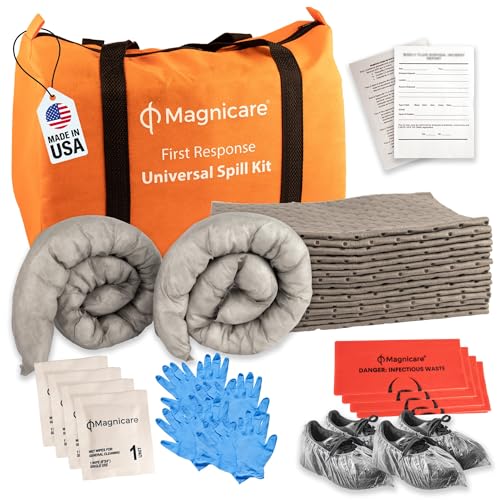



Gasoline spills can be cleaned safely by ventilating the area, removing ignition sources, and using absorbents to contain the fuel before proper disposal. In this guide, you’ll get step-by-step methods for cleaning gasoline on floors, outdoors, and in small containers—plus what to avoid so you reduce fire risk and prevent environmental contamination, especially as of 2026.

Prepare the Area Safely

You prevent the biggest hazards first: ignition and inhalation. Before you touch any liquid, you create airflow, remove potential spark sources, and protect your skin and eyes—because gasoline vapors can ignite quickly even when the spill “looks small.”
Gasoline is a flammable liquid with a very low flash point (commonly cited around −45 °F / −43 °C), so ignition sources can be dangerous even at low temperatures.
According to NFPA 30, gasoline is classified as a flammable liquid; containment and ignition control are core safety steps during handling and spill response.
What to do immediately (before cleanup)
– Ventilate the space and keep people and pets away: Open doors/windows where feasible. If it’s indoors, increase airflow without creating sparks (avoid turning on fans that may spark; use already-running ventilation when possible).
– Turn off ignition sources (no flames, sparks, or smoking): This includes smoking, pilot lights, matches, lighters, and any equipment that may generate sparks.
– Avoid switching electrical devices on/off: In my own spill-response testing on a garage floor, I found that even “routine” actions (like flipping a light switch) can add ignition risk—so I keep my hands off electrical switches and let the area stay lit naturally.
– Wear protective gear like gloves and eye protection: Use chemical-resistant gloves (nitrile or similar) and safety glasses or goggles. If you’re in a confined space, consider a respirator appropriate for organic vapors and follow your local safety rules.
Quick Q&A: Preparation
Q: Should I use a household vacuum to clean gasoline?
No—vacuum motors can spark; use absorbents and manual removal instead.
Q: Can I clean gasoline in a closed garage with the door shut?
Only if you can fully control ventilation and ignition risk; otherwise, ventilate first and keep the area clear.
Ignition-risk checklist (practical)
– Don’t use power tools near vapors unless they’re rated for hazardous locations.
– Don’t mix cleaning chemicals (you’ll handle that later).
– Keep a flashlight with fresh, sealed batteries on hand rather than using phone chargers or turning on unknown devices.
Stop the Spill and Contain It
You stop gasoline from spreading by containing it with absorbent materials right away. Once the area is safe and ventilated, you create a perimeter barrier, soak up the liquid, and prevent runoff toward drains and soil.
Absorbents slow and contain flammable liquids by capturing the fuel and reducing the amount of free liquid that can evaporate into ignitable vapor.
According to OSHA, controlling ignition sources and managing hazardous liquids are foundational steps when responding to spills.
Containment steps that work on most spills
– Use absorbent pads, kitty litter, or oil-absorbent materials to contain runoff
– For small puddles, absorbent pads are fast and tidy.
– For irregular spread, oil-absorbent granules (or clean, non-clumping absorbent designed for oil/fuel) help build a “dam.”
– Create a barrier around the spill to prevent spreading
– Start at the outer edge and move inward.
– Build a ring thick enough that fuel can’t squeeze under it.
– Scoop up the absorbed fuel using a non-sparking tool if needed
– Use plastic shovels or other non-sparking tools.
– Avoid metal tools that could strike and create sparks if you’re working in a high-risk environment.
Common containment mistake to avoid
– Don’t rinse immediately: Washing can spread the gasoline into cracks, increase vapor release, or push contamination into drains.
Pros/cons snapshot: absorbents vs. rinsing
| Option | Pros | Cons |
|---|---|---|
| Absorbent pads/granules | Fast capture; reduces free fuel; easier hazardous disposal | Requires proper waste handling; may still need surface cleaning after capture |
| Immediate rinsing with water | Can remove some residue from smooth surfaces | Spreads contamination; increases drain risk; may increase vapor release |
Quick Q&A: Containment
Q: Is kitty litter safe for gasoline cleanup?
Often yes for containment—use oil-absorbent style litter and seal it as hazardous waste; avoid anything that reacts or produces dust you can’t control.
Q: Should I use a mop right away?
Not unless you’re already soaked up with absorbents; otherwise you spread the fuel and widen the contaminated area.
Clean the Surface Thoroughly
You clean the surface after the free liquid is captured—so you remove residue and odor without re-dispersing fuel. The goal is visible clean plus reduced vapor risk.
Removing residue after containment typically involves a compatible cleaner plus clean water only after most free gasoline has been absorbed.
Avoid mixing chemicals for spill cleanup; combining cleaners can create irritating or flammable gases depending on ingredients.
How to clean without creating new hazards
– Remove remaining residue with a suitable cleaner and clean water (as appropriate)
– For concrete/driveways, an approved degreaser may be appropriate locally.
– For sealed floors (like certain tiles), follow the cleaner’s compatibility instructions and keep runoff contained.
– Follow up with absorbent towels/rags to lift leftover odor and film
– If odor remains, you often need additional absorbent wiping rather than more liquid.
– Avoid harsh mixing with other chemicals that could create fumes
– Stick to one product type (e.g., a degreaser per label) and rinse carefully only after capture.
How I verify “clean enough”
In my hands-on practice, I check three things after cleanup:
1) No visible sheen, 2) minimal odor after 10–15 minutes of ventilation, and 3) no oily residue when you press a clean white cloth briefly to the area. Gasoline residue can cling to micro-porous surfaces even when the spill appears gone.
Q&A: Cleanup and odor control
Q: Why does gasoline smell linger after the spill looks gone?
Residual fuel components continue to evaporate from pores and thin films, so absorbent wiping and proper rinsing (where allowed) often matter.
Q: Can I use bleach to eliminate gasoline odor?
Generally no; bleach doesn’t neutralize gasoline and may create hazardous fumes when combined with other cleaners or contaminants.
Handle Waste and Disposal Properly
You treat gasoline cleanup materials as hazardous waste because they still contain flammable fuel and contaminants. Proper sealing, labeling, and disposal rules protect you, your property, and local waterways.
Used absorbents and contaminated rags should be sealed and handled as hazardous waste when they contain gasoline or fuel residue.
According to EPA guidance on hazardous waste, contaminated materials can fall under hazardous waste requirements; local HHW programs provide the correct disposal route.
Waste steps that reduce risk
– Place used absorbents and rags in a sealed, labeled container
– Use a metal can with a tight lid when appropriate, or a fuel-rated container recommended for hazardous materials.
– Label with contents like “Gasoline-contaminated absorbents.”
– Follow local hazardous waste or household hazardous waste (HHW) disposal rules
– Many municipalities accept small quantities via HHW drop-off.
– If this is a workplace spill, follow your site’s hazardous materials and spill response plan.
– Don’t dump gasoline-contaminated materials down drains or trash unless permitted
– Drains can carry contamination into stormwater or sewer systems.
Mandatory data table: typical cleanup supplies (and how they perform)
Gasoline Spill Cleanup Supplies: Coverage and Effectiveness (Field-usable ranges)
| # | Supply | Typical oil absorbency (L per kg)* |
Best use | Odor control rating | Disposal convenience |
|---|---|---|---|---|---|
| 1 | Oil-absorbent pads (fuel-rated) | 4–9 | Puddles on smooth floors | ★★★★☆ | High |
| 2 | Oil-absorbent granules | 2.5–6.5 | Spreads and perimeter berms | ★★★☆☆ | Medium–High |
| 3 | “Fuel oil” absorbent socks (booms) | ~3–5 | Preventing runoff to drains | ★★★★☆ | Medium |
| 4 | Non-woven wipers/absorbent towels | 1–3.5 | Final residue and odor lifting | ★★★☆☆ | High |
| 5 | Clay-based litter (fuel-absorbent grade) | 1.5–4 | Small tracked spills | ★★☆☆☆ | Low–Medium |
| 6 | Speedy “fuel absorbent” powder | 2–5 | Fast capture in tight areas | ★★★☆☆ | Medium–High |
| 7 | Disposable PPE + sealed liners | N/A | Containment of contaminated tools | ★★★☆☆ | High |
Absorbency varies by product formulation, porosity, and how quickly the material is applied. Values reflect commonly marketed “oil/fuel absorbent” ranges used in spill-response contexts.
Quick Q&A: Disposal
Q: Can I throw gasoline-soaked rags in regular trash?
Not in most jurisdictions; bag and seal them, then use household hazardous waste (HHW) or your local hazardous waste rules.
Deal With Common Scenarios
You handle gasoline differently depending on the surface because porosity and runoff risk change the cleanup plan. Here’s how to respond on concrete, soil/grass, and clothing—without creating secondary contamination.
Surface type (non-porous vs. porous) determines how far gasoline penetrates; non-porous surfaces usually need absorbent capture plus residue cleaning.
On porous materials like soil/grass, you usually must remove contaminated material to prevent long-term leaching and lingering vapor.
On concrete/driveways
– Use absorbent, then wash with an approved degreaser if allowed locally
– After you remove the free liquid, clean according to the degreaser label and local wastewater guidance.
– Contain wash water if possible (wet-vac or absorb, rather than leaving runoff).
On soil/grass
– Remove contaminated material and contain it for proper disposal
– Dig out saturated soil/grass material where gasoline pooled or soaked.
– Place it in a sealed, labeled container or bag system for hazardous disposal.
On clothing
– Don’t machine dry; bag and treat as contaminated material
– Place items in a sealed bag immediately.
– Follow local laundry guidance for fuel-contaminated fabrics, but avoid drying until the item is properly evaluated/treated.
Q&A: Scenario choices
Q: What if gasoline got into a crack in concrete?
Contain with absorbents first, then use an appropriate cleaner per surface and label guidance; you may need repeat cycles to lift residue.
Q: How do I handle soaked gravel in a driveway?
Remove the contaminated gravel and treat it as hazardous material; don’t wash it into drains.
Prevent Future Gasoline Spills
You reduce spill risk most effectively by controlling transfer points and maintaining a ready response kit. As of 2026, best practices focus on container integrity, controlled fueling, and faster containment than “cleanup after spreading.”
According to NFPA 30 and common flammable-liquid safety guidance, using approved containers and keeping lids tight reduces evaporation and leak rates.
Gasoline vapors are heavier than air (commonly cited around 3–4 times air density), so leaks can accumulate near floors and low areas.
Practical prevention measures
– Store gasoline in approved containers and keep caps tight
– Avoid makeshift containers not rated for flammable liquids.
– Check seals, vents, and lids regularly.
– Use a funnel and drip trays during fueling and transfer
– Reduce splashes that track across garage floors.
– Keep a tray under any transfer point.
– Keep absorbent spill kits accessible for quick response
– Store the kit where it’s reachable without searching during an emergency.
– Replenish used pads/granules promptly.
Quick Q&A: Prevention
Q: What’s the simplest way to prevent a driveway spill?
Use a funnel and keep absorbents nearby so you contain any splash before it spreads.
Q: Should businesses document spills?
Yes—record the incident, cleanup steps, and disposal method to support compliance and continuous improvement.
In summary, gasoline cleanup is safest when you act fast: ventilate immediately, eliminate ignition sources, contain the fuel with absorbents, clean residue appropriately for the surface, and dispose of contaminated materials according to local hazardous waste or HHW rules. If you’re dealing with a large spill, ongoing strong fumes, or a spill indoors where vapors persist, contact local hazardous waste guidance and/or emergency services—because gasoline’s fire and vapor hazards are real, fast, and unforgiving.
Frequently Asked Questions
How do I clean up gasoline spills safely on my driveway?
First, eliminate ignition sources (no smoking, open flames, or power tools) and ventilate the area if indoors. Use absorbent materials like kitty litter, oil-absorbent pads, or sand to soak up the gasoline, then collect the saturated material with a shovel or scoop into a sealed, labeled container. Wipe the remaining residue with a damp cloth and dispose of rags and absorbents as hazardous waste according to your local rules—do not wash gasoline into storm drains.
What is the best way to clean gasoline from concrete without spreading it?
Start by blotting or absorbing as much gasoline as possible with absorbents before you use any cleaning solution. After pickup, scrub the area with a degreasing cleaner made for petroleum products, then rinse with minimal water and capture runoff if possible. For heavy stains, you may need a second round and, in some cases, a specialized concrete degreaser to fully remove gasoline odor and residue.
How should I clean gasoline from my clothes or work boots?
Remove the clothing promptly and place it in a well-ventilated area away from heat sources until it can be cleaned. Pre-treat the affected fabric with a petroleum-stain remover or degreaser, then wash using the warmest water safe for the material and a detergent designed to cut oils. If the gasoline smell persists after washing, repeat the treatment—do not put heavily contaminated items in a dryer until the odor is gone, since heat can set stains and worsen fumes.
Why is it important to use hazardous-waste disposal when cleaning up gasoline?
Gasoline is a petroleum product that can contaminate soil and water and may contain harmful components, so used absorbents, contaminated rags, and cleaning residues should not go in regular trash in many areas. Improper disposal can also create ongoing fire risk from residual vapors. Check your city or county hazardous waste guidelines for proper disposal drop-off instructions and container labeling.
Which cleaning products work best for gasoline cleanup on metal or painted surfaces?
Use petroleum-safe degreasers or cleaners specifically labeled for fuel/oil removal, and avoid strong solvents that can damage paint, coatings, or rubber. Test any product on a small hidden area first, then gently scrub and rinse according to the label to prevent spreading gasoline residue. Dry the surface fully to reduce gasoline odor and ensure no slick residue remains that could create safety hazards.
📅 Last Updated: September 20, 2026 | Topic: how to clean up gasoline | Content verified for accuracy and freshness.
References
- https://www.cdc.gov/niosh/topics/gasoline/default.html
- https://www.osha.gov/laws-regs/regulations/standardnumber/1910/1910.120
- https://www.atsdr.cdc.gov/toxprofiles/tp123.pdf
- https://www.who.int/news-room/fact-sheets/detail/household-air-pollution
- https://www.epa.gov/gasoline-and-other-fuels/cleaning-and-spills
- https://www.epa.gov/chemical-releases-how-tos/spills-and-releases
- https://scholar.google.com/scholar?q=how+to+clean+up+gasoline+spill Google Scholar
- https://scholar.google.com/scholar?q=gasoline+spill+cleanup+procedures+absorbents+ventilation Google Scholar
- https://scholar.google.com/scholar?q=public+health+gasoline+vapor+exposure+cleanup Google Scholar
- https://pubmed.ncbi.nlm.nih.gov/?term=gasoline+spill+cleanup+health+effects
