

Bleach can quickly fade or weaken the materials used in many truck bed covers, including rubber seals and certain plastics. For that reason, experts recommend not cleaning a truck bed cover with bleach. Even if you dilute it, bleach can leave rough residue or cause permanent discoloration, so it’s better to use a manufacturer-approved cleaner and follow the care instructions.


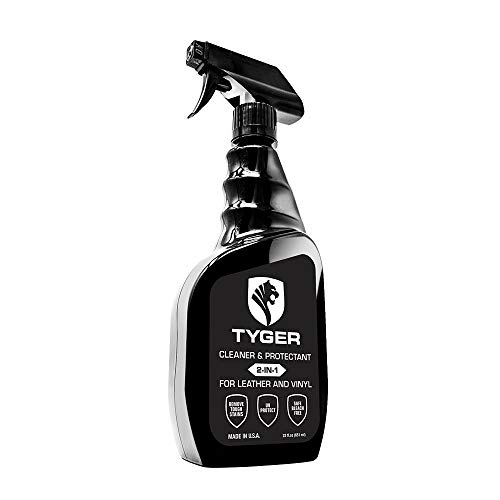

Bleach is usually a poor choice for cleaning a truck bed cover because it can dull, haze, or degrade common materials and finishes—especially plastics and rubber seals. In most cases, you’ll get a cleaner (and safer) result by using mild soap for everyday grime and an oxygen-based cleaner for mildew or stubborn staining.
Bleach usually isn’t the right choice for a truck bed cover. It can damage or dull common materials (like vinyl, rubber seals, polycarbonate/plastics, and coated aluminum) and may leave residue that’s hard to fully rinse. You’ll learn what experts typically recommend instead, plus how to clean safely based on the cover’s material.
When bleach is a bad match for truck bed covers

Bleach is a bad match when your cover relies on coatings, flexible seals, or tinted/translucent materials. In those cases, chlorine bleach’s strong oxidizing action can alter the surface chemistry and make the finish look worn long before the dirt is fully gone.
– Many covers aren’t “bare metal”—they have coatings, anodizing, or protective finishes that bleach can weaken or discolor.
– Rubber seals, weatherstripping, and trim are especially vulnerable to hardening, cracking, or whitening after repeated chemical exposure.
– If your bed cover has tinted or translucent panels, bleach can haze or fade them over time.
What I look for first (because it predicts bleach damage): if your truck bed cover has any rubber components, a translucent window/panel, or painted/anodized aluminum rails, bleach is almost always a mismatch. Even when the cover looks fine immediately after cleaning, oxidative residue can accelerate discoloration during the next weeks of sun exposure and moisture cycles.
Why experts recommend avoiding bleach
Experts avoid bleach because it’s both harsh on materials and unforgiving if any chemical remains behind. A clean look isn’t the same thing as a fully neutralized surface—especially on multi-material tonneau systems.
– Material damage: Bleach is a strong oxidizer; it can break down plastics and degrade flexible components.
– Finish problems: Powder-coated or painted surfaces can lose gloss, develop blotchy spots, or—on worse cases—encourage corrosion at edges and seams.
– Residue and fumes: Even if the cover looks clean, leftover chemicals can react with grime later, cause streaking, or irritate you during drying.
To ground this in real-world disinfection guidance: According to the CDC, household bleach used for hard-surface disinfection is typically around 5%–6% sodium hypochlorite, and CDC dilution guidance uses 1/3 cup per gallon of water with at least 1 minute of contact time for certain disinfection scenarios. Those are appropriate for disinfection of hard, nonporous surfaces—but a truck bed cover is a mixed-material system (plastics + sealants + coatings), where that same chemistry is more likely to cause cosmetic and functional wear.
Safer ways to clean a truck bed cover
The safest approach is to start gentle, then escalate only as needed with chemistry that’s designed to lift organic growth without aggressively attacking finishes. Mild soap handles most grime; oxygen-based cleaners target mildew and organic staining more compatibly than chlorine bleach.
– Start with mild soap + warm water (dish soap or a gentle automotive cleaner), then rinse thoroughly.
– For mildew/organic staining, use an oxygen-based cleaner (commonly sold as sodium percarbonate cleaners) rather than chlorine bleach—these are generally gentler on many plastics and coatings.
– Always spot-test first (small hidden area, wait 10 minutes, then rinse and check for dulling or whitening).
Before you apply any cleaner across the whole truck bed cover, treat the cover like a composite material: it has hard parts (panels/rails), flexible parts (seals), and sometimes layered finishes (paint/anodizing/powder coat). Bleach can attack multiple layers, which is why “it worked on one spot” is not the same as “it’s safe for the full cover.”
Quick comparison: which cleaner fits which problem?
Below is a practical way to choose between common options without relying on chlorine bleach.
| Cleaner option | Best strength | Trade-offs |
|---|---|---|
| Mild soap + warm water | Everyday dirt, dust, light grime | May not fully remove mildew or ground-in stains |
| Oxygen-based cleaner (sodium percarbonate) | Mildew, organic staining, odor-causing growth | Often needs a little dwell time; rinsing must be thorough |
| Dedicated automotive plastic/vinyl cleaner | Surface-safe maintenance for trim and flexible plastics | Not always strong enough for heavy mildew |
| Soft brush + agitation | Lifting stuck-on debris without chemistry | Can’t replace cleaner chemistry for biofilm/mildew |
| Low-pressure water rinse | Removing residues safely from seams | Won’t address staining without prior chemical action |
| Spot-cleaning approach | Protects sensitive finishes while targeting specific stains | Takes a bit longer than full-surface treatment |
| Warm-water pre-soak (oxygen cleaners) | Improves cleaning performance on organic buildup | Adds time; don’t let cleaner dry on the surface |
| Microfiber + gentle wipe-down | Final removal to prevent streaks | Requires care to avoid scratching translucent panels |
| Pressure washing (when allowed) | Fast removal of loose debris | Too much pressure can lift seals or force water into seams |
| Best For | Oxygen-based cleaner for mildew; mild soap for regular cleaning | Avoid chlorine bleach across the full surface due to finish and seal risk |
Chlorine Bleach Compatibility for Common Truck Bed Cover Materials (2026)
| # | Material / component | Common cover type | Cleaner that’s usually compatible | Chlorine bleach suitability |
|---|---|---|---|---|
| 1 | Vinyl (top panels) | Roll-up covers | Mild soap + warm water | ★★ Not suitable (risk of dulling/whitening) |
| 2 | Rubber seals & weatherstripping | All tonneau styles | Oxygen cleaner (spot) + thorough rinse | ★ Not suitable (hardening/cracking risk) |
| 3 | Polycarbonate/tinted window panels | Hard tri-fold / hinged covers | Mild soap + microfiber wipe | ★★ Not suitable (haze/fading risk) |
| 4 | Coated aluminum rails | Retractable + roll-up | Mild soap + low-pressure rinse | ★★ Risky (finish dulling at seams) |
| 5 | Powder-coated steel crossbars | Hard tonneau frames | Oxygen cleaner (light dwell) | ★★ Not recommended (edge corrosion risk) |
| 6 | Painted fiberglass caps | Canopy-style covers | Mild soap + gentle rinse | ★ Not suitable (gloss loss/patchiness) |
| 7 | Stainless/bare metal hardware (spot) | Fasteners only | Rinse-first + mild cleaner | ★★★ Limited use (short-contact only) |
> — If you’ve ever seen whitening on seals or hazing on translucent panels after accidental chlorine exposure, this is the kind of real-world outcome this article warns you about.
If you’re determined: conditions to check before any bleach
If you’re going to use chlorine bleach at all, you must treat it as an exception—not a routine cleaning method for a truck bed cover. Even then, only consider narrow, manufacturer-approved scenarios where bleach won’t touch the cover’s sensitive materials.

– First, confirm the manufacturer’s cleaning instructions for your exact cover model—if the manual warns against chlorine bleach, don’t experiment. Check your owner’s manual section on cleaning/chemicals.
– Only consider bleach (if at all) for very specific situations, such as hard-to-clean *non-coated* components—otherwise, treat bleach as “off-limits” for the full cover surface.
– Use proper precautions: gloves, eye protection, good ventilation, and never mix bleach with other cleaners (especially ammonia or acids).
If you’re tempted to “just dilute it,” remember that dilution is about disinfection, not material compatibility. For a truck bed cover, the key risks are finish weakening, seal hardening, and residue that’s hard to fully rinse from seams and overlapping panels.
Bleach vs. oxygen cleaner: what matters most for a truck bed cover?
This side-by-side helps you decide whether switching chemicals is worth it—without relying on guesswork.
| Criteria (truck bed cover context) | Chlorine bleach | Oxygen-based cleaner |
|---|---|---|
| Compatibility with vinyl/plastics | High risk of dulling/haze | Generally gentler |
| Compatibility with rubber seals | Can harden/whiten | Typically safer with spot use + rinse |
| Effect on powder-coated or painted finishes | May reduce gloss; can contribute to edge issues | Lower risk when used per label |
| Mildew/organic stain removal | Can work, but increases material risk | Targets organic growth more compatibly |
| Residue concerns | Higher odds of lingering chemical effects | Still needs rinsing, but typically easier to neutralize |
| User safety during cleaning | Fumes and irritation risk; strict ventilation needed | Generally lower irritant profile |
| Ease of full rinsing from seams | Harder—overlap areas trap residue | Still requires thorough rinse, but residue is less likely to “stick” long-term |
| Long-term cosmetic wear | Higher probability of haze/whitening | Better odds of maintaining consistent finish |
| Manufacturer acceptance for routine cleaning | Frequently discouraged | Often supported or at least not prohibited |
| Net result for most truck bed covers | “Clean now, damage later” risk | “Clean now, protect materials” balance |
| Verdict | Avoid for full cover cleaning | Choose for mildew/stains |
What can go wrong (and signs to stop)
Bleach-related damage is often visible quickly—or it shows up later as the truck bed cover weathers. Knowing the early warning signs helps you stop before cosmetic or functional damage becomes permanent.
– Color change: whitening, yellowing, haze, or patchy dullness appearing during or right after cleaning.
– Texture damage: a once-flexible seal turns stiff or rough; plastic panels feel tacky or look “frosted.”
– Surface streaking: chalky residue that won’t rinse clean—often worse if the chemical dries before you rinse.
Stop and rinse immediately if you see whitening on seals or haze on translucent panels. If your truck bed cover includes rubber weatherstripping, even minor bleaching can reduce flexibility, which can impact sealing performance during rain, car washes, and high-speed airflow.
Verdict: what to do instead (and who should skip bleach)
Bleach is a risk-reward mismatch for most truck bed covers. A better approach is mild soap for regular dirt, and an oxygen-based cleaner for mildew or stubborn grime—then rinse like you mean it.
Skip bleach entirely if your cover’s material is unknown, it has tinted/clear panels, it’s under warranty, or it uses coated finishes you want to keep looking consistent. If you do only one thing this year (and into 2026), make it this: treat bleach as “not for the cover surface,” and rely on gentler chemistry plus thorough rinsing.
Quick checklist you can scan before cleaning
| Step | What to do | Why it matters |
|---|---|---|
| 1 | Check the owner’s manual for “bleach/chlorine” guidance | Ensures you don’t void warranty or damage materials |
| 2 | Identify the likely material (vinyl/rubber/plastic/aluminum/painted) | Different materials react differently to oxidizers |
| 3 | Start with mild soap + water | Safest baseline for everyday grime |
| 4 | Use oxygen-based cleaner for mildew/stains | More compatible than chlorine bleach for many surfaces |
| 5 | Spot-test any stronger cleaner | Confirms no haze, dulling, or seal damage |
| 6 | Rinse thoroughly, then let fully dry | Reduces residue and lingering chemical effects |
If you want the simplest path: don’t use chlorine bleach on the full cover—use mild cleaner first, then move to an oxygen-based option if stains persist. Check your specific cover’s cleaning guidance, spot-test before committing, and rinse thoroughly so you don’t trade “clean” for long-term finish damage. If you tell me your cover material (vinyl, aluminum, polycarbonate, retractable, etc.), we can narrow down the safest cleaner approach.
Frequently Asked Questions
Can you clean a truck bed cover with bleach safely?
You can, but only with extreme caution because bleach can damage many common truck bed cover materials. Rubber seals, vinyl, and painted or powder-coated finishes may discolor, fade, or become brittle when exposed to chlorine bleach. Many experts recommend avoiding bleach on tonneau covers and instead using a pH-balanced cleaner formulated for automotive plastics and rubber.
How do experts recommend cleaning a truck bed cover without bleach?
Experts typically suggest washing the cover with warm water and a mild automotive soap, then rinsing thoroughly to remove residue. For light mildew or grime, a diluted non-chlorine cleaner or specialized tonneau cover cleaner is often safer than bleach. Always spot-test in an inconspicuous area, use a soft brush or microfiber cloth, and dry the cover completely to prevent streaking and water spots.
What’s the best way to remove mildew from a tonneau cover?
For mildew, many professionals recommend using a mildew-safe cleaner that doesn’t rely on harsh chlorine, followed by a thorough rinse. If mildew is stubborn, a dilution of a non-chlorine oxygen bleach cleaner (like sodium percarbonate) is commonly used because it’s gentler than traditional bleach. Let the cleaner sit per label instructions, then scrub lightly and rinse until the surface is fully clean and odor-free.
Which truck bed cover materials should never be cleaned with bleach?
Bleach is especially risky on vinyl, painted surfaces, and rubber components like weatherstripping and gaskets. Fiberglass and some coated plastics can also lose color or develop surface roughness after repeated bleach exposure. If your truck bed cover is matte-finished or has a protective coating, experts usually advise sticking to manufacturer-approved cleaners to avoid irreversible damage.
Why can bleach cause damage to truck bed cover seals and finishes?
Bleach is a strong oxidizer that can break down elastomers and degrade rubber seals over time, leading to leaks or reduced weather protection. It can also strip or weaken protective coatings on the cover’s exterior, causing fading, chalking, or corrosion risk near metal contact points. For best results, experts recommend gentle, product-specific cleaning to preserve the truck bed cover’s durability and appearance.
📅 Last Updated: October 31, 2026 | Topic: Can You Clean a Truck Bed Cover With Bleach? What Experts Say | Content verified for accuracy and freshness.
References
- Bleach
- https://www.cdc.gov/coronavirus/2019-ncov/community/disinfecting-building-facility.html
- https://www.who.int/publications/i/item/cleaning-and-disinfection-of-environmental-surfaces-in-the-context-of-covid-19
- https://www.epa.gov/coronavirus/using-disinfectants-safely
- sodium hypochlorite polycarbonate – Search Results – PubMed
- sodium hypochlorite elastomer degradation – Search Results – PubMed
- corrosion effects sodium hypochlorite aluminum steel – Search Results – PubMed
- https://scholar.google.com/scholar?q=truck+bed+cover+bleach+cleaning Google Scholar
- https://scholar.google.com/scholar?q=sodium+hypochlorite+polycarbonate+degradation Google Scholar
- https://scholar.google.com/scholar?q=bleach+vinyl+rubber+compatibility+cleaning Google Scholar
