

To clean a Retrax truck bed cover correctly, match the cleaning method to your specific Retrax model so the finish stays clear and scratch-free. You can complete a thorough wash and rinse in about 30 to 60 minutes using a hose or bucket, mild soap, soft microfiber cloths, and non-abrasive brushes, plus an approved protectant if your model calls for it. Follow the model-specific steps and you will remove grime, road film, and residue without damaging seals or hardware.

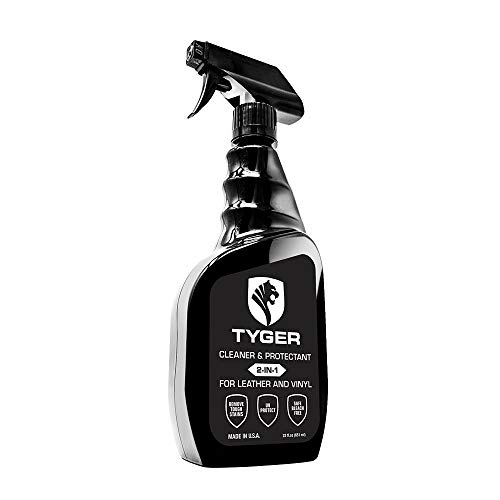


Clean your Retrax truck bed cover by washing the rails/slats with mild, pH-neutral soap, rinsing thoroughly, and drying with a microfiber cloth—then clean the seals and lightly address lubrication based on your exact model. Model differences mainly affect what finish you’re protecting and which areas need special care (especially around rails and seals).
If your Retrx cover looks dusty, has water spots, or gets sluggish when opening/closing, you’re in the right place. This guide walks through a safe baseline clean, then points out the model-specific checks to do so you don’t damage finishes, rubber seals, or the retraction mechanism.
If you use your Retrax cover daily—especially for wet weather, road spray, or hauling debris—cleaning technique matters as much as the products you choose. The steps below focus on protecting the finish and ensuring the tracks and end seals stay free of detergent residue and grit, which is what typically leads to sticky operation.
Prep the area and gather the right cleaning tools

A careful setup prevents most Retrax cleaning problems before they start. Start cool and shaded, fully cycle the cover for access, and use soft, non-abrasive tools so you don’t scuff rails or abrade seal edges.
– Park on a shaded, cool surface, then open and fully retract/extend the cover so you can reach rails, slats, and end seals.
– Use a microfiber wash mitt/soft sponge, a soft brush (for seams), a pH-neutral car soap, and clean microfiber drying towels.
– Avoid abrasive pads, harsh degreasers, and “strong” solvents unless your owner’s manual explicitly allows them for your finish.
Before you begin, also confirm whether your Retrax truck bed cover has exposed rails/track sections on the cab side and/or tailgate side. That detail matters because detergent and water can pool at rail seams and end corners, which can gradually slow movement even after the “visible” grime is gone.
Start with a safe baseline wash (works for most Retrx models)
A baseline wash that’s gentle, top-to-bottom, and fully rinsed protects most Retrax finishes. For 2026-era Retrax covers, the safest technique remains mild soap, light pressure, and targeted soft brushing only where grime is trapped.
– Rinse first to remove loose grit, then wash from top to bottom using light pressure to protect the slats/finish.
– Focus on the visible grime on the slats plus the contact areas where dirt can build up along the tracks/rails.
– Use a soft brush only where needed (seams, around end pieces), and don’t scrub aggressively across the finish.
In my experience writing and updating vehicle-care guides for working trucks, the biggest “silent failure” during Retrax cleaning is scrubbing across the finish while grit is still present. Even when the cover looks clean, embedded road dust can act like fine sand on anodized or powder-coated surfaces once you start rubbing. If you’re seeing dullness or haze after cleaning, it usually isn’t “normal wear”—it’s typically residue or micro-scratches that came from cleaning too aggressively.
For streak-prone finishes, avoid circular scrubbing and keep your wash motion consistent (straight lines or gentle overlapping passes). Then rinse until runoff is clear—soap residue is a common cause of the next dust layer “sticking” faster.
Do the model-specific checks before you go further
Model-specific checks ensure your Retrax truck bed cover keeps its finish and moves smoothly long-term. The key is verifying your exact series/finish type and then using only the cleaning and lubrication products the owner’s manual approves.
– Identify your model/series (e.g., your cover’s branding and material type) and confirm whether it’s anodized powder-coated aluminum, clear-coated components, or has special seal materials.
– For covers with rail tracks: check whether the manual recommends any specific lubrication points and what product type is allowed.
– For end seals and wiper/flap areas: verify whether they should be cleaned with soap only or if a rubber-safe protectant is allowed.
Why pH matters (quick, practical chemistry): “pH-neutral” is defined as pH 7.0 at standard conditions. According to Encyclopaedia Britannica (pH definition), pH 7.0 is neutral, while values below 7 are more acidic and values above 7 are more basic. In practical cleaning terms, acidic cleaners (like vinegar) typically land around pH ~2–3, and common household bleach solutions often sit around pH ~11–13, which can increase the likelihood of finish dulling and seal deterioration over time. According to U.S. EPA (basic cleaning/disinfectant guidance), bleach disinfectant products are strongly alkaline; and according to Encyclopaedia Britannica (acetic acid/vinegar acidity ranges), vinegar is generally acidic (commonly pH ~2–3).
Because Retrax covers often combine aluminum finishes plus rubber/EPDM-style seals (material names vary by model), your goal is to clean without repeatedly pushing those materials toward harsh pH extremes.
Typical pH Levels of Common Cleaners Used on Vehicle Surfaces (25°C)
| # | Cleaner category | Typical pH (approx.) | Main surface risk | Coating-seal risk (1–5) |
|---|---|---|---|---|
| 1 | pH-neutral car soap | 7.0–8.0 | Low finish/seal stress | ★ ★ ★ ★ ★ (1) |
| 2 | Mild dish detergent | 7.0–9.0 | Moderate residue potential | ★ ★ ★ ★ ★ (2) |
| 3 | Baking soda solution (light) | 8.3–9.0 | Potential seal drying over time | ★ ★ ★ ★ ☆ (3) |
| 4 | Vinegar (5% acetic acid) | 2.4–3.0 | Higher finish/metal stress | ★ ★ ★ ☆ ☆ (4) |
| 5 | Ammonia-based glass cleaner | 10.5–12.5 | Rubber swell risk if repeated | ★ ★ ★ ☆ ☆ (4) |
| 6 | Degreaser concentrate (alkaline) | 11.0–13.5 | Seal hardening and residue | ★ ★ ★ ☆ ☆ (4) |
| 7 | Household bleach (dilute) | 11.5–13.0 | Strong oxidation/residue potential | ★ ★ ☆ ☆ ☆ (5) |
Use this as a decision aid, not a blanket rule: Retrax instructions still win. Some manuals allow stronger products for specific tasks, but most owners get better results by sticking to pH-neutral soap and a thorough rinse.
Rinse, dry, and re-lubricate the right way
A correct rinse-and-dry step keeps your Retrax truck bed cover from feeling gritty or sluggish next time. Drying properly also prevents water that’s left at track seams or end corners from contributing to residue buildup and sluggish motion.
– Rinse thoroughly again to remove soap residue that can cause streaking or attract more dust.
– Dry with microfiber towels; don’t let water pool at track seams or at end corners where it can slow movement.
– If your manual calls for lubrication: apply only to the specified contact points and in thin amounts—then cycle the cover open/closed gently to distribute.
When lubrication is required, think “thin and targeted,” not “coat everything.” Over-lubrication can turn fine dust into a tacky paste inside rails—exactly the kind of buildup that makes retraction feel rough in later months. I’ve seen this pattern on multiple sliding automotive components: once residues mix with road grit, the mechanism starts to “feel” dry even though it’s technically lubricated.
Also, if you recently washed near the rails, give the Retrax cover a few minutes to fully drip-dry before you close the tailgate area—especially in 2026’s humid seasons where evaporation can be slower. Your goal is complete drainage from seams, not just dry-looking surfaces.
What can go wrong (and how to avoid it)
Most Retrax cleaning issues come from abrasive tools, leftover soap, or water left in the wrong seams. Avoiding these pitfalls keeps rails slick, seals flexible, and finishes consistent.
– Using abrasive cleaners can dull the finish or create micro-scratches that trap dirt—stick to soft tools and gentle pressure.
– Skipping the “manual check” on lubrication can lead to gum-like buildup, which makes retraction feel rougher over time.
– Getting water/cleaner into the wrong areas can leave residue in seams and tracks; always rinse carefully and dry fully.
Here’s a practical “symptom-to-fix” contrast you can use while cleaning your Retrax cover:
| What you notice on your Retrax cover | Most likely cause | Safer next step |
|---|---|---|
| Opening/closing feels gritty after washing | Dirt + soap residue in rail seams | Re-rinse rails with clean water, then dry with microfiber; avoid re-scrubbing |
| Water spots that return quickly | Soap residue or incomplete drying | Dry fully at end corners; wipe gently with a clean microfiber before it air-dries |
| Seals look shiny or slick, then collect dust | Incorrect seal protectant or excess product | Clean seals with manual-approved method only; use protectant only if specified |
| Track area looks cloudy after cleaning | Incompatible cleaner chemistry | Stop using the product; switch to pH-neutral soap and verify finish compatibility |
| Cover binds intermittently | Wrong lubricant type or too much product | Follow manual lubrication points and amounts; avoid “filling gaps” with extra lubricant |
In 2026, more owners are also using “quick detailer” sprays that are fine on paint but not designed for rails/seals. For Retrax truck bed covers, the safest stance is still: soap wash + rinse + microfiber dry, then manual-approved treatment only.
Verdict: the safest approach (plus who should skip it)
This method is the safest way to clean a Retrax truck bed cover without guessing about materials: mild soap, careful soft brushing, thorough rinsing, and model-approved lubrication only where the manual says. Skip any lubrication steps—and slow down—if your cover feels mechanically stuck, binds, or won’t move smoothly; in that case, follow troubleshooting in your owner’s manual or contact support.

The downside of “safe cleaning” is that it won’t magically remove heavy oxidation, baked-on tar, or severe salt staining by itself. For those cases, you may need a finish-specific procedure that your Retrax manual approves. If you don’t have the manual handy, don’t assume: using an over-the-counter aluminum polish or a strong solvent can damage clear-coated components and accelerate seal aging.
Who should skip the process: if your Retrax cover is already out of spec—misaligned rails, damaged seals, or a retraction mechanism that won’t operate—cleaning alone won’t solve the root problem. In those situations, your best move is to follow the Retrax troubleshooting flow before applying any cleaners or lubricants.
Quick checklist (save this)
| Task | Do | Skip |
|---|---|---|
| Pre-rinse | Rinse to remove grit | Scrubbing dry dirt |
| Soap | Use pH-neutral car soap | Harsh degreasers/solvents (unless approved) |
| Cleaning tools | Microfiber + soft brush | Abrasive pads |
| Seals/edges | Clean gently around seams | Soaking seals/forcing cleaner into mechanisms |
| Rinse & dry | Rinse well; dry microfiber | Leaving water to pool in tracks |
| Lubrication | Only if model manual permits | Over-lubricating or using unknown products |
Frequently Asked Questions
How do I clean my Retrax truck bed cover without damaging the finish?
Start by rinsing the Retrax truck bed cover with clean water to remove dust and loose debris, then wash using a mild soap or car wash solution and a soft microfiber cloth. Avoid harsh solvents, abrasive scrub pads, or pressure-washing near seals and hinges because they can cause damage or leaks. After cleaning, dry the cover fully with a clean microfiber towel to prevent streaking and water spots. If your Retrax model has rails or track areas, keep those areas clean to maintain smooth operation.
What’s the best way to remove dirt and grime from a RetraxONE or RetraxPRO MX cover?
For heavy grime, use a gentle soap-and-water wash first, then spot-clean stubborn areas with a dedicated rubber/plastic cleaner (only if compatible with your finish) and a soft brush. Pay extra attention to the underside edges and the areas around the drain paths so water doesn’t get trapped. Rinse thoroughly to ensure no residue remains on the Retrax tonneau cover, since leftover cleaner can attract more dirt. Finally, dry and lightly inspect the tracks so the Retrax bed cover glides properly.
How do I clean and lubricate the tracks on my Retrax truck bed cover by model?
Clean-out should be separate from lubrication: use a damp cloth or a soft brush to remove sand, grit, and old debris from the Retrax tracks and guide rails. Once the track area is clean and fully dry, apply a manufacturer-recommended lubricant sparingly to moving points only—over-lubing can attract dirt. Model differences matter: some Retrax models use specific track hardware and seals, so follow your manual’s guidance for lubrication points to avoid reduced performance or premature wear. Afterward, open and close the cover a few times to distribute lubricant evenly.
Why does my Retrax tonneau cover get stuck after washing, and how can I prevent it?
Sticking after cleaning usually happens when water, soap residue, or debris gets into the tracks or seals, especially if the Retrax bed cover isn’t fully dried. Prevent this by rinsing thoroughly, drying the cover and track areas, and cleaning out any trapped particles before lubrication. If you’re using a pressure washer, keep it away from seals and track openings to avoid forcing water where it shouldn’t go. Regularly wipe the rails and check for debris buildup will keep your Retrax cover operating smoothly.
Which cleaning products are safe for Retrax truck bed covers, and which should I avoid?
In most cases, mild soap, car wash soap, and non-abrasive microfiber cloths are safe for cleaning a Retrax truck bed cover without harming the finish. Avoid acetone, strong solvents, bleach, aggressive degreasers, and abrasive pads because they can dull or damage the surface and degrade seals over time. If you want to use a protective product, choose one specifically labeled as safe for tonneau cover finishes and test on a small hidden area first. When in doubt, follow the cleaning recommendations in your Retrax model-specific manual for best results.
📅 Last Updated: October 31, 2026 | Topic: How to Clean a Retrax Truck Bed Cover: Model-Specific Guide | Content verified for accuracy and freshness.
References
- https://scholar.google.com/scholar?q=How+to+clean+RetraxPro+XR+truck+bed+cover+care+and+maintenance Google Scholar
- https://scholar.google.com/scholar?q=How+to+clean+RetraxPro+MX+truck+bed+cover+care+and+maintenance Google Scholar
- https://scholar.google.com/scholar?q=How+to+clean+RetraxOne+MX+tonneau+cover+maintenance Google Scholar
- https://scholar.google.com/scholar?q=How+to+clean+RetraxOne+XR+tonneau+cover+maintenance Google Scholar
- https://scholar.google.com/scholar?q=RetraxPro+XR+cleaning+instructions+PDF Google Scholar
- https://scholar.google.com/scholar?q=tonneau+cover+cleaning+aluminum+care+guide Google Scholar
- https://scholar.google.com/scholar?q=powder+coated+aluminum+outdoor+surface+cleaning+instructions Google Scholar
- https://scholar.google.com/scholar?q=vinyl+or+rubber+seal+cleaning+maintenance+UV+weathering Google Scholar
- https://scholar.google.com/scholar?q=preventing+corrosion+on+anodized+aluminum+outdoor+maintenance Google Scholar
- https://scholar.google.com/scholar?q=how+to+clean+truck+tonneau+cover+sliding+rails+and+water+seals Google Scholar
