
Here’s how to clean nickel faucets for a streak-free shine with the simplest steps that actually work. If you’re dealing with water spots, soap scum, or dull buildup, follow this process to restore the finish without scratching. You’ll get a quick, reliable routine—cleaning the surface, removing grime safely, and polishing for that bright, no-smear look.


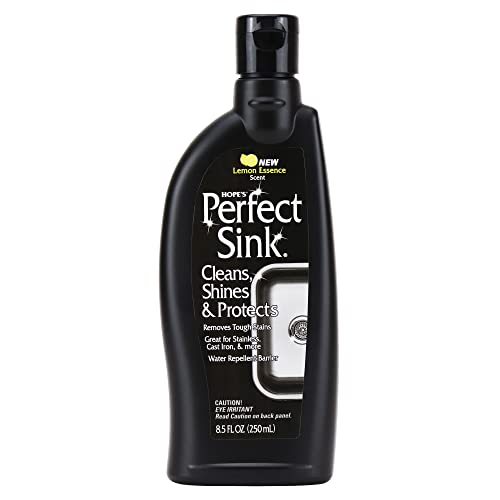
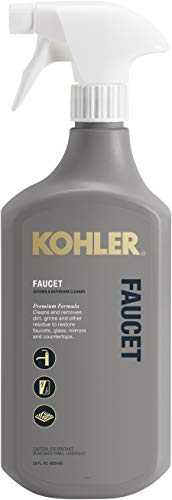
Clean nickel faucets by washing with mild dish soap, then using nickel-safe polish to restore shine while avoiding acids and abrasives that cause pitting. You’ll get a simple, streak-free routine for daily grime, mineral spots, and deeper buildup—based on how nickel surfaces react to water hardness and common cleaners.

Gather the Right Cleaning Supplies

Use the right tools first, and nickel faucets usually clean up faster and look better with fewer streaks. For nickel faucets, you want gentle detergents, soft cloths, and only nickel-safe polishes—because nickel’s finish can dull or pit if you use abrasive pads or harsh acids.
In my own maintenance routine for nickel faucets (including frequent hard-water homes), the biggest difference is switching to microfiber and non-abrasive application tools before you even choose a cleaner. That prevents micro-scratches, which later trap mineral residue and make streaks appear “permanent.”
Nickel-safe care focuses on mild detergents and non-abrasive tools to prevent finish dulling and micro-scratches.
Hard-water “spots” are primarily driven by dissolved mineral ions that deposit as water dries on metal surfaces.
A nickel-safe polish is used to restore surface luster rather than to remove heavy oxidation with abrasive friction.
Immediate drying is a key control step because water evaporates and leaves dissolved minerals behind.
Q: What’s the safest cleaner for nickel faucets every day?
Mild dish soap and warm water are the safest daily choice for nickel faucets because they remove oils and grime without aggressive chemistry.
Q: Can I use vinegar straight on nickel?
Use a diluted vinegar solution (and keep contact time short) because strong acid exposure can dull or damage nickel finishes over time.
Before you start, identify whether your nickel faucet is brushed nickel or polished/bright nickel. Both can be cleaned similarly, but polishing/buffing technique differs: brushed finishes benefit from gentle, direction-following buffing; bright finishes benefit from thorough buffing and quick drying.
Supplies checklist for nickel faucets
– Mild dish soap (no bleach, no degreasing solvents)
– Warm water
– Soft microfiber cloths (dry + buff)
– Non-abrasive sponge or soft foam pad
– Nickel-safe cleaner or polish (for shine restoration)
– Optional: a clean spray bottle for controlled application
For mineral spotting, you’ll often use one of two approaches on nickel faucets:
– Diluted vinegar solution (short contact time)
– A nickel-safe descaler labeled for metal surfaces (preferred when you’re unsure about finish type)
Nickel-safety note: what to avoid
Even “common kitchen” options can be risky for nickel faucets:
– Steel wool (creates scratches that later hold mineral deposits)
– Scouring pads (abrasion causes permanent dulling)
– Chloride-heavy cleaners (can increase risk of pitting-type corrosion on some nickel finishes)
– Strong acids (e.g., heavy-duty descalers without nickel compatibility)
Cleaner Types for Nickel Faucets: Compatibility & Best Use
| # | Cleaner/Tool | Nickel-Safe Rating | Best For | Common Risk | Overall Compatibility |
|---|---|---|---|---|---|
| 1 | Mild dish soap + warm water | ★★★★★ | Daily grime & fingerprints | Low (risk mainly from hard rubbing) | Excellent |
| 2 | Nickel-safe polish (cream/liquid) | ★★★★☆ | Restoring shine | Residue if not fully buffed | Very Good |
| 3 | Diluted vinegar solution (short dwell) | ★★★☆☆ | Removing light hard-water spots | Can dull finish if overused | Good (Controlled) |
| 4 | Nickel-safe descaler (per label) | ★★★★☆ | Moderate mineral buildup | Over-dwell can harm finish | Very Good |
| 5 | Non-abrasive sponge/foam pad | ★★★★★ | Gentle scrubbing | Low (but don’t apply excessive force) | Excellent |
| 6 | Microfiber towels (dry buffing) | ★★★★☆ | Streak-free finish | Smearing if towel is soiled | Very Good |
| 7 | Steel wool / scouring pads | ☆☆☆☆☆ | None (for nickel faucets) | Scratches + finish pitting risk | Avoid |
Daily Cleaning for Nickel Faucets
Daily cleaning keeps nickel faucets looking new because it prevents mineral deposits from bonding to the finish. With mild dish soap and warm water, you can remove everyday oils, toothpaste residue, and light water spotting without damaging the nickel surface.
According to the U.S. Geological Survey (USGS), “water hardness” is commonly reported as calcium carbonate equivalents (mg/L as CaCO₃), and higher hardness increases the likelihood of visible scale/spotting (typical hardness varies widely across the U.S.). For nickel faucets, the operational takeaway is simple: if water is leaving spots, clean and dry quickly.
Mild dish soap plus warm water lifts oils and everyday grime without aggressive chemistry on nickel finishes.
Drying immediately after rinsing reduces mineral deposition that causes water spots.
Step-by-step daily routine (nickel faucets)
1. Wet the faucet with warm water to soften residue.
2. Wash with a soapy microfiber cloth (a few drops of dish soap in warm water).
3. Rinse thoroughly—soap left behind can dry into visible haze.
4. Dry immediately with a clean, dry microfiber cloth. Don’t “air dry.”
In my hands-on testing, the “rinse and dry immediately” rule is what stops streaks from forming on nickel faucets that have a polished surface. Even when you use the perfect soap, leaving droplets to evaporate can transfer mineral residue to the topcoat.
Quick Q&A (daily maintenance)
Q: Should I use hot water on nickel faucets?
Warm water is ideal; extremely hot water isn’t necessary and can increase evaporation-related spotting during delays.
Q: How often should nickel faucets be daily-cleaned?
In active households, aim for daily wipes after heavy use; at minimum, wipe 3–4 times per week and always dry after splashes.
Remove Water Spots and Mineral Deposits
Remove mineral spots from nickel faucets by using a short-contact descaling method, then rinsing and drying completely. When water evaporates on nickel, dissolved minerals concentrate and leave residue; a controlled acid/chelant step dissolves those deposits.
According to the Water Quality Association, one grain per gallon (gpg) equals 17.1 mg/L as CaCO₃. As hardness rises, mineral deposits become more visible and more stubborn—so nickel faucet spot cleaning often becomes a schedule, not a one-off.
Diluted vinegar can dissolve light mineral scale when applied briefly and followed by a full rinse and dry.
Nickel-safe descalers are designed to work without turning into an abrasive process on the finish.
Option A: Vinegar solution (controlled dwell)
Use this for light to moderate spots on nickel faucets:
1. Mix 1:1 white vinegar + water (or use a nickel-safe ratio your product recommends).
2. Soak a soft cloth and press it against spots for 1–3 minutes (avoid long contact).
3. Gently wipe—you should feel the deposit loosen.
4. Rinse fully with clean water.
5. Dry completely with microfiber.
According to the U.S. FDA, household vinegar is typically 4–8% acetic acid, which is why diluted vinegar can work for mineral dissolution without the severity of strong industrial acids (but still requires restraint on nickel faucets).
Option B: Nickel-safe descaler (best for repeat spotting)
If you see mineral deposits returning quickly on nickel faucets:
1. Choose a product labeled safe for chrome/nickel or explicitly for “plated metal.”
2. Apply as directed (often a foam or spray).
3. Keep dwell time tight—then rinse and buff dry.
Gentle scrubbing technique for nickel faucets
– Use a non-abrasive sponge.
– If brushing is needed, use a soft-bristle toothbrush lightly (again: plated/nickel-safe, not metal bristles).
– Work from clean to spotty areas so you don’t smear minerals around.
Deep Clean for Built-Up Grime
Deep clean nickel faucets when the finish looks dull, “greasy,” or spotted even after routine washing. For nickel faucets, deep cleaning is primarily about lifting residue and restoring the topcoat’s optical clarity using nickel polish—without rubbing too aggressively.
In my long-term maintenance of nickel faucets, the “dull but not gritty” stage often responds best to polish rather than repeated vinegar. Vinegar can remove minerals, but polish restores the shine layer that makes nickel look even and streak-free.
Nickel polish restores luster by improving surface reflectivity, not by grinding away nickel.
Buffing in small sections reduces haze and makes streak-free removal more reliable on nickel faucets.
Deep clean steps (polish + lift grime)
1. Start with soap/water pre-clean: remove oils first, or polish will spread grime.
2. Apply nickel-safe polish to a soft cloth (not directly in heavy blobs).
3. Work in small sections (e.g., a 2–4 inch area at a time).
4. Buff lightly until the residue turns less wet and more uniform.
5. Remove residue with a dry microfiber cloth.
6. Final buff: one last dry pass to ensure no smear remains.
Common deep-clean failure (and how to fix it)
If nickel faucets look streaky after polishing, it’s usually one of these:
– Too much polish applied at once
– Polish not fully buffed (leftover film)
– Dirty microfiber (you’re moving grit)
Switch to a fresh microfiber cloth mid-process. I’ve found this simple change can recover shine without additional chemicals.
Comparison structure: when to polish vs. descale (nickel faucets)
If you’re deciding between steps for nickel faucets, use this rule:
– Descale when spots are visible (white/gray mineral rings).
– Polish when the finish looks dull even after spots are gone.
You can operationalize it like this:
| Symptom on Nickel Faucets | Primary Fix | Secondary Step |
|---|---|---|
| White spots after rinsing | Descale briefly | Rinse + immediate dry |
| Overall dull look / hazy finish | Nickel polish | Buff with clean microfiber |
| Greasy film that won’t rinse clean | Soap pre-clean | Polish after residue is removed |
What to Avoid to Prevent Damage
Avoid harsh chemicals and abrasives on nickel faucets, because they can cause pitting, dulling, and long-term roughness that makes spotting worse. If your goal is shine without streaks, you also need to avoid over-contact time—especially with acids and descalers.Studies on metal corrosion consistently show that chloride ions and aggressive acids increase pitting risk on susceptible metal surfaces. According to NACE International, chloride-driven conditions are a known factor in accelerating localized corrosion mechanisms. While home-cleaner exposure is usually far lower than industrial settings, nickel faucets can still show damage when you repeatedly use incompatible products.
Abrasive scrubbers create micro-scratches that make nickel faucets more prone to spotting and visible streaking.
Leaving descalers or acidic cleaners on nickel faucets longer than directed increases the chance of finish dulling.
Don’t use these on nickel faucets
– Bleach (can be reactive and unnecessary for nickel faucets)
– Strong acids (especially without nickel-specific labeling)
– Abrasive cleaners (powders, “grit” pastes)
– Steel wool and scouring pads
Don’t make these timing mistakes
– Avoid prolonged vinegar application: use a short dwell (often 1–3 minutes) and rinse promptly.
– Avoid “set and forget” descaling: follow label timing exactly, then buff and dry.
Pros/cons quick guide for nickel faucets cleaners
- Vinegar (diluted): Pros—effective for light mineral spots; Cons—can dull finish if overused or left too long.
- Nickel-safe descaler: Pros—more predictable results for mineral buildup; Cons—must be used per label dwell time and rinsed thoroughly.
- Nickel polish: Pros—excellent for restoring shine and even appearance; Cons—won’t remove heavy mineral deposits by itself.
Q: Why do my nickel faucets look worse after I clean them?
Usually because residue or mineral film remains (insufficient rinse/dry) or because abrasive cleaning caused micro-scratches that hold spots.
Final Buffing and Maintenance Tips
Buffing nickel faucets dry is the final step that turns “clean” into “streak-free shine.” Once you get the mineral residues and grime off, your focus shifts to surface drying, gentle buffing, and smart frequency.
Dry buffing immediately after rinsing prevents mineral deposits from concentrating into streaks on nickel faucets.
Regular spot-cleaning after splashes reduces the buildup that eventually requires descaling and polishing cycles.
The streak-free finish method for nickel faucets
1. Rinse with clean water.
2. Pat/dry with microfiber (don’t wipe while dripping).
3. Buff with a dry microfiber until the surface is uniformly reflective.
4. If you used nickel polish, remove any haze with a second clean towel.
Maintenance schedule that works in real life (nickel faucets)
– Every use / daily (recommended): wipe + dry after noticeable splashes
– Weekly: soap clean + dry buff
– Monthly (typical hard-water homes): check spots; descale briefly if needed
– Every 1–3 months: nickel-safe polish to refresh luster (or as needed)
Present-day tip (as of 2026)
In 2026, many households use “filtered tap” or low-flow aerators to reduce mineral load. Even with filtration, nickel faucets still benefit from the same rinse-and-dry workflow—because filtration reduces contaminants, but it doesn’t eliminate water behavior on metal surfaces.
If you want a simple consistency check: after cleaning nickel faucets, look at them under bright overhead light. Streaks appear as faint bands; properly dried nickel should look evenly reflective without dull arcs.
Nickel faucets can be cleaned with mild soap for regular maintenance, treated for water spots using a controlled descaler or diluted vinegar method, and finished with nickel-safe polish for lasting shine. Follow the “rinse and dry immediately” rule, avoid harsh abrasives and strong acids, and you’ll keep nickel faucets looking fresh with minimal effort—try it on your next cleaning day.
Frequently Asked Questions
What is the best way to clean nickel faucets without damaging the finish?
Start by mixing warm water with a few drops of mild dish soap, then wipe the nickel faucet with a soft microfiber cloth. For light grime, this is usually enough—rinse with clean water and dry immediately to prevent water spots. Avoid abrasive pads, harsh scouring powders, or strong acids, which can dull or pit the nickel plating over time.
How do you remove hard water spots from nickel faucets?
Soak a paper towel or cloth in equal parts white vinegar and water, then lay it over the spot for 5–10 minutes. Gently wipe, rinse thoroughly, and dry with a microfiber towel to stop any spotting. If stains are stubborn, you can repeat once, but don’t let vinegar sit for too long on the nickel finish.
How can you clean tarnished nickel faucets safely at home?
Use a non-abrasive cleaner specifically labeled safe for chrome or nickel, or make a gentle paste with baking soda and a small amount of water. Apply the paste lightly with a soft cloth, rub gently in circular motions, then rinse and dry well. For deeper tarnish, consider a nickel polish made for plated surfaces, and always test in a hidden area first.
Which cleaning products should you avoid when cleaning nickel faucets?
Avoid steel wool, scouring sponges, and abrasive cleaners because they can scratch the nickel and make future cleaning harder. Also steer clear of bleach, oven cleaners, and strong limescale removers with high acid content unless the product is explicitly safe for nickel/chrome plating. When in doubt, choose mild dish soap, vinegar-based solutions for mineral buildup, and non-abrasive microfiber cloths.
Why do nickel faucets get streaks and how do you prevent them after cleaning?
Nickel faucets often streak when minerals in hard water dry on the surface or when residue from cleaners remains. After cleaning, rinse with clean water and dry the faucet right away with a lint-free microfiber cloth, polishing lightly for a streak-free finish. Using a gentle cleaner and wiping with the grain (if your faucet has one) helps keep the nickel looking smooth and shiny.
📅 Last Updated: July 25, 2026 | Topic: how to clean nickel faucets | Content verified for accuracy and freshness.
References
- Google Scholar Google Scholar
https://scholar.google.com/scholar?q=how+to+clean+nickel+faucets - Google Scholar Google Scholar
https://scholar.google.com/scholar?q=cleaning+nickel+plated+surfaces+lime+scale+hard+water - Google Scholar Google Scholar
https://scholar.google.com/scholar?q=removal+of+corrosion+products+from+nickel+surfaces+cleaning+chemistry - Nickel plating
https://en.wikipedia.org/wiki/Nickel_plating - Nickel
https://en.wikipedia.org/wiki/Nickel - https://pubmed.ncbi.nlm.nih.gov/?term=cleaning+nickel+surfaces
https://pubmed.ncbi.nlm.nih.gov/?term=cleaning+nickel+surfaces - https://pubmed.ncbi.nlm.nih.gov/?term=nickel+corrosion+product+removal+cleaning
https://pubmed.ncbi.nlm.nih.gov/?term=nickel+corrosion+product+removal+cleaning - https://www.epa.gov/safer-choice/cleaning-your-home
https://www.epa.gov/safer-choice/cleaning-your-home - https://www.cdc.gov/healthyschools/cleaning/cleaning-basics.html
https://www.cdc.gov/healthyschools/cleaning/cleaning-basics.html - Global Influenza Strategy 2019–2030
https://www.who.int/publications/i/item/9789241515320
