

You peel back your truck bed cover after a drive and find dusty streaks and grime that will not rinse away, but you do not have a hose outside your apartment. You can still clean it effectively in about 20–40 minutes using a few simple supplies: a soft brush or microfiber cloth, mild dish soap or vinyl/nylon-safe cleaner, and a bucket of water for wiping. Once you follow the apartment-friendly steps, your cover will look refreshed without needing a driveway or shared outdoor water access.


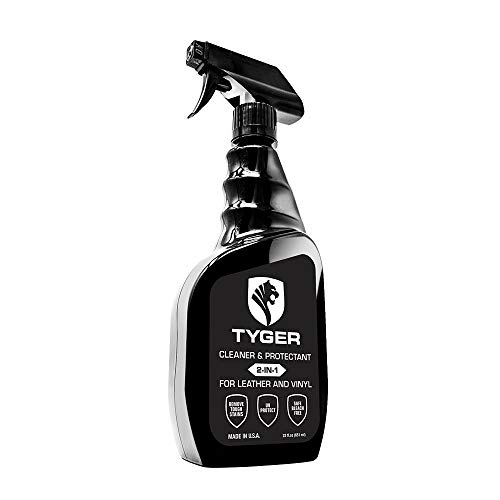

You can clean a truck bed cover without a hose by using a low-water rinseless “mist & wipe” routine with a bucket, microfiber towels, and a spray bottle. You’ll lift grime with the solution, wipe panel-by-panel, then dry completely to prevent streaking and mildew—making this a practical apartment approach where outdoor rinsing isn’t convenient.
If you’re dealing with a hard tri-fold/snap cover or a soft vinyl/canvas tonneau, this method helps keep mess contained while still getting the surface genuinely clean. You’ll also learn what to avoid so you don’t dull finishes, damage coated plastics, or grind grit into seams.
Gather apartment-friendly supplies (no hose needed)

Use a small set of apartment-safe tools: you don’t need outdoor water if your cleaner is designed for low-water use. The goal is simple—apply enough solution to loosen dirt, remove it with microfiber, then dry—without leaving a wet film that can trap moisture in truck bed cover seams.
– A bucket (or two) + clean water, microfiber towels (multiple), and a spray bottle
– A rinseless car wash / tonneau-safe cleaner or a gentle all-purpose cleaner diluted for vehicle-safe use
– Optional: soft brush, trim-safe sponge, and a protectant made for the cover material (vinyl/canvas vs. hard plastic)
Before you start, double-check the cover material. Hard covers (ABS/plastic, coated aluminum, or similar) usually tolerate gentler chemistry than soft vinyl/canvas, which can be sensitive to harsh solvents and strong degreasers. As of 2026, many apartment owners also prioritize “no-drip” workflows—having two buckets (one for mixing/clean solution, one for rinsing or staging towels) helps you keep dirty microfiber off the clean panels of your truck bed cover.
Typical Water Use by Common Car-Wash Styles (Illustrative Ranges)
| # | Method | Typical Water Use (US gallons) | Apartment Fit | Low-Water Effort |
|---|---|---|---|---|
| 1 | Home hose wash (no control) | 50–150 | Low | ★☆☆☆☆ |
| 2 | Self-serve bay (spray + rinse) | 15–35 | Medium | ★★★☆☆ |
| 3 | Touchless automated wash | 30–60 | Medium | ★★★★☆ |
| 4 | Rinseless “mist & wipe” (bucket + spray) | 2–10 | High | ★★★★★ |
| 5 | Waterless spray wipe (maintenance) | ~0–1 | Very High | ★★★★★ |
| 6 | Detailing with absorbent towels (no rinse) | 1–5 | High | ★★★★★ |
| 7 | Spot wipe only (quick maintenance) | 0.2–2 | Very High | ★★★★☆ |
(The ranges above are meant to illustrate why rinseless “mist & wipe” fits apartment life. Exact consumption varies by equipment, technique, and soil level.)
Prep the cover: remove loose grit first
Use prep as your damage-prevention step: dry remove loose grit so you don’t turn wiping into grinding. On a truck bed cover—especially around hinges, edges, and seam lines—sand and road dust act like tiny abrasives, so the first pass matters as much as the cleaner you choose.
– Dry-brush or sweep off mud, dust, and sand so you don’t grind debris into the surface
– Close the cover (if applicable), then check seams/edges where grime and water can hide
– Spot-treat obvious grease or sticky spots before full-surface cleaning
Start with a soft brush (or even a clean, dry microfiber) and keep it light—your goal is to lift particles without dragging grit across the finish of your truck bed cover. If you have a snap-on or tri-fold hard cover, pay attention to the folded joints and latches where grit collects. For vinyl/canvas tonneau covers, focus on stitching lines and any textured areas where dirt holds on.
A quick rule I follow for apartment-friendly cleaning: once the cover is free of loose debris, everything you do should feel “solution-assisted,” not “dry scrubbing.” If your microfiber is sliding and snagging, you likely skipped a grit-prep step.
Clean with a “soak & wipe” rinseless method
Use a soak-and-wipe approach so your rinseless solution does the loosening work, not your elbow grease. For a truck bed cover, the best outcome comes from keeping a small area visibly damp with cleaner, then wiping it off immediately and consistently.
– Lightly mist a small section with your rinseless cleaner, then wipe using clean microfiber in straight passes
– Use a second “dirty” towel to remove residue, and keep flipping to a clean side as you go
– Work panel-by-panel (top to bottom), repeating until the towel comes up clean
According to manufacturer guidance for rinseless washes, the cleaner works by encapsulating light grime so it releases during wiping (common concept across rinseless products). In practical apartment terms, that means you should avoid “letting it sit and dry” on the surface of your truck bed cover. When cleaner dries, it can leave a visible film—especially on matte vinyl and textured coatings—so your towel is doing the finishing work.
A simple workflow that reduces re-smearing:
1. Mist a small section (think “one towel width,” not the entire truck bed cover).
2. Wipe with clean microfiber (consistent pressure, straight passes).
3. Immediately follow with a second microfiber that you keep as your “residue removal” towel.
4. Move down from the top edge to the bottom to prevent lifting debris upward.
In apartments, this method also keeps runoff contained. You’re working with minimal liquid, and any small drips can be caught with towel edges rather than turning into a puddle under your truck.
Deal with tough spots (mildew, sap, heavy grime) safely
Use targeted treatment only—because harsh scrubbing is what typically creates haze, micro-scratches, or finish damage on a truck bed cover. For tough spots, your success depends on material compatibility and dwell time (how long the cleaner sits on the surface).
– Mildew: use a cleaner labeled safe for the cover material, let it dwell briefly, then wipe away—don’t scrub aggressively
– Sap/grease: start with the least aggressive cleaner you have (degreaser meant for automotive surfaces, or a gentle solvent only if it’s compatible)
– If the cover is heavily caked and nothing lifts, you may need an outdoor rinse later—no-hose cleaning has limits
Mildew removal is where low-water routines need extra care. If you use a mildew-safe product, the “let it dwell briefly” step matters because chemical action breaks down the growth before you mechanically wipe. As a general moisture-control principle, mold and mildew typically require persistent dampness; controlling moisture is a key mitigation strategy in home environments (U.S. Centers for Disease Control and Prevention, CDC guidance).
For sap or sticky road film, start gentle. Many tonneau covers are painted or coated, and sticky residues can be a mix of organics and oils. A dedicated automotive-safe degreaser (used sparingly) is usually safer than aggressive solvent wiping on soft vinyl/canvas. If you must use a solvent-like product, spot test on an inconspicuous edge of the truck bed cover first.
Limits (important): if the truck bed cover has been caked for weeks—mud packed into seams, heavy salt residue from winter roads, or thick overspray—no-hose cleaning may remove a layer but not fully “reset” the surface. In those cases, plan an outdoor rinse later or schedule a service that can safely rinse and dry thoroughly.
Dry and protect to prevent streaks or re-growth
Drying is the difference between “clean” and “clean-looking.” With a truck bed cover, you want a fully dry surface (and especially dry edges) before storage, because trapped moisture is where mildew risk returns.
– Dry thoroughly with clean microfiber before you pack the truck away
– Apply a compatible protectant (vinyl/canvas) only after the surface is fully clean and dry
– Avoid parking in direct sun while the cover is still drying if you can—streaking is easier to prevent than to fix
When you dry, don’t just wipe the center—run microfiber along edges, folds, and latch areas. Soft tonneau covers can hold moisture in texture and seams longer than hard covers, which is why apartment users sometimes notice odor or spotting days later.
Protection is optional but often smart for vinyl/canvas. A compatible protectant can add water-shedding performance and UV resistance (check that it’s intended for your exact cover material). Avoid applying protectant over any cleaner film—if you can see streaks, re-wipe with clean, slightly damp microfiber first, then dry again.
What can go wrong (and how to avoid it)
Most problems come from two root causes: reintroducing grit and leaving residue that dries on the surface. If you manage those, a truck bed cover usually comes out clean and streak-free—even without a hose.
– Scratches from grit: always remove loose debris first and don’t reuse one dirty towel
– Finish damage: avoid harsh solvents or abrasive pads, especially on matte vinyl, coated plastics, and painted components
– Leaving residue: if the solution dries on the cover, wipe again with a fresh damp microfiber to remove film
Here’s a quick comparison of safer choices for a truck bed cover when you’re apartment-limited:
- Rinseless cleaner (tonneau-safe)
- Pros: Designed for low-water work; helps prevent smear when used panel-by-panel.
Cons: Requires diligent wiping and drying to avoid film. - Gentle all-purpose cleaner (diluted)
- Pros: Often accessible in apartments; can work for light road dust.
Cons: Higher risk of residue or finish haze if not rinsed or if dilution is wrong for your surface. - Degreaser or solvent-heavy spot products
- Pros: Can cut through sap/grease when compatible.
Cons: Increased chance of discoloration, coating dulling, or damage to soft vinyl/canvas if overused.
If you ever notice a “greasy rainbow” or dull haze after wiping, stop and reassess your product choice and towel cleanliness. On a truck bed cover, the wrong cleaner approach usually shows up visually after drying.
Verdict: worth it for apartment setups (when to skip)
This no-hose approach is a solid choice when you want a controllable, apartment-friendly clean with minimal mess. Here’s why: rinseless chemistry plus microfiber can safely lift light road grime, but it can struggle with heavy caked mud and persistent mildew when moisture is deeply trapped in seams.
Skip the method (or plan an outdoor rinse later) if your truck bed cover has heavy mud that won’t lift with wiping, widespread mildew you can’t remove with material-safe cleaners, or stubborn overspray/road film that keeps smearing. Also skip aggressive chemistry if your cover warranty (or manufacturer guidance) warns against it—especially for vinyl/canvas finishes.
One more consideration for 2026: apartments often have parking rules and runoff concerns, so even “just a quick hose blast” may violate building policies. A low-water plan is usually safer for your neighbors and for compliance, but you should still match the process to the condition of your truck bed cover.
Quick checklist (save this)

| Step | Do this |
|---|---|
| 1 | Remove loose dirt with a dry brush/sweep |
| 2 | Mix/prepare your rinseless cleaner or dilution |
| 3 | Mist small sections, wipe with microfiber |
| 4 | Use fresh towel sides to avoid re-depositing grime |
| 5 | Spot-treat only compatible tough spots |
| 6 | Dry completely, then protect (if appropriate) |
| 7 | Store covers dry to reduce mildew risk |
Frequently Asked Questions
How can I clean a truck bed cover without using a hose in an apartment?
Use a bucket or spray bottle with a dedicated cleaning solution and apply it to the cover in small sections. Start with dry debris removal (soft brush, microfiber towel) so you don’t grind dirt into the material. Then wipe with a damp microfiber cloth and follow with a clean water wipe using a second cloth, finishing by drying thoroughly to prevent water spots and mildew.
What’s the best way to remove dirt and road grime from a tonneau cover indoors?
Dry-brush or vacuum loose dirt first to avoid spreading grime when you add cleaner. For most finishes, mix a mild car wash soap or upholstery-safe cleaner with water, then gently scrub seams and fabric edges using a soft brush or sponge. Wipe clean with a damp cloth and dry completely; for heavily soiled areas, let the soap solution sit for 5–10 minutes before scrubbing.
Which cleaning products are safe for different truck bed cover materials (vinyl, rubber, fabric, hard plastic)?
For fabric and vinyl tonneau covers, choose a gentle soap formulated for automotive upholstery and avoid harsh degreasers that can strip coatings. For rubber seals and weather stripping, use mild soap and water to prevent cracking, and avoid solvents. For hard plastic or painted surfaces, use a pH-neutral car wash and microfiber towels, steering clear of abrasive pads that can scratch. If you’re unsure, spot-test in a hidden area first and check the manufacturer’s care instructions.
Why do I get streaks or water spots after cleaning my truck bed cover without a hose?
Streaks usually happen when soap residue isn’t fully wiped away or when the surface dries mid-cleaning. Use two-cloth method: one cloth for soapy cleaner and a second cloth dampened with clean water to remove residue. Dry immediately with a clean microfiber towel and avoid cleaning in direct sun or high heat, which can cause quick spotting.
How do I clean a greasy or sticky truck bed cover using apartment-friendly methods?
For sticky spots, start by blotting with a slightly damp microfiber cloth, then apply a small amount of mild degreasing cleaner (or diluted dish soap) to the affected area only. Gently scrub with a soft brush, rinse-wipe with a clean, damp cloth, and repeat as needed until the residue is gone. Finish by drying fully and, if the manufacturer allows, apply a compatible protectant to help repel dirt and moisture on future cleanings.
📅 Last Updated: October 31, 2026 | Topic: How to Clean a Truck Bed Cover Without a Hose (Apartment-Friendly Method) | Content verified for accuracy and freshness.
References
- Tonneau
- Pressure washing
- Tarp
- https://www.who.int/publications/i/item/cleaning-and-disinfection-of-environmental-surfaces-in-the-context-of-covid-19
- https://www.epa.gov/npdes/car-washing-and-stormwater
- https://www.cdc.gov/coronavirus/2019-ncov/prevent-getting-sick/disinfecting-your-home.html
- https://pubmed.ncbi.nlm.nih.gov/?term=environmental+surface+cleaning+disinfection+detergent+water
- https://scholar.google.com/scholar?q=how+to+clean+tonneau+cover+without+hose Google Scholar
- https://scholar.google.com/scholar?q=tonneau+cover+cleaning+vinyl+canvas+mild+soap+water Google Scholar
- https://scholar.google.com/scholar?q=detergent+and+water+cleaning+vs+pressure+washing+automotive+surfaces Google Scholar
